



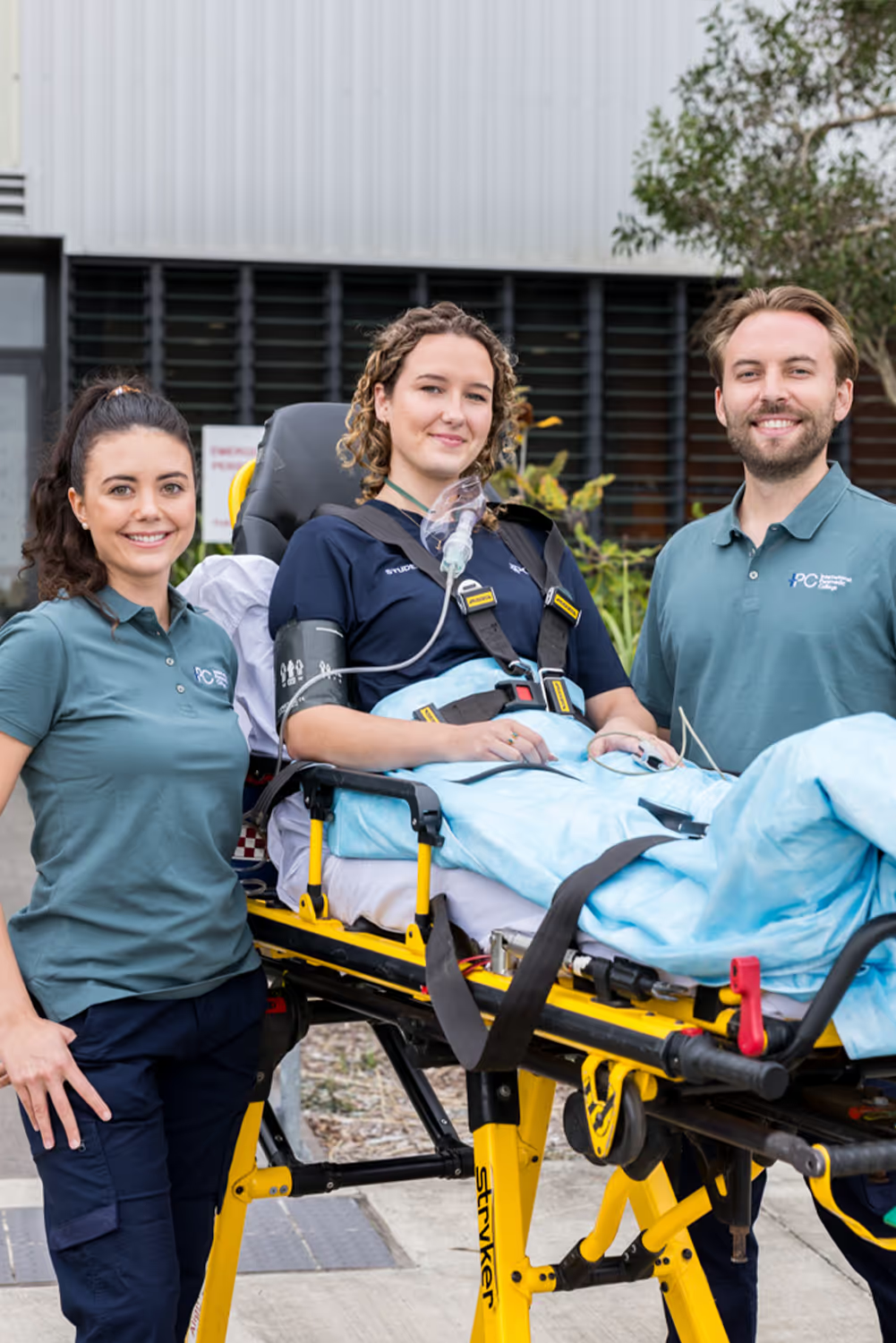
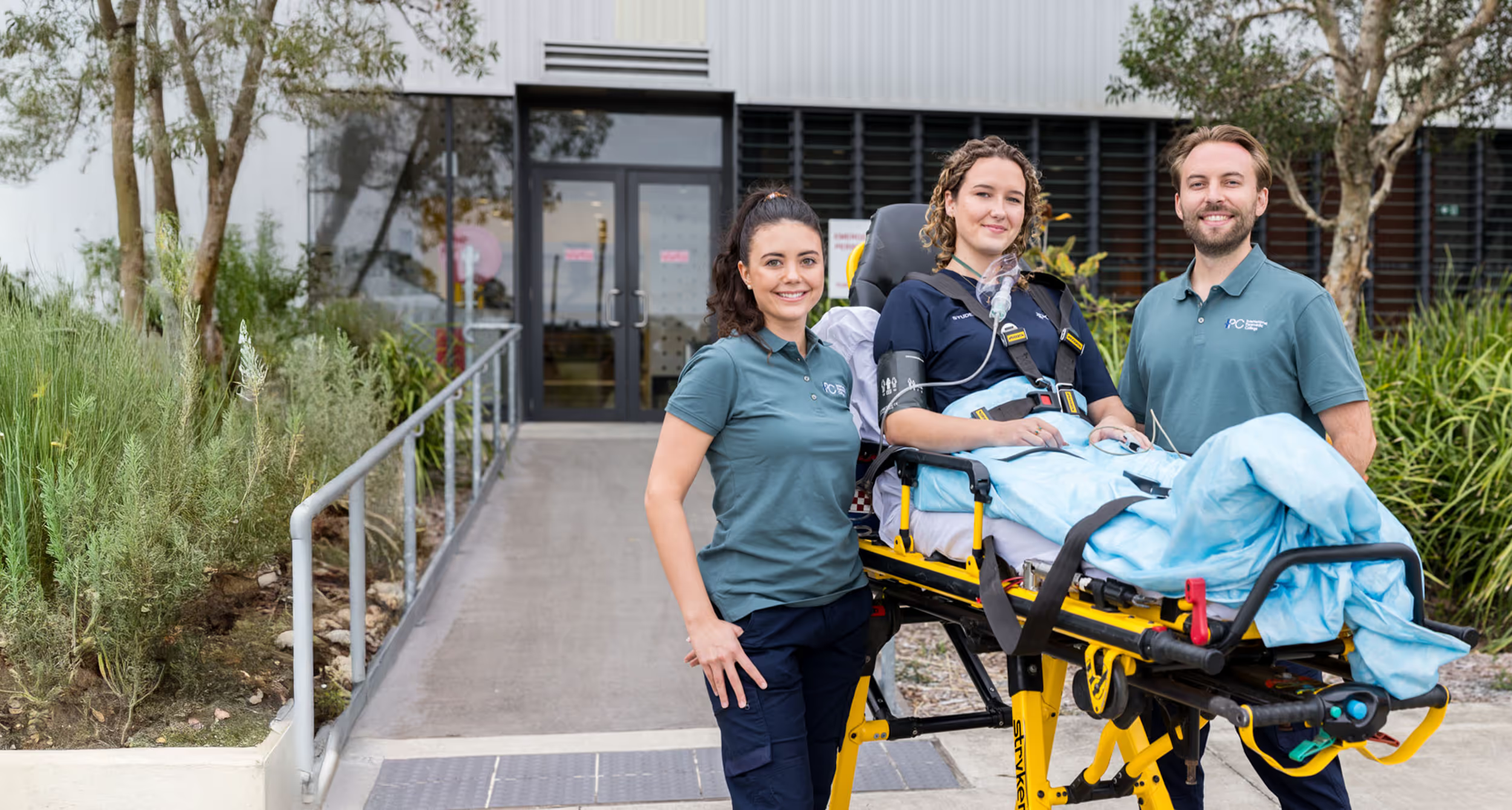
Get guided, hands-on experience
Placements allow students to practice what they’ve learned in live environments while building confidence, professionalism and situational awareness. IPC supports students through the placement process, providing guidance on requirements, documentation and expectations before placement begins.
- Placements form part of selected qualifications and units of competency
- Students gain supervised, real-world exposure in approved settings
- Guidance is provided before, during and after the placement period
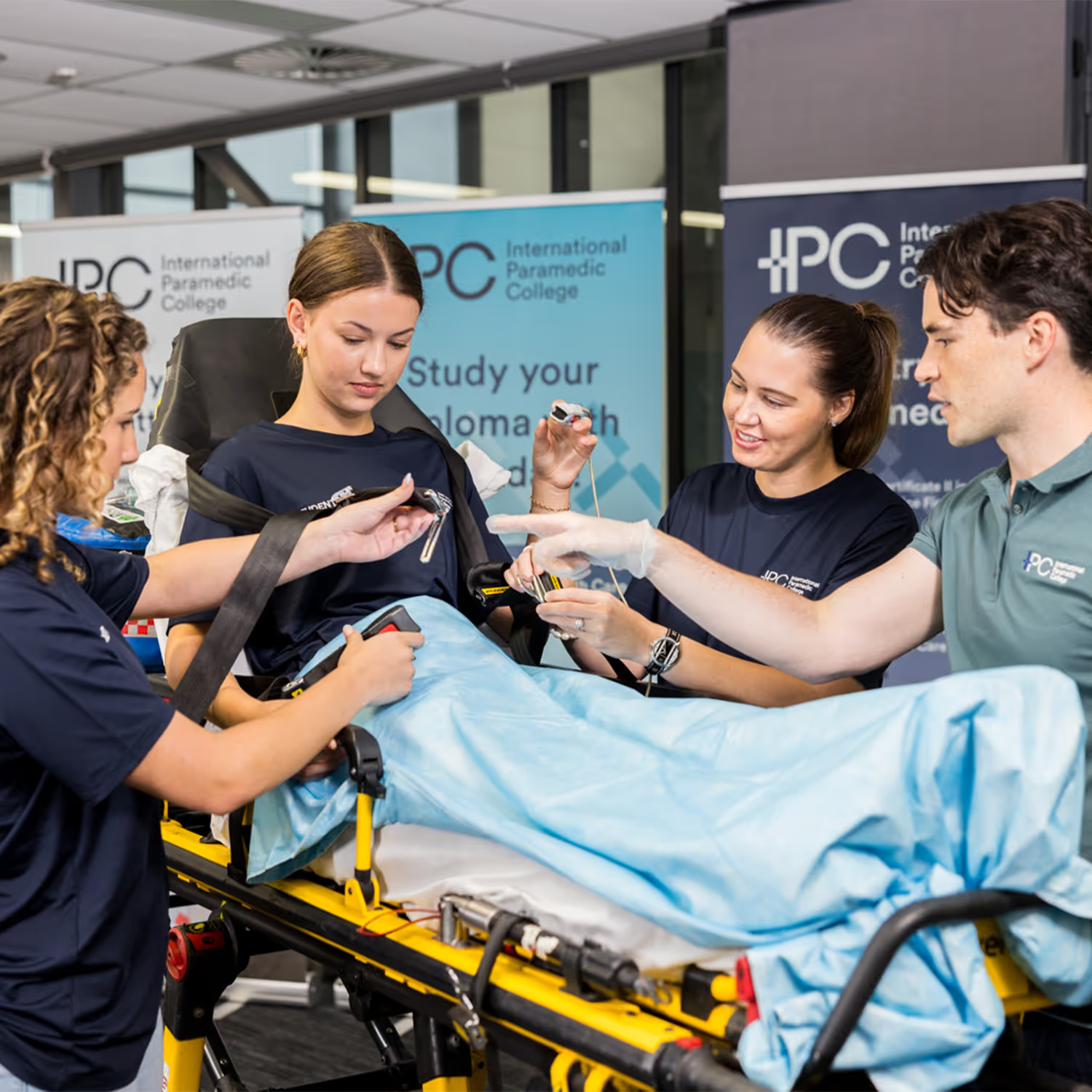


Why placements matter
Placements bridge the gap between learning and doing. They help students build real confidence, understand workplace expectations, and apply clinical skills in a supportive, supervised environment.

Confidence in real settings
Practice assessment, communication and decision-making with real patients/clients, so your skills feel natural, not just theoretical.

Professionalism and teamwork
Learn how health teams operate, including handover, documentation, boundaries and collaboration, so you’re ready for workplace standards.

Better clinical judgement
Real scenarios sharpen your ability to prioritise, stay calm under pressure, and choose the right intervention at the right time.

A clearer career pathway
Placements can confirm what you enjoy and where you fit, helping you choose a direction and build a plan for what comes next.

Evidence for competency
Placement activities support practical assessment requirements in selected units, helping you demonstrate competence where it counts.

Support throughout the process
You’re guided on expectations, paperwork and preparation, so you can focus on learning, not chasing forms or guessing what’s required.
How clinical placements work
Placements are organised around course requirements and availability. Here’s the typical process, from checking eligibility to completing your hours and getting your paperwork signed off.
01
Check your placement eligibility
Confirm your course/unit needs a placement and that you’ve completed the required learning, assessments and prerequisites before applying for a placement.
02
Prepare your documents
Gather any required checks and paperwork (e.g., immunisation evidence or clearances where needed) so you’re ready for the facility’s onboarding process.
03
Secure a suitable placement site
IPC will guide you on what an appropriate placement looks like. Depending on the course, you may source a site or be supported to connect with one.
04
Complete hours and get signed off
Attend placement as scheduled, follow workplace policies, and record your hours and competencies. Your supervisor signs off documentation so IPC can finalise assessment.

From training to placement confidence
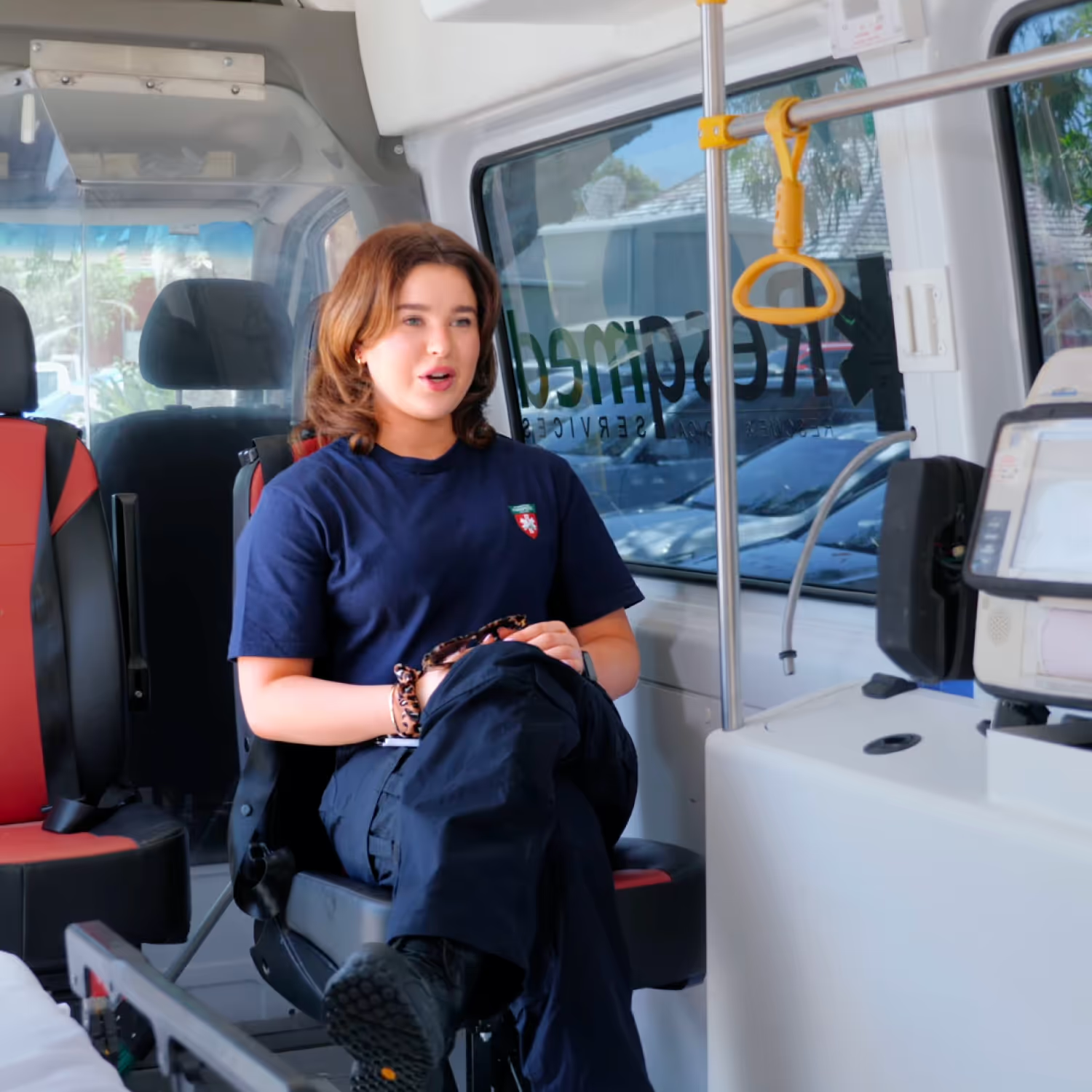
With strong preparation, clear expectations and ongoing support, Jett was able to apply his skills in a live environment and grow through hands-on experience.
- Entered placement feeling prepared, supported and clear on expectations
- Applied communication, assessment and teamwork skills in real settings
- Gained confidence navigating workplace routines and responsibilities
Placement partners and host sites
IPC works with a range of placement partners and host sites to support student learning. Availability can vary by location, course requirements, and supervisor capacity.





Need help with your placement pathway?
Not sure what your course requires or how placements work? Talk to IPC and we’ll explain the process, timelines and documentation, so you can plan with confidence.
What our students say
Students consistently tell us that placements help bring their training to life.
“IPC made learning feel achievable. The trainers explained things clearly, the practical sessions were hands-on, and I finished the course feeling genuinely more confident.”

“I chose IPC because when I did research I found they had really good feedback from the students and students coming back to do more courses so I believe it’s the right school for me and the price was really good.”
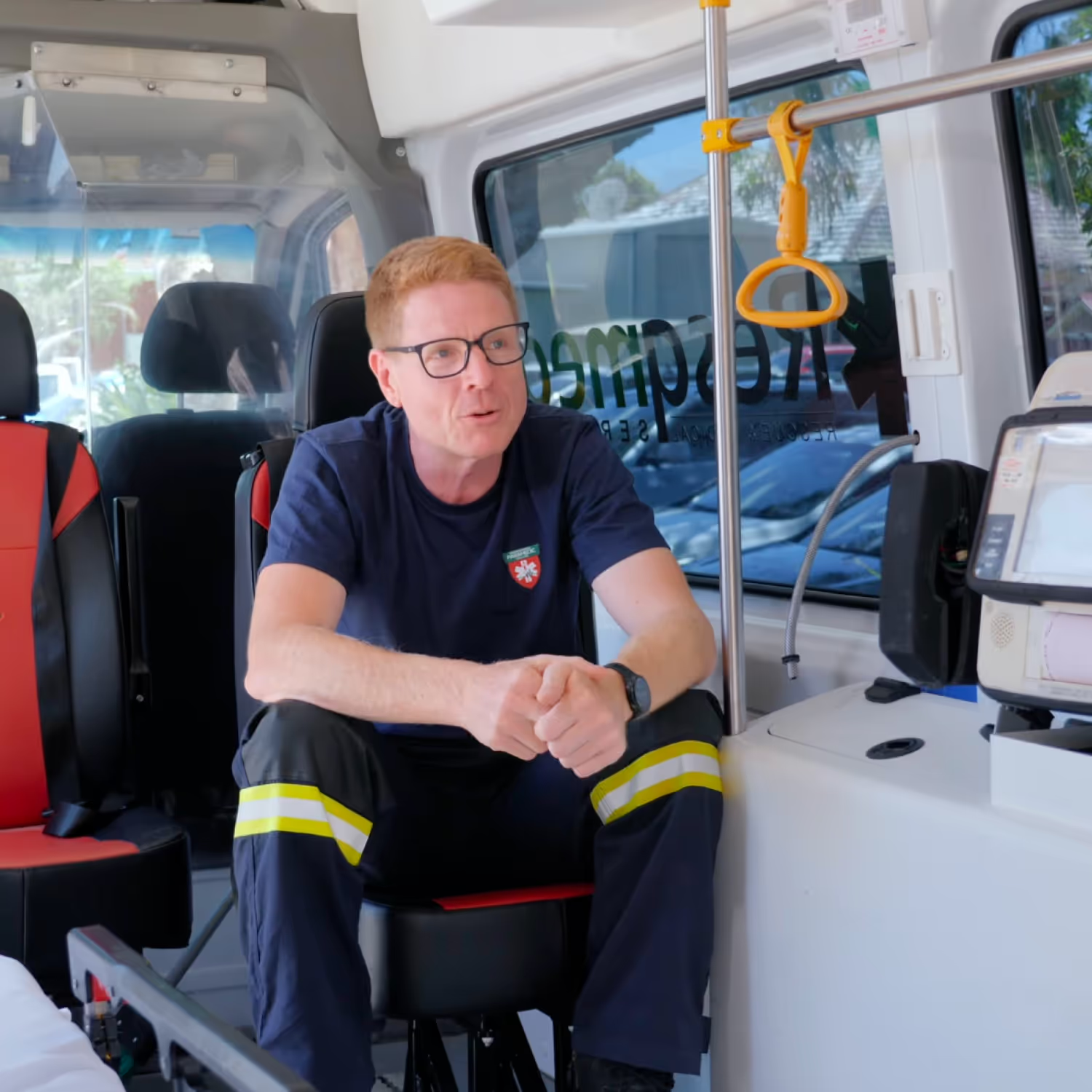
“The structure was straightforward and the support was there when I needed it. Workshops were practical, and I always knew what I was working toward.”
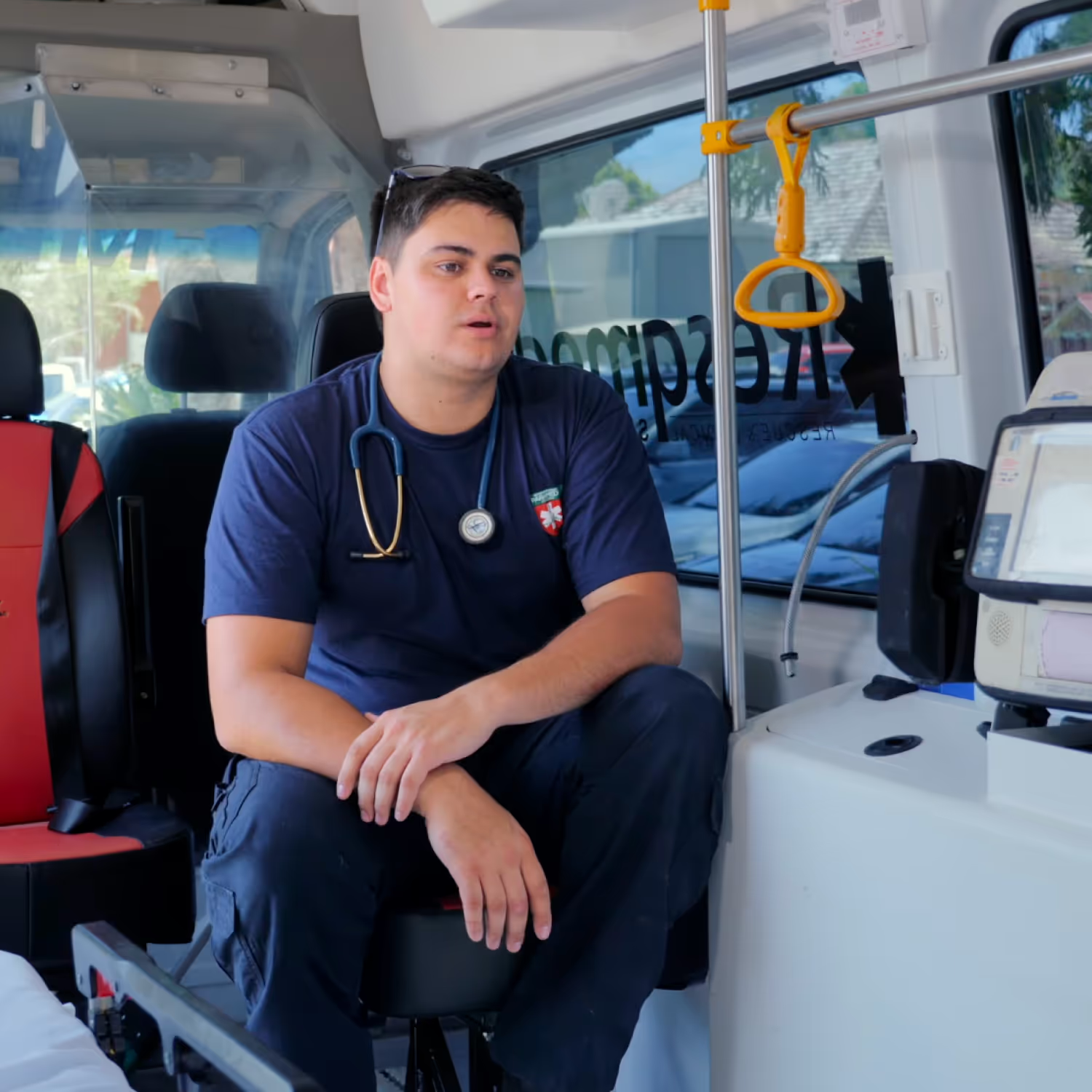
“I wanted training that felt real. The scenarios, feedback and support helped me build skills I can actually apply, especially when things get stressful.”
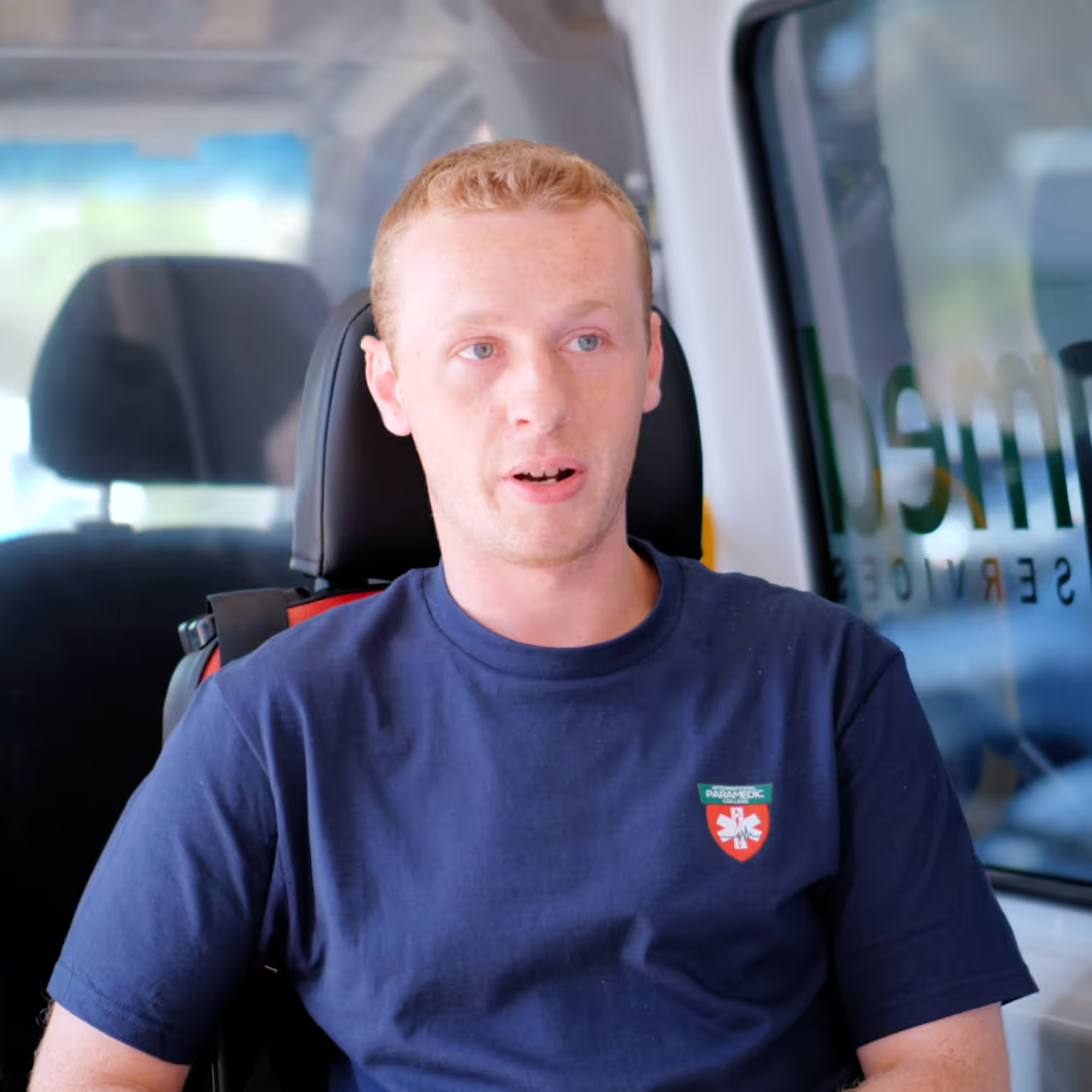
“What stood out was how approachable the team is. They teach in a calm, practical way and make sure you understand the ‘why’, not just the steps.”

“I learned more than skills - I learned how to think clearly under pressure. The practical training and feedback helped me feel ready for real-world situations.”

Accredited training you can trust
At International Paramedic College, we ensure your training and assessment is delivered to recognised standards, with clear documentation and outcomes.
ASQA-approved RTO (45284)
Nationally regulated training and assessment delivered under RTO standards.

Nationally recognised training
Accredited qualifications and statements of attainment with recognised outcomes.

Quality and compliance focus
Clear policies, consistent assessment, and student-first support throughout study.

We are a RAMOAP Approved Provider
We are a RAMOAP Approved Provider, delivering government-recognised training programs to meet national standards and support safe, compliant learning environments.

FAQs
Still have questions? These FAQs cover practical details about placements, responsibilities and limitations so you know exactly what to expect before you begin.
Why is a clinical placement important?
A clinical placement is a key part of the HLT51020 Diploma of Emergency Health Care and HLT41120 Certificate IV in Health Care. It gives students the opportunity to apply the knowledge and practical skills they have learned during their coursework in real healthcare environments.
Under the supervision of experienced professionals, students participate in patient care and observe how healthcare services operate day to day. This hands-on experience helps strengthen clinical skills while also developing important professional abilities such as communication, teamwork and critical thinking.
What types of healthcare environments can clinical placements take place in?
Clinical placements can take place across a wide range of healthcare and emergency service settings. These placements allow students to experience different aspects of patient care and healthcare delivery.
Examples of possible placement environments include:
- Hospitals and medical clinics
- Community health services
- Patient transport services
- Emergency services organisations
- Event medical services
- Sporting organisations and public event environments
Exposure to different settings helps students build practical experience and better understand the diverse roles available in the healthcare industry.
What kind of experience will I gain during a clinical placement?
During a clinical placement, students work alongside qualified professionals and participate in real healthcare activities under supervision. This allows students to translate theory into practice while developing confidence in clinical environments.
Students may gain experience in areas such as:
- Assisting with patient care and assessments
- Observing healthcare teams in action
- Communicating with patients and healthcare staff
- Understanding clinical workflows and procedures
- Applying clinical decision-making and problem-solving skills
These experiences help students develop the professional capabilities required for a career in emergency health care.
What organisations may offer clinical placement opportunities?
Clinical placement opportunities are available across several sectors of the healthcare and emergency services industries. These organisations provide unique environments where students can observe and contribute to healthcare delivery.
Possible placement partners may include:
- State-based emergency services such as the SES
- Local GP clinics and medical centres
- Royal Flying Doctor Service or aeromedical transport providers
- Patient transport services
- Event medical service providers
- Sporting organisations and large public events
Availability will vary depending on location, supervisor capacity and placement requirements.
Can clinical placements include specialised or unique healthcare environments?
Yes. Some clinical placements may take place in specialised healthcare environments that offer unique learning opportunities. These placements expose students to different patient groups, operational settings and healthcare challenges.
Examples can include:
- Remote Aboriginal medical services supporting Indigenous communities
- Medical roles in civil construction projects or mining operations
- Defence Force health service environments
- Theme parks or large-scale public venues requiring event medical support
- International volunteer opportunities in countries such as Nepal or Vanuatu
These experiences can broaden a student’s understanding of healthcare delivery across diverse communities and settings.
Get help starting your healthcare journey
If you’re exploring entry-level healthcare training, our team can guide you through enrolment, study options, and what to expect from this course.