



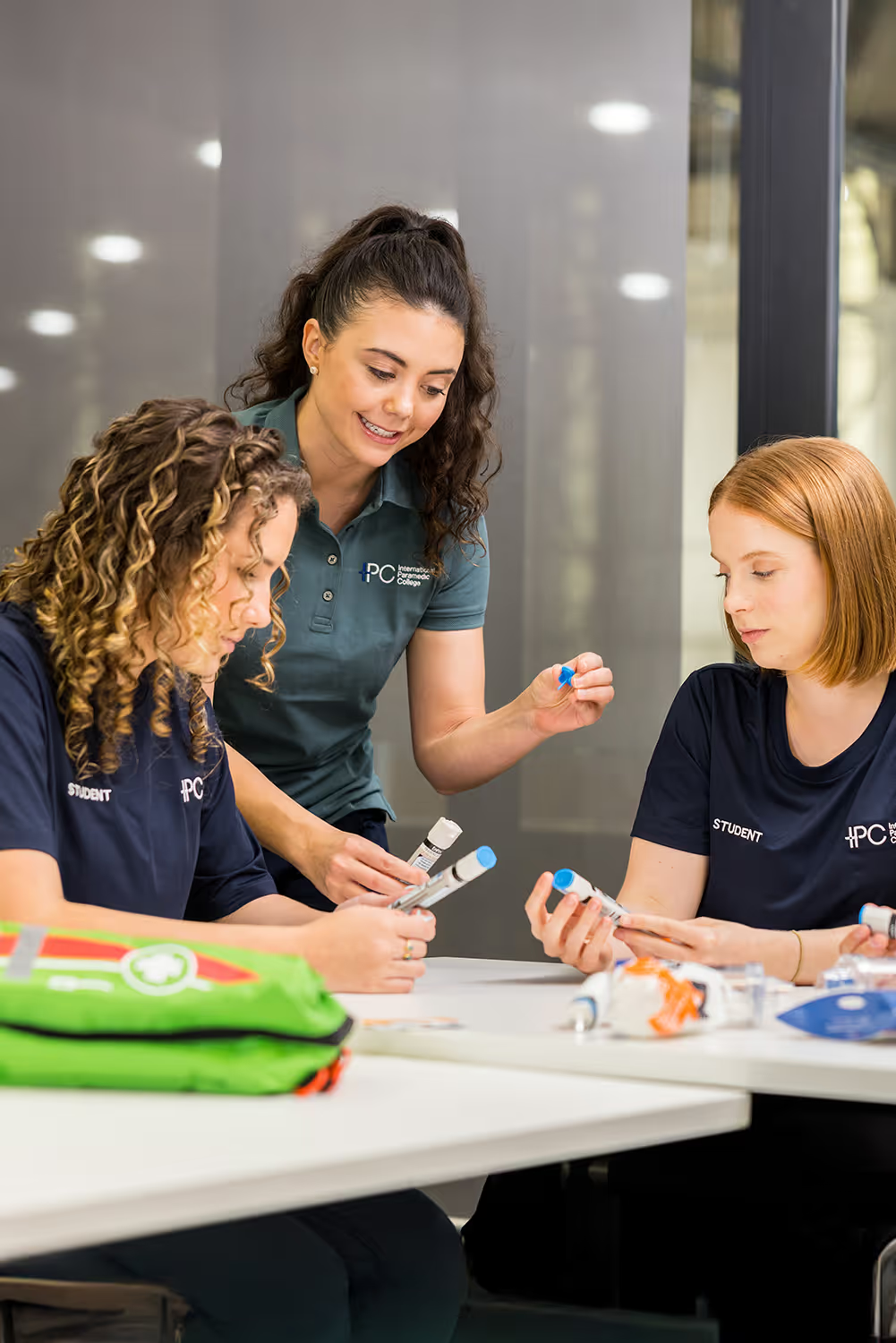

Your entry to paramedicine starts here
Choosing the right pathway to paramedic study can feel overwhelming, especially when there are multiple routes. Entry pathways are designed to help you build foundational knowledge, practical skills and confidence before progressing into higher-level paramedic training.
- Build skills progressively without locking into one pathway early.
- Gain exposure to real-world healthcare practice and concepts.
- Access flexible entry pathways to suit different backgrounds and career stages.
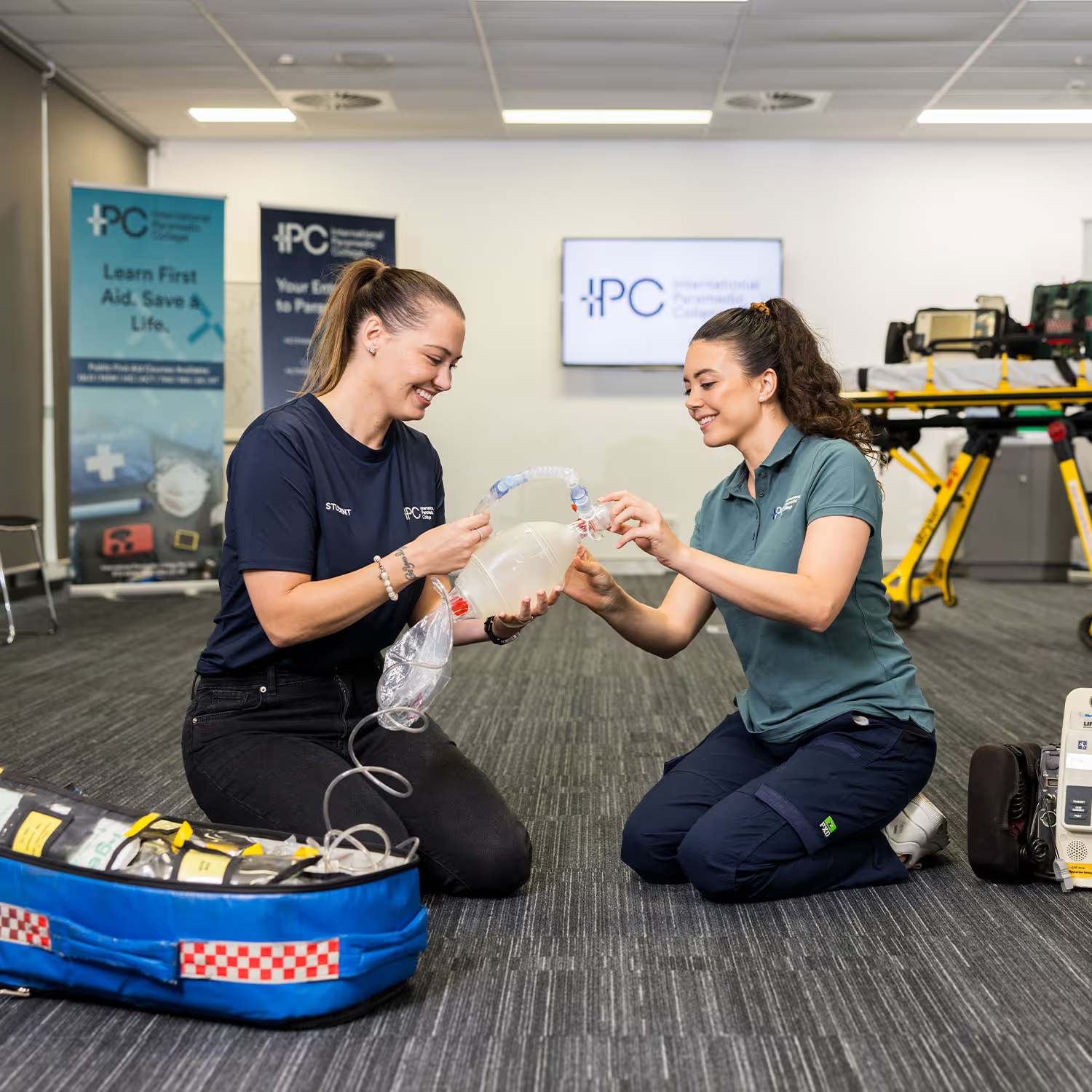


Choose your paramedic pathway
Not sure where to start? Explore these entry pathways to paramedicine and choose the route that matches your goals, experience and timeline.

How paramedic entry pathways work
Paramedic pathways aren’t one-size-fits-all. Whether you’re starting fresh, changing careers, or building toward a career in paramedicine over time, entry pathways are designed to help you progress step by step.
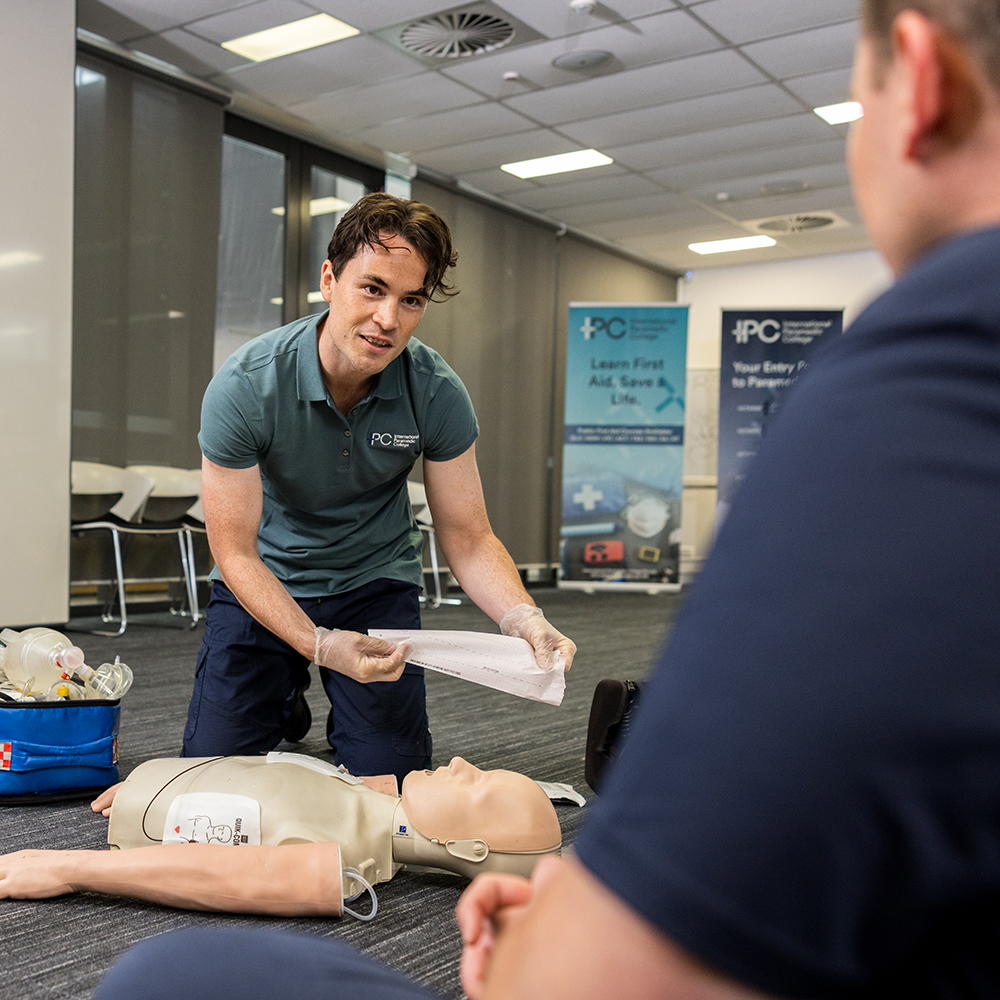
Start with the right entry point
Your journey begins by choosing a pathway that matches your current experience, confidence and goals. Entry options focus on core skills, learning readiness and exposure to emergency health environments, helping you ease into paramedic study in a structured way.
Build skills and confidence progressively
As you move through your pathway, training becomes more applied and scenario-based. You’ll develop communication, decision-making and foundational clinical skills that prepare you for more advanced paramedic learning, without overwhelming you early on.
Progress into advanced paramedic study
Once you’ve completed your entry pathway, you’re positioned to transition into higher-level paramedic education. With a solid base behind you, the shift into deeper clinical training feels clearer, more achievable and better supported.
Recommended paramedic courses
Choosing the right course can significantly impact your confidence as you transition into paramedicine. These recommended options are commonly used within paramedic entry pathways.
HLT51020: Diploma of Emergency Health Care
Our flagship qualification for pre-hospital care is delivered online, with hands-on workshops.
HLT41120: Certificate IV in Health Care
A strong foundation in emergency health care, with online learning and practical training.
HLT31220: Certificate III in Basic Health Care
Entry-level healthcare training delivered online for flexible study across Australia.
Australia Wide
HLT31120: Certificate III in Non-Emergency Patient Transport (NEPT)
Train for patient transport work in a structured, supportive learning model.
HLT21020: Certificate II in Medical Service First Response
Ideal for entry-level responders needing real-world first response skills.
Australia Wide
HLTOUT005: Assess and Deliver Standard Clinical Care
A practical unit for improving clinical decision-making and patient care skills.
Recommended First Aid & CPR Courses
Build practical lifesaving skills with nationally recognised first aid and CPR training. These courses are designed to suit individuals, workplaces and specialised environments across Australia.
HLTAID011: Provide First Aid
Nationally recognised First Aid training with online theory and face-to-face practicals.
HLTAID009: Provide Cardiopulmonary Resuscitation
Nationally recognised CPR training. Essential skills for the workplace, community and home.
HLTAID012 First Aid in an Education & Care Setting
Designed for educators and childcare workers, this course focuses on responding to emergencies involving infants and children, meeting ACECQA and regulatory requirements.
HLTAID014 Provide Advanced First Aid
Build advanced response skills for managing complex incidents, prolonged care, and multiple casualties. Suited to workplace first aid officers and high-risk environments.
HLTAID015 Advanced Resuscitation & Oxygen Therapy
Learn advanced airway management, oxygen delivery, and resuscitation techniques. Commonly required for healthcare, emergency response, and security roles.
HLTAID013 First Aid in Remote or Isolated Sites
This course prepares participants to manage medical emergencies when professional help may be delayed. Ideal for remote workers, outdoor leaders, and regional environments.
Pocket Mask Training
Learn how to use a pocket mask correctly during resuscitation to enhance safety and effectiveness. A useful add-on for CPR-trained individuals and workplaces across NSW.
National
Stop the Bleed Course
A focused, practical course teaching critical bleeding control techniques, including tourniquet use and wound packing. Suitable for workplaces, schools, and community groups.
National
PUAEME008 Provide Pain Management
The PUAEME008 Provide Pain Management course is a nationally recognised unit of competency that teaches participants how to safely administer restricted analgesics, including methoxyflurane (the Green Whistle).
Australia Wide
Why start your journey with IPC?
Choosing the right starting point matters when you’re working toward a career in emergency care. At IPC, we help you move from interest to action with practical training and clear guidance.
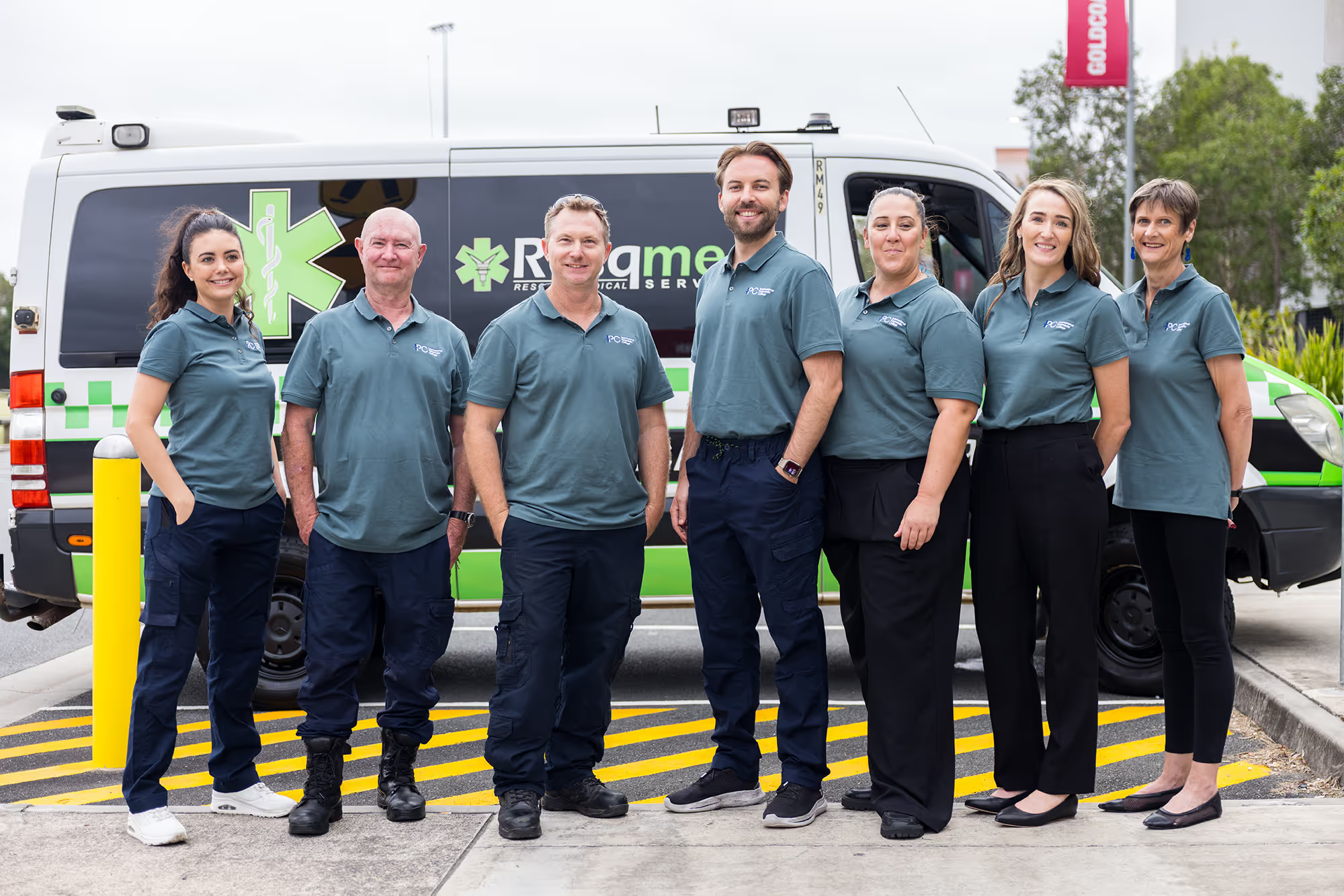

Training built for real-world outcomes
Our courses focus on hands-on skills, scenario-based learning and clinical thinking.

Clear guidance at every stage
You’re supported by experienced trainers who understand paramedic pathways and can help you choose the best study options.

Nationally recognised and industry aligned
All training is nationally recognised and aligned with current industry standards, giving you qualifications that are respected across Australia.
Our accreditations
When you’re choosing a pathway toward paramedicine, credibility matters. Our training is delivered under nationally recognised frameworks and aligned with industry expectations.
Nationally recognised training (RTO 45284)
IPC delivers accredited training through an ASQA-regulated Registered Training Organisation, ensuring all certifications are legitimate and nationally recognised.

Aligned with healthcare and emergency frameworks
Course content reflects current healthcare practices and emergency response principles, supporting skill development that translates into the real world.
Industry-recognised qualifications
Our certifications are recognised across emergency services, healthcare and related industries, helping you build a credible foundation for career progression.

Hear from our students
Choosing a paramedic pathway is a big decision, and hearing from others who’ve been there can make all the difference.
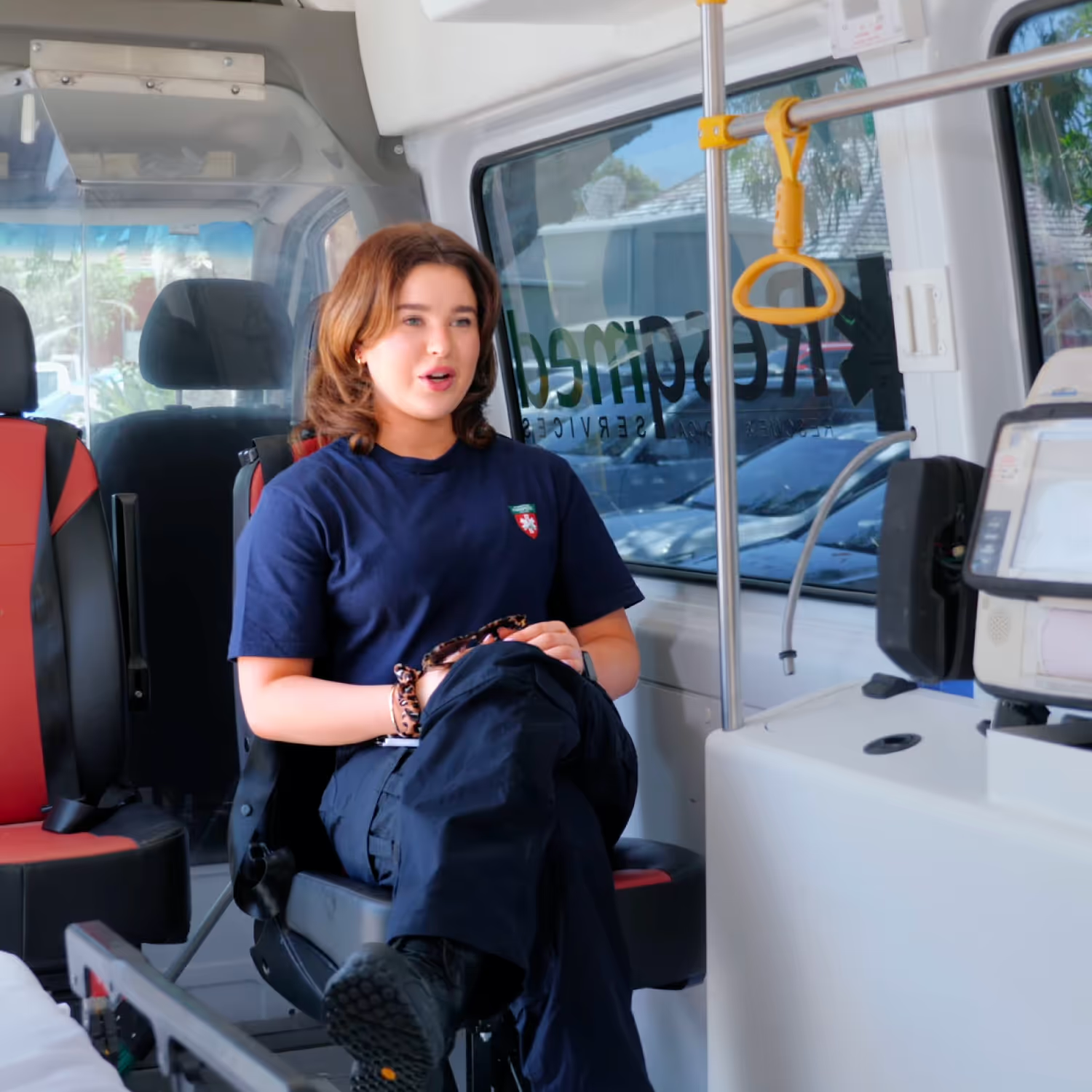
“IPC made learning feel achievable. The trainers explained things clearly, the practical sessions were hands-on, and I finished the course feeling genuinely more confident.”

“I chose IPC because when I did research I found they had really good feedback from the students and students coming back to do more courses so I believe it’s the right school for me and the price was really good.”
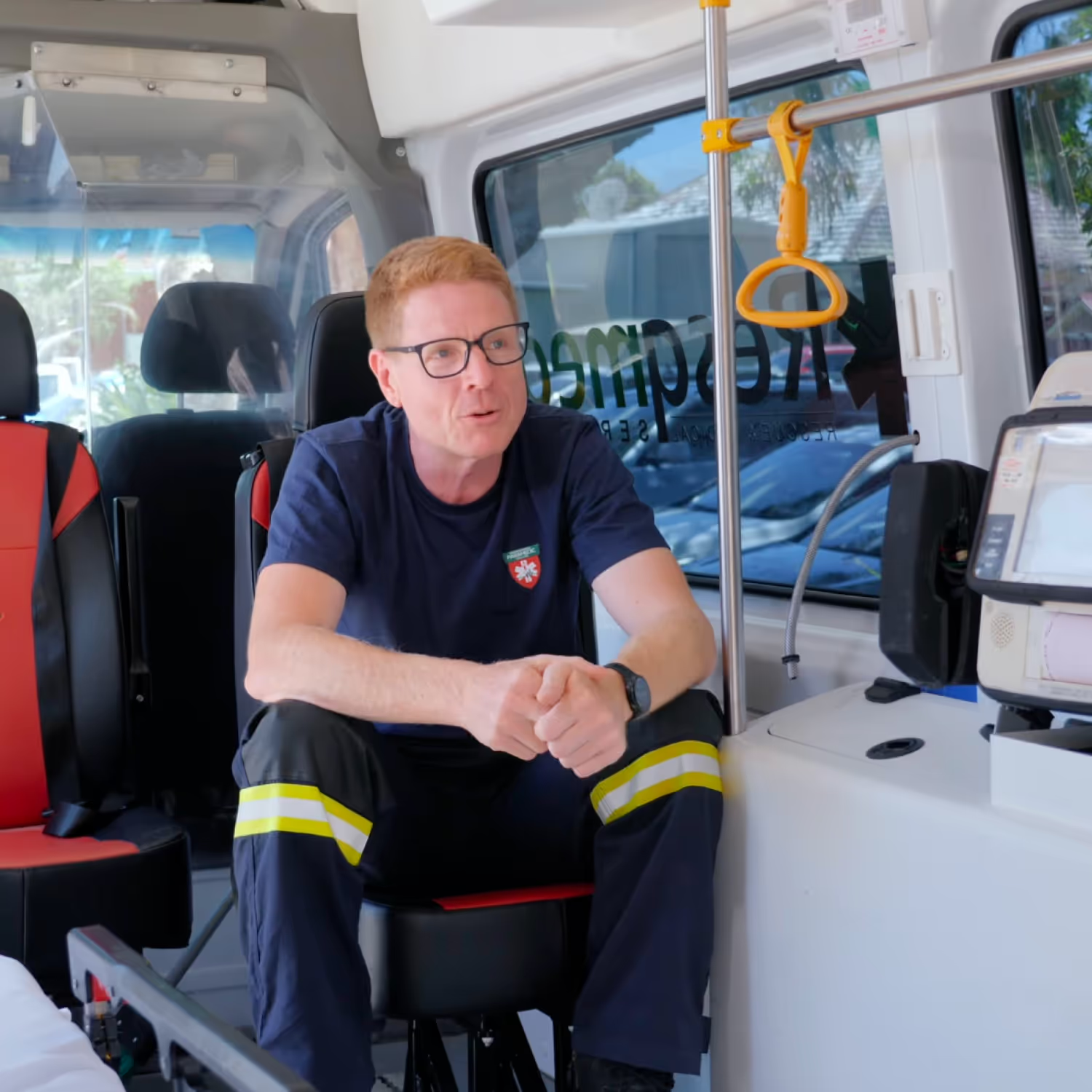
“The structure was straightforward and the support was there when I needed it. Workshops were practical, and I always knew what I was working toward.”
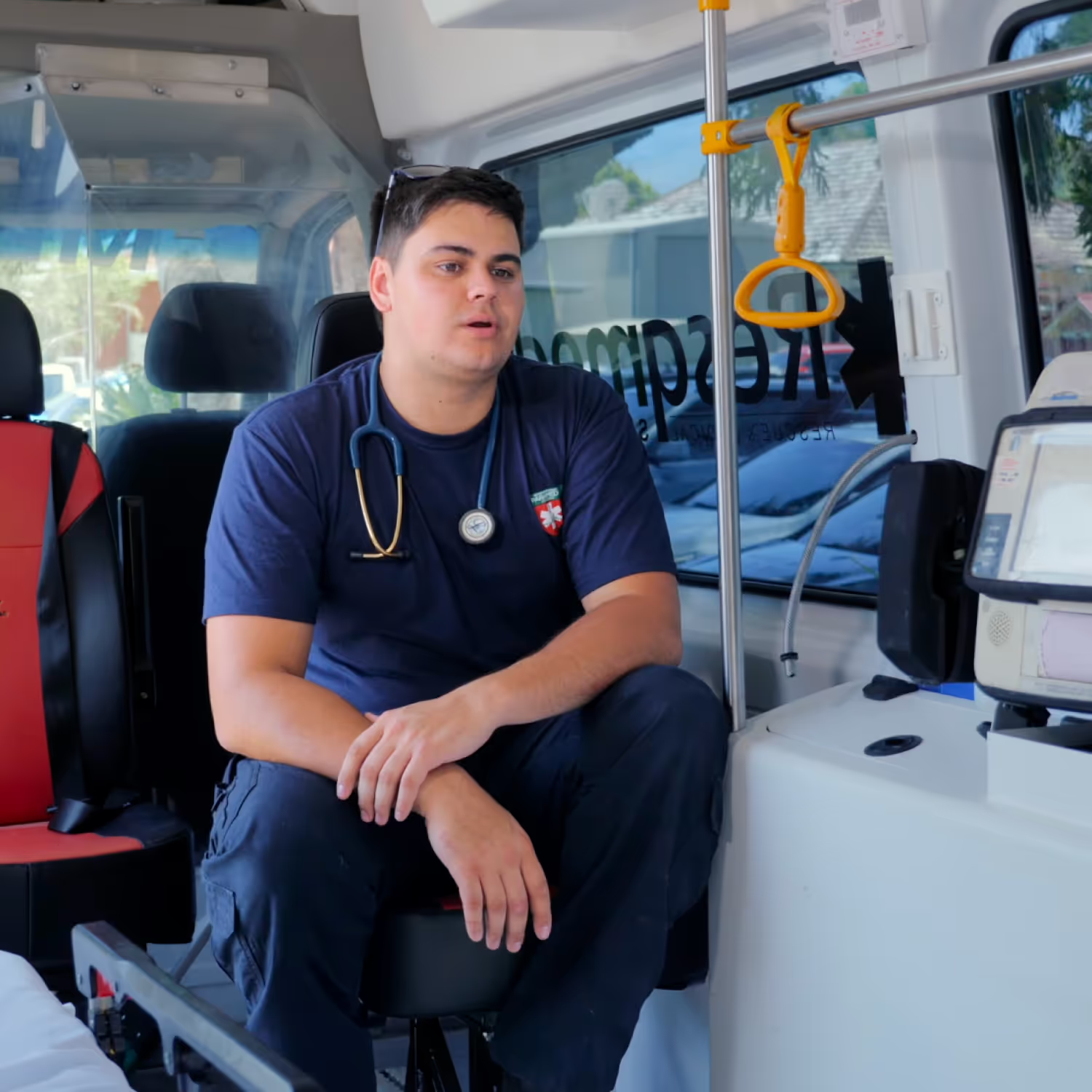
“I wanted training that felt real. The scenarios, feedback and support helped me build skills I can actually apply, especially when things get stressful.”
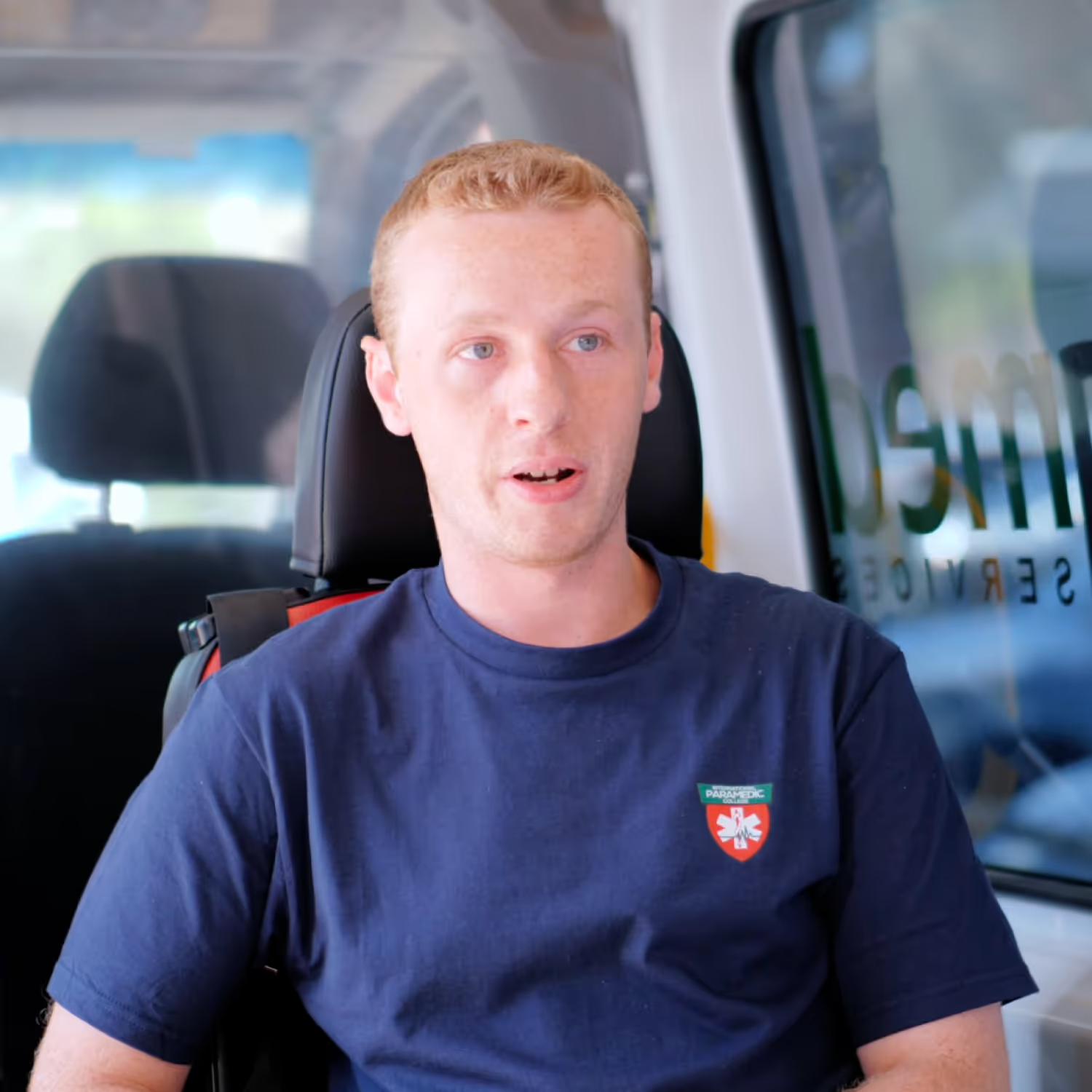
“What stood out was how approachable the team is. They teach in a calm, practical way and make sure you understand the ‘why’, not just the steps.”

“I learned more than skills - I learned how to think clearly under pressure. The practical training and feedback helped me feel ready for real-world situations.”

Take your first step into paramedicine
If you’re serious about building a future in emergency care, the right pathway matters. Our entry programs are designed to give you clarity, confidence and practical skills. Get started today.
Our licences
Our entry pathways are built around nationally recognised training and industry-aligned standards.

More insights and guides
These resources break down study options, real-world expectations and next steps, helping you make informed decisions as you plan your journey into emergency care.




FAQs
These FAQs answer the big entry questions, so you can plan your next step with clarity and confidence.
Do you need a degree to be a paramedic in Australia?
In most cases, yes. To work as a registered paramedic in Australia, you’ll usually need an approved tertiary paramedicine qualification (commonly a bachelor-level program) and to meet registration requirements. That said, many people don’t start with a degree straight away. An entry pathway can help you build foundational clinical knowledge, strengthen your confidence in patient care, and prepare you for the expectations of further study.
Can you become a paramedic without ATAR?
Yes. An ATAR isn’t the only way people move into paramedicine. Many students take alternative entry pathways that focus on skills, experience, and prior learning rather than a single score. A common approach is to start with structured training that builds health and emergency-care foundations, then use that momentum to transition into higher-level study options when you’re ready.
What qualifications do paramedics need in Australia?
Requirements can vary by role and employer, but for paramedic registration, you’ll typically need an approved paramedicine qualification and to meet professional standards. Along the way, many students build a strong base with first aid and CPR, patient assessment fundamentals, communication skills, and scenario-based decision-making.
What’s the best pathway to becoming a paramedic?
There isn’t a single “best” pathway, only the one that fits your background and goals. Some people move straight into higher-level study, while others start with an entry pathway that focuses on clinical fundamentals, emergency response skills, and health sector readiness. Starting with a structured pathway can help you confirm your career direction, build confidence, and transition into more advanced paramedicine study with a stronger foundation.
How long does it take to become a paramedic in Australia?
Timeframes vary depending on the pathway you choose and whether you study full-time or part-time. An entry pathway can take months rather than years, allowing you to develop essential skills early. From there, progressing into formal paramedicine qualifications is a longer-term commitment, but starting with the right pathway can make the journey more manageable and better aligned with your experience and lifestyle.
Get help starting your healthcare journey
If you’re exploring entry-level healthcare training, our team can guide you through enrolment, study options, and what to expect from this course.