



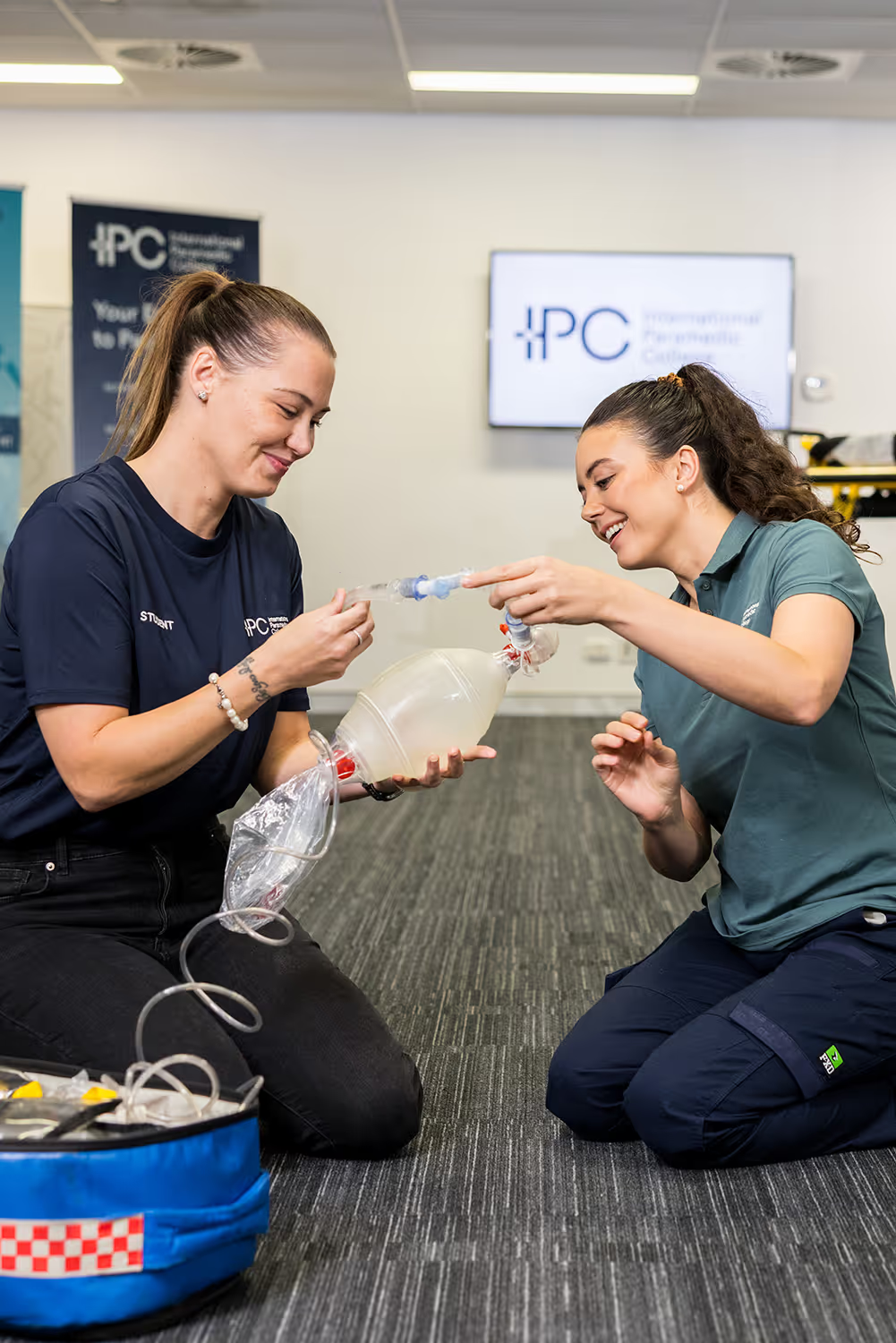
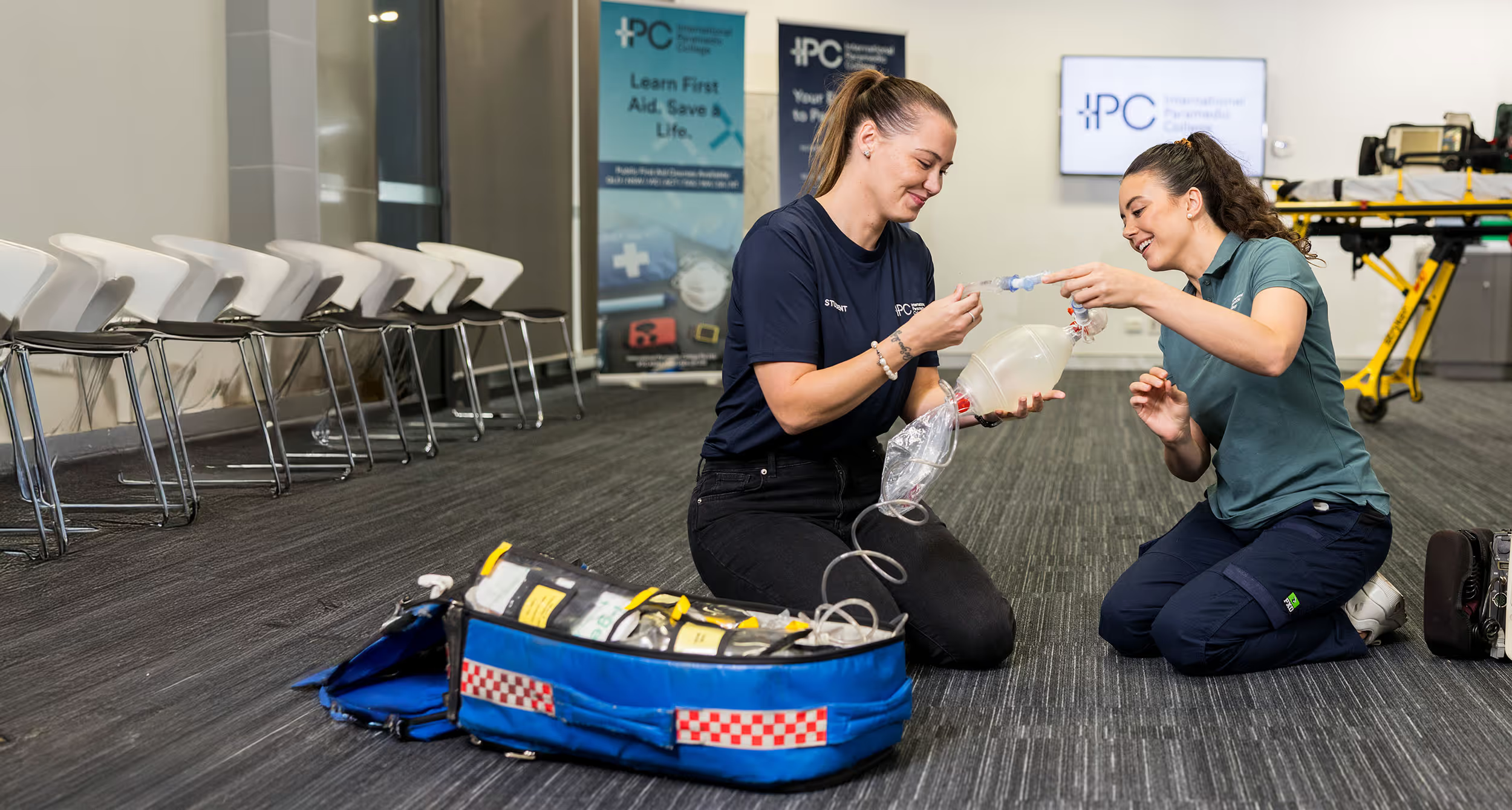
A fresh start into paramedicine
School leavers interested in paramedicine don’t all follow the same route. This guide breaks down realistic paramedic training for school leavers, explains the entry requirements for student paramedics, and outlines the steps to move forward.
Overview
Paramedicine is a hands-on profession, and many school leaver paramedic courses are designed to help students transition into further training at their own pace. Whether you’re building confidence, gaining foundational skills, or working toward a student paramedic programme, there are multiple ways to begin.
Who this pathway is for
- Students planning their next move after school
- Learners looking for structured, practical study options
- Those wanting clarity around paramedic requirements after high school
What this pathway involves
- Developing core health, safety, and communication skills
- Learning how emergency care environments operate
- Progressing through training that aligns with student paramedic entry requirements
- Preparing for future paramedic study through practical, supported learning
Where you can work
As you move through this pathway, opportunities may include:
- Community and event-based support environments
- Entry-level health or patient support roles
- Workplace safety and first aid–aligned positions
- Support roles that help build experience before advanced study
Skills required/skills you’ll develop
- Clear communication under pressure
- Teamwork and responsibility
- Problem-solving and situational awareness
- Study readiness and practical confidence
- A foundation for future paramedic training
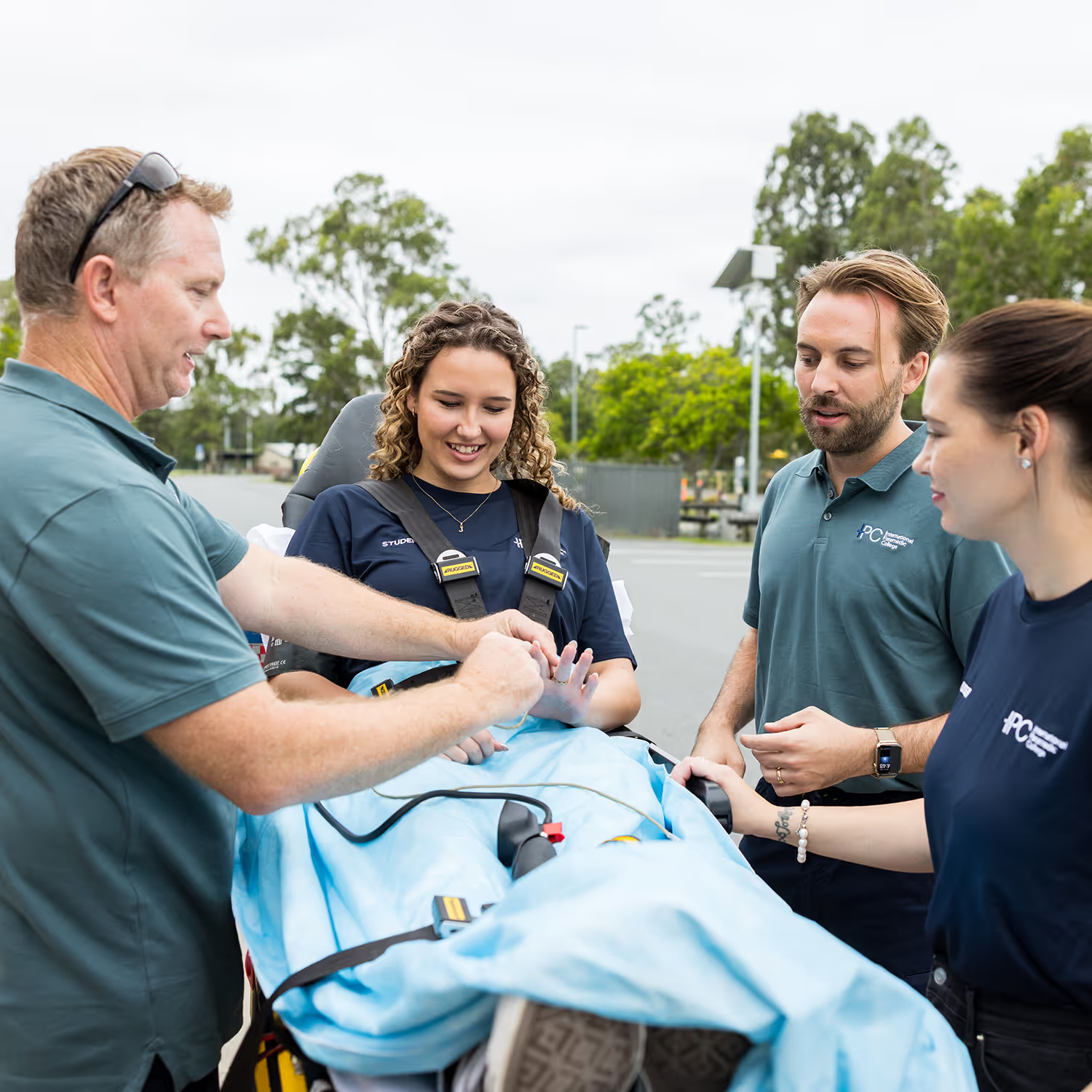


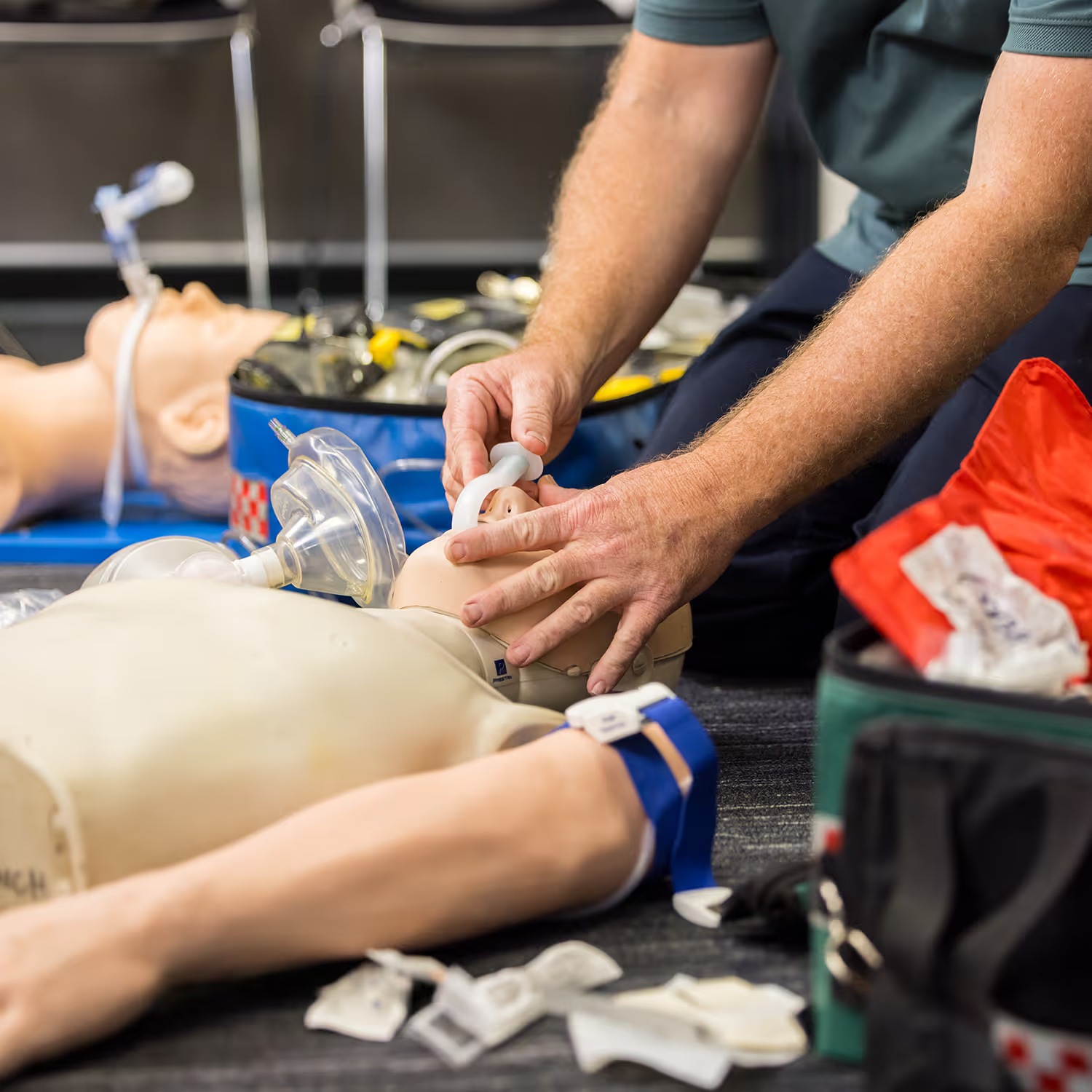
Why this pathway is a strong starting point
This pathway is designed to help you move forward with clarity, building practical skills and confidence while keeping long-term paramedic study options open.
A clear next step after school
You can begin developing relevant knowledge in health and emergency care while learning what paramedic work actually entails.
Practical learning that builds confidence
This pathway focuses on real-world skills, communication, and situational awareness, helping you feel more prepared for further study, training, or related roles.
Flexible options that grow with you
You can progress at a pace that suits your goals, whether you’re aiming to continue into advanced paramedic training or explore related health and first responder opportunities.
Recommended paramedic courses
These recommended courses are designed to support school leavers by introducing core healthcare concepts, emergency response skills, and hands-on learning that aligns with future paramedic pathways.
HLT31220: Certificate III in Basic Health Care
Entry-level healthcare training delivered online for flexible study across Australia.
Australia Wide
HLT31120: Certificate III in Non-Emergency Patient Transport (NEPT)
Train for patient transport work in a structured, supportive learning model.
HLT21020: Certificate II in Medical Service First Response
Ideal for entry-level responders needing real-world first response skills.
Australia Wide
From first steps to frontline-ready
Not sure where to begin? This course pathway shows a practical progression, from entry-level certificates through to advanced study.
A great starting point to build core health knowledge, workplace confidence, and basic patient-care awareness, ideal if you’re new to the industry.

Develop practical skills and stronger clinical foundations. This level often suits people ready to take on more responsibility and real-world learning.
Step up into higher-level clinical skills, decision-making, and structured assessment. A solid bridge into more advanced health and emergency-care pathways.
An advanced stage for learners who want deeper capability, broader scope, and stronger preparation for further paramedic-aligned training and roles.
Recommended first aid and CPR courses
First aid and CPR training play a crucial role in preparing for paramedic study and other emergency response pathways. These courses help you build essential life-saving skills and gain confidence in high-pressure situations.
HLTAID009: Provide Cardiopulmonary Resuscitation
Nationally recognised CPR training. Essential skills for the workplace, community and home.
HLTAID011: Provide First Aid
Nationally recognised First Aid training with online theory and face-to-face practicals.
HLTAID012 First Aid in an Education & Care Setting
Designed for educators and childcare workers, this course focuses on responding to emergencies involving infants and children, meeting ACECQA and regulatory requirements.
How to get started
Starting a paramedic pathway as a school leaver doesn’t have to feel overwhelming. With the right guidance, you can find your long-term solution.
Explore entry-level study options
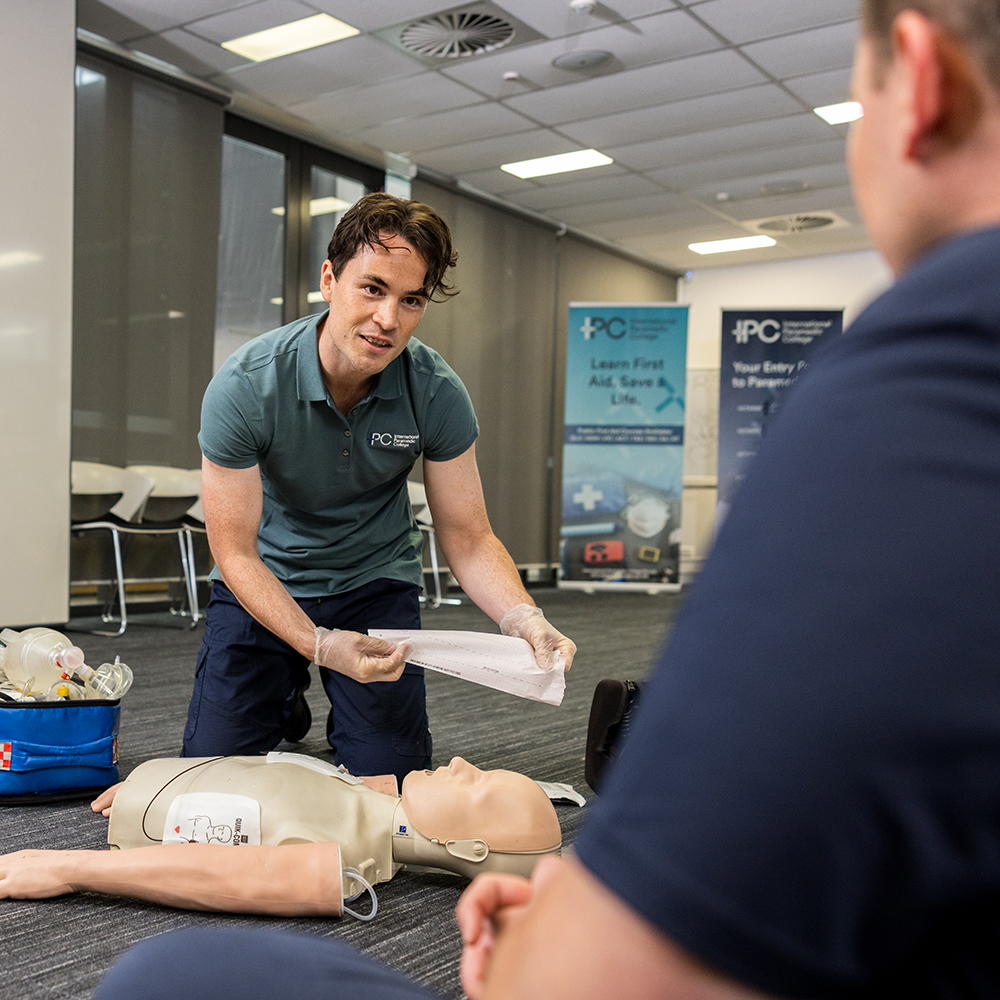
Begin by reviewing entry-level paramedic pathways designed to support learners transitioning from school. These options focus on foundational knowledge and exposure to emergency care concepts without requiring prior clinical experience.
Build core skills through structured training
Once enrolled, you’ll start developing essential skills, including patient communication, situational awareness, and basic clinical reasoning. Training is delivered online and through practical workshops.
Progress toward advanced paramedic pathways
As you complete each stage, you can move into higher-level courses that align with paramedic and emergency response careers.
Other entry pathways to explore
If you’re interested in emergency care but still exploring where you fit, several related pathways can help you reach your goal.
Start your career with IPC
Starting out can feel like a maze: courses, requirements, and “what comes next?” IPC makes it simple. We help you build the right foundations for paramedic training with practical, job-relevant learning.

Learn skills that actually translate
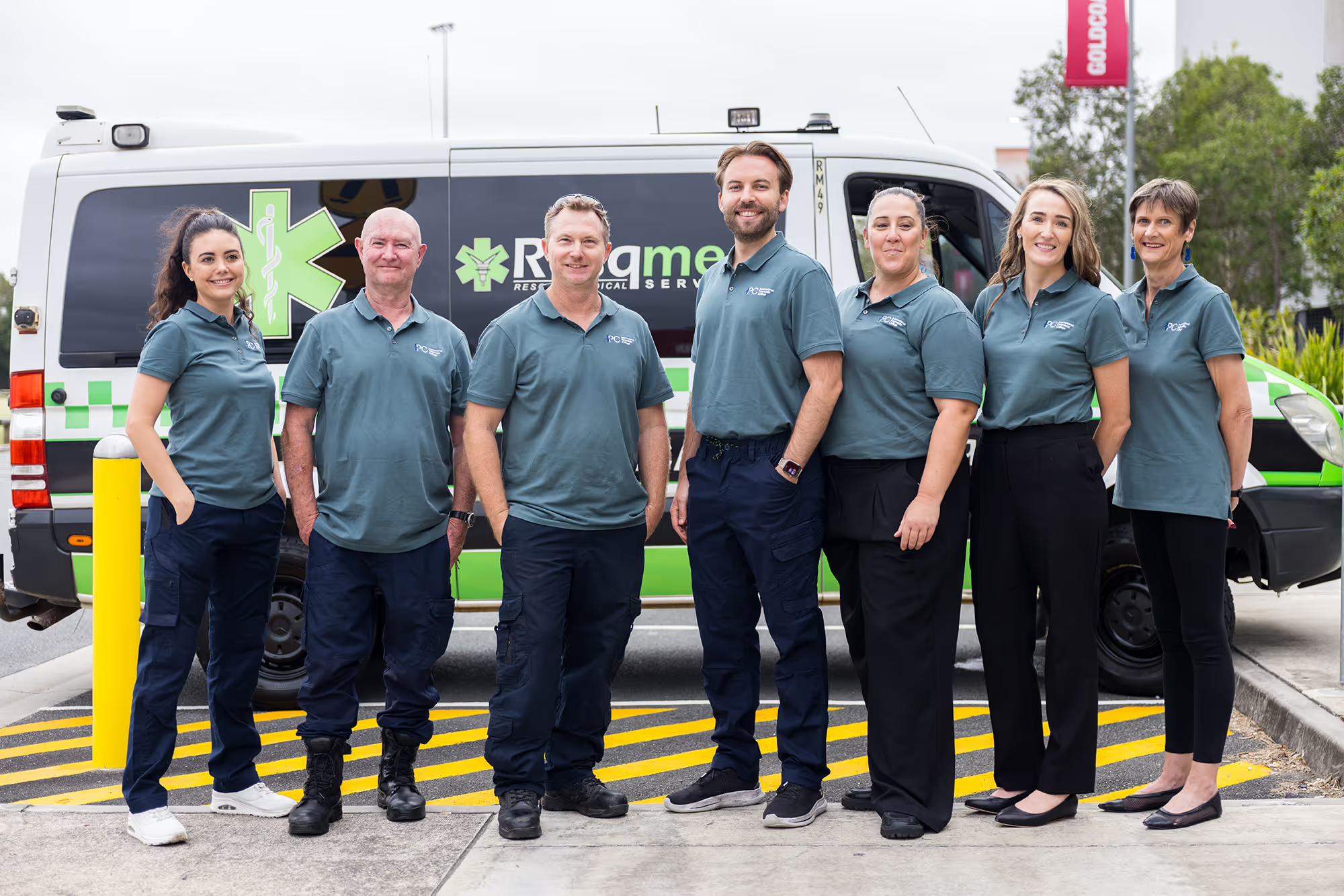
Training focused on real scenarios, so you’re not just learning theory, you’re building capability.

Support from day one
Friendly guidance, clear feedback, and a learning environment that helps you improve fast.

A pathway you can follow
We help you understand what to do next, including courses, experience, and steps towards paramedic roles.
Trusted training, backed by recognised standards
IPC training is delivered through nationally recognised units and built around real-world skill development.
Registered Training Organisation (RTO 45284)
International Paramedic College is an ASQA-approved Registered Training Organisation (RTO 45284) that delivers nationally recognised training and qualifications in Australia.

Nationally recognised qualifications
We deliver nationally recognised qualifications and accredited training that support real employment and workplace outcomes.
Certification you can use anywhere
Upon completing training, your results lead to a recognised certification that can be used for employment, workplace compliance, and further study.

What our students say
Choosing a paramedic pathway is a big decision, and hearing from people who’ve already taken that step can make all the difference.
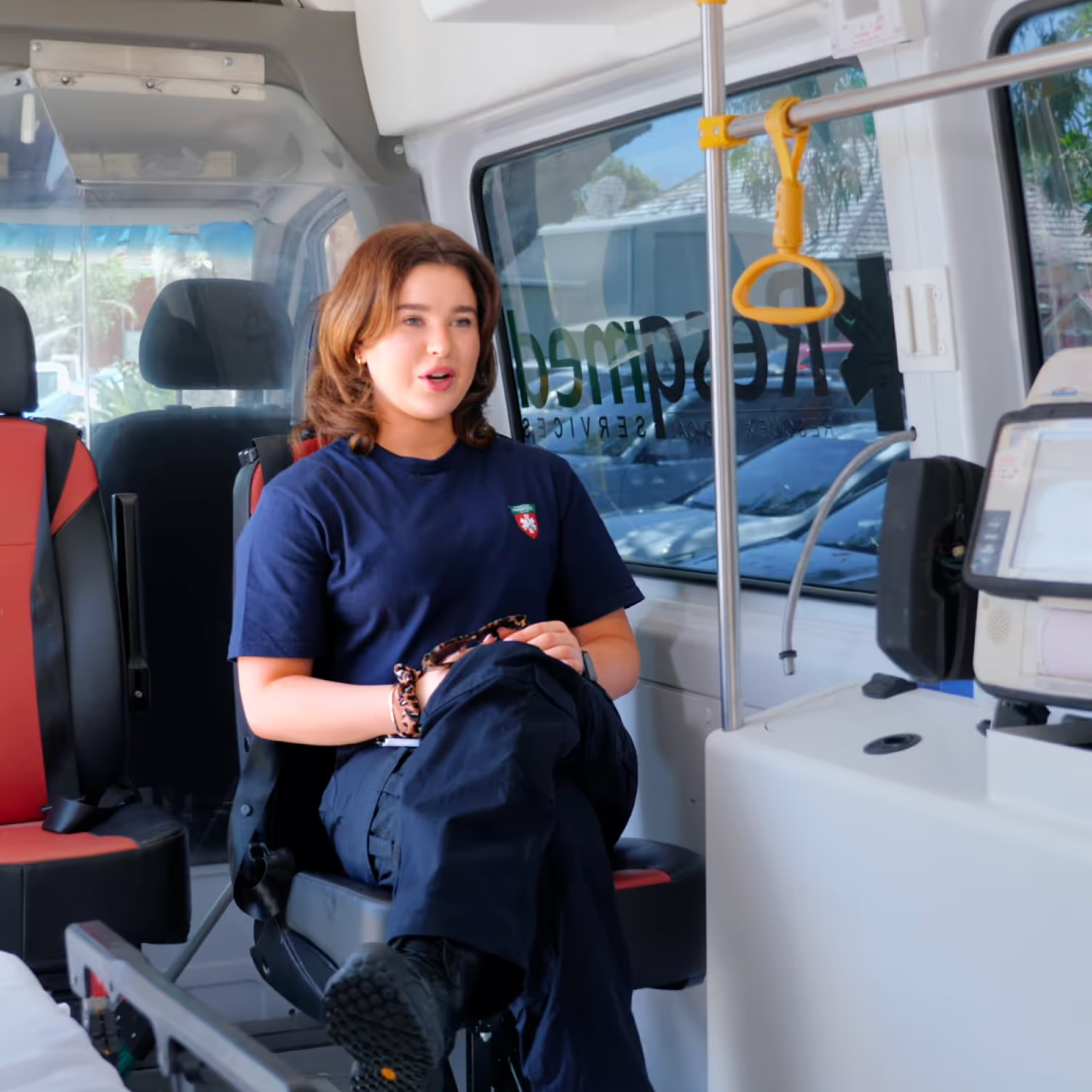
“IPC made learning feel achievable. The trainers explained things clearly, the practical sessions were hands-on, and I finished the course feeling genuinely more confident.”
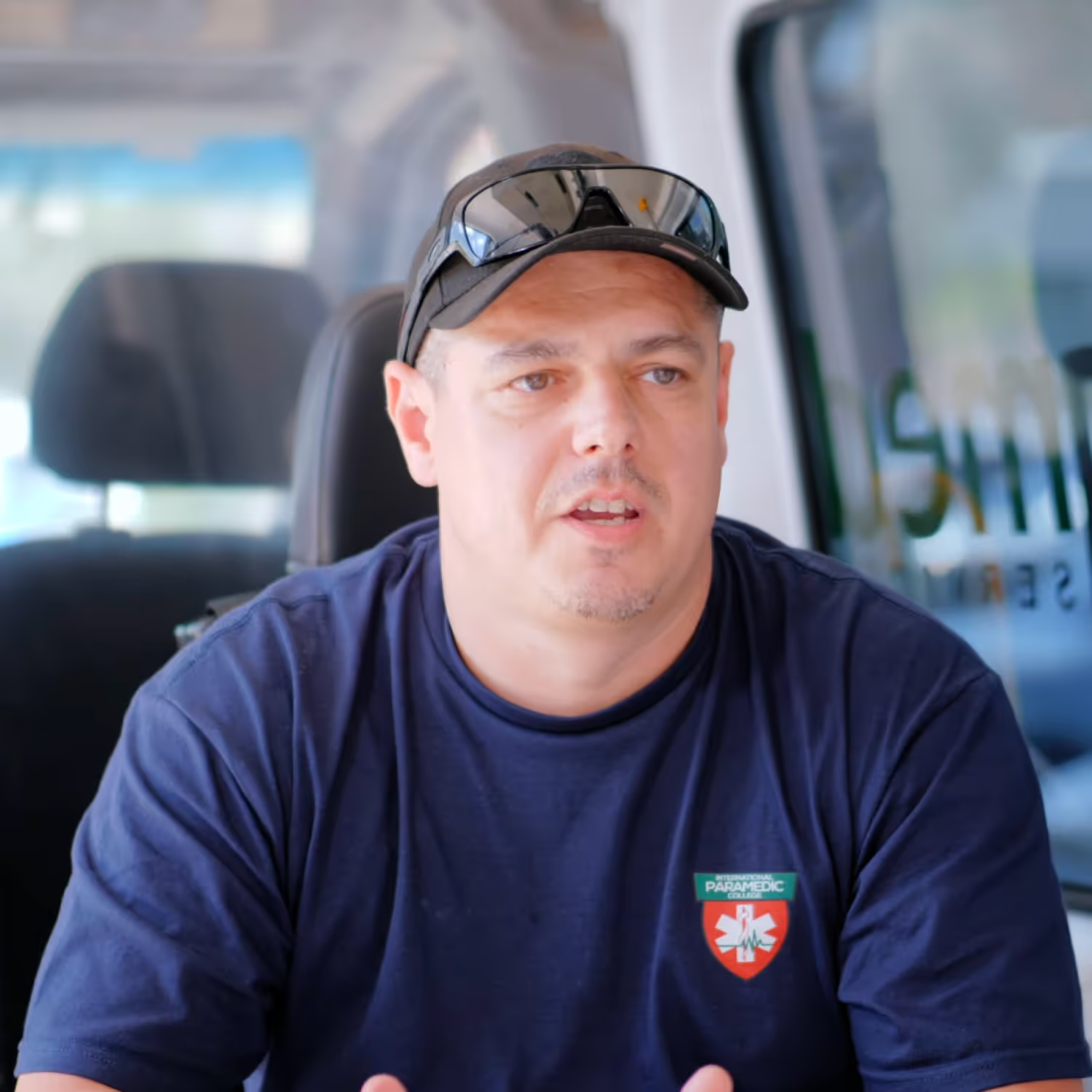
“I chose IPC because when I did research I found they had really good feedback from the students and students coming back to do more courses so I believe it’s the right school for me and the price was really good.”
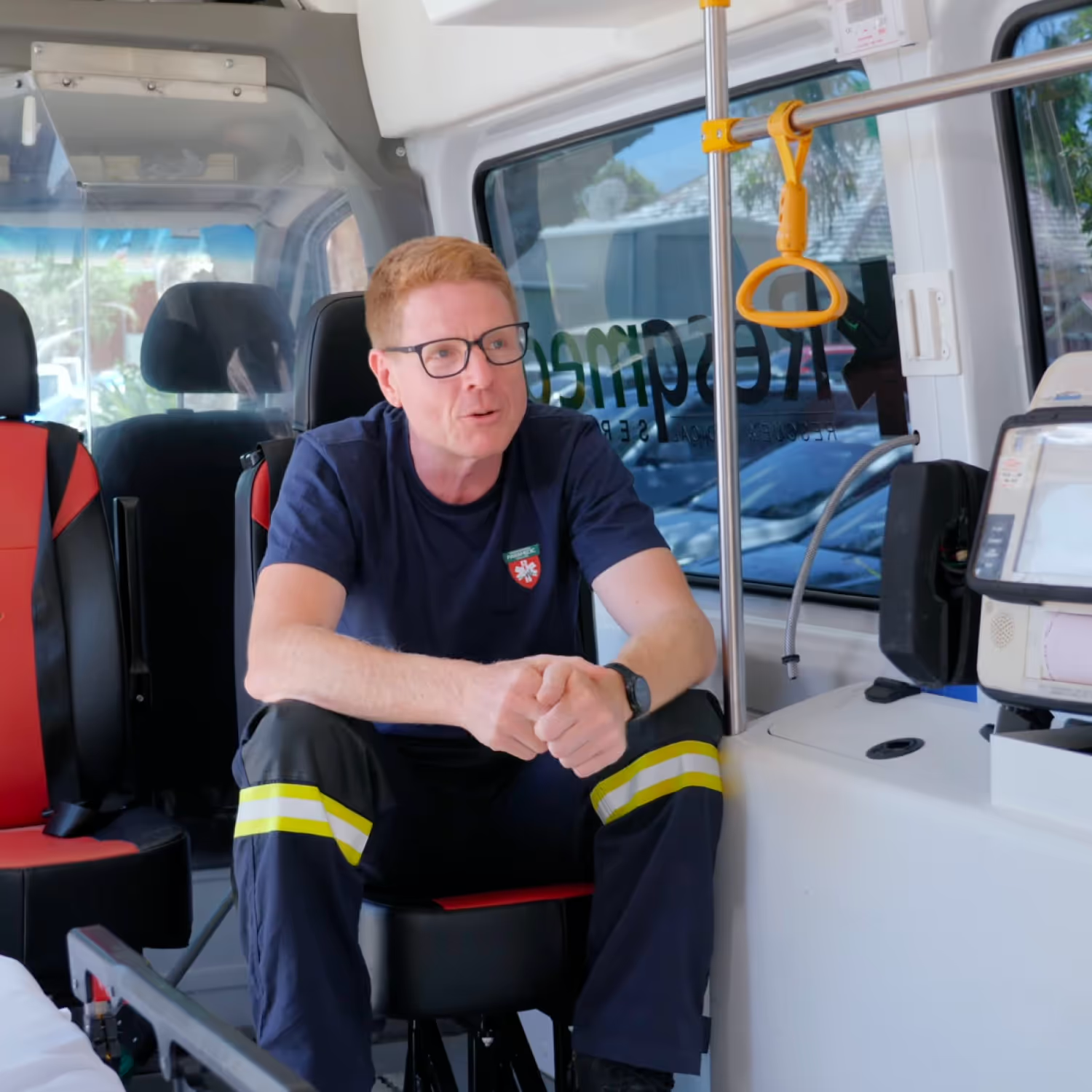
“The structure was straightforward and the support was there when I needed it. Workshops were practical, and I always knew what I was working toward.”
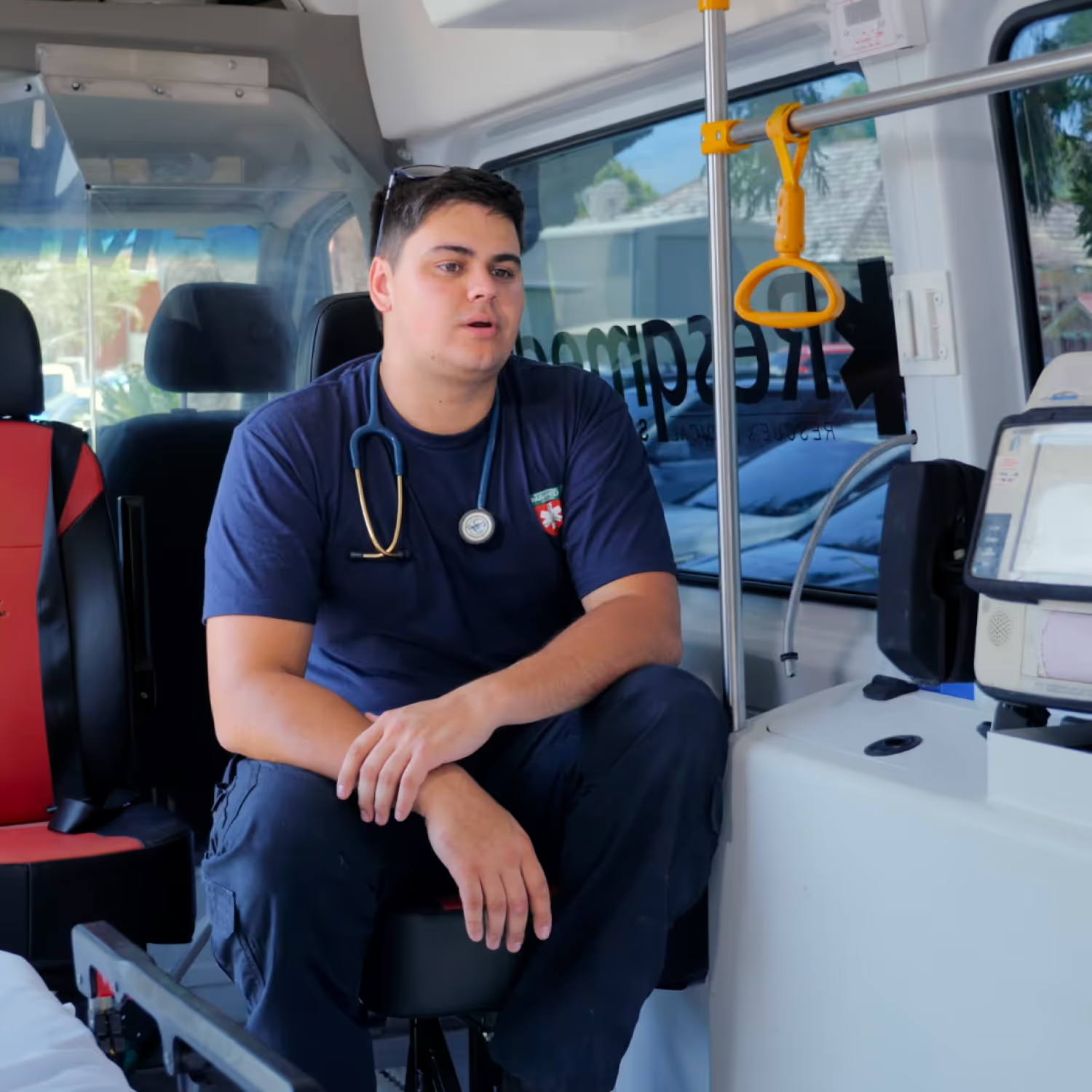
“I wanted training that felt real. The scenarios, feedback and support helped me build skills I can actually apply, especially when things get stressful.”
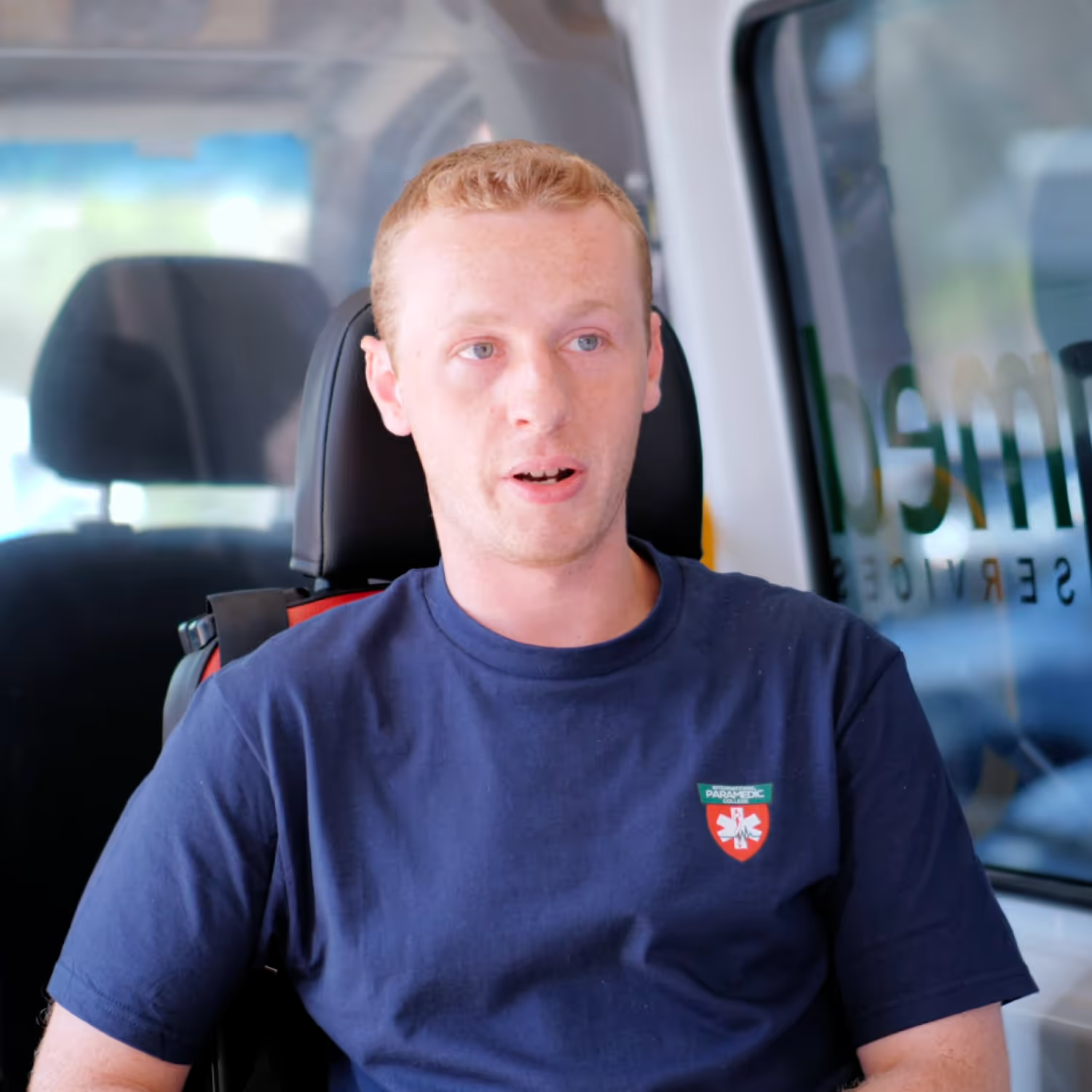
“What stood out was how approachable the team is. They teach in a calm, practical way and make sure you understand the ‘why’, not just the steps.”

“I learned more than skills - I learned how to think clearly under pressure. The practical training and feedback helped me feel ready for real-world situations.”

Ready to start your paramedic journey?
If you’re motivated to work in emergency care and want clear direction after school, we’re here to help you take the next step. Our team can walk you through entry-level options.
Our licences
Our pathways for school leavers and young students are built around nationally recognised training and industry-aligned standards.

Insights and guides
Exploring your options after school? These articles help you understand how to become a paramedic and what to expect along the way.




FAQs
Below, we’ve answered common questions about paramedic entry pathways for school leavers.
Do I need to finish high school to become a paramedic?
You don’t need to follow a single, fixed route to become a paramedic. While many people move into paramedic study after completing high school, there are alternative education and training pathways that can help you progress into paramedicine through vocational study and bridging options.
What paramedic training options are available for school leavers?
School leavers can start with entry-level health or emergency care qualifications before progressing into higher-level paramedic study. These pathways allow you to build foundational knowledge, practical skills and confidence before moving into more advanced training.
Are there specific high school subjects recommended for paramedics?
Subjects such as biology, health studies, mathematics and English can be helpful, as they support communication, critical thinking and basic medical understanding. However, a lack of specific subjects doesn’t close the door, many pathways focus on skill development rather than prior subject selection.
What are the student paramedic entry requirements in Australia?
Entry requirements vary depending on the course and provider. They may include literacy and numeracy assessments, basic fitness expectations, and a genuine interest in emergency care. Some programmes focus on readiness and commitment rather than academic history alone.
How long does it take to become a paramedic after leaving school?
The timeline depends on the pathway you choose. Many school leavers progress through certificates or diplomas before moving into paramedicine-related study, allowing them to gain experience and qualifications step by step rather than all at once.
Get help starting your healthcare journey
If you’re exploring entry-level healthcare training, our team can guide you through enrolment, study options, and what to expect from this course.