


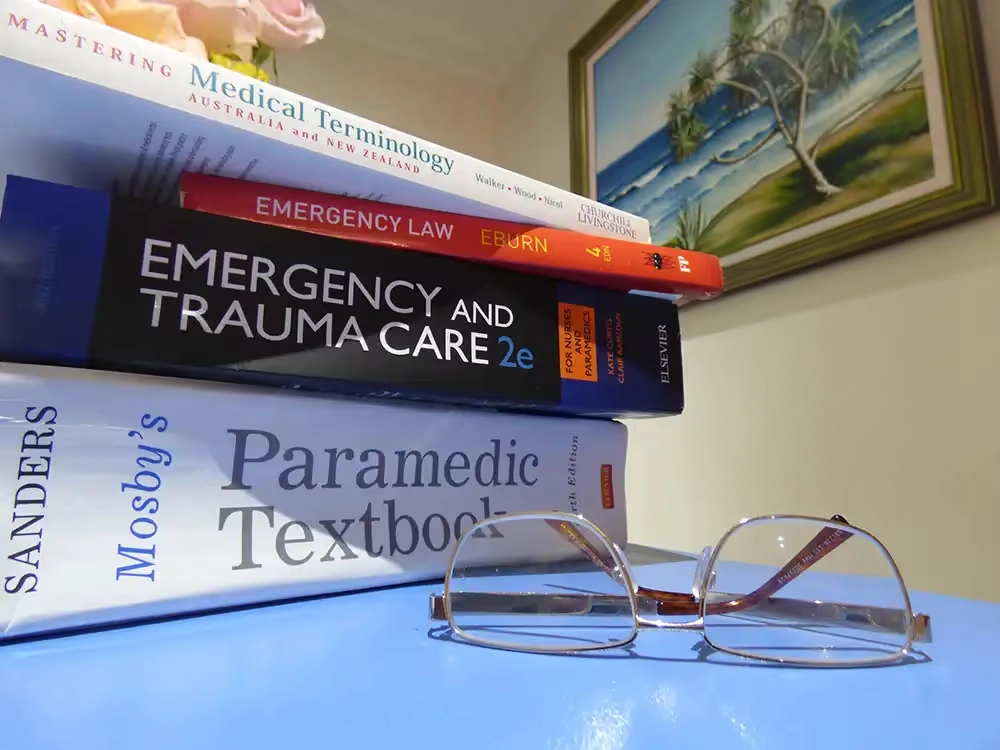
Vocational Education and Training (VET) in Schools plays an important role in helping students build practical skills, explore career pathways, and prepare for life after secondary school. For students interested in emergency health care, VET can provide an early, structured introduction to paramedicine and related roles.
This article explains what a VET course is, how VET paramedicine works in schools, and how it can support students who are considering a future in paramedical services.
Understanding VET in Schools
VET focuses on practical, job-ready learning. Unlike traditional classroom-based subjects, VET courses are designed to teach skills that directly relate to real workplaces and industries.
When delivered through a school-based program, VET allows students to:
- Complete a nationally recognised qualification while still at school
- Gain hands-on, skills-based training
- Develop employability skills valued across health and emergency services
Within the Australian education system, VET is recognised as an important pathway that supports diverse learning styles and career goals.
Why VET matters in the senior years of high school
The final years of high school are a key time for students to begin shaping their future. VET provides structure and practical experience during this period, helping students move forward with greater confidence.
Exploring paramedicine as a career path
For students drawn to emergency care, a VET paramedic pathway offers valuable insight into the realities of paramedicine. It introduces students to the responsibilities, expectations, and working environments associated with paramedical services.
This early exposure helps students make informed decisions about whether paramedicine aligns with their interests, strengths, and long-term goals.
VET can also open the door to roles outside ambulance services, such as event medic or emergency medical technician (EMT).
Practical, skills-based learning
Paramedicine relies heavily on practical capability. VET programs emphasise applied learning, allowing students to practise skills rather than simply learn theory.
This approach is particularly valuable for aspiring paramedical students, who benefit from developing:
- Hands-on first response skills
- Structured decision-making processes
- Confidence in practical scenarios
- Clear communication and teamwork habits
Supporting the transition to further study
VET also helps create a smoother transition from school to further education. Students who complete VET paramedicine courses often enter future training with a stronger understanding of healthcare environments and expectations.
This foundation can support success in higher-level health and emergency care qualifications.
VET in schools for paramedical pathways
VET in Schools provides a structured introduction to paramedical pathways by combining foundational health knowledge with practical skill development. Rather than focusing solely on theory, these programs help students understand how emergency care principles are applied in real settings, while building the confidence and discipline required for future training in paramedicine and related emergency health roles.
Building fundamental emergency care skills
Paramedicine requires a strong base of core skills. A paramedic VET course focuses on developing these foundations, including:
- Basic first aid and patient care
- Initial patient assessment
- Infection control and safety procedures
- Responding to medical emergencies
These skills form the groundwork for further paramedic training and related health roles.
Exposure to realistic training scenarios
One of the key strengths of VET is its focus on realistic learning environments. Through practical activities and simulated scenarios, students experience how emergency care principles are applied in real situations.
This type of training helps students build confidence, composure, and structured thinking, all essential qualities in paramedical services.
Industry-recognised qualifications
Students who complete VET courses receive nationally recognised certifications. For students interested in paramedicine, commonly aligned qualifications include:
- HLT31220 Certificate III in Basic Health Care
- HLT21020 Certificate II in Medical Service First Response
These qualifications validate a student’s skills and knowledge and can be completed 100% online, making them accessible to students across Australia.

VET Courses for paramedicine: key options
Choosing the right course depends on a student’s goals and level of readiness.
Certificate II in Medical Service First Response (HLT21020)
This qualification is well-suited to students who want an introduction to emergency response and first response skills.
- Focuses on emergency readiness and response principles
- Builds confidence in practical emergency care tasks
- Supports students exploring paramedical or first responder pathways
Certificate III in Basic Health Care (HLT31220)
This course provides a broader health care foundation and is often chosen by students who want a stronger base before progressing further.
- Covers essential health care knowledge and practical skills
- Supports progression into advanced health or emergency care training
- Builds a solid platform for ongoing paramedic education
The role of ATAR in VET paramedicine pathways
The Australian Tertiary Admission Rank (ATAR) is commonly associated with university entry, but its role in VET pathways is often misunderstood.
ATAR as one part of the picture
In some cases, ATAR may be considered when students move from VET into further education. However, VET providers and training organisations typically take a broader view of student readiness.
A holistic approach to assessment
Rather than focusing solely on academic ranking, pathways into paramedicine often consider:
- Completion of relevant VET qualifications
- Demonstrated interest and commitment to the field
- Practical skills and learning engagement
This holistic approach is ideal for school leavers and recognises that success in paramedicine depends on practical capability, not just academic results.

Why VET is a strong starting point for paramedicine
VET in Schools offers students a structured and supported way to begin building skills for a future in emergency health care. It provides:
- Early exposure to paramedical concepts
- Practical learning aligned with real-world expectations
- Nationally recognised qualifications
- Clearer direction for future study and training
For many students, VET paramedicine is not just an educational option; it is a meaningful first step toward a career that makes a real difference.
Moving forward after VET
Completing a paramedic VET course in school does not lock students into a single pathway. Instead, it opens doors to further training, informed decision-making, and continued skill development.
Students who complete VET in Schools programs are often better prepared to progress into advanced health care or emergency response training, with confidence built through practical experience.
Start your VET course at International Paramedic College
For those considering paramedicine, starting with VET courses for paramedicine allows skills, confidence, and clarity to develop early, supporting a smoother transition into further training and a fulfilling career in emergency health care. If you're ready to start your journey, contact International Paramedic College today.
Table of contents