


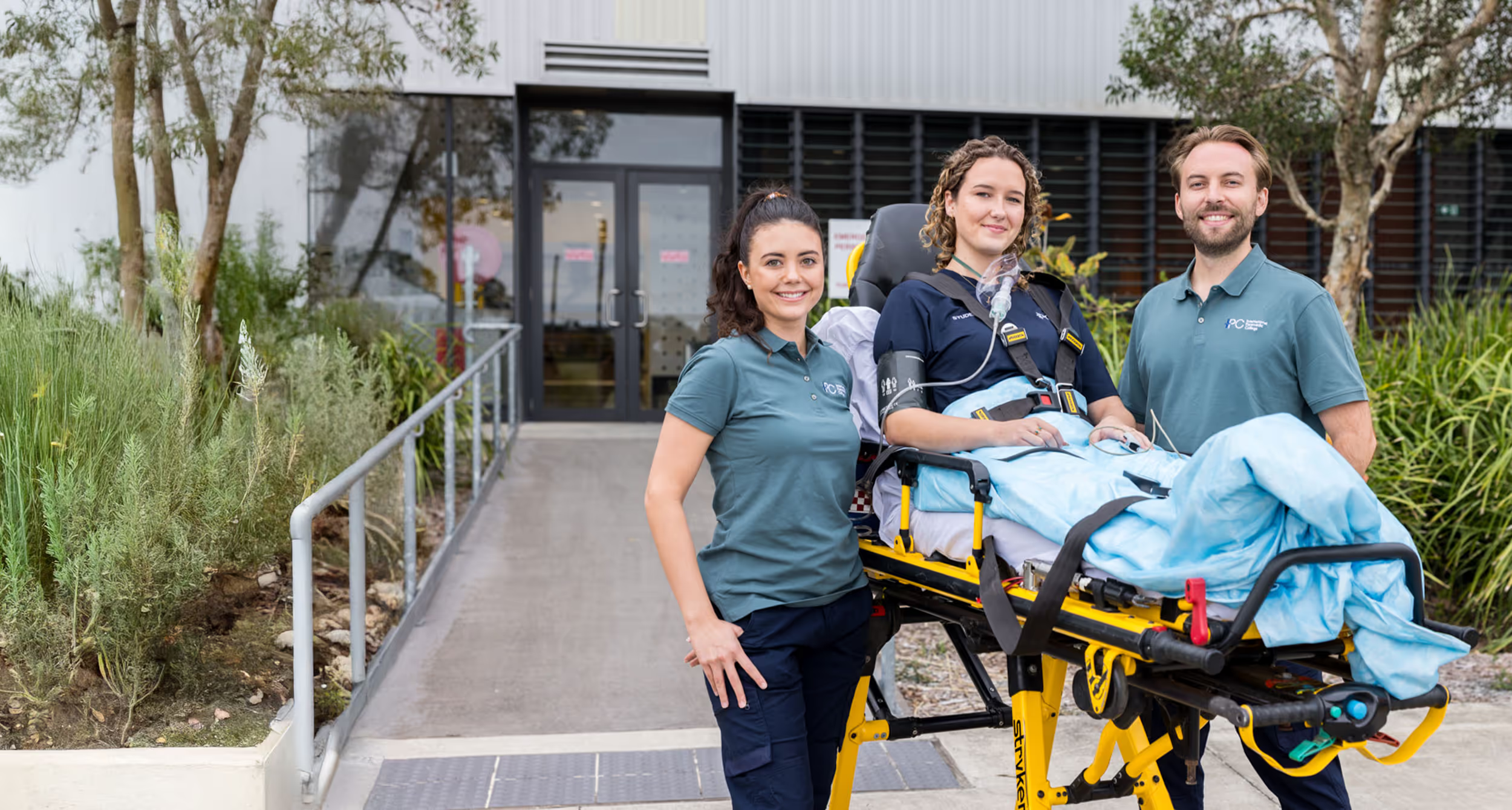
What is the HLTAID013 Provide First Aid in Remote or Isolated Sites Course?
This nationally recognised first aid course prepares you to manage a medical situation in a remote area, provide extended care to a casualty, and coordinate communication and evacuation when required.
Whether you work on a mine site, construction, outdoor recreation, agriculture or community services, this remote first aid training ensures you can confidently provide first aid in remote environments.
- Nationwide first aid qualification
- Flexible study options; web-based and in-person
- Delivered by industry-experienced trainers




.svg)







Entry requirements
No formal prerequisites.
- Reasonable literacy and numeracy skills.
- Basic computer and digital literacy skills and reliable internet.
- The ability to perform at least 2 minutes of uninterrupted single rescuer cardiopulmonary resuscitation (CPR) (5 cycles of both compressions and ventilations) on an adult resuscitation manikin placed on the floor.
- Photo ID required for the online study first aid assessments.
- Must be 18+ (under 18 permitted with guardian consent).
Become a Remote Site First Aider
Throughout this HLTAID013 Provide First Aid in Remote or Isolated Site Course, you will develop the advanced skills and knowledge to:
- Conduct a thorough risk assessment of a remote or isolated site
- Deliver effective CPR and resuscitation in line with Australian Resuscitation Council guidelines
- Manage trauma, environmental injuries and medical conditions in a remote area
- Provide extended first aid care until emergency services arrive
- Monitor and reassess a casualty over time
- Plan and assist with evacuation from a remote site
- Document and report the situation
This training ensures you can confidently provide first aid in remote situations where resources are limited and conditions may be challenging.
Course Delivery
This course includes both a web-based and a practical unit to complete.
Online Pre-Course Learning (12-16 hours)
What is this unit?
The online pre-course learning is the theory component of HLTAID009, HLTAID011 and HLTAID013 Provide First Aid in Remote or Isolated Sites. It prepares students with the essential remote first aid knowledge required before attending the practical training session.
Why it matters
In a remote or isolated site, emergency services may be delayed, limited or difficult to access. Understanding environmental risks and prolonged care principles is critical to delivering safe and effective first aid in remote situations.
What you’ll learn
Students complete enhanced remote-first-aid theory modules covering environmental hazards, risk management and prolonged-care considerations. The content explores how to assess a remote situation, manage a casualty over extended periods, and plan for evacuation where required.
How you’ll be assessed
Assessment during the online component includes structured knowledge assessments designed to confirm understanding of remote first aid theory, environmental factors and prolonged-care management. All online content must be successfully completed prior to attending the practical training session.
Practical benefit
By completing the online pre-course learning, students gain the foundational knowledge required to confidently provide first aid in remote or isolated site situations. It ensures participants arrive at practical training ready to apply their skills, make informed decisions and manage situations.
Practical Course Learning (7.5 hours)
What is this unit?
The practical course learning component of HLTAID013 Provide First Aid in Remote or Isolated Site is the hands-on training session where students apply their remote first aid skills in realistic, scenario-based environments.
Why it matters
Remote or isolated site emergencies often involve prolonged care, limited resources and complex decision-making. Practical training ensures students can confidently respond to high-pressure situations, manage casualties over extended periods and adapt to challenging environmental conditions.
What you’ll learn
Students take part in hands-on, scenario-based training covering prolonged patient care, multi-casualty and triage situations, life-threatening bleeding, adult and infant CPR with AED use, temperature-related emergencies, major trauma cases and remote communication challenges for emergency coordination and evacuation.
How you’ll be assessed
Assessment is conducted through practical demonstrations and simulated first aid scenarios. Students must demonstrate competency in CPR performance, casualty management, bleeding control, trauma response, triage processes and prolonged care strategies in line with remote first aid requirements.
Practical benefit
By completing the practical training, students develop the confidence and capability to provide first aid in remote or isolated site environments. Graduates leave prepared to manage serious emergency situations, stabilise casualties during prolonged care periods and coordinate evacuation when required.
Delivery & assessment
Delivery format
This first aid course uses a blended delivery model:
- Self-paced online learning for theory components
- Face-to-face or video-based practical assessment with qualified first aid trainers
This flexible course delivery allows students to complete training efficiently while still meeting practical competency requirements.
Assessment method
Assessment for HLTAID013 Provide First Aid in Remote or Isolated Site includes:
- Completion of online knowledge questions
- Practical demonstration of CPR and resuscitation
- Scenario-based assessment in a simulated remote or isolated site
- Demonstrating the skills and knowledge required to manage a prolonged situation
You must successfully complete both theory and practical components to receive your nationally recognised statement of attainment.
Career pathways
This aid in remote or isolated environments course is ideal for:
- Mining and resource workers
- Construction and infrastructure teams
- Outdoor recreation leaders
- Agricultural and regional workers
- Community and humanitarian responders
- Anyone responsible for safety at a remote site
If you work in an area where medical assistance may be delayed, this course ensures you can confidently provide first aid when it matters most.
Paramedical pathways
These pathways allow students to build on their first aid skills and continue developing a career in health, safety or emergency services.
- HLTAID012 Provide First Aid in an Education & Care Setting
- PUAEME008 Provide Pain Management
- HLTAID015 Advanced Resuscitation
- Certificate II - HLT21020 Certificate II in Medical Service First Response
- Certificate III - HLT31220 Certificate III in Basic Health Care
- Certificate III - HLT31120: Certificate lll in Non-Emergency Patient Transport NEPT
- Certificate IV - HLT41120 Certificate IV in Health Care (First Responder / EMT Medic)
- Diploma - HLT51020 Diploma of Emergency Health Care
- Bachelor of Paramedic Science (University)
Certification and validity
Upon successful completion of HLTAID013 Provide First Aid in Remote or Isolated Site, you will be awarded HLTAID013 Provide First Aid in Remote or Isolated Site units, HLTAID009 Cardiopulmonary Resuscitation and HLTAID011 Provide First Aid under the Australian Qualifications Framework (AQF), due to overlapping unit requirements.
Safe Work Australia’s Model Code of Practice: First Aid in the Workplace. This code states that first aid qualifications should be renewed every 3 years to ensure first aiders maintain their competence and stay up to date with current practices. The Australian Resuscitation Council (ARC) provides guidelines on resuscitation practices. The ARC does recommend that CPR skills be refreshed annually to maintain proficiency.
- HLTAID013—Provide First Aid in Remote or Isolated Site valid for 3 years
- HLTAID011—Provide First Aid valid for 3 years
- HLTAID009—Cardiopulmonary Resuscitation valid for 1 year
Who should take this course?
This course is designed for people who work or travel in remote or isolated environments where emergency services may be delayed.
It is ideal for remote site workers, FIFO personnel, outdoor guides, industrial teams, remote medics and anyone responsible for providing first aid in remote or isolated site situations requiring prolonged care and evacuation planning.
Locations
IPC delivers First Aid classes several times per week across Northern NSW.
- Venue details and maps provided on enrolment
- Group and workplace training available on request
Pricing
$345
Included costs
$35 non-refundable administration fee per booking
- Rebooking fee applies if changed within 5 business days
- Non-attendance with notice: $35 re-enrolment fee
- Non-attendance without notice: full course fee required to book again
- Employer invoices incur a $45 administration fee
- All changes must be made via email or the student portal
Additional student costs (if required)
- Travel and Accommodation expenses
Secure your remote first aid training session
Find upcoming training designed for remote and high-risk environments. Review practical workshop dates and choose a course that fits your location and availability.
Watch our student testimonials
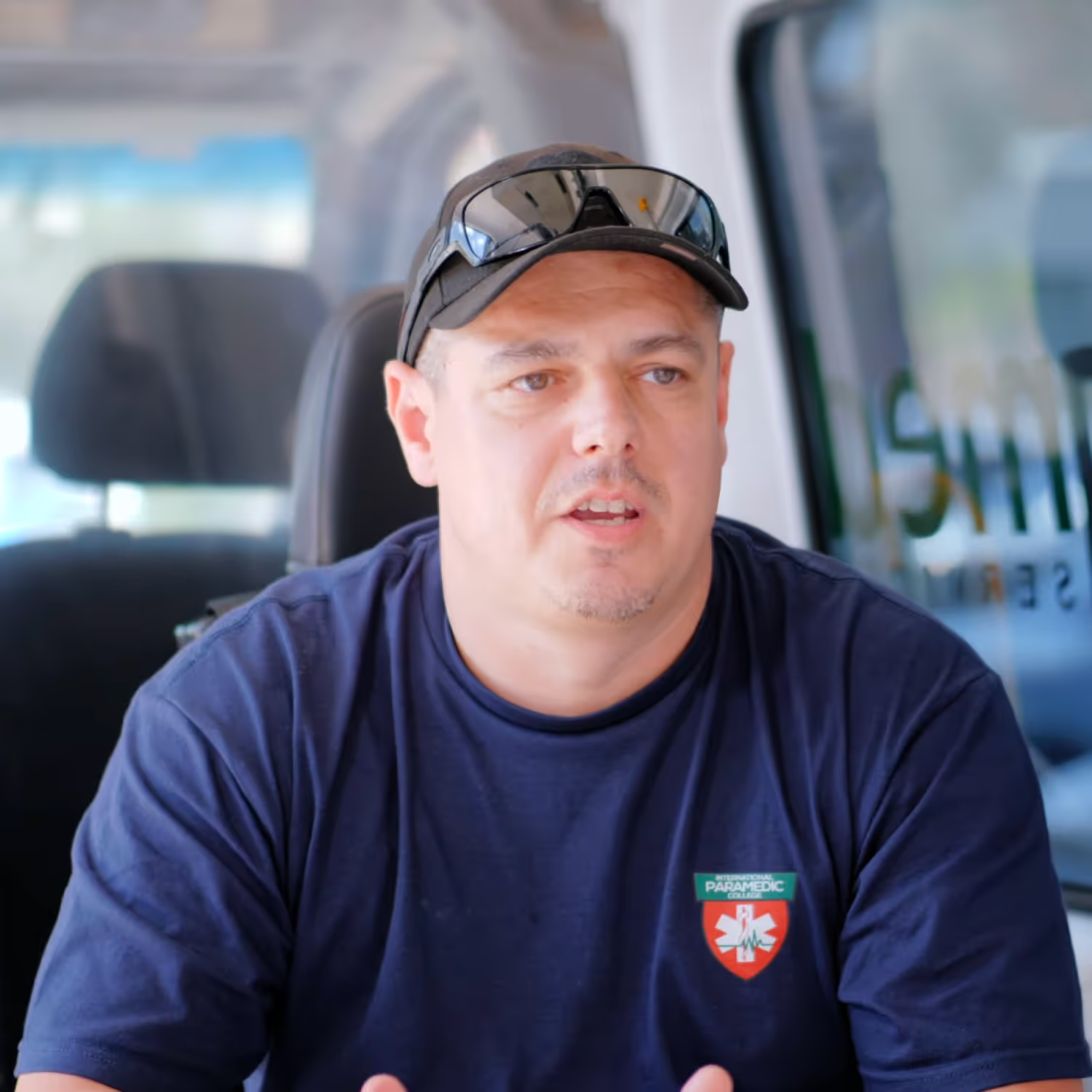
“I chose IPC because when I did research I found they had really good feedback from the students and students coming back to do more courses so I believe it’s the right school for me and the price was really good.”


Trusted first aid provider for leading Australian brands









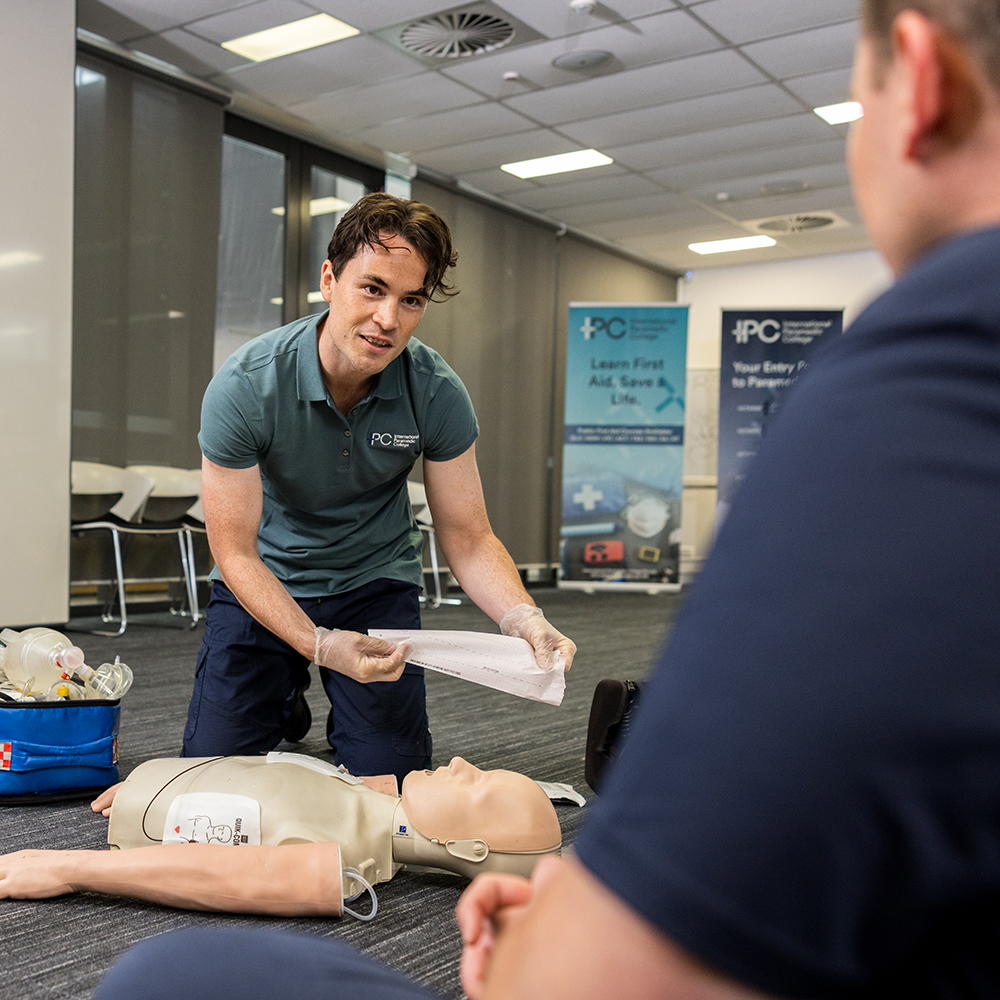
How remote first aid training is delivered
Prepare for emergency situations in high-risk or isolated environments with a structured and flexible training approach.

Secure your training spot
Choose a course date that suits your work location or roster.
Complete remote-focused theory
Learn how to manage incidents where help may be delayed or limited.
Undertake practical assessment
Apply your skills in realistic scenarios designed for remote conditions.
FAQs
Have questions about the HLTAID013? Below you’ll find answers about entry requirements, recognition, assessments, and what you can do after completion.
Do I need any prior experience to enrol in the HLTAID013 Provide First Aid in Remote or Isolated Sites Course?
No prior first aid experience is needed, but completing a basic first aid course beforehand can help you get the most from the practical scenario-based learning.
Is HLTAID013 Provide First Aid in Remote or Isolated Site nationally recognised?
Yes. HLTAID013 Provide First Aid in Remote or Isolated Site is a nationally recognised certificate and meets current industry and workplace requirements across Australia following the Australian Resuscitation Council guidelines.
Why is this course important?
It equips participants with the skills to provide effective first aid in remote environments, ensuring patient safety, timely care, and confidence in emergency situations where professional help may be delayed.
How long does the first aid certificate last?
First-aid certification is generally valid for 3 years. However, CPR components (HLTAID009) are recommended to be refreshed annually in line with industry best practice.
Who needs to complete this course?
It’s ideal for remote workers, FIFO staff, outdoor guides, industrial teams, and anyone responsible for first aid in locations where emergency services may take time to arrive.
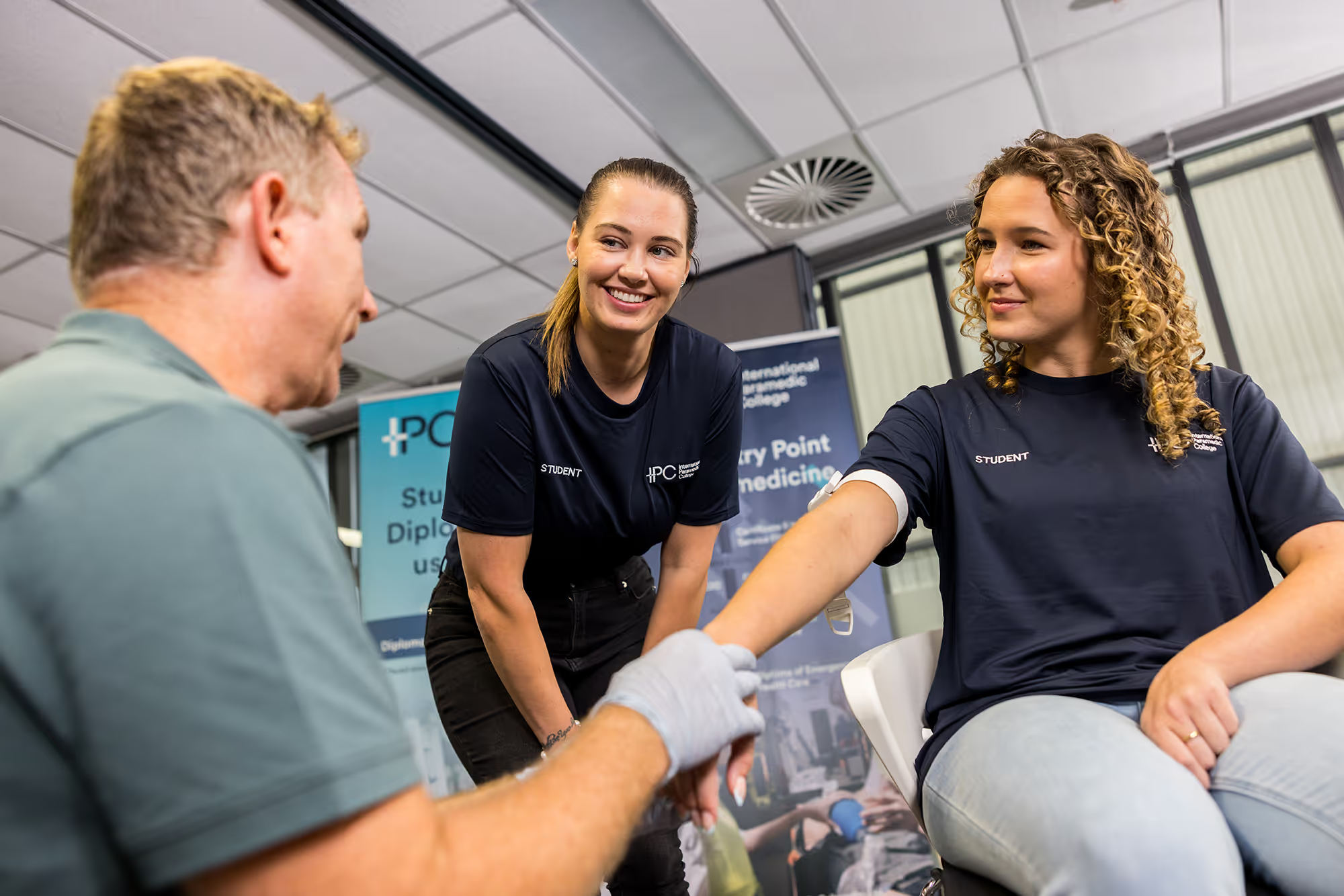
Remote and site-based first aid training
Deliver first aid training tailored to remote worksites, field teams, and high-risk environments. We can coordinate on-site sessions to suit your operational needs.
See remote first aid scenarios up close
Discover how training is adapted for remote environments, where fast decision-making and resourcefulness are critical.
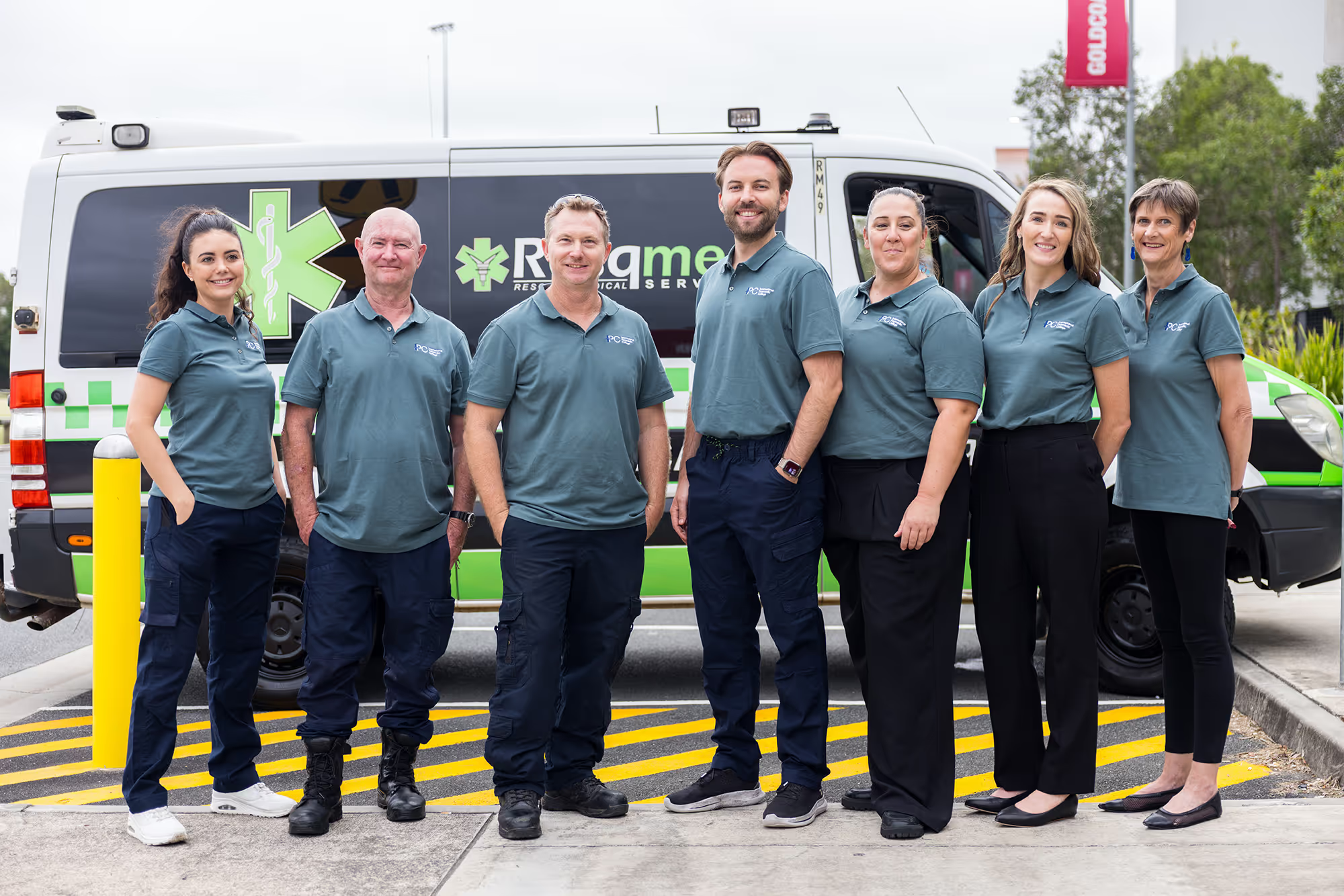

Built for high-risk and remote environments
Learn how to respond when emergency services may be delayed or unavailable.

Advanced decision-making under pressure
Develop the skills to assess, prioritise, and manage incidents in challenging conditions.

Practical training for real-world isolation scenarios
Covers communication, evacuation planning, and extended patient care in remote settings.
Accredited training, real outcomes
Our courses are nationally recognised and delivered under strict compliance standards, so you can study with confidence and graduate with qualifications employers value.
Registered Training Organisation (RTO 45284)
International Paramedic College is an ASQA-approved Registered Training Organisation (RTO 45284) that delivers nationally recognised training and qualifications in Australia.
Nationally recognised qualifications
We deliver nationally recognised qualifications and accredited training that support real employment and workplace outcomes.
Certification you can use anywhere
Upon completing training, your results lead to a recognised certification that can be used for employment, workplace compliance, and further study.

Take the next step into healthcare
Ready to move towards a career in healthcare? Secure your place and start building the skills, experience, and confidence needed to work in real clinical environments.
Unsure where to start? Download your free course guide and talk to a course advisor today

Learn from trainers with field experience
Our trainers understand the challenges of remote work and deliver training grounded in real-world emergency scenarios.
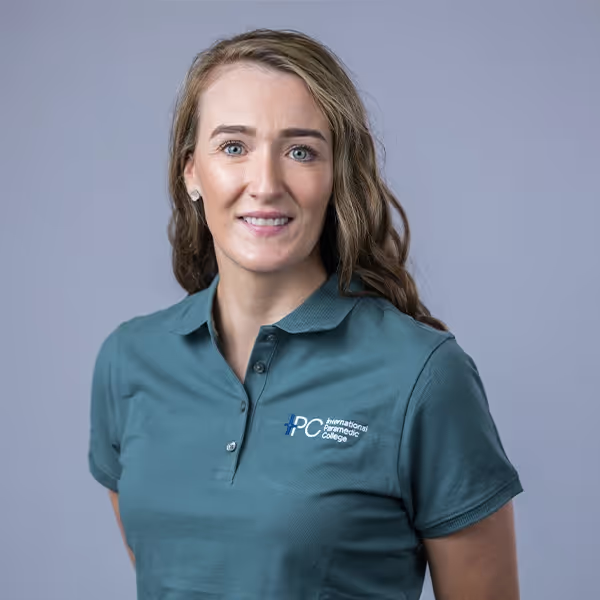
Susan Devlin
Susan Devlin is the CEO of IPC, bringing over 20 years of leadership experience across vocational education and RTO management. She is passionate about building accessible training pathways that help people step into health and emergency services.

Kel Gale
Kel’s professional background spans training across the pre-hospital health care, maritime and tourism sectors, with a strong focus on providing practical, efficient, evidence-based education.

Lisa Bailey
Lisa Bailey is IPC’s Head of Product and WHS Officer, responsible for developing and refining learning resources across the organisation. She uses modern tools and technologies to create engaging and effective training experiences.

Reahanna Clark
Reahanna Clark is IPC’s Course Advisor, supporting new and continuing students as they navigate their training and career pathways in emergency health care. With over five years of RTO experience and a background in health sciences, she provides helpful guidance on course selection, enrolment, credit transfers, and RPL applications, helping students feel confident throughout their study journey.
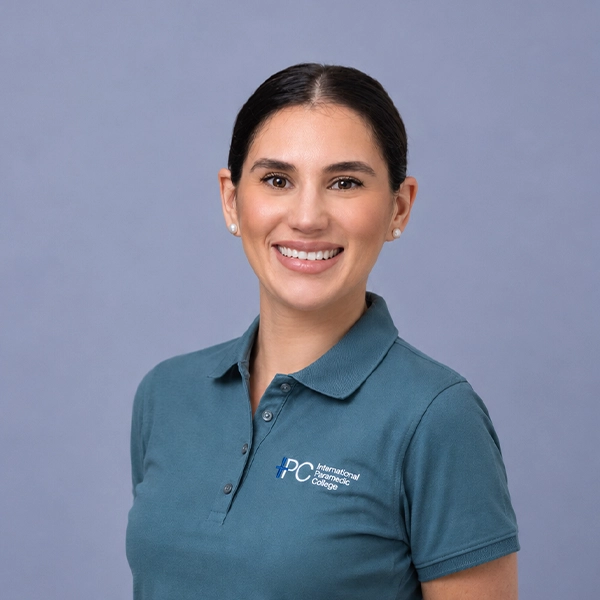
Caroline Gey
Caroline leads IPC’s audit and compliance activities, ensuring quality training outcomes, regulatory compliance, and robust systems that support students, trainers, and industry partners.

Allan Burnett
Allan Burnett is IPC’s Trainer and Assessor and a former Intensive Care Paramedic with more than 20 years of frontline experience. He now shares his extensive clinical knowledge to mentor the next generation of emergency care professionals.

Dave Mortimer
David is a registered paramedic with NSW Ambulance and a highly experienced trainer with over 12 years of first aid education experience. He delivers practical, engaging training across the IPC’s first aid courses and trains our Diploma of Emergency Health Care, bringing real emergency‑response insight to every class.

Dee Heffernan
Dee Heffernan is IPC’s Training and Professional Development Officer, working closely with partners to support training delivery and compliance. Drawing on her experience as a trainer and her paramedical studies, she helps partners stay informed, capable, and confident.

Cora O'Callaghan
Cora is IPC’s Training and Student Success Coordinator, supporting learners from enrolment through to course completion. Known for her solutions-focused style, she helps ensure students stay engaged, supported, and confident throughout their training journey.
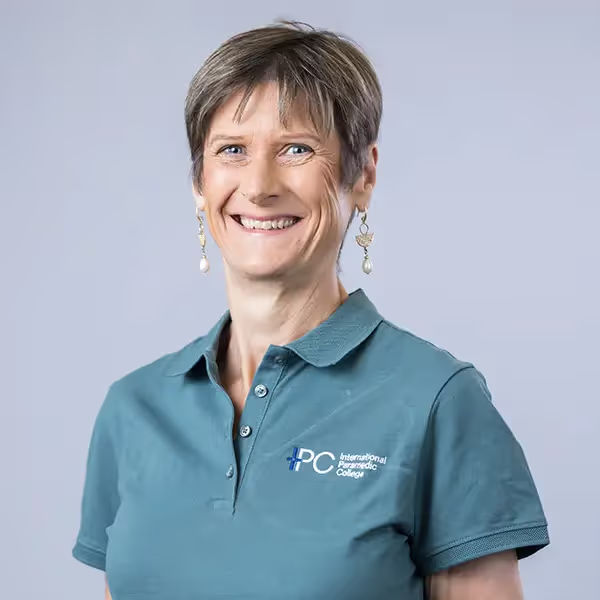
Lynette Hawthorn
Lynette Hawthorn is a Training Coordinator at IPC, helping students navigate their courses and stay on track from start to finish. She is passionate about supporting learners as they develop the skills needed to make a difference in their communities.
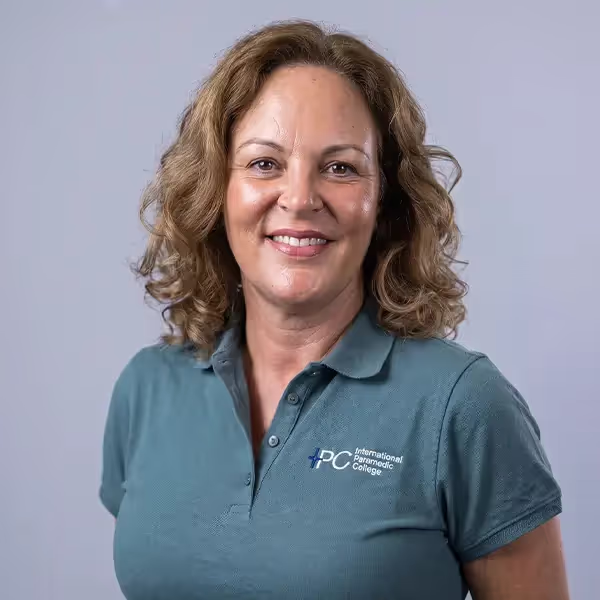
Rebecca Wade
Rebecca Wade is a Trainer and Assessor with more than 30 years of experience across community and children’s services. Her career supporting vulnerable individuals shapes her practical, compassionate approach to first aid training.
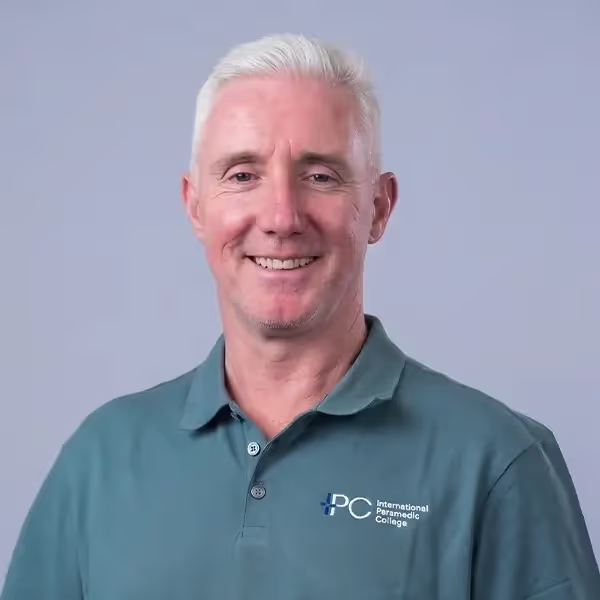
Tony Ruttley
Tony Ruttley is a Trainer and Assessor with over 20 years of experience in sports medicine and emergency care. His background as a rugby league sports trainer brings valuable real-world insight into injury management and emergency response.

Harjot Singh Sandhu
Harjot Singh Sandhu is an experienced Trainer and Assessor with more than 13 years in disability, mental health, and community healthcare. His hands-on background helps him deliver engaging first aid training grounded in real-world scenarios.
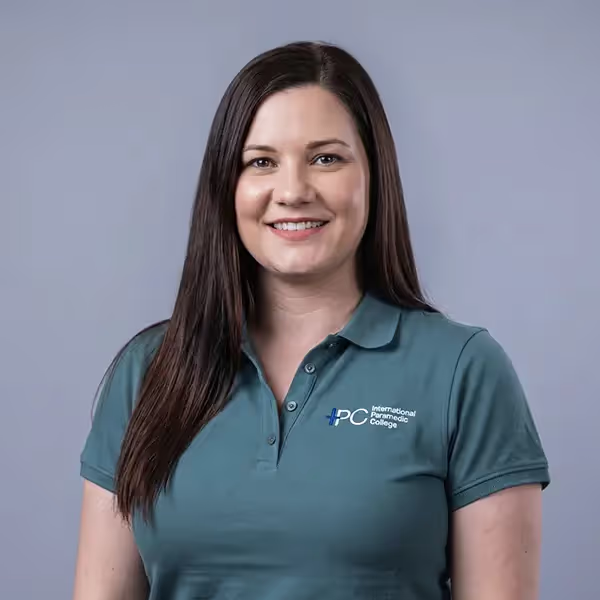
Tamieka Huxley
Tamieka Huxley is a Trainer and Assessor delivering first aid training across the Northern NSW region. She is passionate about empowering local communities with the confidence and skills to respond effectively in emergencies.

Steve Tevelein
Steve Tevelein is a First Aid and CPR Trainer with extensive experience in emergency response and community service. As a long-time SES member, he brings practical knowledge into every training session.
Training aligned with remote workplace requirements
This nationally recognised course meets compliance needs for remote and isolated site safety across Australia.

Resources for remote first aid situations
Access guides focused on emergency response when help is delayed or limited.
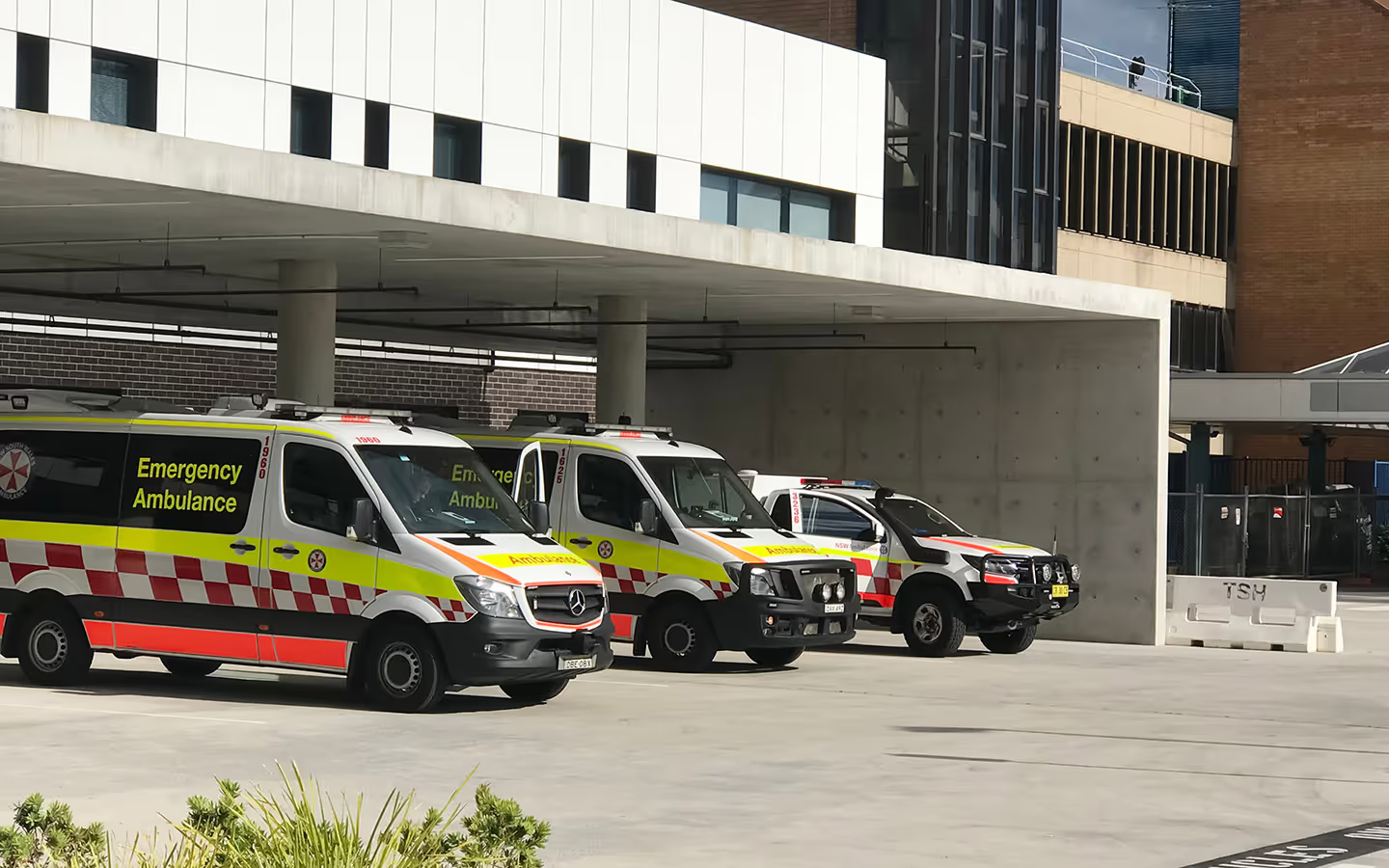
Get help starting your healthcare journey
If you’re exploring entry-level healthcare training, our team can guide you through enrolment, study options, and what to expect from this course.