



A clearer view of your career in paramedicine
When you’re passionate about emergency care, it helps to know what comes next. Paramedic career information isn’t just about “the job”; it’s about understanding the different roles available, how paramedic career progression can happen over time, and what skills can help you stand out.
- See the different types of paramedic jobs and where they fit in the system
- Understand common paramedic job pathways and career steps
- Identify paramedic career options that match your strengths and lifestyle


Explore paramedic career pathways
Not sure which direction suits you? Browse careers in paramedicine and explore job pathways that align with your interests, work setting and long-term goals.

How paramedic job pathways work
Paramedic career pathways aren’t one-size-fits-all. Some people progress into specialist environments, others move into mentoring or leadership, and many build a hybrid career across response, education and industry.
Start with the role that matches your strengths
Your paramedic career path usually begins by identifying what energises you most: fast-paced response, ongoing patient care, structured clinical environments, or team leadership. That clarity helps you choose the best-fit pathway.
Build capability through experience and targeted training
Career progression often stems from consistently delivering great work, followed by refining your clinical thinking, communication, and decision-making through targeted training and real-world exposure.
Move into specialist or leadership streams
As your confidence grows, you can step into more advanced environments or progress into roles that support teams, such as educator, operations, or leadership.
Recommended paramedic courses
The right training can support your next step, whether you’re exploring paramedic career options, moving into a new environment, or building confidence for more responsibility.
HLT51020: Diploma of Emergency Health Care
Our flagship qualification for pre-hospital care is delivered online, with hands-on workshops.
HLT41120: Certificate IV in Health Care
A strong foundation in emergency health care, with online learning and practical training.
HLT31220: Certificate III in Basic Health Care
Entry-level healthcare training delivered online for flexible study across Australia.
Australia Wide
HLT31120: Certificate III in Non-Emergency Patient Transport (NEPT)
Train for patient transport work in a structured, supportive learning model.
HLT21020: Certificate II in Medical Service First Response
Ideal for entry-level responders needing real-world first response skills.
Australia Wide
HLTOUT005: Assess and Deliver Standard Clinical Care
A practical unit for improving clinical decision-making and patient care skills.
Recommended First Aid & CPR Courses
Strong first aid skills are valuable across almost every role, especially early in your career or when branching into events, remote work or team support.
HLTAID011: Provide First Aid
Nationally recognised First Aid training with online theory and face-to-face practicals.
HLTAID009: Provide Cardiopulmonary Resuscitation
Nationally recognised CPR training. Essential skills for the workplace, community and home.
HLTAID012 First Aid in an Education & Care Setting
Designed for educators and childcare workers, this course focuses on responding to emergencies involving infants and children, meeting ACECQA and regulatory requirements.
HLTAID014 Provide Advanced First Aid
Build advanced response skills for managing complex incidents, prolonged care, and multiple casualties. Suited to workplace first aid officers and high-risk environments.
HLTAID015 Advanced Resuscitation & Oxygen Therapy
Learn advanced airway management, oxygen delivery, and resuscitation techniques. Commonly required for healthcare, emergency response, and security roles.
HLTAID013 First Aid in Remote or Isolated Sites
This course prepares participants to manage medical emergencies when professional help may be delayed. Ideal for remote workers, outdoor leaders, and regional environments.
Pocket Mask Training
Learn how to use a pocket mask correctly during resuscitation to enhance safety and effectiveness. A useful add-on for CPR-trained individuals and workplaces across NSW.
National
Stop the Bleed Course
A focused, practical course teaching critical bleeding control techniques, including tourniquet use and wound packing. Suitable for workplaces, schools, and community groups.
National
PUAEME008 Provide Pain Management
The PUAEME008 Provide Pain Management course is a nationally recognised unit of competency that teaches participants how to safely administer restricted analgesics, including methoxyflurane (the Green Whistle).
Australia Wide
Why start your career journey with us?
If you’re mapping out a paramedic career pathway, the right support can make the process more straightforward and motivating. IPC helps you connect training to real career direction, so you’re not guessing your next move.
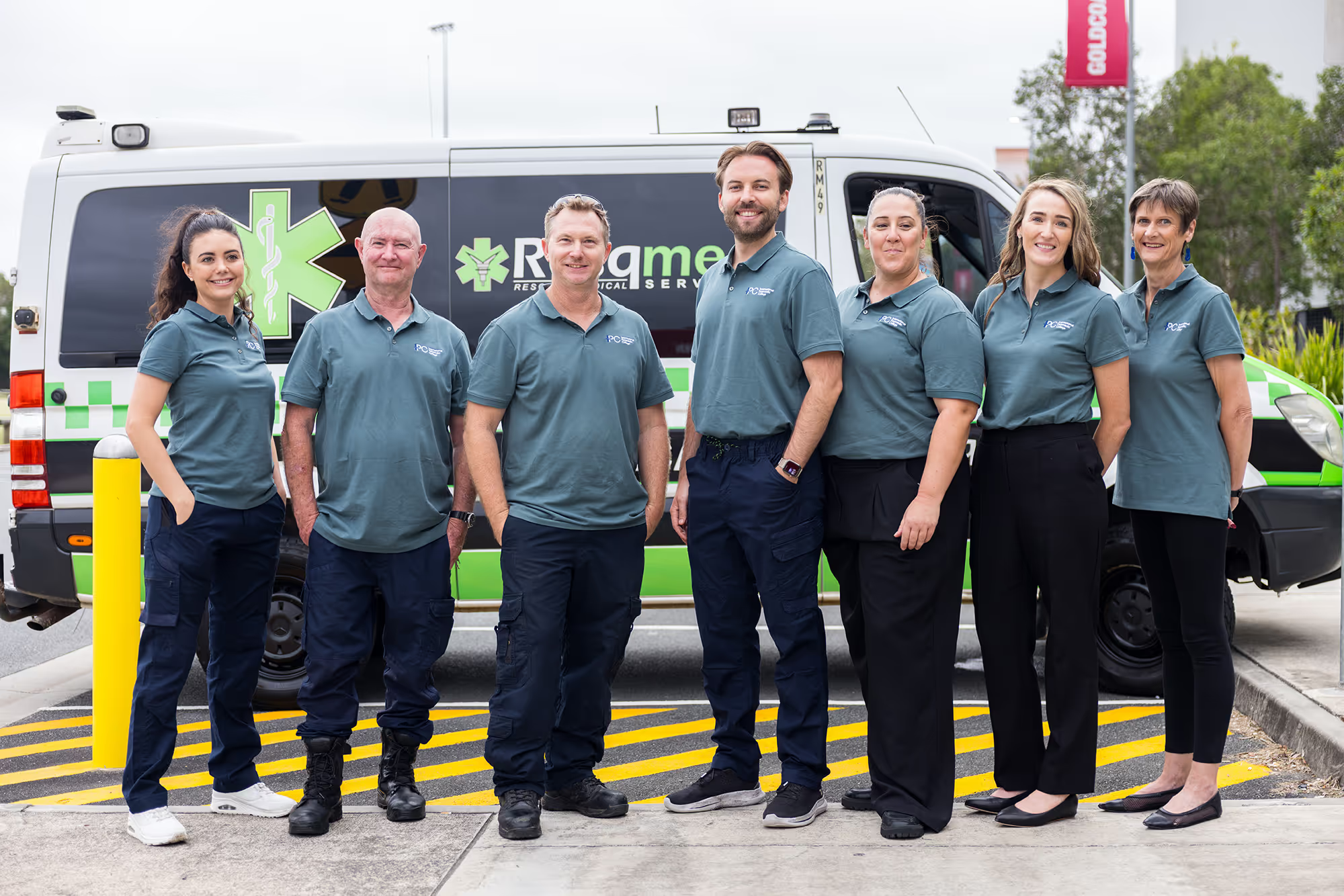

Practical learning that mirrors real roles
Training is designed to feel relevant, focused on scenarios, communication and clinical thinking, not just theory.

Guidance that helps you choose the right direction
We help you understand your paramedic career options and how different roles connect, so your next step makes sense.

Qualifications built for credibility and progression
Nationally recognised training supports confidence and adds weight to your paramedic career progression plan.
Our accreditations
When you’re planning a career in paramedicine, credibility matters. IPC training is delivered under recognised frameworks designed to support safe, practical skill development.
Nationally recognised training (RTO 45284)
Training is delivered through an ASQA-regulated Registered Training Organisation, so your qualification is legitimate and recognised.

Aligned to real emergency-care expectations
Course content is built around practical care principles and response frameworks that translate into real environments.

Recognised across health and emergency sectors
Qualifications support job pathways across healthcare, response, events, and industry settings.

Hear from our students
Building a paramedic career path is a big decision. Hearing from others who’ve taken the next step can make the pathway feel more achievable.
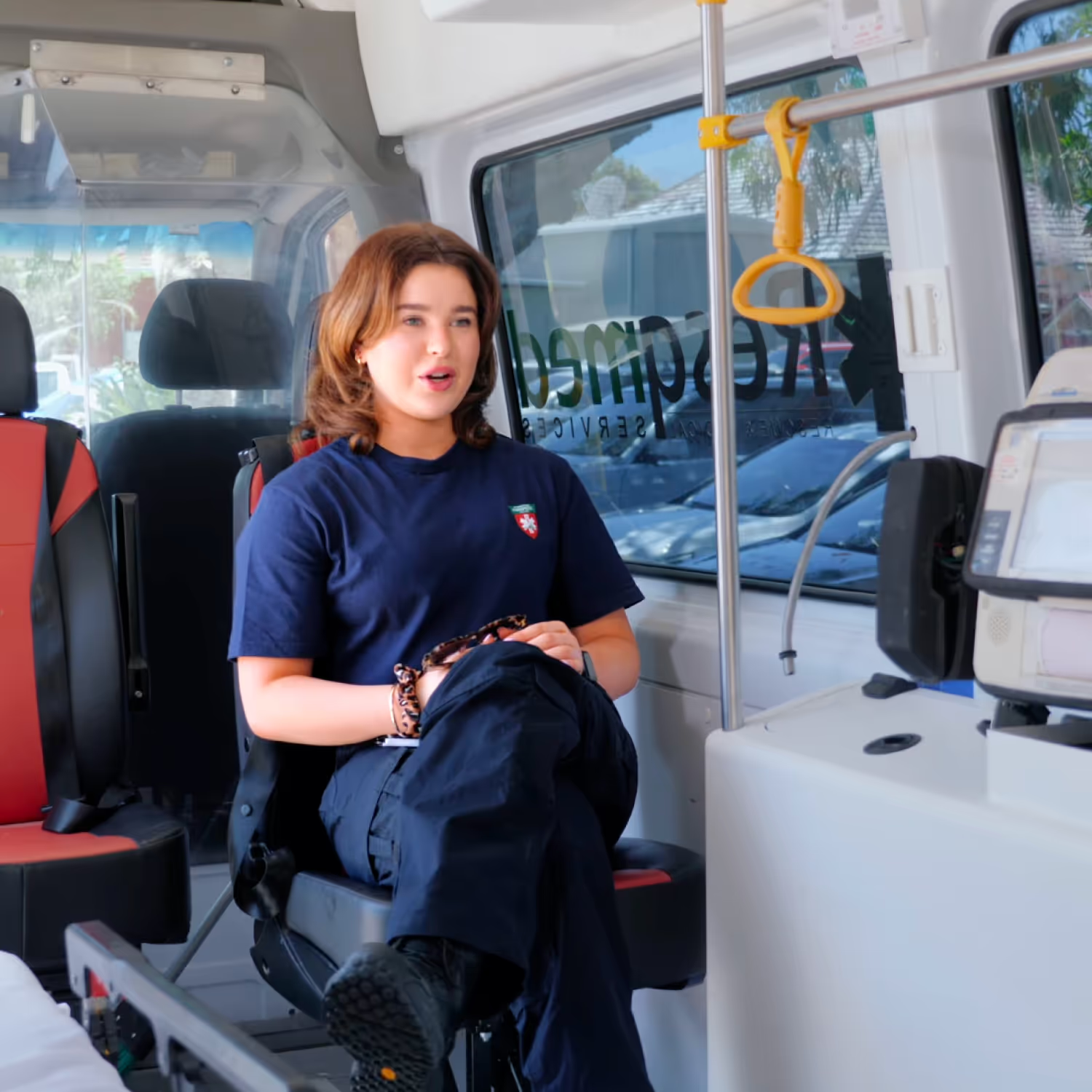
“IPC made learning feel achievable. The trainers explained things clearly, the practical sessions were hands-on, and I finished the course feeling genuinely more confident.”
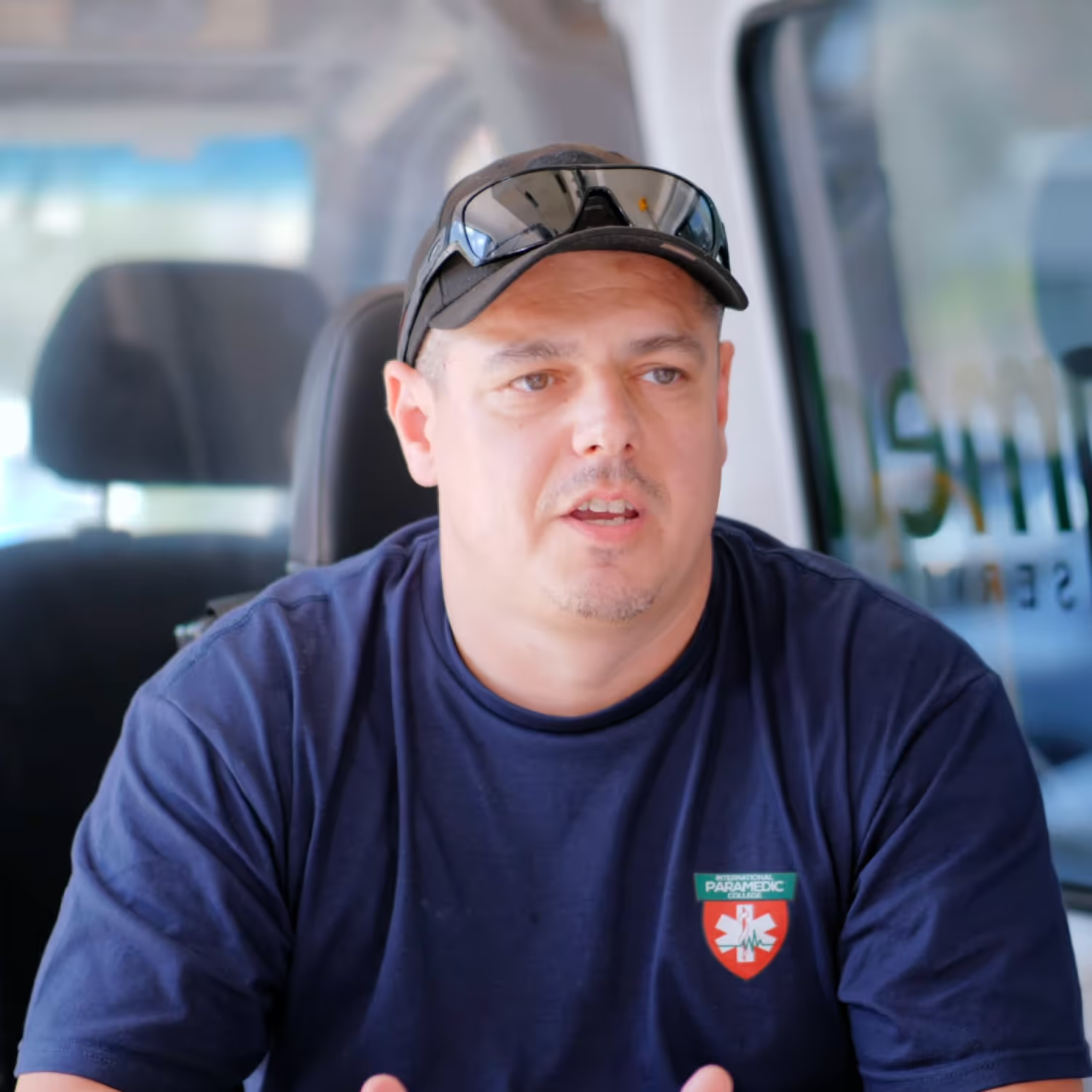
“I chose IPC because when I did research I found they had really good feedback from the students and students coming back to do more courses so I believe it’s the right school for me and the price was really good.”
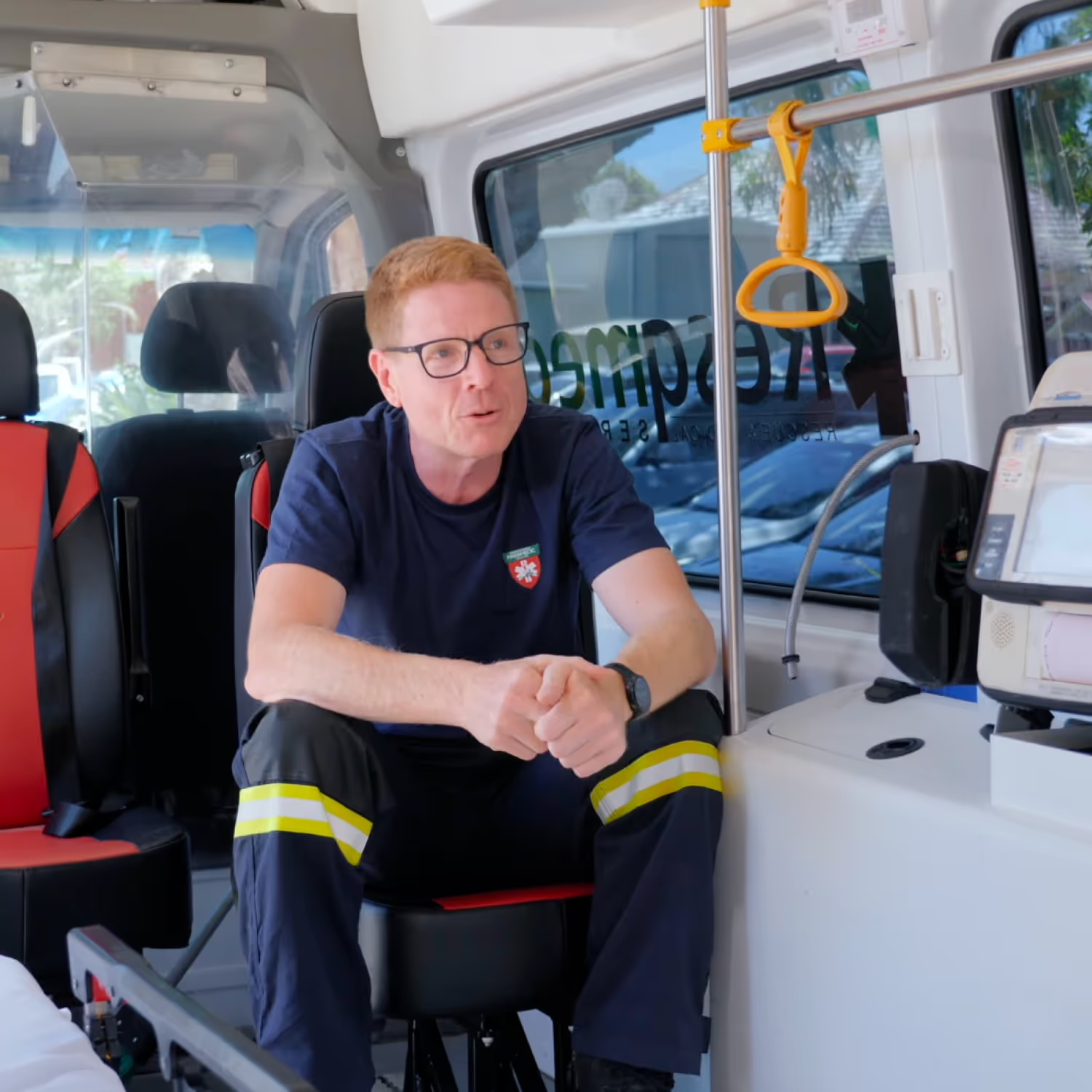
“The structure was straightforward and the support was there when I needed it. Workshops were practical, and I always knew what I was working toward.”
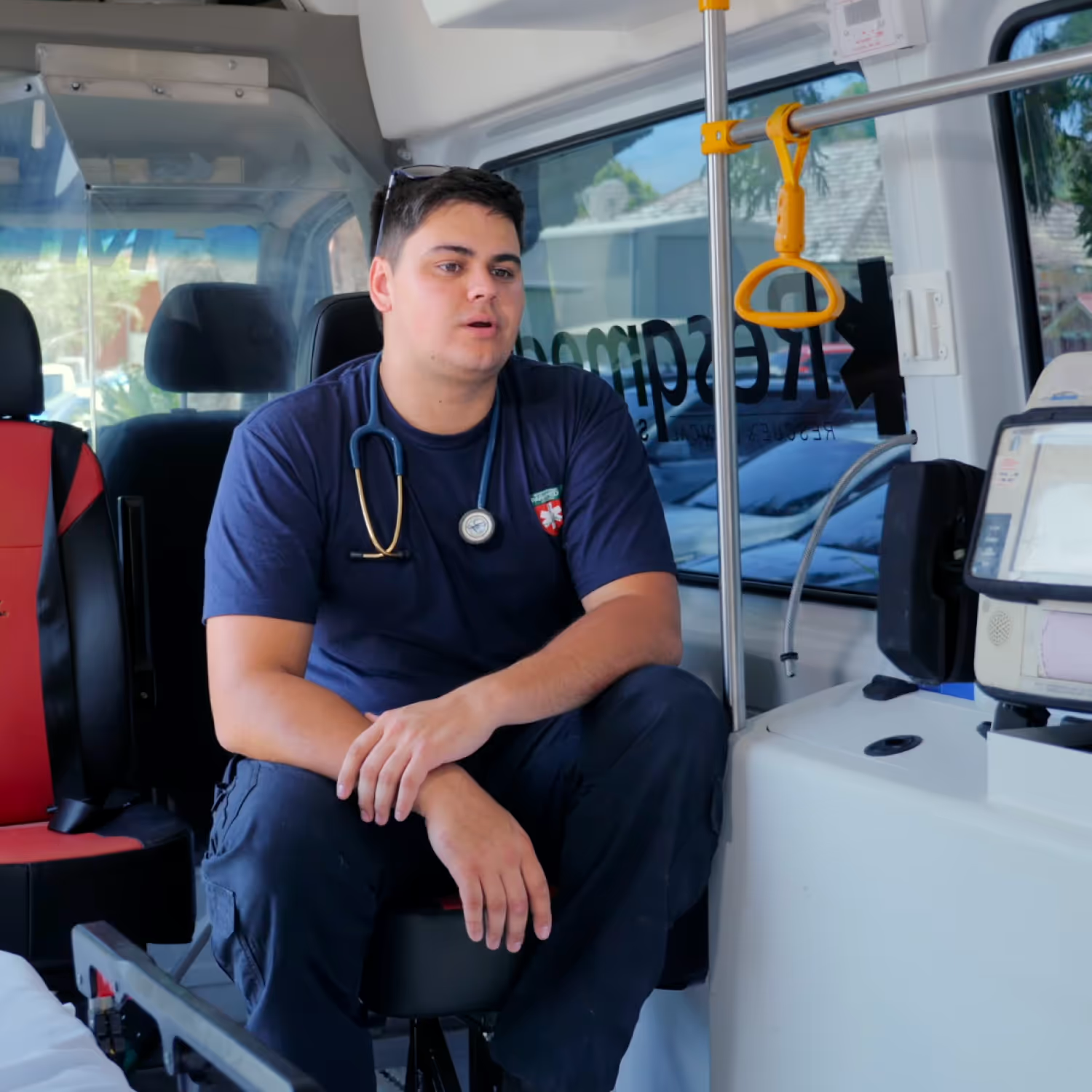
“I wanted training that felt real. The scenarios, feedback and support helped me build skills I can actually apply, especially when things get stressful.”
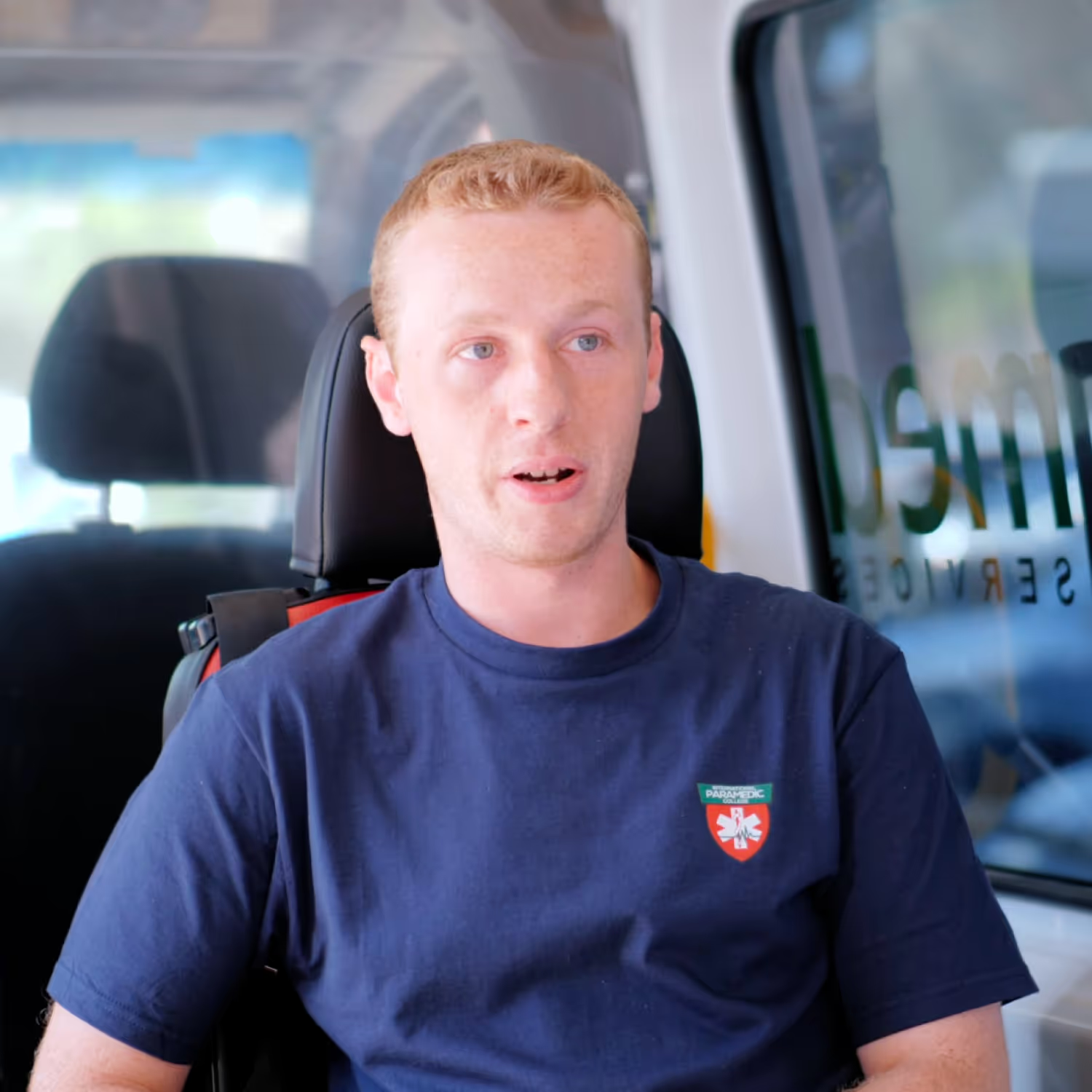
“What stood out was how approachable the team is. They teach in a calm, practical way and make sure you understand the ‘why’, not just the steps.”

“I learned more than skills - I learned how to think clearly under pressure. The practical training and feedback helped me feel ready for real-world situations.”

Ready to map your paramedic career pathway?
Whether you’re exploring different types of paramedic jobs or planning long-term paramedic career progression, we can help you choose training that matches your goals.
Our licences
When you train with IPC, you’re choosing learning built around recognised standards and workplace expectations.

More insights and guides
Want more paramedic career information? These guides explore roles, progression and practical preparation so you can choose a pathway with clarity.




FAQs
These FAQs cover common questions about paramedic job pathways and how careers in paramedicine can evolve.
What careers can you explore in paramedicine besides ambulance services?
Paramedicine can lead to roles in patient transport, event medical, workplace/industrial health, and remote support. Some people also move into community health programs or training and education roles.
What are the different types of paramedic jobs and paramedicine roles?
Roles can range from emergency response to non-emergency transfers, event coverage, and remote or high-risk site work. There are also broader paramedicine pathways in community-facing care, education, and support roles.
What does paramedic career progression look like over time?
Progression often starts with building strong clinical basics and confidence in assessment and decision-making. From there, you may specialise, step into senior responsibilities, or move into training and leadership.
How do I choose the right paramedic career path or paramedicine pathway?
Start with the setting you want - metro, regional, remote, events, workplaces, or community programs. Then match your training and experience to the roles that fit your strengths and lifestyle.
Can a career in paramedicine lead to leadership, training, or health sector roles?
Yes. Many people transition into clinical education, workplace training, team leadership, or operational support. A paramedicine background can also be a strong base for broader health and emergency management roles.
Get help starting your healthcare journey
If you’re exploring entry-level healthcare training, our team can guide you through enrolment, study options, and what to expect from this course.