


Paramedic career and qualification pathway
Paramedic qualification names and course levels only tell you half of it. This page breaks down a simple paramedic training pathway and gives you a practical look at the job itself, so you can plan your next move with a clear, complete picture. Find the easiest way in at International Paramedic College.

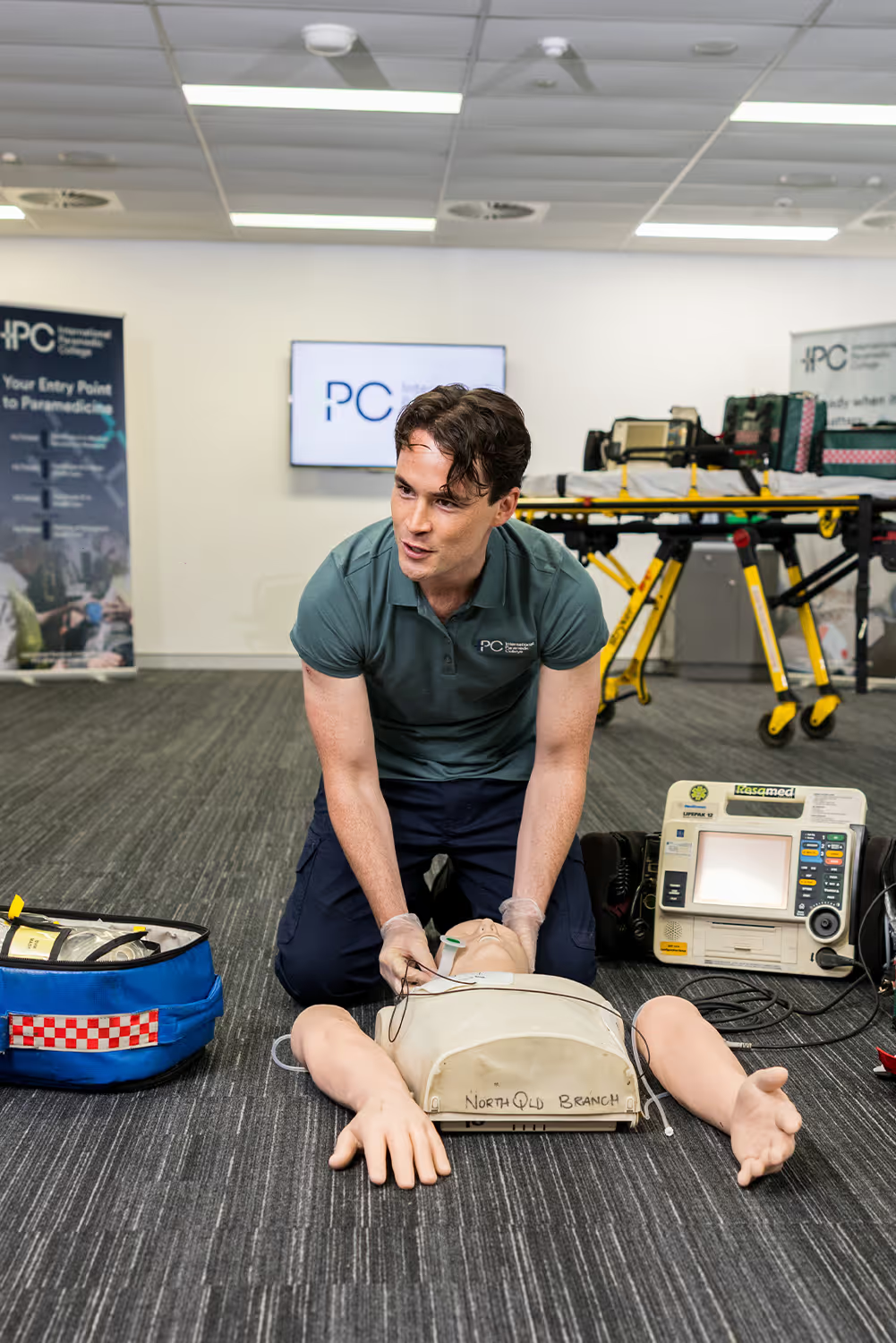
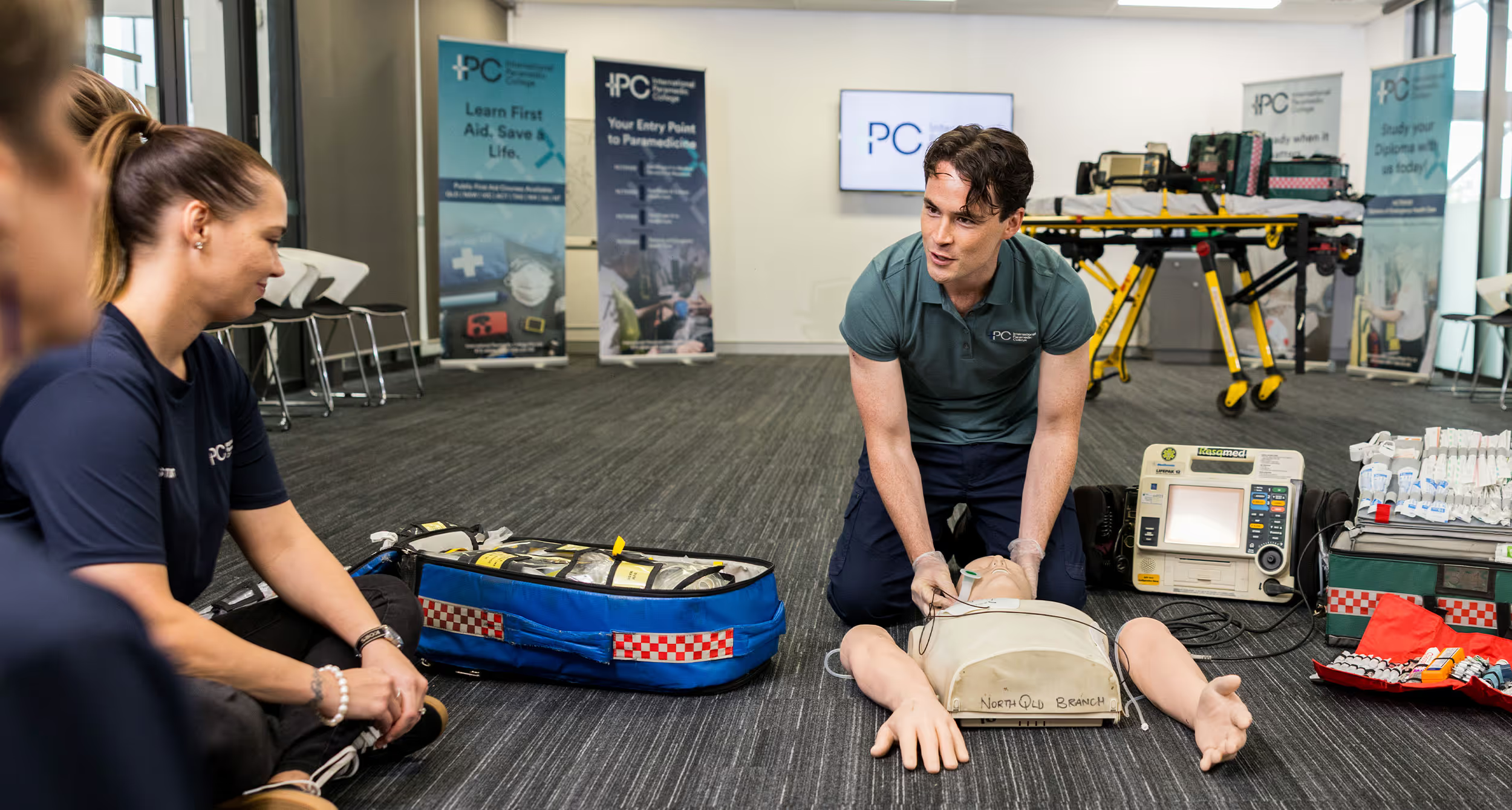
Understand the path from certificate to career
This career guide covers what qualifications you need to become a paramedic and what the job is like day to day. You’ll need a university degree to register as a paramedic in Australia, though plenty of emergency care work doesn’t require one. Where you start depends on whether you’re weighing up university, looking for a way in without a bachelor’s degree, or already working in health.
What does a paramedic do?
Paramedics assess and treat patients on their way to the hospital. Most work on road for a state ambulance service, while others work for mine sites, offshore rigs, in rescue helicopters or at major events.
What the job involves
Wanting to help people isn’t enough on its own. You’ll do well here if you can stay calm while someone shouts at you and think clearly with half the information you’d like. Most people underestimate these four parts of the job:
What does a paramedic do?
Paramedics assess and treat patients on their way to the hospital. Most work on road for a state ambulance service, while others work for mine sites, offshore rigs, in rescue helicopters or at major events.
What the job involves
Wanting to help people isn’t enough on its own. You’ll do well here if you can stay calm while someone shouts at you and think clearly with half the information you’d like. Most people underestimate these four parts of the job:
Working around a rotating roster
You’ll work nights, weekends, early mornings, and public holidays because people get sick 24/7. Most paramedic services create rosters around long shifts that usually range from 10 to 14 hours. Early starts and late nights are common too, so your sleep will likely take a hit as your schedule changes.
Writing up every patient you treat
Every patient you treat needs a clinical record. You’ll write case sheets between jobs, hand them over to nursing staff at a hospital, chase the details you didn’t have time to enter, and then stay late when you have a backlog of paperwork. Nobody mentions this part in a careers brochure, but it’s a real part of the job you should be prepared for.


What paramedics earn
The average advertised salary for paramedics in Australia is $95,000 to $115,000 per year, according to SEEK Australia. That number comes from salaries disclosed in job advertisements, so it reflects what employers are willing to offer as base compensation.
However, paramedics tend to take home much more than that thanks to penalty rates and overtime. Jobs and Skills Australia reports median weekly earnings of $2,852 for paramedics, which comes out to almost $150,000 per year.
Figures are indicative. What you earn depends on your employer, your state, your classification and your roster.
Where a paramedic career can take you
Paramedic covers a family of roles rather than one role. Almost everyone starts on the road with a state service, then specialises as they build clinical hours and add qualifications. These four roles make up most of the profession:
- Ambulance paramedic: Where almost everyone starts. You work on road for a state service after your degree and internship year.
- Intensive care paramedic: A wider drug and skill scope on the most complex jobs. Your service selects you for it, then puts you through further training.
- Flight paramedic: Retrieval work by helicopter or fixed wing. Services usually want intensive care qualifications plus years on road first.
- Emergency medical technician: Industrial and remote medical response outside the ambulance system in places like mine sites and offshore facilities.
Where the jobs are
The Paramedicine Board of Australia registered 26,770 practising paramedics as of March 2026. Each state and territory has its own ambulance service, so where you apply depends on where you want to live:
| State or territory | Service you'd apply to | Registered paramedics |
|---|---|---|
| Victoria | Ambulance Victoria | 7,369 |
| New South Wales | NSW Ambulance | 7,234 |
| Queensland | Queensland Ambulance Service | 7,062 |
| Western Australia | St John WA | 2,310 |
| South Australia | SA Ambulance Service | 1,840 |
| Tasmania | Ambulance Tasmania | 804 |
| Australian Capital Territory | ACT Ambulance Service | 404 |
| Northern Territory | St John Ambulance NT | 276 |
Each service recruits on its own cycle, so it’s worth checking the entry requirements in your state before you plan your study around a particular intake.
Who this pathway is for
- People with no healthcare background who want a way into emergency care
- Career changers who need to earn while they retrain
- School leavers comparing a certificate against three years at university
- People already working in health who want to move into pre-hospital work
Skills you’ll build along the way
- Talking to patients and families when they’re frightened or angry
- Assessing what’s wrong with limited information and deciding what to do about it
- Reading a scene for hazards before you walk into it
- Writing clinical records that hold up during audits
- Working with a partner for a whole shift in a confined space
Recommended courses
These qualifications work at different levels and lead to different jobs. Pick the level that matches your experience, then build up as you go. The Diploma is the one people generally use to strengthen a later university application.
HLT31220: Certificate III in Basic Health Care
Entry-level healthcare training delivered online for flexible study across Australia.
Australia Wide
HLT31120: Certificate III in Non-Emergency Patient Transport (NEPT)
Train for patient transport work in a structured, supportive learning model.
HLT51020: Diploma of Emergency Health Care
Our flagship qualification for pre-hospital care is delivered online, with hands-on workshops.
A simple paramedic training sequence
Where you start depends on what you’ve already done. Plenty of people go straight into the Certificate IV or the Diploma. Others build up from the Certificate II. A smaller number skip vocational training and apply straight to university for a Bachelor of Paramedicine. These are the relevant courses:
A strong starting point for building emergency-care awareness, safety mindset, and basic patient-focused skills.

Adds stronger healthcare foundations and job-aligned skills that build consistency, communication, and responsibility.
Introduces deeper clinical thinking and more structured assessment expectations—ideal for progression-focused learners.
A higher-level stage for learners seeking advanced capability and broader scope in emergency health learning.
Do you need a degree?
You need a bachelor degree in paramedicine, or an approved postgraduate equivalent, plus registration with the Paramedicine Board of Australia through AHPRA to become a paramedic. The Board accredits every course that leads to registration, with 18 universities offering bachelors or postgraduate qualifications for entry. A vocational qualification won’t get you there.
However, plenty of people complete a Diploma of Emergency Health Care first and apply to university with clinical exposure already behind them. You can also work in non-emergency patient transport, event medicine or in mine sites and offshore facilities with the Diploma alone, so you can earn money and get experience before committing to the full paramedicine degree.
First aid and CPR courses
Getting a first aid or CPR certification is the quickest and cheapest way to find out if becoming a paramedic is a good choice for you. You’ll also need these certifications before you can start some units in the Diploma:
HLTAID009: Provide Cardiopulmonary Resuscitation
Nationally recognised CPR training. Essential skills for the workplace, community and home.
HLTAID011: Provide First Aid
Nationally recognised First Aid training with online theory and face-to-face practicals.
HLTAID012 First Aid in an Education & Care Setting
Designed for educators and childcare workers, this course focuses on responding to emergencies involving infants and children, meeting ACECQA and regulatory requirements.
How to follow the right progression
You don’t need to have everything mapped out on day one. Start with a realistic step, then build a clear paramedic course progression plan as you go.
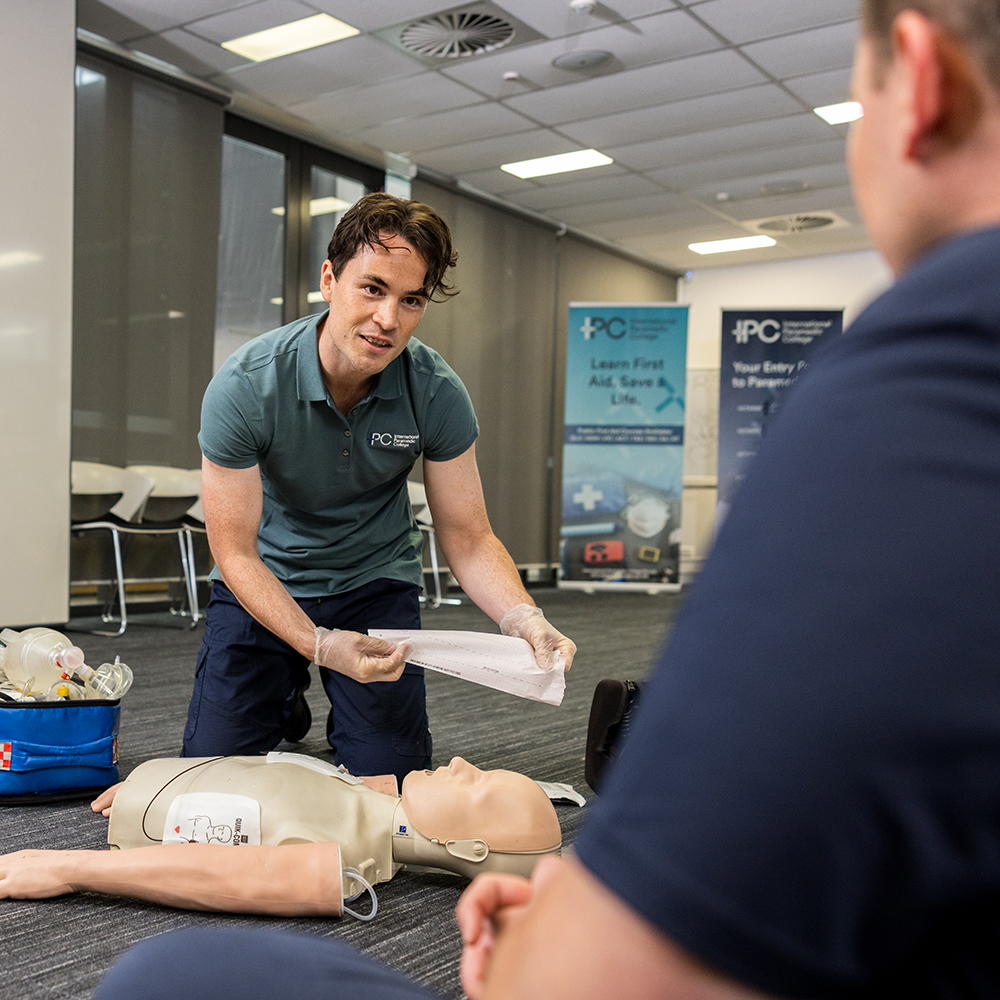
Choose your starting level
Pick the qualification level that suits your current confidence and experience so your learning feels achievable.
Build skills through structured training
Complete your learning at a steady pace, focusing on competence rather than rushing, so you’re well-prepared for the next step.
Progress to the next qualification stage
When you’re ready, move up to the next level in the paramedic training sequence with clearer direction and stronger foundations.
Roles that connect with this pathway
Emergency care has plenty of work that doesn’t require registration. You can move into any of these roles with a vocational qualification, then decide later if you want the degree:
FAQs
Below, we’ve answered common questions about paramedic qualifications and job pathways.
How long does it take to become a paramedic?
About four years. You first need to complete a Bachelor of Paramedicine that takes three years of full-time study. Then you must complete a graduate or internship year with an ambulance service before you can work without supervision. Starting with a vocational qualification adds time upfront, but you can work while you study.
Do I need a driver licence to become a paramedic?
Yes, and more than a standard one. NSW Ambulance asks graduate applicants for an unrestricted licence with a clean history, then a Light Rigid licence before they start. States and territories have different requirements, though, so check the one you’re applying to.
What’s the difference between a paramedic and an ambulance officer?
Registration. Paramedic is a protected title you can only use once the Paramedicine Board registers you. Ambulance officer covers a wider set of operational roles, some of which don’t need it. Job ads use both loosely, though, so read the requirements before you apply.
How do I choose the right starting point in the training sequence?
Choose the level that matches your current readiness, including confidence, study habits, and interest in hands-on learning. Starting at the right level makes progression smoother and more achievable.
Can I work while I study?
Most students do. A vocational qualification lets you work in patient transport or event medicine while you complete a degree, which pays better than casual work and puts clinical hours behind your application.
Why IPC is a smart place to begin
International Paramedic College supports your paramedic qualification pathway by keeping learning practical and helping you understand what to do next.
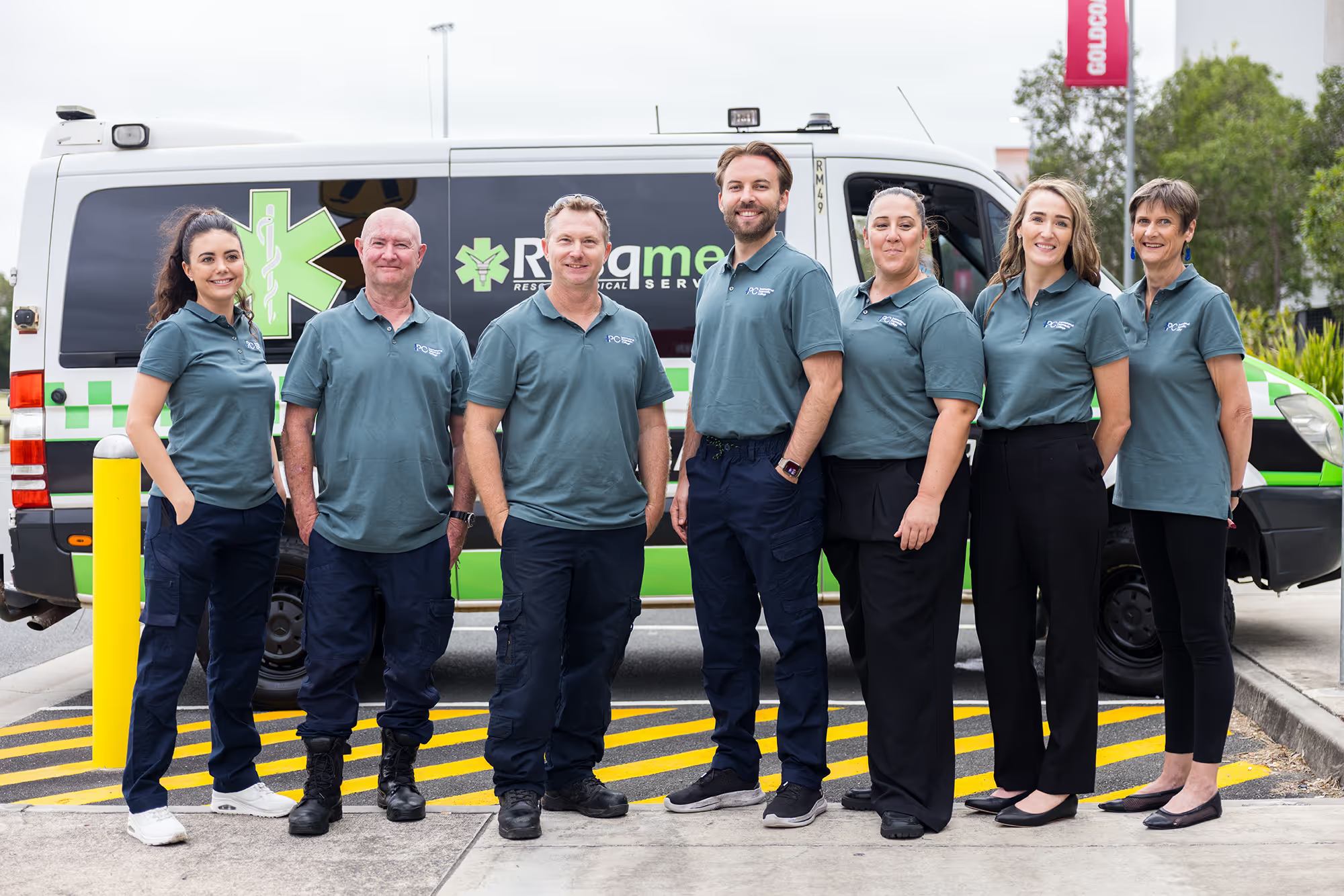

Training with real-world focus
Practical skill development and scenario thinking that's built for emergency-care readiness.

Clear progression support
We help you understand your next step in the paramedic training pathway.

Confidence-building structure
A guided learning model that keeps things achievable and goal-oriented.
Recognised training standards
When you’re working through paramedic qualification levels, you want training that’s credible and consistent.
Registered Training Organisation (RTO 45284)
International Paramedic College is an ASQA-approved Registered Training Organisation (RTO 45284) that delivers nationally recognised training and qualifications in Australia.

Nationally recognised qualifications
We deliver nationally recognised qualifications and accredited training that support real employment and workplace outcomes.
Certification you can use anywhere
Upon completing training, your results lead to a recognised certification that can be used for employment, workplace compliance, and further study.

What our students say
Students often tell us the biggest difference is clarity. This includes knowing what to study first, what to build next, and how to stay motivated through the process.
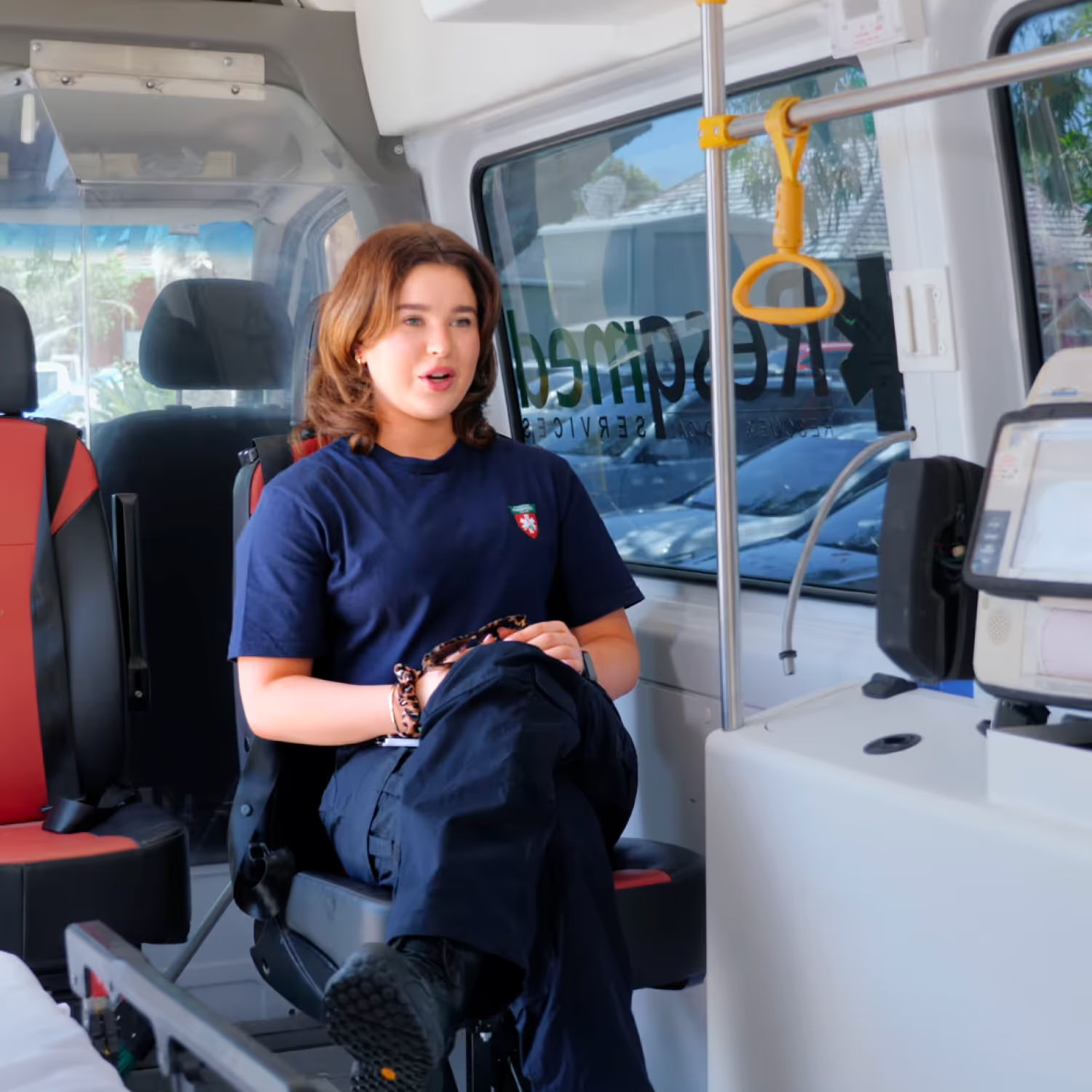
“IPC made learning feel achievable. The trainers explained things clearly, the practical sessions were hands-on, and I finished the course feeling genuinely more confident.”
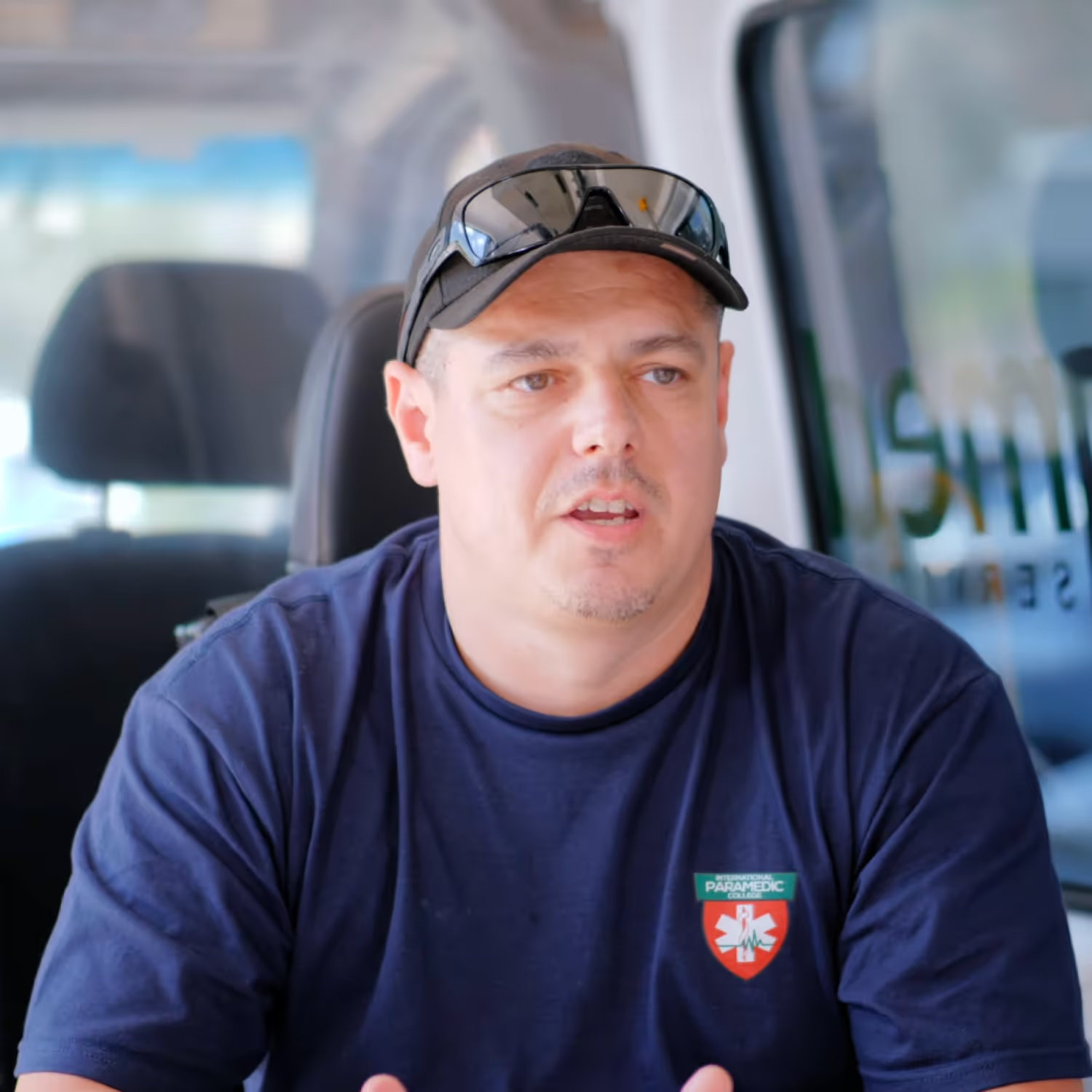
“I chose IPC because when I did research I found they had really good feedback from the students and students coming back to do more courses so I believe it’s the right school for me and the price was really good.”
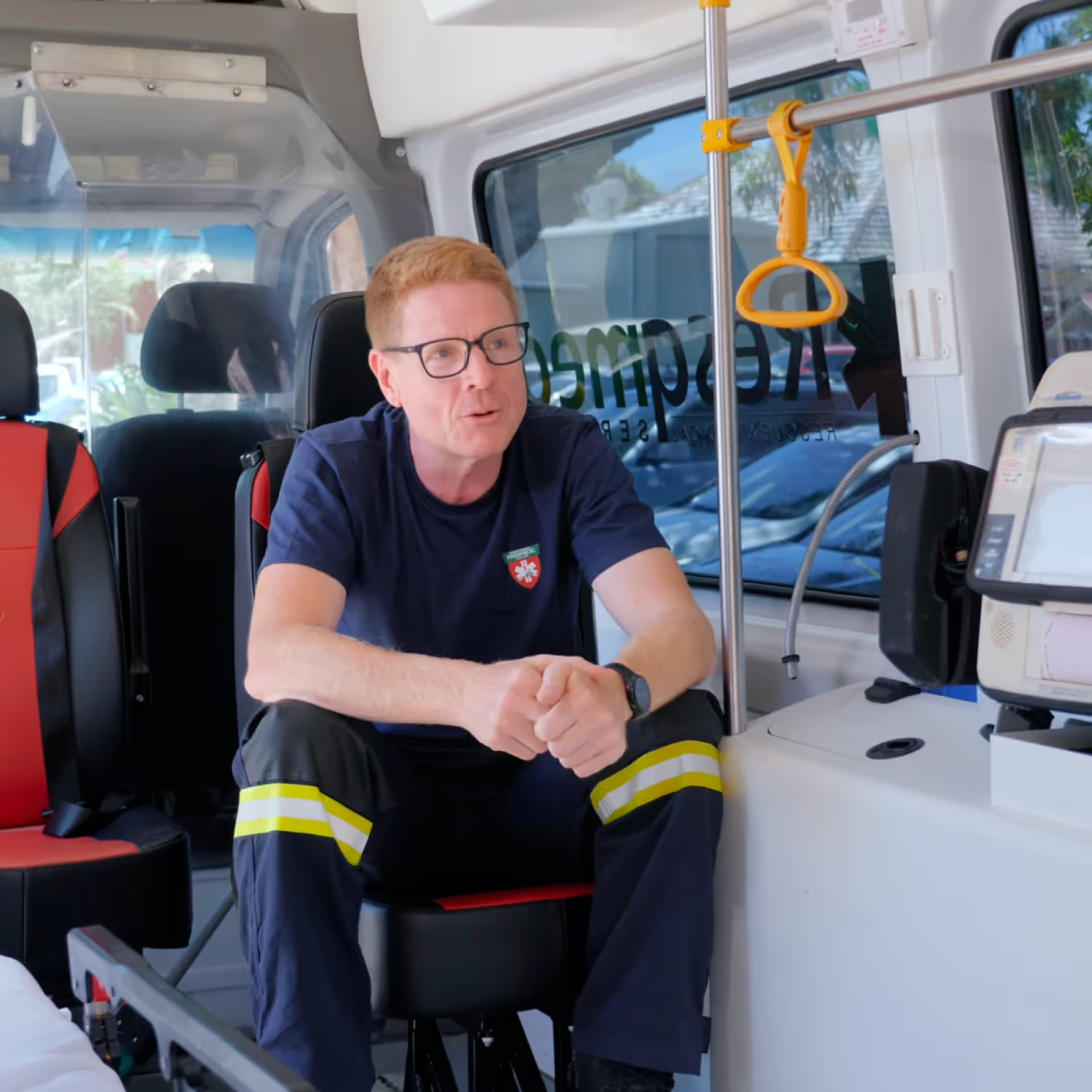
“The structure was straightforward and the support was there when I needed it. Workshops were practical, and I always knew what I was working toward.”
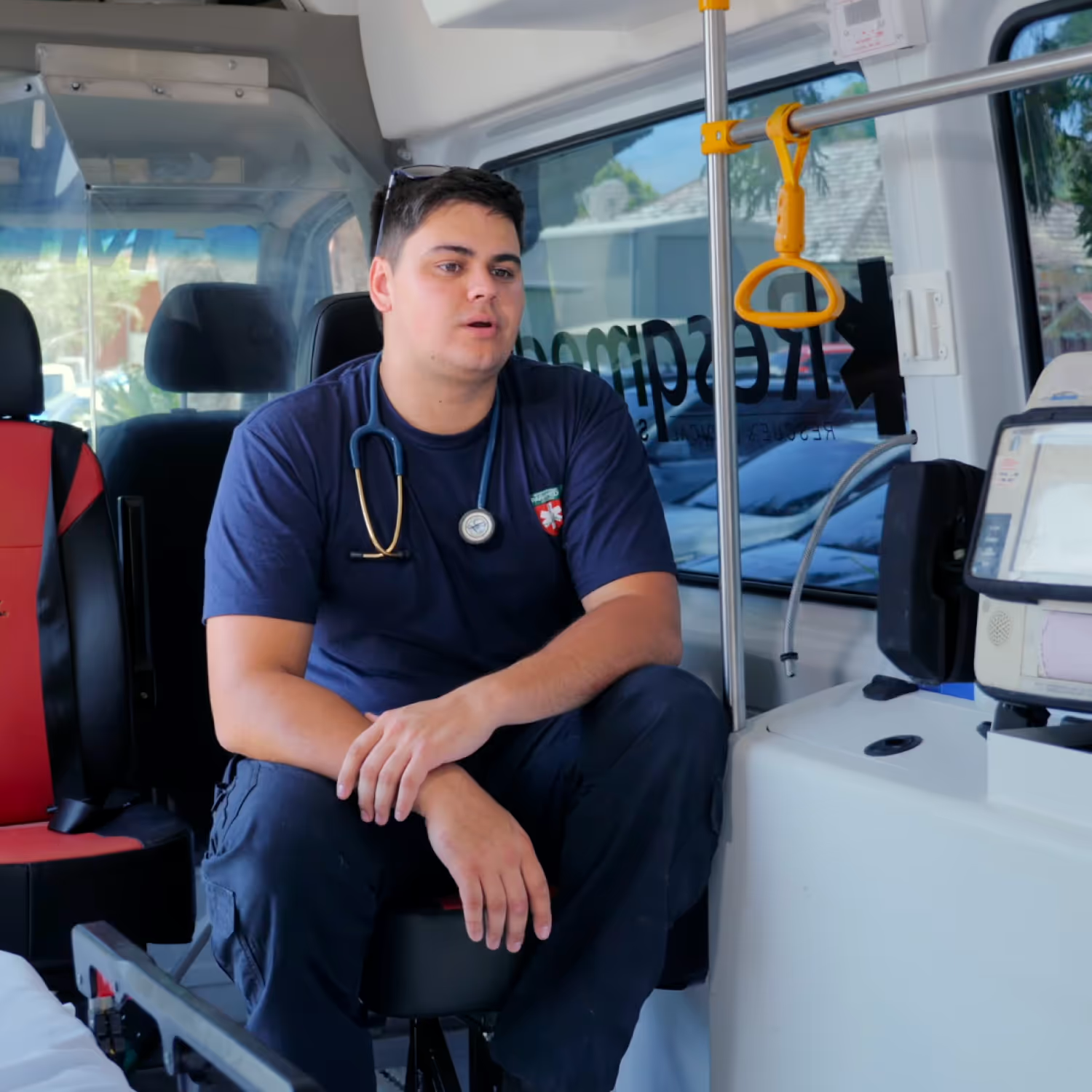
“I wanted training that felt real. The scenarios, feedback and support helped me build skills I can actually apply, especially when things get stressful.”
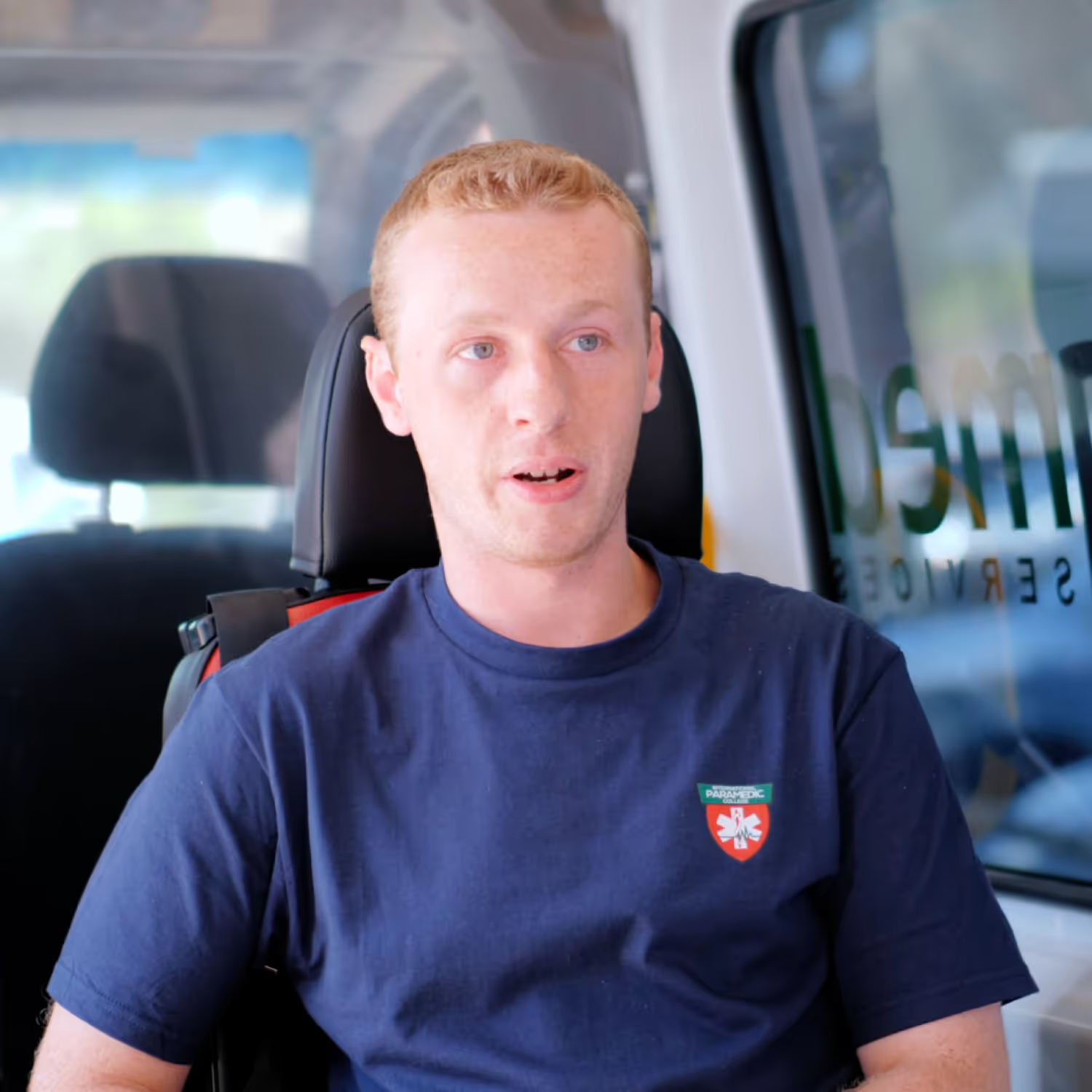
“What stood out was how approachable the team is. They teach in a calm, practical way and make sure you understand the ‘why’, not just the steps.”

“I learned more than skills - I learned how to think clearly under pressure. The practical training and feedback helped me feel ready for real-world situations.”

Ready to plan your paramedic pathway?
If you want help choosing the right starting point or mapping your next stage, our team can guide you through your options.
Our licences
Our qualification pathways for those who wish to be paramedics are built around nationally recognised training and industry-aligned standards.

Insights and guides
Explore these articles to better understand paramedic qualification levels, training sequences, and how different study choices can shape your career progression.




Get help starting your healthcare journey
If you’re exploring entry-level healthcare training, our team can guide you through enrolment, study options, and what to expect from this course.