


What is the HLTWHS005 Conduct Manual Tasks Safely course?
HLTWHS005 Conduct Manual Tasks Safely is a nationally recognised unit that teaches you to recognise risky manual tasks, set them up properly and complete them without injuring yourself or the person you’re helping. It applies to any worker who lifts, carries, pushes, pulls or repositions things, and people, as part of their job.
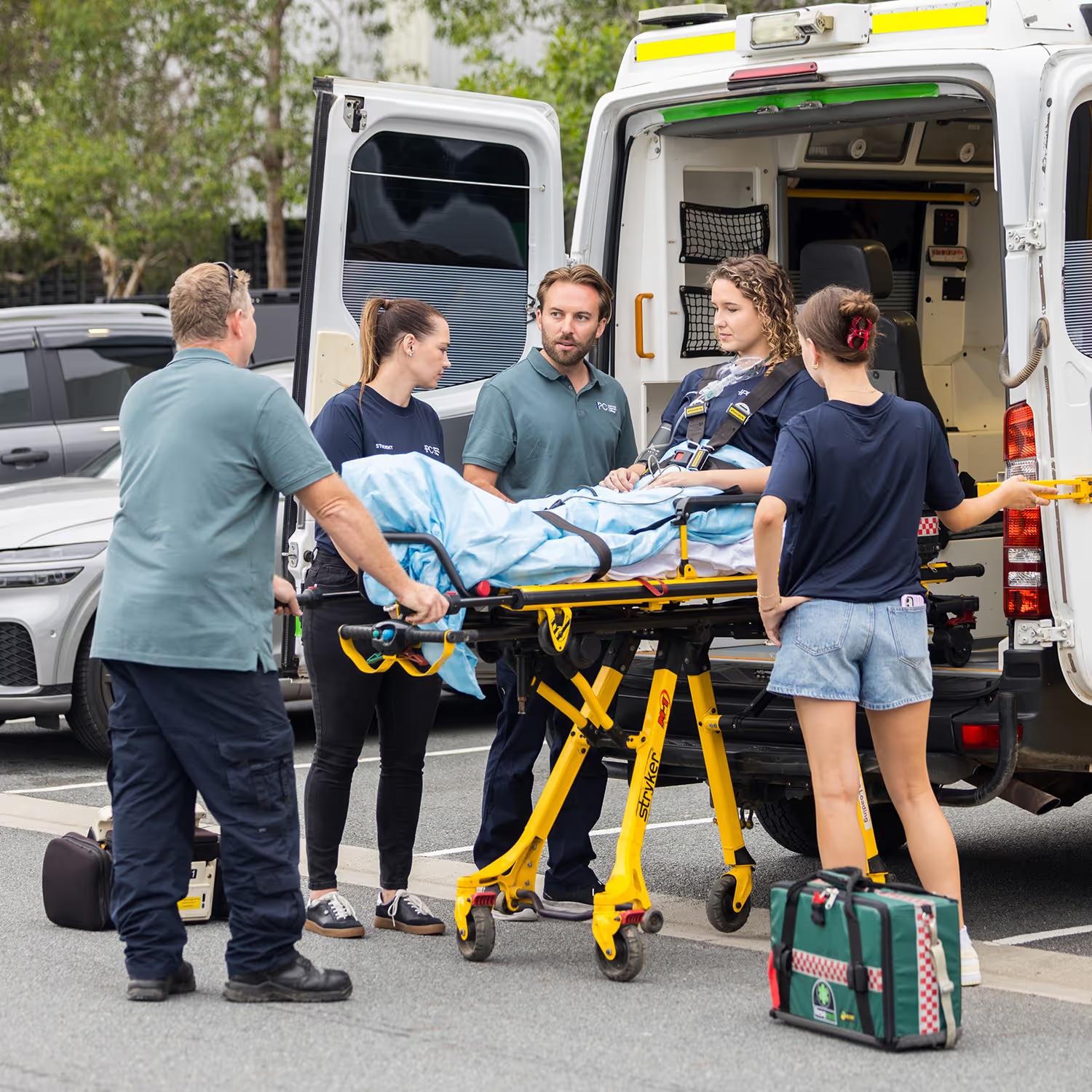
For aged care and disability support workers, this is the manual handling unit that matches the work. A big part of the practical side is moving people: a log roll, sitting someone up from lying flat and helping them from sitting to standing. You’ll study the theory online, then complete these tasks where you work or train and submit them by video, so there’s no classroom session to attend.
- Online learning with practical tasks submitted by video
- Nationally recognised Statement of Attainment
- Built around real client transfers and repositioning
- Enrol anytime, Australia-wide


Location
Australia Wide

Delivery mode

Course duration

Upcoming intake


Payment plans


Entry requirements
- There are no prerequisite units for HLTWHS005.
- A smartphone, tablet or camera that can record video, plus reliable internet to upload your practical tasks.
- Access to a suitable space, equipment such as a bed and chair, and a willing person to act as your patient for the transfer and log roll tasks. We’ll confirm the exact set-up when you enrol.
- The physical ability to bend, lift and assist with transfers safely.
- Reasonable literacy and numeracy skills, and basic computer skills.
- Photo ID, which we may ask you to show in your videos so we can confirm your identity.
- Must be 18+ (under 18 permitted with guardian consent).
What you’ll learn
The course follows the four parts of the HLTWHS005 unit. You’ll learn how to:
- Recognise manual tasks that carry a risk of injury
- Identify risk factors such as repetition, force, awkward posture, vibration and the way work is organised
- Follow workplace procedures for controlling hazardous manual tasks
- Prepare the work area, the task and the load before you start
- Choose and use the right personal protective equipment
- Check a task is within your own capability, and ask for help when it isn’t
- Use safe posture and handling techniques, like keeping a neutral spine and the load close to your body
- Use mechanical aids and handling equipment according to the manufacturer’s instructions
- Report hazards and early injury symptoms, and contribute to improving how manual tasks are done
You’ll also cover how the spine and muscles work under load, the duties employers and workers have under WHS law, and what’s involved in reporting a workplace injury.
Course units
You’ll complete one unit, HLTWHS005 Conduct Manual Tasks Safely, through self-paced online learning followed by practical tasks that you film and upload for assessment.
Online Learning With Video Practical Tasks
|units|What is this unit?
This unit covers how to recognise hazardous manual tasks, prepare for them and complete them safely. It applies to all workers involved in manual handling.
Why it matters
Manual tasks are behind many workplace injuries, and in care work the load is often a person. Poor technique can hurt both you and your client.
What you’ll learn
You’ll learn to assess manual handling risks, prepare the task and environment, use safe posture and handling aids, and report hazards and injuries.
How you’ll be assessed
Assessment combines online quizzes and short answers with a practical risk assessment, a log roll and two patient transfers, all submitted by video.
Practical benefit
Once you’re competent, you’ll be able to carry out manual tasks and patient transfers safely and contribute to safer work practices.
Delivery & assessment
Delivery format
- Self-paced online learning you can fit around shifts
- Practical tasks completed in your workplace or a set-up that reflects it
- Practical tasks recorded on video and uploaded through the student portal
- No face-to-face attendance
Assessment method
You’ll complete six assessment tasks:
- A multiple choice quiz on manual handling legislation and hazard identification
- Short answer questions on manual handling techniques
- A practical risk assessment using a risk assessment tool
- A practical log roll
- A practical transfer from lying on the back (supine) to sitting
- A practical transfer from sitting to standing
You must complete all assessment tasks successfully to be deemed competent. Read our student information and assessment policies before you enrol.
Career pathways
HLTWHS005 isn’t a job qualification on its own, but it’s a practical add-on for roles where moving people or heavy loads is part of every shift. It supports work such as:
- Aged care and disability support work
- Assistant in nursing
- Health care assistant
- Patient transport officer or ambulance transport attendant
- WHS officer or safety representative
Pathways into further training
Pair HLTWHS005 with these units and courses to build your skills for care and patient transport work:
Certification and validity
When you complete the course, you’ll receive a nationally recognised Statement of Attainment for HLTWHS005 Conduct Manual Tasks Safely from International Paramedic College (RTO 45284).
The unit has no set expiry, but many aged care and health employers ask staff to refresh manual handling training on a regular cycle. Check what your employer expects.
Who should take this course?
This manual handling course suits anyone whose work involves lifting, carrying or moving people, including:
- Aged care workers in residential care and home care
- Disability support workers
- Assistants in nursing and health care assistants
- Patient transport and hospital support staff
- Students preparing for placement in a care setting
- Workers in other industries who handle loads every day
It’s also a sensible choice if you’ve been asked for manual handling training before starting a new care role.
Location
Online. Study from anywhere in Australia and film your practical tasks where you work or train.
Pricing
$475
Included costs
- Online learning materials and assessments
- Assessment of your video practical tasks
- Nationally recognised Statement of Attainment
See what our students have to say
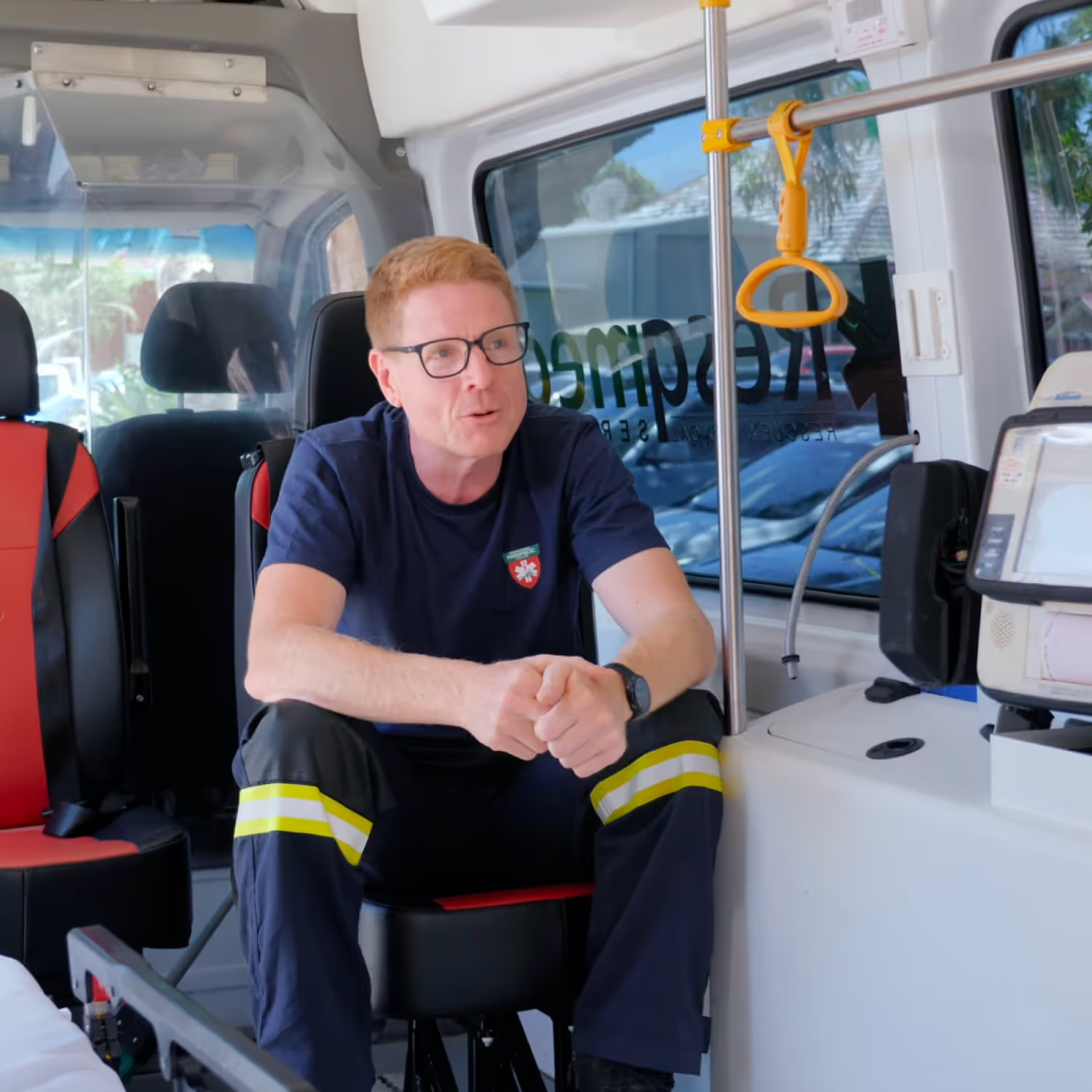
“The structure was straightforward and the support was there when I needed it. Workshops were practical, and I always knew what I was working toward.”

“I wanted training that felt real. The scenarios, feedback and support helped me build skills I can actually apply, especially when things get stressful.”
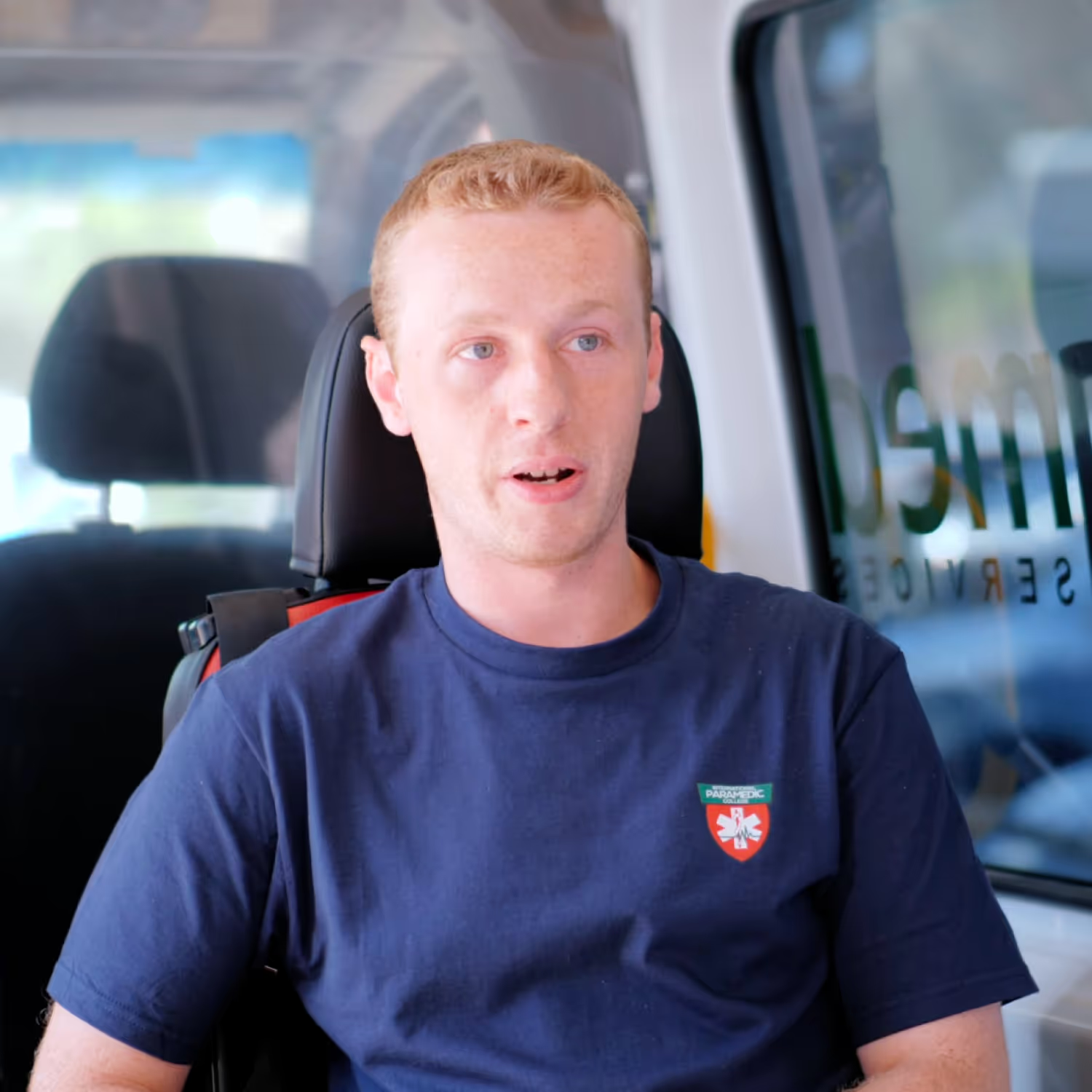
“What stood out was how approachable the team is. They teach in a calm, practical way and make sure you understand the ‘why’, not just the steps.”

“I learned more than skills - I learned how to think clearly under pressure. The practical training and feedback helped me feel ready for real-world situations.”


Trusted first aid provider for leading Australian brands








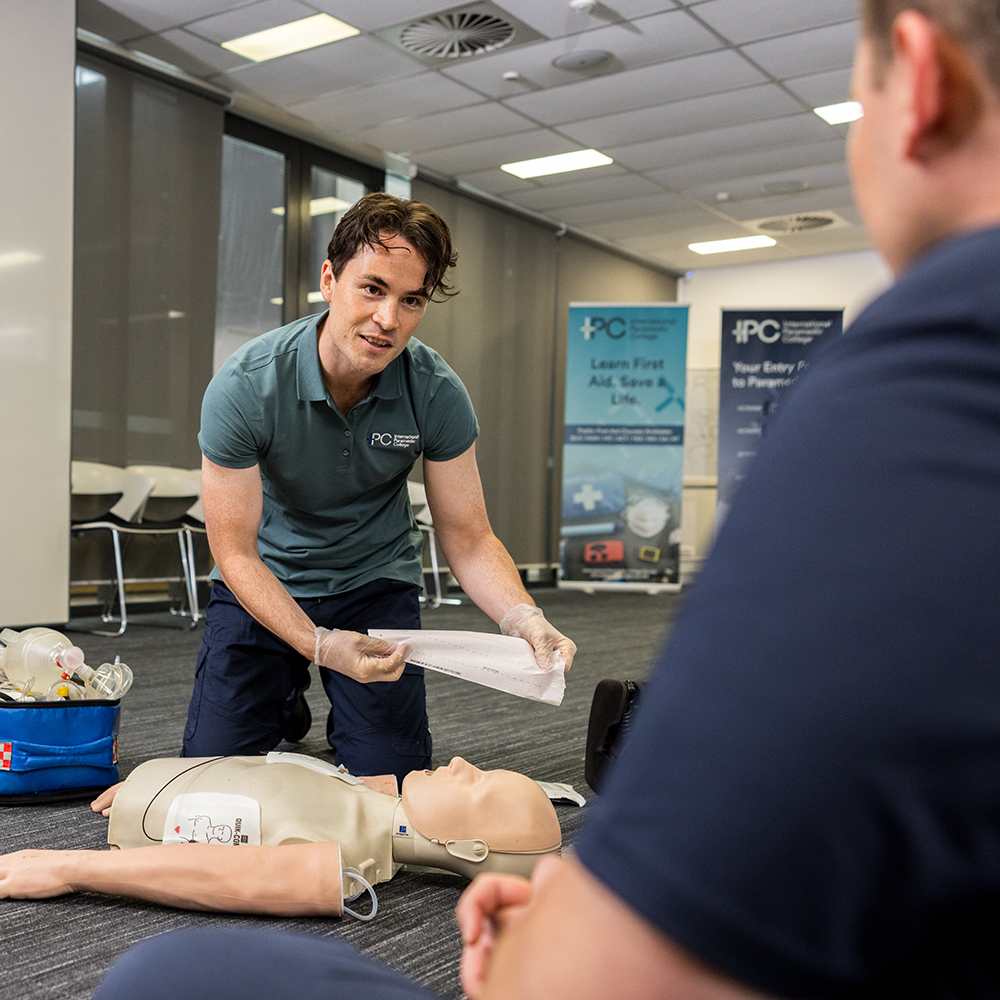
How the online training works
Study the theory online, film your practical tasks and upload them for assessment, with no classroom time.

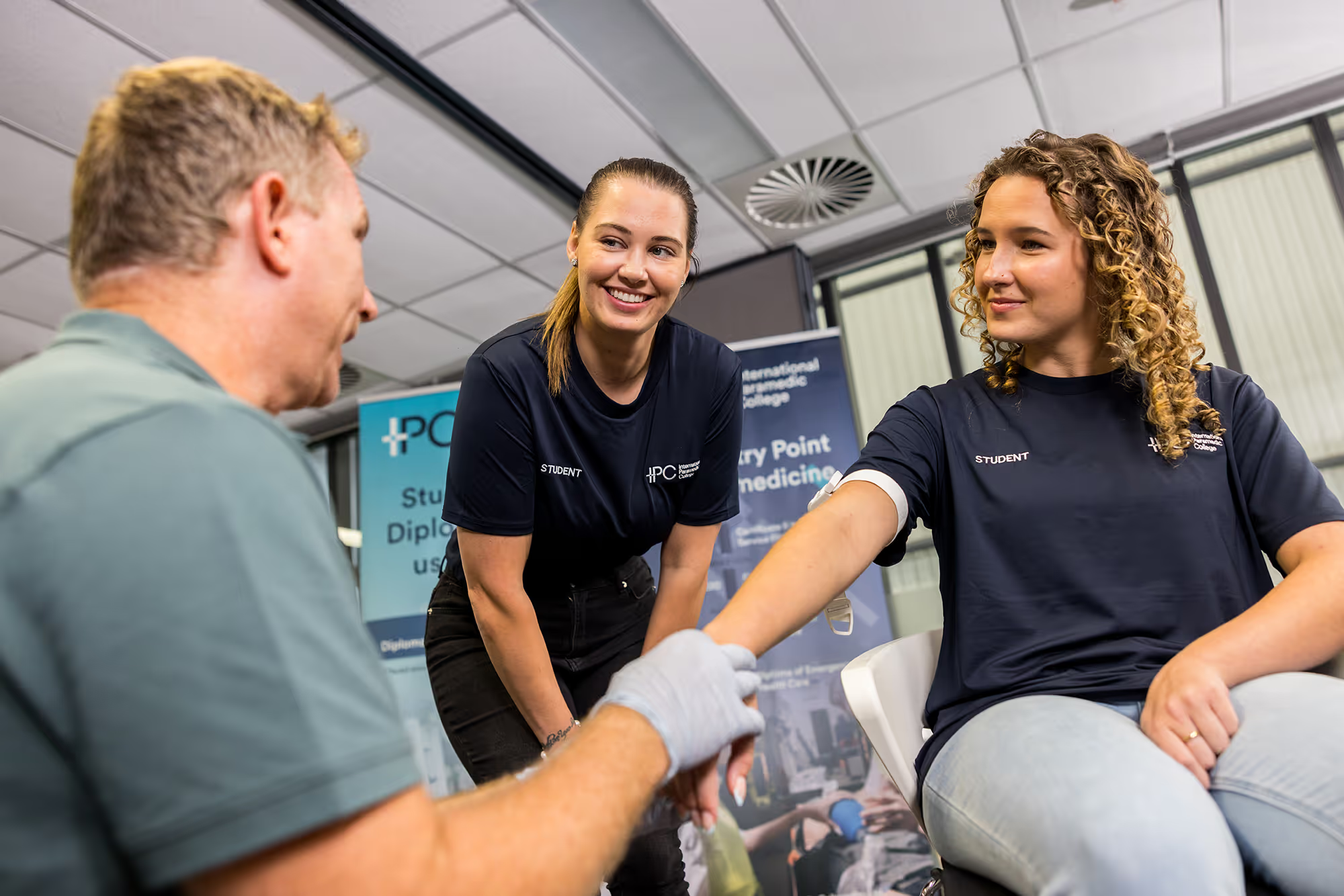
Enrol online and receive immediate access to the student portal.
Enrol anytime and start the online learning straight away.
Complete the online learning and film your practical tasks.
Work through the theory at your own pace, then record your risk assessment, log roll and transfers and upload them.
Receive your Statement of Attainment upon successful completion.
Once you’re deemed competent, you’ll receive your nationally recognised Statement of Attainment.
FAQs
Have questions about the HLTWHS005 Conduct Manual Tasks Safely course? Below you’ll find answers about the practical tasks, video assessment and how the unit suits aged care work.
What is HLTWHS005 Conduct Manual Tasks Safely?
HLTWHS005 is a nationally recognised unit covering how to recognise hazardous manual tasks, prepare for them and complete them safely. It’s commonly used as manual handling training for care, health and transport workers.
Is HLTWHS005 a good manual handling course for aged care?
Yes. The practical tasks focus on moving people, including a log roll and transfers from lying to sitting and sitting to standing, which are everyday tasks in aged care and disability support. Check with your employer if they need a specific unit code.
Can I complete HLTWHS005 online?
Yes. You’ll study the theory online and complete the practical tasks where you work or train, then submit them by video. There’s no classroom session to attend.
What do I need for the practical tasks?
You’ll need a device that records video, a suitable space and equipment such as a bed and chair, and someone to act as your patient. We’ll confirm the exact requirements when you enrol.
Does HLTWHS005 expire?
The Statement of Attainment has no set expiry date. Many employers ask staff to refresh manual handling training regularly, so check your workplace policy.
Manual handling training for aged care teams
Need several staff trained in HLTWHS005? Talk to us about enrolling your team so everyone works to the same safe handling techniques.
Move people and loads safely at work
See how this course prepares you for the transfers and lifts you’ll do on shift.
Online With Video Practical Tasks
Nationally Recognised Unit
Built for Aged Care and Care Workers
Trusted Training Australia Wide
HLTWHS005 accredited training, real outcomes
This nationally recognised unit is delivered by International Paramedic College (RTO 45284) under strict compliance standards, so you can study with confidence.
Registered Training Organisation (RTO 45284)
International Paramedic College is an ASQA-approved Registered Training Organisation (RTO 45284) that delivers nationally recognised training and qualifications in Australia.
Nationally recognised qualifications
We deliver nationally recognised qualifications and accredited training that support real employment and workplace outcomes.
Certification you can use anywhere
Upon completing training, your results lead to a recognised certification that can be used for employment, workplace compliance, and further study.

Take the next step into healthcare
Ready to move towards a career in healthcare? Secure your place and start building the skills, experience, and confidence needed to work in real clinical environments.
Unsure where to start? Download your free course guide and talk to a course advisor today

Learn from experienced health care trainers
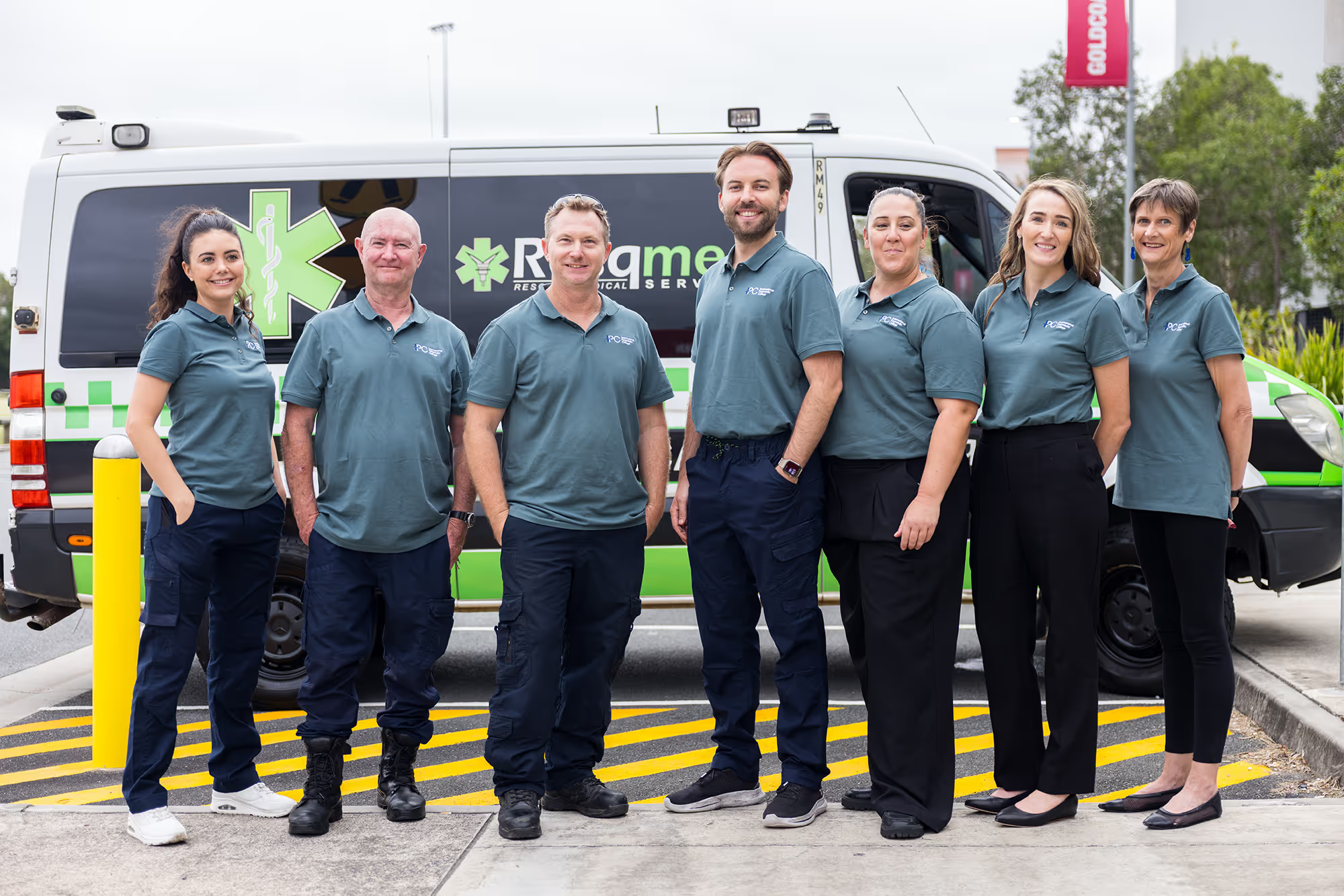
Our trainers bring real pre-hospital and patient care experience, so the techniques you learn reflect how people are actually moved at work.
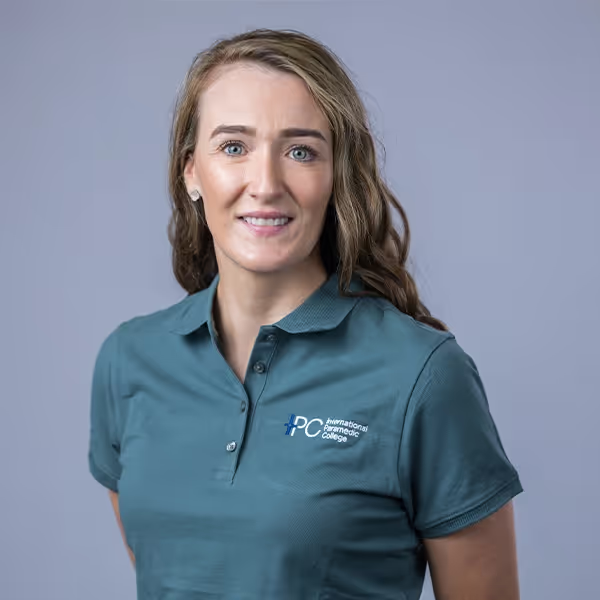
Susan Devlin
Susan Devlin is the Chief Executive Officer and Director of IPC, bringing over 20 years of experience in vocational education and training, business management and regulatory compliance. She leads IPC’s strategic direction with a focus on people, quality training and sustainable growth.
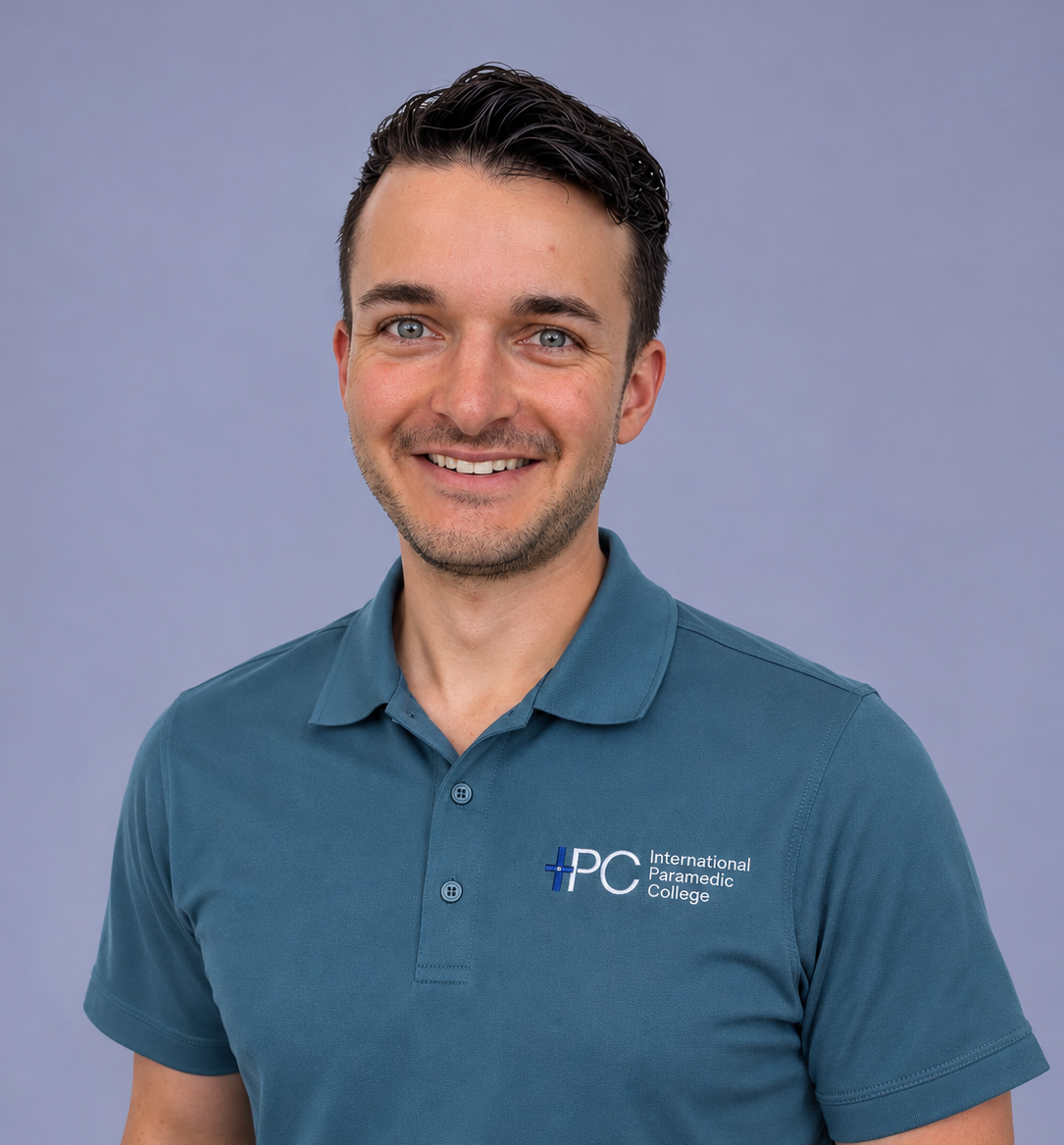
Kel Gale
Kel’s professional background spans training across the pre-hospital health care, maritime and tourism sectors, with a strong focus on providing practical, efficient, evidence-based education.
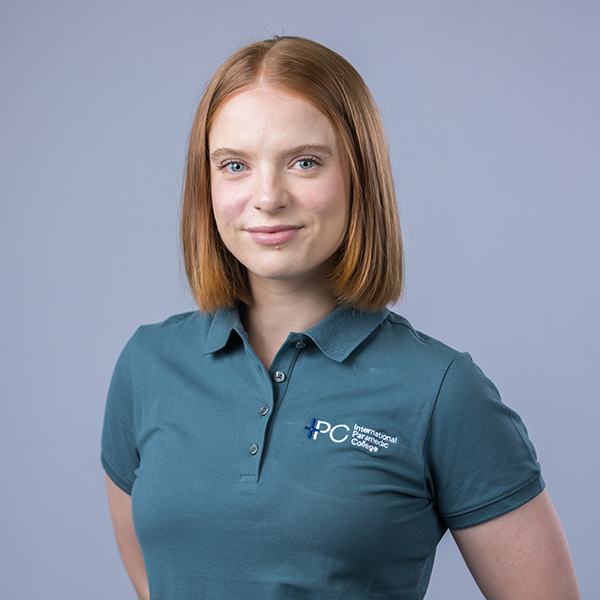
Reahanna Clark
Reahanna Clark is IPC’s Course Advisor, supporting new and continuing students as they navigate their training and career pathways in emergency health care. With over five years of RTO experience and a background in health sciences, she provides helpful guidance on course selection, enrolment, credit transfers, and RPL applications, helping students feel confident throughout their study journey.
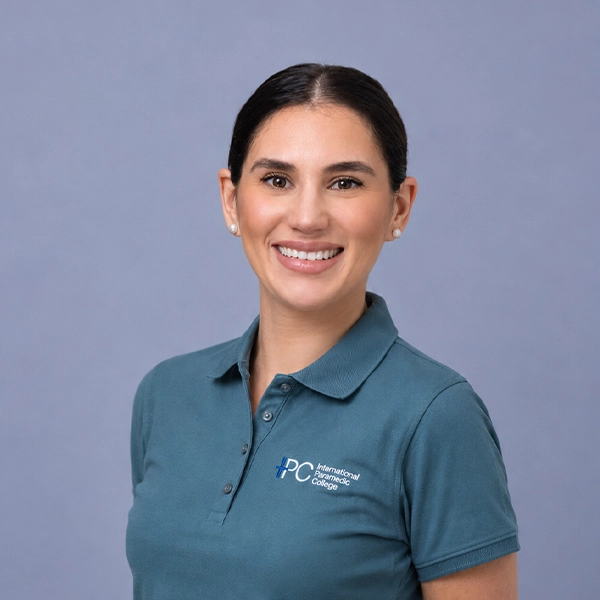
Caroline Gey
Caroline leads IPC’s audit and compliance activities, ensuring quality training outcomes, regulatory compliance, and robust systems that support students, trainers, and industry partners.
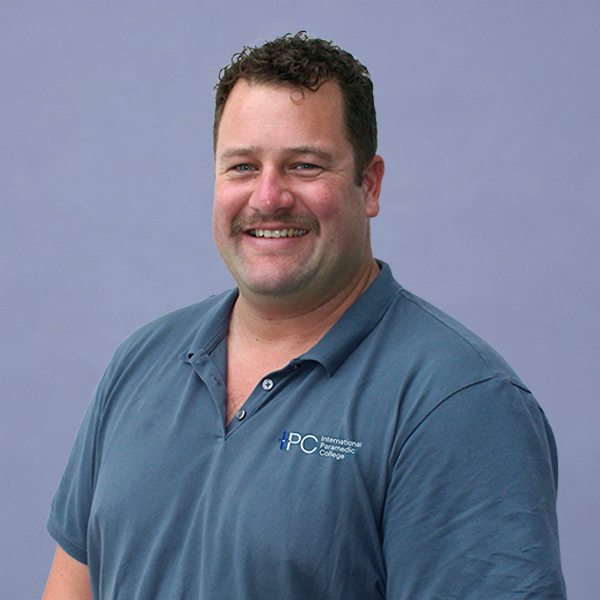
Dave Mortimer
David is a registered paramedic with NSW Ambulance and a highly experienced trainer with over 12 years of first aid education experience. He delivers practical, engaging training across the IPC’s first aid courses and trains our Diploma of Emergency Health Care, bringing real emergency‑response insight to every class.
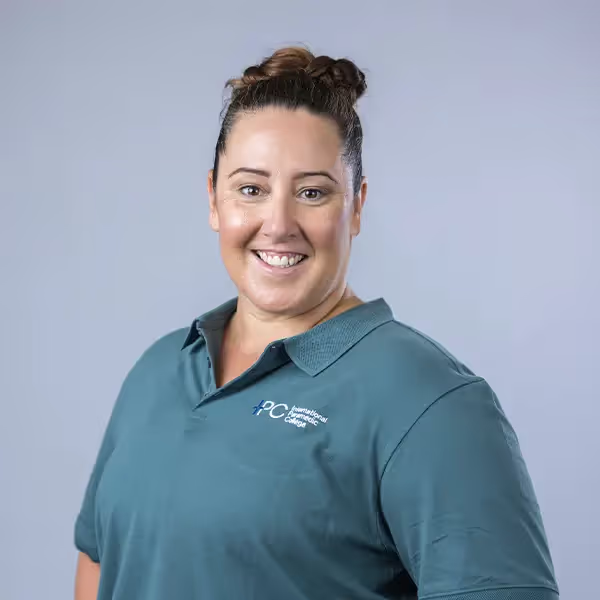
Dee Heffernan
Dee Heffernan is IPC’s Training and Professional Development Officer, working closely with partners to support training delivery and compliance. Drawing on her experience as a trainer and her paramedical studies, she helps partners stay informed, capable, and confident.

Cora O'Callaghan
Cora is IPC’s Training and Student Success Coordinator, supporting learners from enrolment through to course completion. Known for her solutions-focused style, she helps ensure students stay engaged, supported, and confident throughout their training journey.
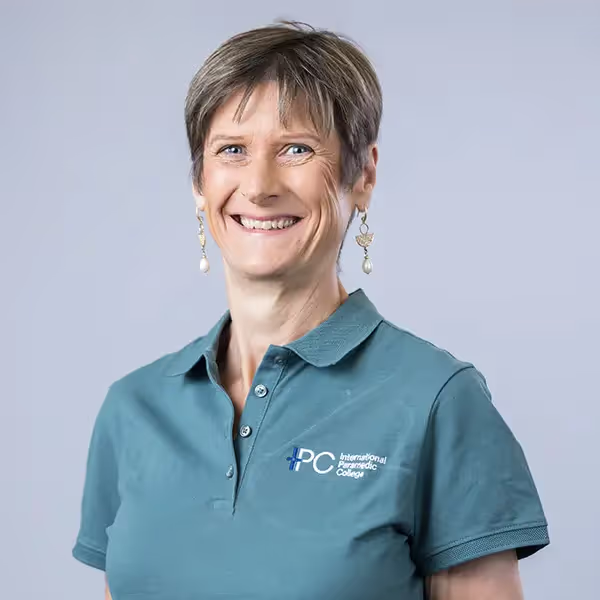
Lynette Hawthorn
Lynette Hawthorn is a Training Coordinator at IPC, helping students navigate their courses and stay on track from start to finish. She is passionate about supporting learners as they develop the skills needed to make a difference in their communities.
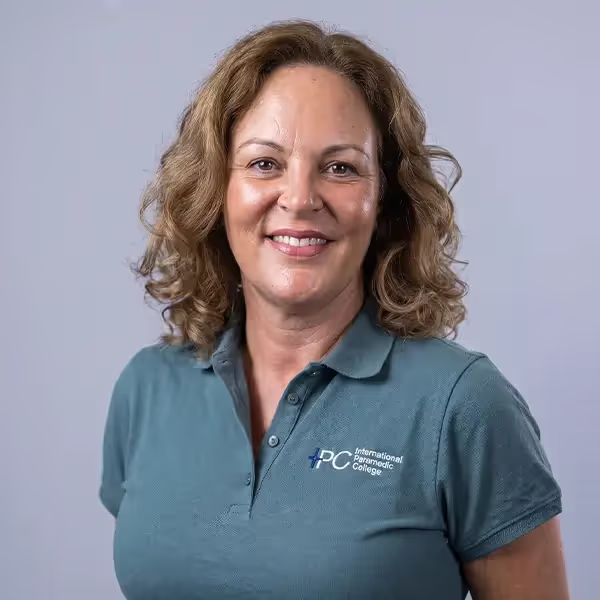
Rebecca Wade
Rebecca Wade is a Trainer and Assessor with more than 30 years of experience across community and children’s services. Her career supporting vulnerable individuals shapes her practical, compassionate approach to first aid training.
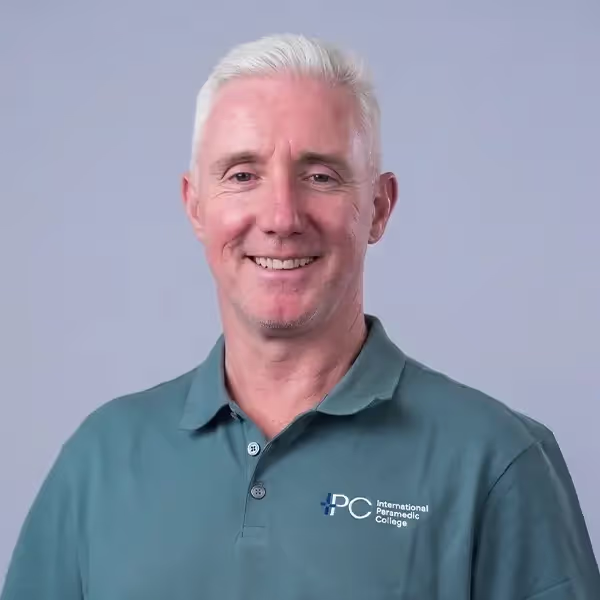
Tony Ruttley
Tony Ruttley is a Trainer and Assessor with over 20 years of experience in sports medicine and emergency care. His background as a rugby league sports trainer brings valuable real-world insight into injury management and emergency response.

Harjot Singh Sandhu
Harjot Singh Sandhu is an experienced Trainer and Assessor with more than 13 years in disability, mental health, and community healthcare. His hands-on background helps him deliver engaging first aid training grounded in real-world scenarios.
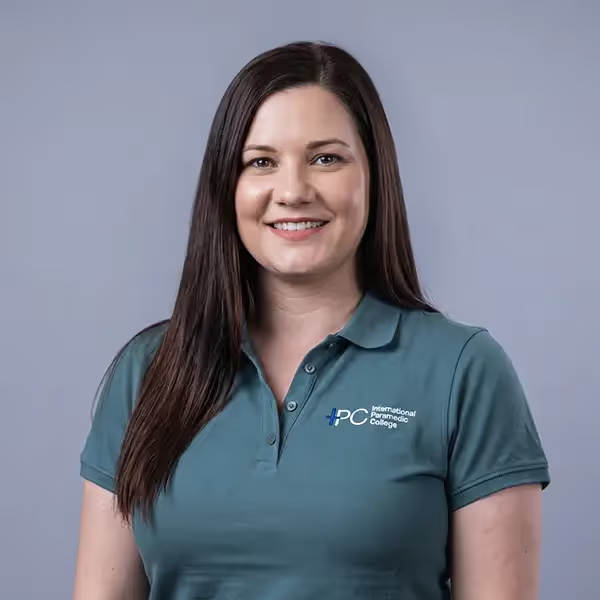
Tamieka Huxley
Tamieka Huxley is a Trainer and Assessor delivering first aid training across the Northern NSW region. She is passionate about empowering local communities with the confidence and skills to respond effectively in emergencies.

Steve Tevelein
Steve Tevelein is a First Aid and CPR Trainer with extensive experience in emergency response and community service. As a long-time SES member, he brings practical knowledge into every training session.
Aligned with WHS manual handling requirements
This course reflects WHS legislation and the hazardous manual tasks code of practice that apply to Australian workplaces.

Explore care and patient transport careers
Read practical guides on roles where safe manual handling is part of the job.

Get help starting your healthcare journey
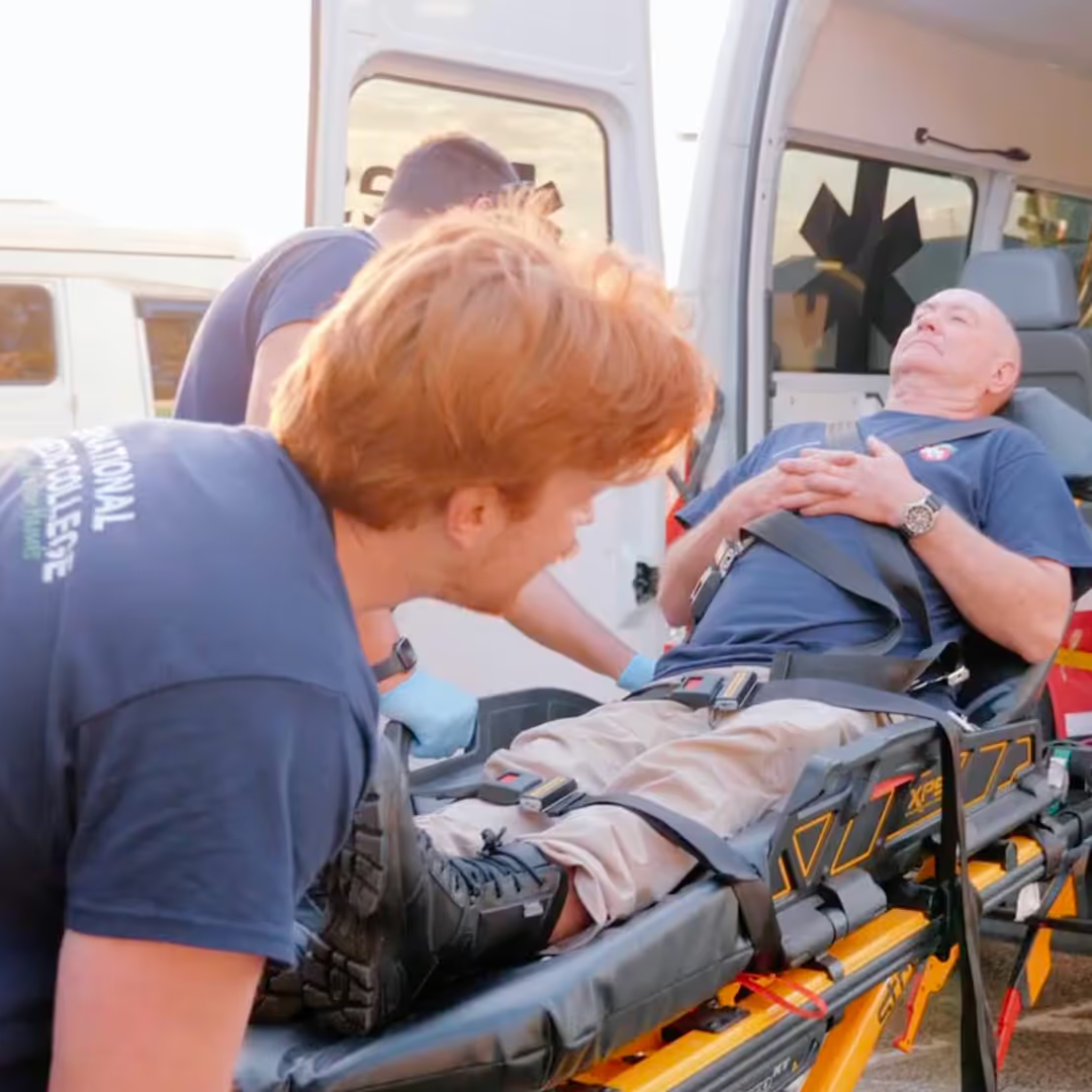
If you’re exploring entry-level healthcare training, our team can guide you through enrolment, study options, and what to expect from this course.
