


WHS Officer career and qualification pathway
A work health and safety (WHS) officer is in charge of identifying the risks that could injure people at work. On a typical day, they might inspect a construction site for hazards in the morning and investigate a near-miss after lunch. Employers usually want a Certificate IV in Work Health and Safety (BSB41419) plus current first aid. Speak with an IPC course advisor to choose the right first aid course for the role.

Understand the path from certificate to career
Most WHS officers get hired with a Certificate IV in Work Health and Safety (BSB41419), which employers usually require. Many also want a current first aid certificate, which you can complete with IPC through HLTAID011 Provide First Aid. Once you have some experience on the job, you can add the Diploma of Work Health Safety to pursue senior adviser and manager roles.
What does a WHS officer do?
A WHS officer helps an employer meet its legal duty to keep workers safe. They advise managers and staff on safety issues and keep workplace policies in line with WHS law. Day to day, they inspect the site for hazards and investigate incidents so the same injury doesn’t happen twice.
What the job involves
Your week will look different depending on where you work. On a construction site, you’ll spend more time checking scaffolding and machinery. At a council or school, you’ll focus more on policies and reporting. However, you can expect to handle the following in most WHS officer roles:
Inspections and risk assessments
You’ll inspect the site regularly to identify hazards like a blocked fire exit or a frayed extension lead. When you find a risk, you’ll assess how serious it is and set a timeframe for the fix. You might also have to measure how much dust or noise workers are exposed to in some workplaces, depending on the industry.
Incident investigation and reporting
It’s your job to figure out why a worker got hurt or had a near miss. You’ll speak with the people involved and check the area before you recommend corrective actions. Managers will also expect regular reports from you, such as one showing a rise in manual handling injuries in one team and what can be done to address it.
Inductions, training and toolbox meetings
New employees and contractors need a safety induction before they start, which is usually your job to deliver. You’ll also lead toolbox meetings, which are short safety talks held on site before a shift. These might cover working at heights safety tips or a recent near miss. When policies change, you’ll train staff in the updated procedures.
Return to work and the WHS committee
If a worker is injured, you may be in charge of coordinating their return to work. You’ll work with the worker and their doctor to plan suitable duties while they recover. Some employers make a Return to Work Coordination Certificate mandatory for the role. Many WHS officers also support the site WHS committee, where managers and worker representatives meet to discuss safety issues.


What WHS officers earn
The average WHS officer salary in Australia is between $90,000 and $110,000 a year, according to SEEK. Senior WHS officers can generally earn more, though. For example, the ACT Government recently advertised between $127,597 and $136,873 plus super for a role that requires adviser experience.
Unlike other positions in resources, there is no single award that sets WHS officer pay. That means each individual site is free to offer different salaries depending on the skills they require and the working conditions. For example, a site that requires a fly-in fly-out (FIFO) roster may offer above average to entice WHS officers to apply for these positions.
Where a WHS officer career can take you
Many WHS officers go on to become senior advisors or managers. Others specialise in one part of the job:
- WHS manager: You’ll lead your organisation’s safety program and manage its WHS team and budget. If a regulator investigates an injury, you’ll coordinate the employer’s response.
- Return to work coordinator: If you enjoy the injury management side of the job, you can specialise in helping injured workers return to their duties. Some employers require a Return To Work Coordinator Certificate for the role.
- Occupational hygienist: In this role, you’ll measure how much dust, noise or chemicals workers are exposed to and recommend ways to reduce it. Jobs and Skills Australia lists it as a specialisation of WHS advisor work.
- Health and safety trainer: You can teach WHS courses at a registered training organisation with a Certificate IV in Training and Assessment (TAE40122).
Where the jobs are
About 17,000 people work as WHS officers and advisors in Australia. Construction employs more of them than any other industry, according to Jobs and Skills Australia. Mining companies also hire WHS officers, with many FIFO roles based in the Pilbara and North Queensland.
You’ll also find WHS officer roles at local councils like the City of Karratha and in state and territory government departments. Schools and community organisations hire them too, including Catholic Education SA and Greenacres in NSW.
Who this pathway is for
- People who notice when something at work isn’t safe and want to fix it
- Tradespeople and site workers ready to leave the tools
- First aiders who want a bigger say in workplace safety
- Admin staff with an eye for policy and detail
Skills you’ll build along the way
- Identify hazards and assess how serious they are
- Investigate incidents and work out what went wrong
- Explain safety procedures to workers in plain language
- Write workplace policies that comply with WHS law
- Help injured workers plan a safe return to work
A simple WHS officer training sequence
You don’t need a degree to work as a WHS officer. Complete first aid and the Cert IV before you apply, then keep studying once you’re on the job. Here’s a sequence that fits most WHS officer careers:
Many employers want a current first aid certificate, which you can earn through HLTAID011 Provide First Aid at IPC. You’ll need to renew it every three years.

Most employers require the Certificate IV in Work Health and Safety (BSB41419) for WHS officer roles. IPC doesn’t deliver it, but our partner Safety Corp (RTO 91694) does.
You’ll need the Cert IV core units to enrol in the Diploma of Work Health and Safety (BSB51319). Many employers list a Diploma or degree for senior WHS advisor roles.
Certification through the Australian Institute of Health and Safety is voluntary, though you can apply to become a Certified Generalist WHS Practitioner with a Diploma and at least three years of experience.
Do you need a qualification?
Not in practice, but most employers won’t hire you without the Certificate IV in Work Health and Safety (BSB41419). There is no law or regulation stating a specific qualification you need to start the role, but having some form of training lets employers know that you’re a good fit.
Jobs and Skills Australia rates WHS advisor work at skill level 1, which is equivalent to a bachelor degree. It also notes that on-the-job training and experience can count towards that level. For senior positions, you may need a Diploma or a university WHS qualification.
First aid and CPR courses
Most employers require WHS officers to have a valid HLTAID011 Provide First Aid. For roles in schools, they may accept HLTAID012 Provide First Aid in an Education and Care Setting instead. If your employer also asks you to manage first aid for the whole site, you can add HLTAID016 Manage First Aid Services and Resources or the Occupational First Aid Skill Set (HLTSS00068) qualifications on top. You can start with these IPC courses:
HLTAID011: Provide First Aid
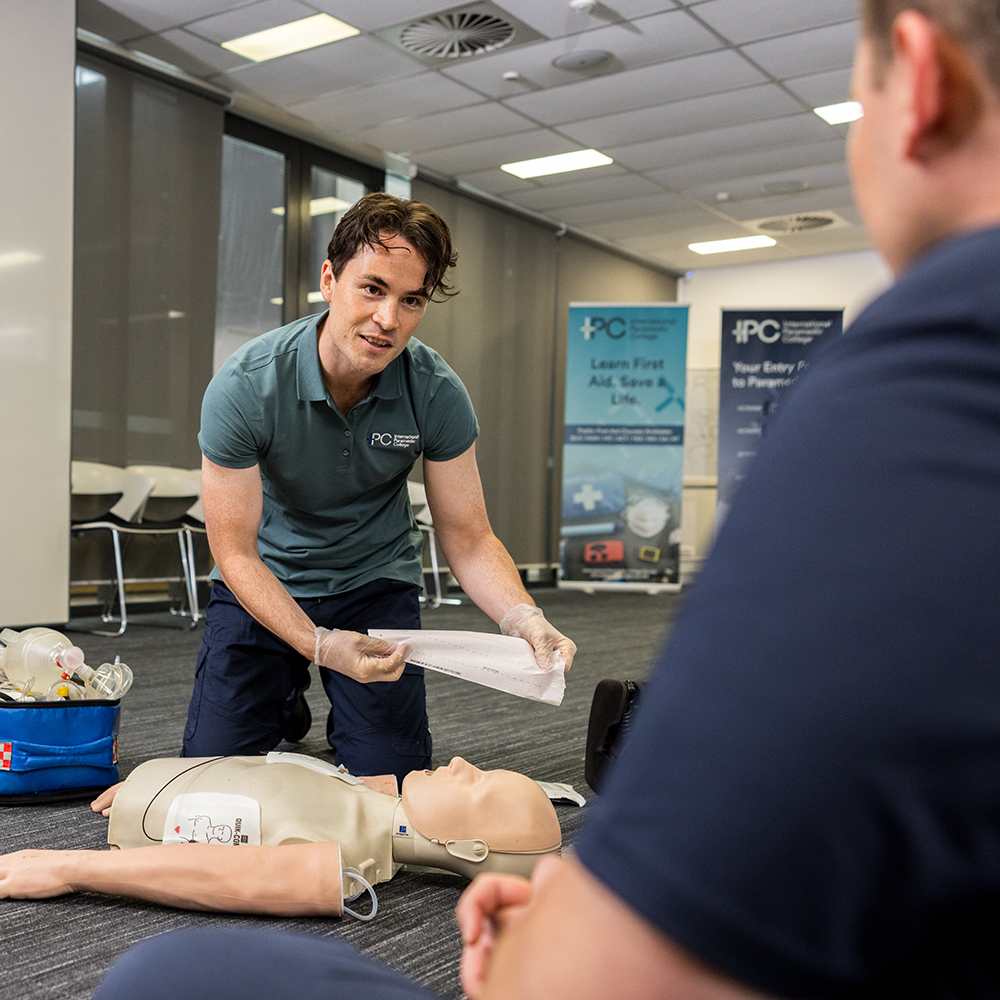
Nationally recognised First Aid training with online theory and face-to-face practicals. Includes HLTAID009 Provide Cardiopulmonary Resuscitation.
HLTAID012 First Aid in an Education & Care Setting
Designed for educators and childcare workers, this course focuses on responding to emergencies involving infants and children, meeting ACECQA and regulatory requirements. Includes HLTAID009 Provide Cardiopulmonary Resuscitation.
HLTAID014 Provide Advanced First Aid
Build advanced response skills for managing complex incidents, prolonged care, and multiple casualties. Suited to workplace first aid officers and high-risk environments.
How to follow the right progression
You don’t need to have everything mapped out on day one. Start with a realistic step, then build a clear course progression plan as you go.
Choose your starting level
Pick the qualification level that suits your current confidence and experience so your learning feels achievable.
Build skills through structured training
Complete your learning at a steady pace, focusing on competence rather than rushing, so you’re well-prepared for the next step.
Progress to the next qualification stage
When you’re ready, move up to the next level in the paramedic training sequence with clearer direction and stronger foundations.
Roles that connect with this pathway
WHS officers work closely with first aiders and the emergency response team on many sites. If you enjoy the first aid and emergency side of this job, you can explore these related pathways:
FAQs
Below, we’ve answered common questions about becoming a WHS officer.
Is a health and safety representative the same as a WHS officer?
No. Your employer hires a WHS officer to help the business meet its safety duties. A health and safety representative (HSR) is a worker elected by their work group to speak for them on safety issues. Safe Work Australia notes that HSRs aren’t responsible for fixing problems and are instead there to advocate on behalf of the workers.
Do you need a degree to become a WHS officer?
No. Most employers want the Certificate IV in Work Health and Safety (BSB41419) for entry-level roles. For senior positions, you may need a Diploma or a university WHS qualification.
What’s the difference between a WHS officer and a WHS manager?
A WHS officer handles day-to-day safety work like inspections and incident investigations, while a WHS manager leads the organisation’s safety program. They oversee budgets and lead the business’s response to compliance investigations.
Why IPC is a smart place to begin
International Paramedic College supports your WHS officer pathway by keeping learning practical and helping you understand what to do next.
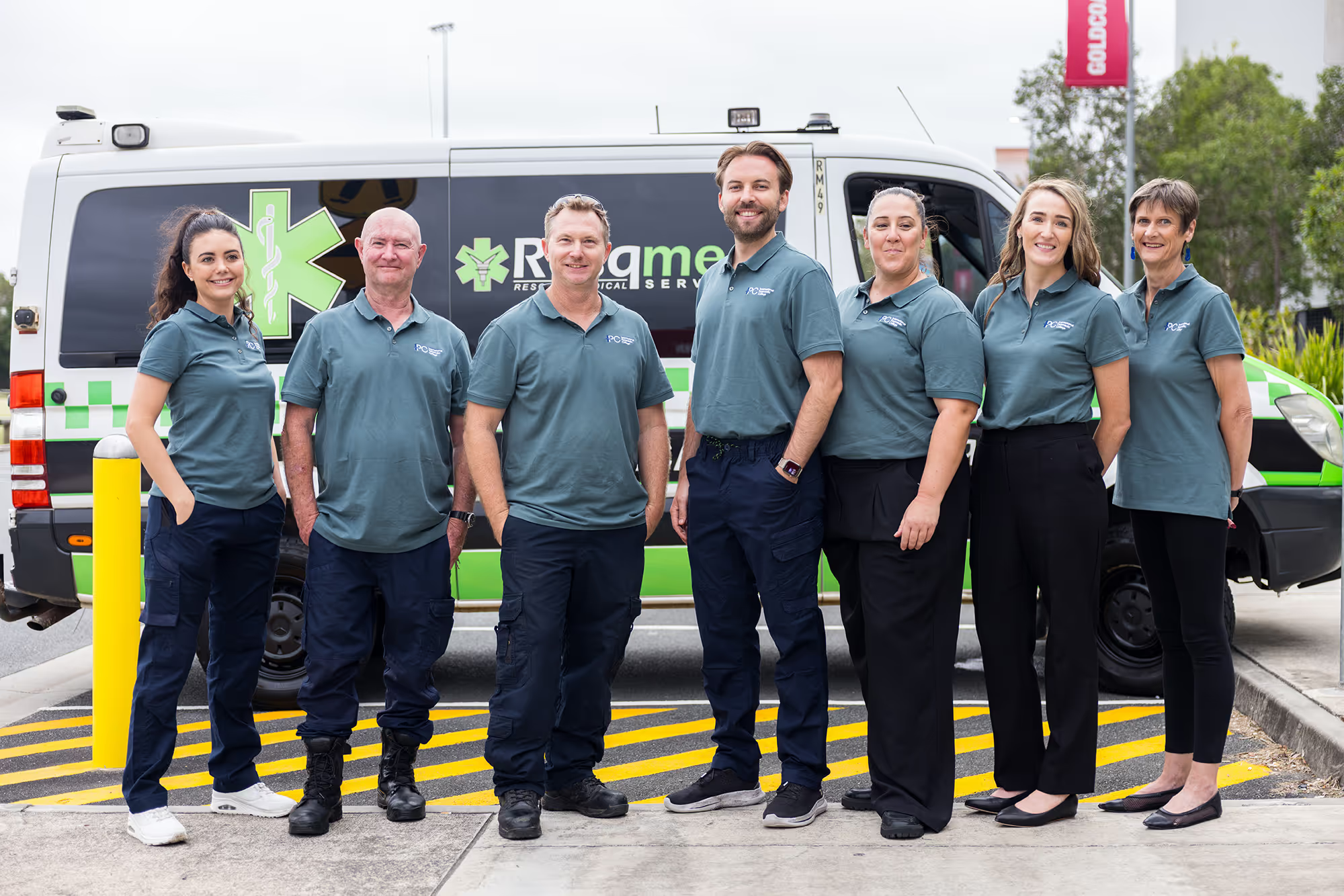

Training with real-world focus
Practical skill development and scenario thinking that's built for emergency-care readiness.

Clear progression support
We help you understand your next step in the paramedic training pathway.

Confidence-building structure
A guided learning model that keeps things achievable and goal-oriented.
Recognised training standards
When you’re working towards a WHS officer role, you want training that’s credible and consistent.
Registered Training Organisation (RTO 45284)
International Paramedic College is an ASQA-approved Registered Training Organisation (RTO 45284) that delivers nationally recognised training and qualifications in Australia.

Nationally recognised qualifications
We deliver nationally recognised qualifications and accredited training that support real employment and workplace outcomes.

Certification you can use anywhere
Upon completing training, your results lead to a recognised certification that can be used for employment, workplace compliance, and further study.

What our students say
Students often tell us the biggest difference is clarity. This includes knowing what to study first, what to build next, and how to stay motivated through the process.
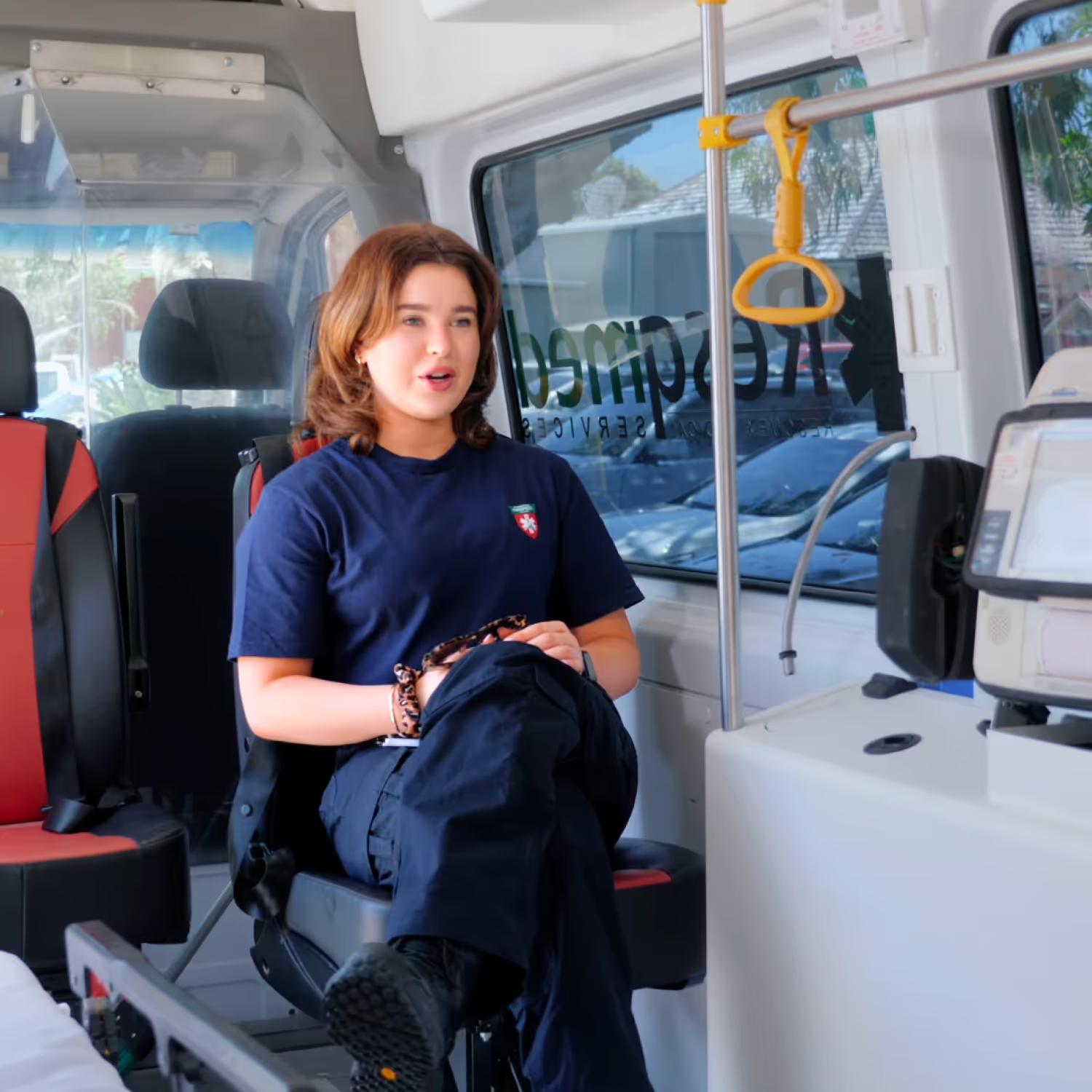
“IPC made learning feel achievable. The trainers explained things clearly, the practical sessions were hands-on, and I finished the course feeling genuinely more confident.”
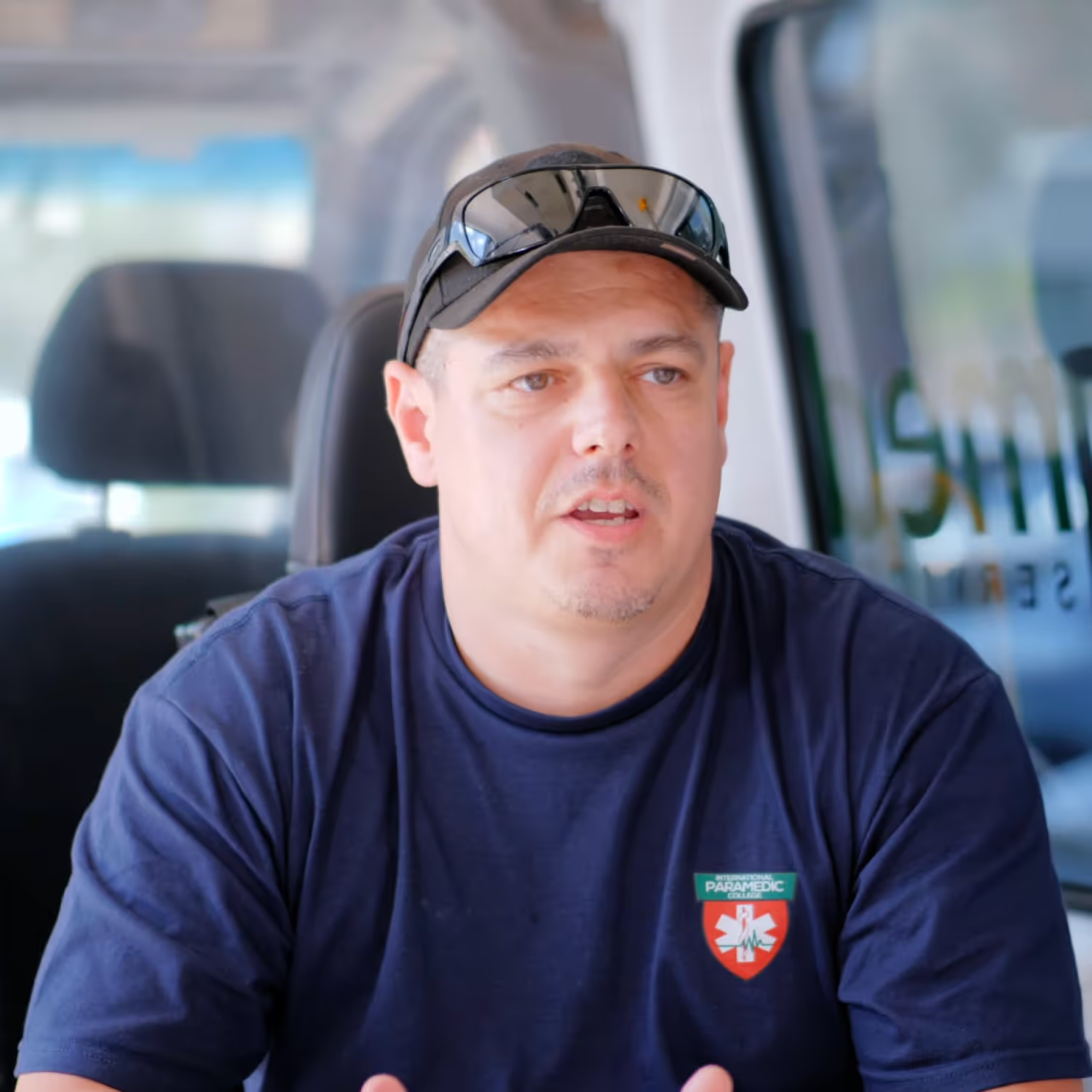
“I chose IPC because when I did research I found they had really good feedback from the students and students coming back to do more courses so I believe it’s the right school for me and the price was really good.”
“The structure was straightforward and the support was there when I needed it. Workshops were practical, and I always knew what I was working toward.”
“I wanted training that felt real. The scenarios, feedback and support helped me build skills I can actually apply, especially when things get stressful.”
“What stood out was how approachable the team is. They teach in a calm, practical way and make sure you understand the ‘why’, not just the steps.”

“I learned more than skills - I learned how to think clearly under pressure. The practical training and feedback helped me feel ready for real-world situations.”

Ready to plan your WHS officer pathway?
If you want help choosing the right starting point or mapping your next stage, our team can guide you through your options.
Our licences
Our qualification pathways for WHS officer work are built around nationally recognised training and industry-aligned standards.

Insights and guides
Explore these articles to learn more about WHS officer work, the qualifications behind it and how your study choices can shape your career.




Get help starting your healthcare journey
If you’re exploring entry-level healthcare training, our team can guide you through enrolment, study options, and what to expect from this course.
