


Occupational first aid officer career and qualification pathway
Every Australian workplace has to provide first aid. In most cases, that means training someone already on staff. The occupational first aid officer is the person who treats injuries and illness until an ambulance arrives. Which course you need depends on how risky the workplace is, since an office and a mine site face very different problems. For dedicated occupational first aid roles, industry endorses the HLTSS00068 Occupational First Aid Skill Set, which combines HLTAID011, HLTAID014, HLTAID015 and HLTAID016.

Understand the path from certificate to career
Occupational first aid officer is a responsibility you take on at work, not a job you can apply for. Your employer appoints you, pays for the training in most cases, and expects you to respond when somebody gets hurt. Which course you need depends on how risky your workplace is and how far it is from help.
What is an occupational first aid officer?
An occupational first aid officer is the person a workplace trained to treat injuries and illness until professional help arrives. Australian workplaces have a duty of care to provide first aid, which they meet by appointing first aid officers.
The role usually goes to someone already working at the company. A site supervisor or an office manager completes the training and becomes the person others come to when something happens. Larger workplaces sometimes do employ dedicated first aid officers, though that’s much less common.
You’ll also see the role called a workplace first aider or a first aid responder. They describe the same thing, as employers use them interchangeably.
What does an occupational first aid officer do?
You’ll spend most of the role preparing rather than responding. That means checking the first aid kits and AEDs, replacing what’s expired and making sure everyone knows where the supplies are and who to call.
When something does happen, you’ll be the first to respond. That includes cuts, burns, sprains and other injuries, along with the occasional severe medical emergency like cardiac arrest or seizures.
You’ll also handle what comes after, like the incident reports, restocking and servicing. How far your treatment goes depends on your training and your workplace. In an office, you might stabilise someone until the ambulance arrives. On a remote site, you may have to manage a patient for hours before help gets there.
What first aid officers actually treat
What comes through the door depends entirely on where you work. In offices and retail, most of what you’ll see is minor. Cuts from paper and box knives, burns from hot drinks, headaches, nausea, and people who feel faint. The serious cases are medical and not traumatic, like cardiac events, seizures, asthma attacks, and anaphylaxis from something in the lunchroom.
In warehouses and manufacturing, machinery changes everything. You’ll see crush injuries, lacerations from tools and blades, eye injuries from grinding chemicals, back and shoulder strains from lifting, and burns from hot surfaces or welding.
On construction sites, the falls are what everyone trains for. Injuries from height, struck-by injuries from falling material, deep lacerations, fractures, and heat illness during the summer are all common.
On remote and mining sites, injuries are similar to construction, with one difference that changes everything: help is hours away. You’ll have to manage the patient for far longer than a city first aider ever would.
Across all four settings, the most common serious incident is a cardiac arrest, which is why having a First Aid and CPR certification is the most important part of this role.


Do occupational first aid officers get paid extra?
Some do, though the amount is smaller than you might think. The Clerks Private Sector Award pays $16.79 a week to an employee who holds current first aid qualifications and gets appointed to the role, which works out to roughly $873 a year. Construction awards pay a daily rate instead.
Health employers pay nothing extra at all. The Health Professionals and Support Services award has no first aid allowance because first aid is already part of the job.
Schools are generally the only exception to the two scenarios above. They advertise dedicated first aid positions, which range from $57,000 to $75,000 a year according to SEEK.
Where the career can take you
First aid training is where a lot of people discover they want to work in emergency care. If that’s you, these roles can turn that role into a career:
- First responder: This turns the first aid role into the job itself, working for event medical companies, industrial sites or patient transport providers. The Certificate IV in Health Care is what most employers ask for.
- Event medic: Festivals and sporting events hire casually, which suits people who want the work without leaving their current job.
- Emergency services officer: This one adds fire and rescue response to the clinical side. HLTAID014 Provide Advanced First Aid is the usual clinical requirement, which you may already hold if your workplace is high-risk.
- Patient transport officer: Regular hours and a steady roster, which you can get through a Certificate III in Non-Emergency Patient Transport.
How many first aid officers does a workplace need?
Safe Work Australia recommends one first aider per 50 workers in low-risk workplaces like offices, one per 25 in high-risk workplaces like construction sites, and one per 10 in remote high-risk workplaces like mines.
Those are recommendations, though, not hard law. The legal duty is to provide adequate first aid to your specific workplace, which an employer works out through a risk assessment. The ratios are how most of them get there.
First aid rooms follow the same logic. Safe Work Australia recommends one at 200 or more workers in low-risk settings, and at 100 or more in high-risk settings.
Which first aid course do you need?
The right course depends on your workplace. Safe Work Australia expects first aiders to hold a nationally recognised statement of attainment, so a generic online certificate won’t satisfy your employer’s obligation. These are the most common qualifications:
- HLTAID011 Provide First Aid: This is the standard workplace qualification and what most employers mean when they ask for first aid training. It covers CPR, bleeding, burns, fractures and medical emergencies.
- HLTAID014 Provide Advanced First Aid: High-risk workplaces usually want this one. It adds advanced resuscitation, managing multiple casualties and coordinating other responders at an incident.
- HLTAID013 Provide First Aid in Remote or Isolated Site: Mine sites, farms and remote operations need this, since it covers managing a patient when help is hours away.
Other units you may need
Depending on your role and the equipment on site, your employer may also ask for one or more of these:
- HLTAID009 Provide CPR: This one covers CPR alone. You complete it inside HLTAID011, though you’ll also book it separately each year to keep that component current.
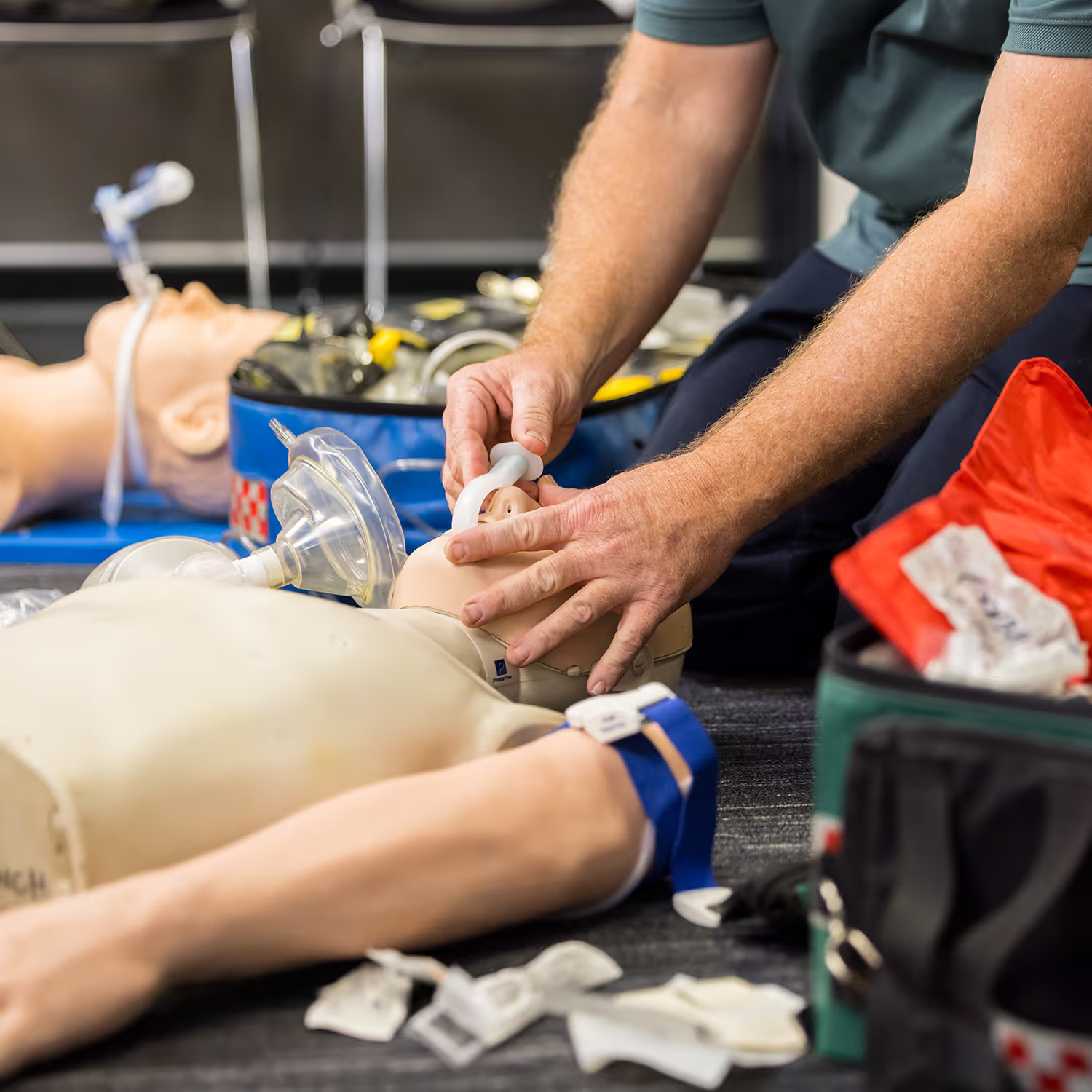
- HLTAID015 Provide Advanced Resuscitation and Oxygen Therapy: This one adds oxygen therapy and advanced resuscitation equipment, like bag-valve-mask ventilation and suction, to what you learn in HLTAID011. Workplaces that keep oxygen or advanced resuscitation equipment on site usually ask for it.
- HLTAID016 Manage First Aid Services and Resources: This unit is specific to the occupational first aid role. It covers running first aid across a whole workplace, from working out what first aid the site needs to managing kits, equipment and records.
- HLTSS00068 Occupational First Aid Skill Set: This combines HLTAID011, HLTAID014, HLTAID015 and HLTAID016, and it’s the skill set industry endorses for people in nominated occupational first aider roles.
How often do you renew?
Your HLTAID011 Provide First Aid certificate lasts three years. The CPR component inside it expires after 12 months, which catches people out at renewal time.
That means two bookings across a three-year cycle. You’ll complete HLTAID009 Provide CPR on its own twice before your full first aid certificate comes up again.
Safe Work Australia recommends both intervals, though no legislation explicitly states a number. Your employer or industry body sets what you actually need, and high-risk workplaces often ask for refreshers more often.
A simple occupational first aid training sequence
Most people build up to the full occupational first aid skill set one unit at a time, adding to it as their workplace asks for more:
This is the standard workplace qualification and what most employers mean when they ask for first aid training.

High-risk workplaces usually want this one. It adds advanced resuscitation, managing multiple casualties and coordinating other responders at an incident.
This adds oxygen therapy and advanced resuscitation equipment. Workplaces that keep oxygen on site usually ask for it.
Add HLTAID016 Manage First Aid Services and Resources to complete the skill set industry endorses for nominated occupational first aider roles.
Do you need a qualification?
Yes, although not a long one. Safe Work Australia expects first aiders to hold a nationally recognised statement of attainment from a registered training organisation, which rules out generic online certificates.
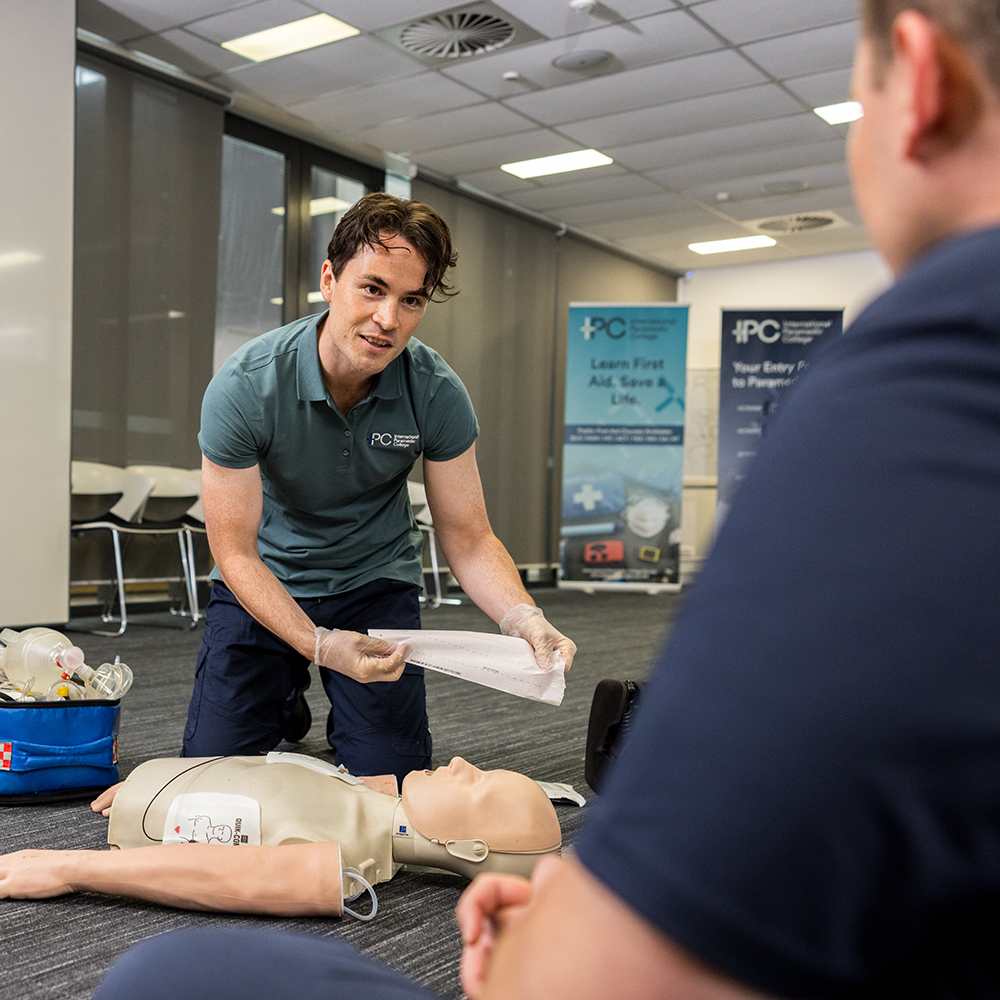
HLTAID011 Provide First Aid takes a day, including online theory beforehand and a face-to-face practical session. No prior healthcare experience is required.
Recommended courses
Which one you need depends on your workplace. Most offices and retail sites take HLTAID011 Provide First Aid, while high-risk and remote workplaces ask for more.
HLTAID011: Provide First Aid
Nationally recognised First Aid training with online theory and face-to-face practicals. Includes HLTAID009 Provide Cardiopulmonary Resuscitation.
HLTAID014 Provide Advanced First Aid
Build advanced response skills for managing complex incidents, prolonged care, and multiple casualties. Suited to workplace first aid officers and high-risk environments.
HLTAID013 First Aid in Remote or Isolated Sites
This course prepares participants to manage medical emergencies when professional help may be delayed. Ideal for remote workers, outdoor leaders, and regional environments. Includes HLTAID009 Provide Cardiopulmonary Resuscitation
HLTAID015 Advanced Resuscitation & Oxygen Therapy
Learn advanced airway management, oxygen delivery, and resuscitation techniques. Commonly required for healthcare, emergency response, and security roles.
How to follow the right progression
You don’t need to have everything mapped out on day one. Start with a realistic step, then build a clear course progression plan as you go.
Choose your starting level
Pick the qualification level that suits your current confidence and experience so your learning feels achievable.
Build skills through structured training
Complete your learning at a steady pace, focusing on competence rather than rushing, so you’re well-prepared for the next step.
Progress to the next qualification stage
When you’re ready, move up to the next level in the paramedic training sequence with clearer direction and stronger foundations.
Roles that connect
First aid training is the entry point to several roles that use the same skills full time:
FAQs
Below, we’ve answered common questions about becoming an occupational first aid officer.
What qualification do you need to be an occupational first aid officer?
HLTAID011 Provide First Aid from a registered training organisation. High-risk workplaces often ask for HLTAID014 Provide Advanced First Aid instead, and remote sites need HLTAID013 Provide First Aid in Remote or Isolated Site. Dedicated occupational first aid roles may ask for the full HLTSS00068 Occupational First Aid Skill Set.
How long does an occupational first aid course take?
About a day. You complete the theory online beforehand, then attend a face-to-face practical session where a trainer assesses your skills.
How many first aid officers does a workplace need?
Safe Work Australia recommends one per 50 workers in low-risk workplaces, one per 25 in high-risk workplaces and one per 10 in remote high-risk workplaces. Employers work out their own number through a risk assessment.
Do occupational first aid officers get paid extra?
Some do. The Clerks Private Sector Award pays $16.79 a week for holding the role, though many awards have no first aid allowance at all.
How often do you renew first aid certification?
Every three years for the full qualification, and every 12 months for the CPR component inside it. That means booking a standalone CPR course twice before your first aid certificate comes up for renewal.
Can you do an occupational first aid course online?
Only the theory. A trainer has to watch you demonstrate the practical skills before signing you off.
Why IPC is a smart place to begin
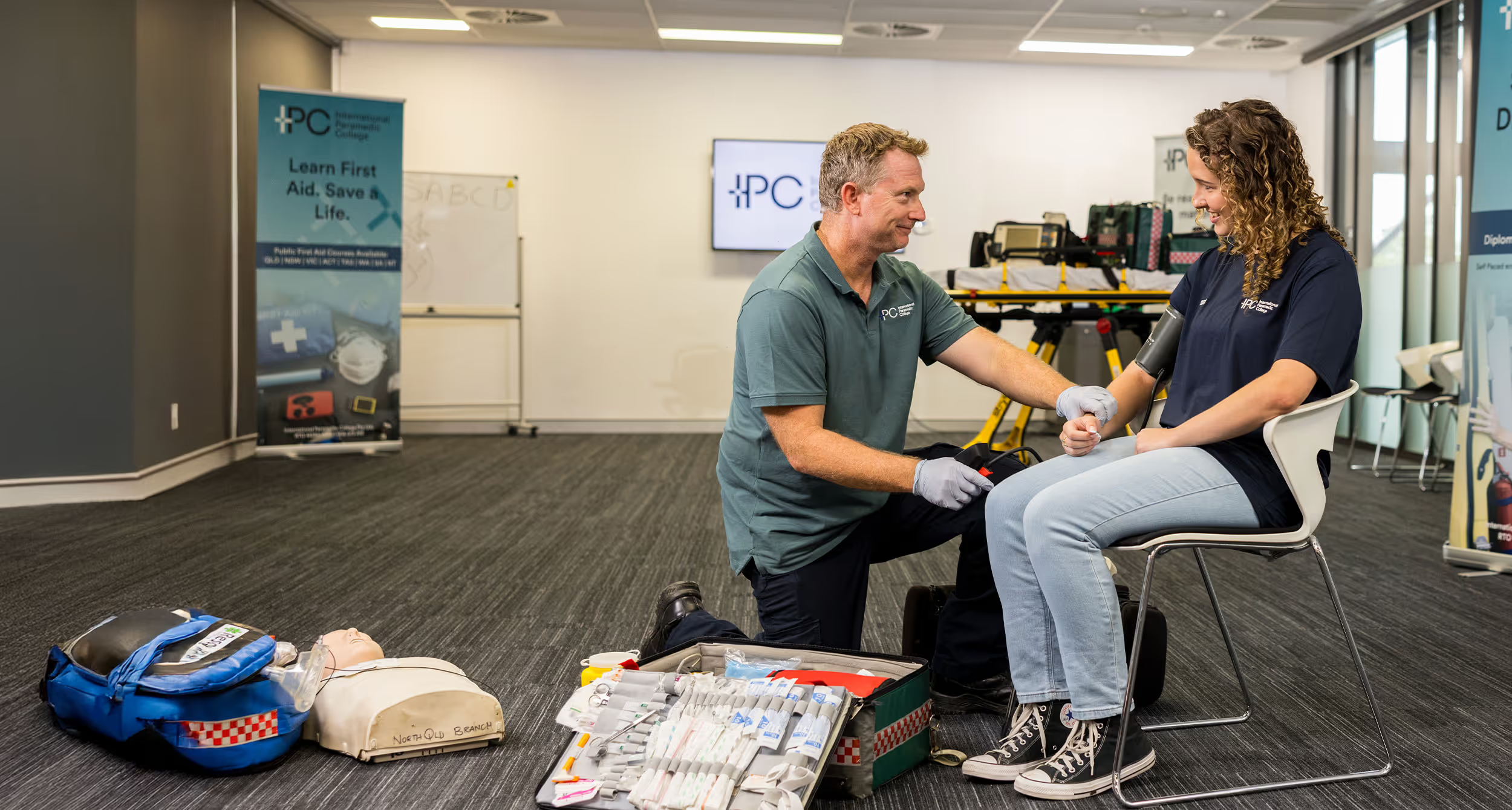
International Paramedic College supports your occupational first aid officer pathway by keeping learning practical and helping you understand what to do next.
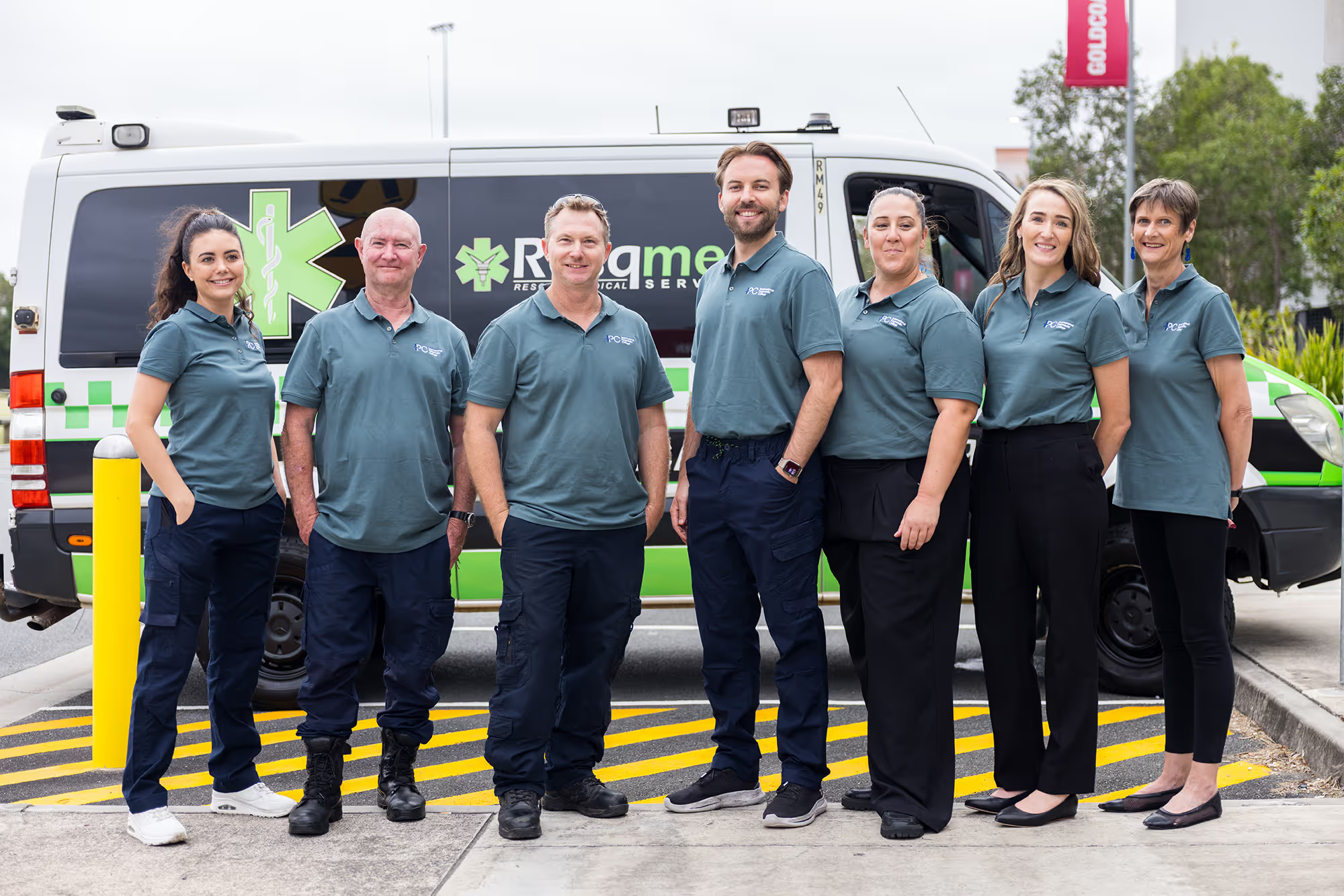

Training with real-world focus
Practical skill development and scenario thinking that's built for emergency-care readiness.

Clear progression support
We help you understand your next step in the paramedic training pathway.

Confidence-building structure
A guided learning model that keeps things achievable and goal-oriented.
Recognised training standards
When you’re working towards an occupational first aid officer role, you want training that’s credible and consistent.
Registered Training Organisation (RTO 45284)
International Paramedic College is an ASQA-approved Registered Training Organisation (RTO 45284) that delivers nationally recognised training and qualifications in Australia.

Nationally recognised qualifications
We deliver nationally recognised qualifications and accredited training that support real employment and workplace outcomes.

Certification you can use anywhere
Upon completing training, your results lead to a recognised certification that can be used for employment, workplace compliance, and further study.

What our students say
Students often tell us the biggest difference is clarity. This includes knowing what to study first, what to build next, and how to stay motivated through the process.
“IPC made learning feel achievable. The trainers explained things clearly, the practical sessions were hands-on, and I finished the course feeling genuinely more confident.”

“I chose IPC because when I did research I found they had really good feedback from the students and students coming back to do more courses so I believe it’s the right school for me and the price was really good.”
“The structure was straightforward and the support was there when I needed it. Workshops were practical, and I always knew what I was working toward.”
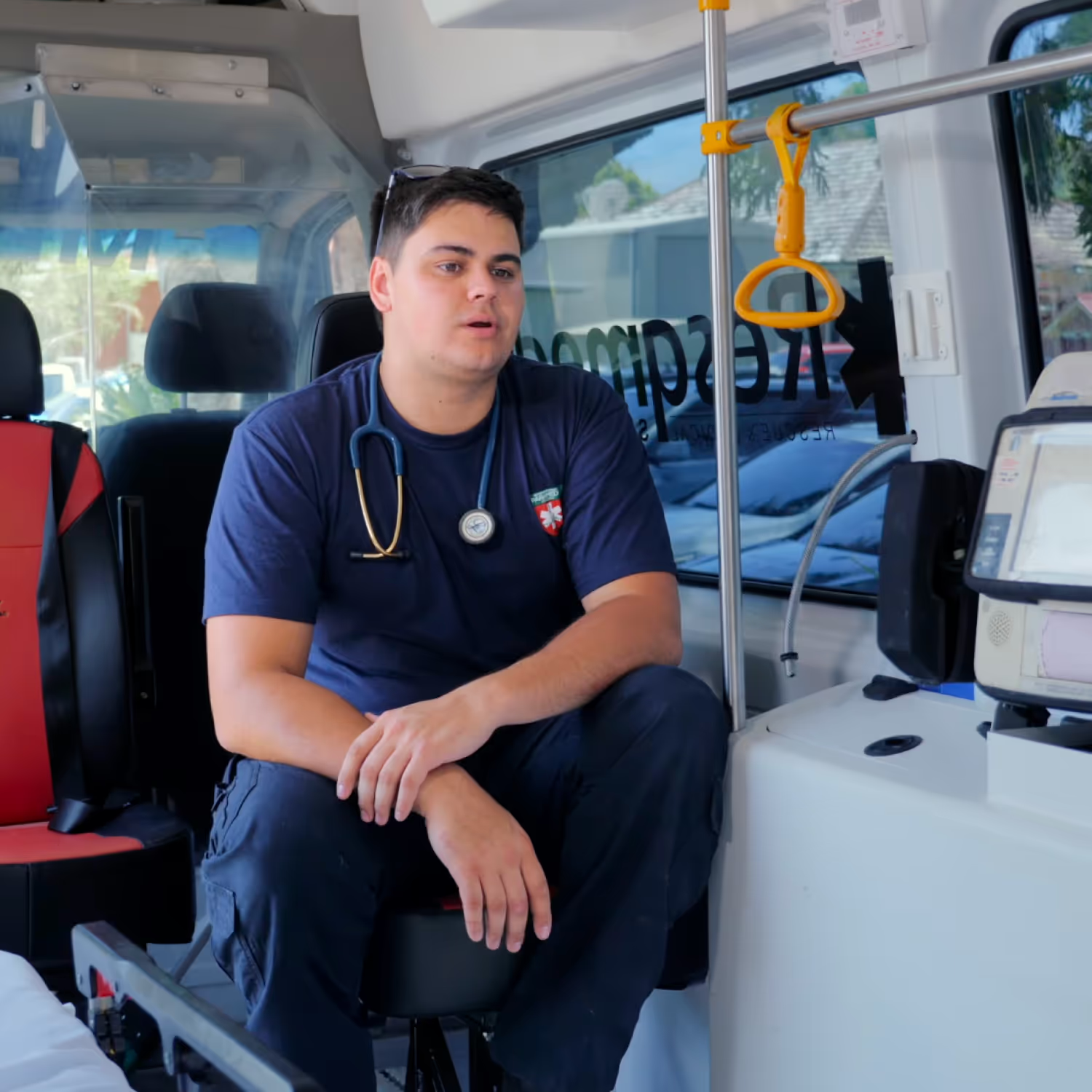
“I wanted training that felt real. The scenarios, feedback and support helped me build skills I can actually apply, especially when things get stressful.”
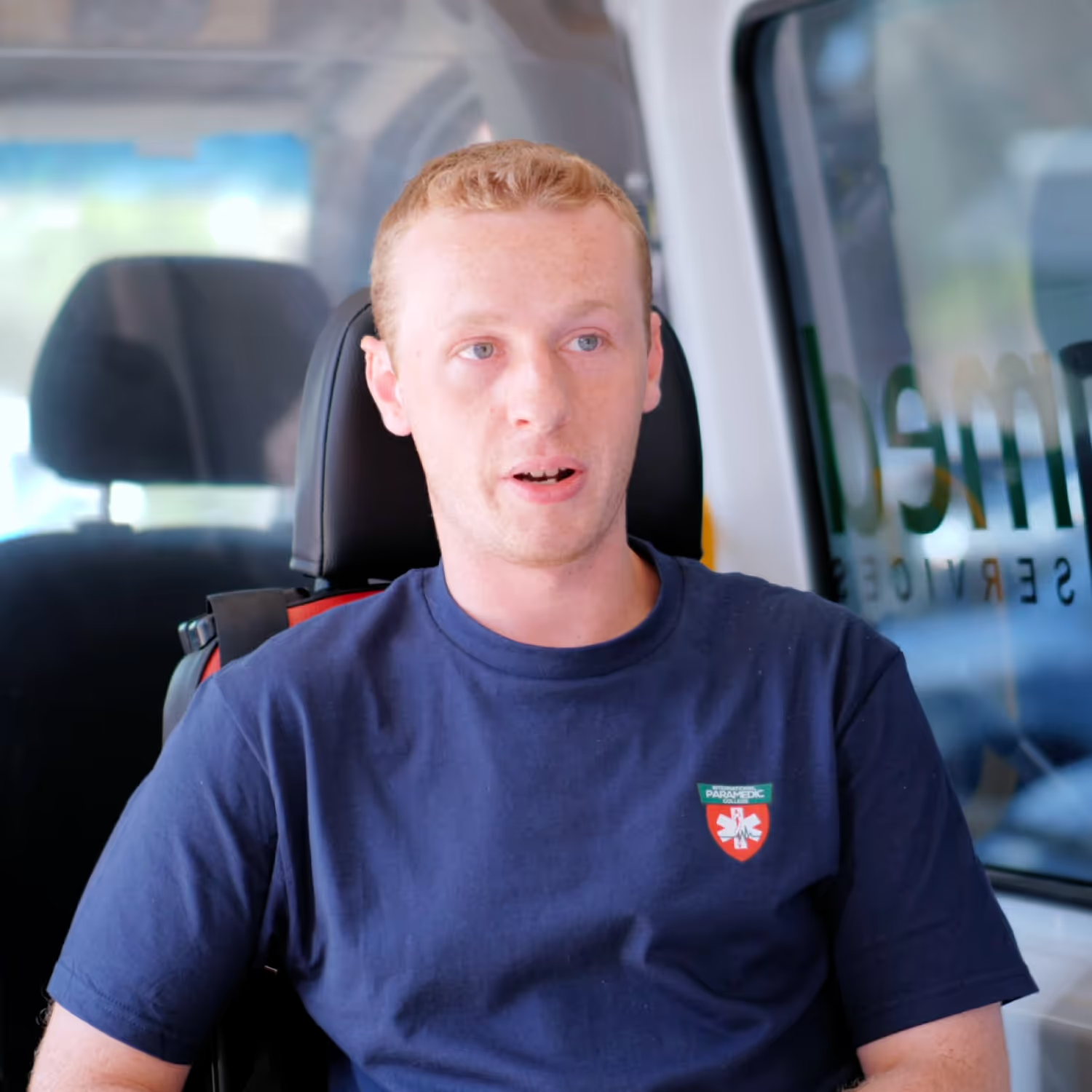
“What stood out was how approachable the team is. They teach in a calm, practical way and make sure you understand the ‘why’, not just the steps.”

“I learned more than skills - I learned how to think clearly under pressure. The practical training and feedback helped me feel ready for real-world situations.”

Ready to plan your occupational first aid officer pathway?
If you want help choosing the right starting point or mapping your next stage, our team can guide you through your options.
Our licences
Our qualification pathways for occupational first aid officer work are built around nationally recognised training and industry-aligned standards.

Insights and guides
Explore these articles to learn more about occupational first aid officer work, the qualifications behind it and how your study choices can shape your career.

Get help starting your healthcare journey
If you’re exploring entry-level healthcare training, our team can guide you through enrolment, study options, and what to expect from this course.
