


Patient transport officer career and qualification pathway
You can qualify as a patient transport officer in under a year and work in a health service while you do it. You’ll spend your shifts with patients who need a hand getting to appointments, treatment and home again. This page covers what the job pays and where it leads next. Find your starting point at International Paramedic College.

Understand the path from certificate to career
This guide covers the qualifications employers ask for and what the job involves once you’re on shift. You don’t need a degree to become a patient transport officer, as it’s a certificate-level role. The bar moves depending on who you work for, though. For example, Queensland Ambulance Service wants a Certificate III either before you start or within your first six months, while the NSW Health Employees’ Award sets current Basic Life Support accreditation as the minimum.
What does a patient transport officer do?
A patient transport officer drives non-emergency patients to and from health care facilities. You might work for a state ambulance service, a private operator or a provider like the Royal Flying Doctor Service, depending on where you live.
What the job involves
The transport is only half of it, since the patient will be under your care for the whole trip. You’ll do well here if you can keep an anxious passenger calm while still making your next pickup on time.
Transporting patients by acuity
You’ll take patients whose condition is stable enough for a scheduled trip. An ambulance crew handles anyone sicker than that. Victoria specifies this in law, where providers hold a licence under the Non-Emergency Patient Transport and First Aid Services Act 2003 and crew roles are defined by the acuity of the patients they can look after.
Driving and looking after the vehicle
Your vehicle is your workplace, so employers check your driving record as closely as your qualifications. Queensland Ambulance Service screens traffic history along with criminal history, and RFDS asks for a state driver history report with your application. Most roles want a current class C licence, though some NSW advertisements ask for a Light Rigid licence instead.
Moving patients without a lifting team
Every trip starts and ends with getting someone into or out of the vehicle. You’ll use wheelchairs and stretchers to do it, usually with one other staff member. Employers know how physical the work is, which is why NSW Health sends applicants who disclose an injury or health conditions for a functional assessment before they start.
Working long shifts
Your shift follows a booking schedule, so you’ll start the day with a list of pickup times to hit. Traffic and hospital delays eat into that list, which means your last job can sometimes finish later than planned. The shifts themselves are long, too. RFDS advertises its patient transport roles on 10 and 12-hour rosters across all seven days.


What patient transport officers earn
The Ambulance and Patient Transport Industry Award 2020 sets the national minimum for the job. From July 1 2026, a patient transport officer earns $1,218 a week in their first year, which works out to $32.05 an hour or about $63,300 across a 38-hour week. By your third year, that rises to $1,235.10 a week.
Public health employers in some states pay above the national floor under their own awards. For example, the NSW Health Employees’ (State) Award pays a patient transport officer $1,310.81 a week from the first full pay period on or after 1 July 2026.
Penalty rates can also significantly increase what you earn. The national award pays 150% for ordinary hours worked on a Saturday or Sunday and 250% on public holidays, plus a shift allowance of $59.71 for every rostered shift finishing between 6pm and 8am.
Figures are indicative. What you earn depends on your employer, your state, your classification and your roster.
Where a patient transport officer career can take you
Patient transport is where plenty of people start in pre-hospital care. Where you go next depends on whether you add vocational qualifications or commit to a university degree. These are some of the most common destinations:
- Ambulance transport attendant: You’ll look after patients at higher acuity than a patient transport officer, in a role Victoria regulates under its patient transport licensing scheme. You won’t need a degree, though employers ask for different qualifications from state to state, so confirm what yours wants before you enrol in a course.
- Event medic: Festivals, sporting fixtures and motorsport events hire medics with a Certificate IV or Diploma. Much of the work is casual, so you can pick up a few shifts around your transport roster.
- Industrial or mine medic: Mine sites and construction projects employ medics to cover their own workforce, with the Diploma as the usual entry qualification. Expect remote rosters, which is part of why these roles pay more than metropolitan transport work.
- Paramedic: You’ll need to complete a three-year degree to register as a paramedic. Expect no credit for your transport experience, though you’ll be applying to become a paramedic with more experience than most.
Where the jobs are
Jobs and Skills Australia reports that 64% of patient transport officers work full-time, with the rest in part-time roles. Who you work for depends on which state you’re in.
State ambulance services employ patient transport staff directly. Queensland Ambulance Service recruits patient transport officers through its own careers page, while Ambulance Victoria advertises both patient transport officer and clinic transport officer positions.
NSW is a little different, as most of the work there comes through local health district transport units. They advertise on the NSW Health jobs board and not through NSW Ambulance.
Private and not-for-profit operators make up the rest of the market, and the national award covers their staff. In Victoria, you can check which providers have a full licence before you apply, since the state licenses every non-emergency patient transport business.
Who this pathway is for
- People who want hands-on patient work without three years at university
- Aged care and disability support workers who want to work in the health system
- Paramedicine students looking for clinical hours while they study
- Career changers who can’t afford to stop earning while they qualify
Skills you’ll build along the way
- Monitoring a patient’s condition over a long trip and noticing when it deteriorates
- Transferring people safely using wheelchairs, stretchers and lifting equipment
- Explaining each step to a patient who’s confused or anxious about being moved
- Handing over to hospital and aged care staff with the detail they need
- Recording each patient’s condition and the times you picked them up and dropped them off
Recommended courses
These three qualifications work at different levels. The Certificate III in Non-Emergency Patient Transport is the one you’ll want for this job, so start there unless you already work in health. The Certificate IV and Diploma take you toward higher-acuity and industrial roles later on.
HLT31120: Certificate III in Non-Emergency Patient Transport (NEPT)
Train for patient transport work in a structured, supportive learning model.
HLT41120: Certificate IV in Health Care
A strong foundation in emergency health care, with online learning and practical training.
HLT51020: Diploma of Emergency Health Care
Our flagship qualification for pre-hospital care is delivered online, with hands-on workshops.
A simple patient transport training sequence
Plenty of people enrol straight into the Certificate III in Non-Emergency Patient Transport, since that’s the qualification employers generally ask for. If you’ve never worked in health, the Certificate II gives you a gentler start. If you already have transport experience and want higher-acuity work, look at the Certificate IV or Diploma. These are the courses that apply:
If you want options beyond transport work, the Certificate III in Basic Health Care covers frontline health and community care more broadly than the patient transport certificate.
Start here if you’ve never worked in health. You’ll cover emergency care basics and how to work safely around patients.

This is the qualification written for the job. Both Queensland Ambulance Service and private operators ask for it.
You’ll develop stronger clinical decision-making than the Certificate III gives you. Event medical and industrial medic employers look for this level.
You can enrol directly if you meet the entry requirements. This is the qualification that lets you work in private sector emergency services.
Do you need a qualification?
In most cases you’ll need a qualification like the Certificate III in Non-Emergency Patient Transport to become a patient transport officer. There is no single national rule, though. The ABS classifies patient transport officer at skill level 4, which means you need a Certificate II or III or about a year of relevant experience.
Employers set their own bar on top of that. Queensland Ambulance Service has a stream for applicants who already have the Certificate III and one for student patient transport officers who finish it within six months of starting it. The NSW Health Employees’ (State) Award sets a lower bar, as it only requires a Basic Life Support accreditation, so you may not need a Certificate III at all.
First aid and CPR courses
A CPR or first aid certificate costs little and only takes a day to complete, which makes it the easiest place to start. In NSW, it may be all the award requires you to have. Employers expect you to keep these current while you’re transporting patients, so you’ll renew them throughout your career.
HLTAID011: Provide First Aid
Nationally recognised First Aid training with online theory and face-to-face practicals. Includes HLTAID009 Provide Cardiopulmonary Resuscitation.
HLTAID009: Provide Cardiopulmonary Resuscitation
Nationally recognised CPR training. Essential skills for the workplace, community and home.
HLTAID014 Provide Advanced First Aid
Build advanced response skills for managing complex incidents, prolonged care, and multiple casualties. Suited to workplace first aid officers and high-risk environments.
How to follow the right progression
You don’t need to have everything mapped out on day one. Start with a realistic step, then build a clear course progression plan as you go.
Choose your starting level
Pick the qualification level that suits your current confidence and experience so your learning feels achievable.
Build skills through structured training
Complete your learning at a steady pace, focusing on competence rather than rushing, so you’re well-prepared for the next step.
Progress to the next qualification stage
When you’re ready, move up to the next level in the paramedic training sequence with clearer direction and stronger foundations.
Roles that connect with this pathway
Your Certificate III and the experience behind it transfer to other entry-level health roles. These draw on the same patient contact and documentation skills, so they’re worth a look if transport work turns out not to suit you:
FAQs
Below, we’ve answered common questions about becoming a patient transport officer.
How much does a patient transport officer earn?
The national award sets $1,218.00 a week in your first year. NSW public health pays $1,310.81. Weekend and night penalty rates add to both.
What licence do you need to be a patient transport officer?
A current class C licence covers most roles, though some NSW employers ask for a Light Rigid licence. Expect a driver history check with your application.
How long does it take to become a patient transport officer?
IPC’s Certificate III takes 8 to 24 months at your own pace. Queensland Ambulance Service lets you start as a student patient transport officer and finish within six months.
Is a patient transport officer the same as a paramedic?
No. Paramedic is a protected title that needs registration and a three-year degree. Patient transport is a certificate-level role that covers non-emergency work.
Why IPC is a smart place to begin
International Paramedic College supports your patient transport officer pathway by keeping learning practical and helping you understand what to do next.
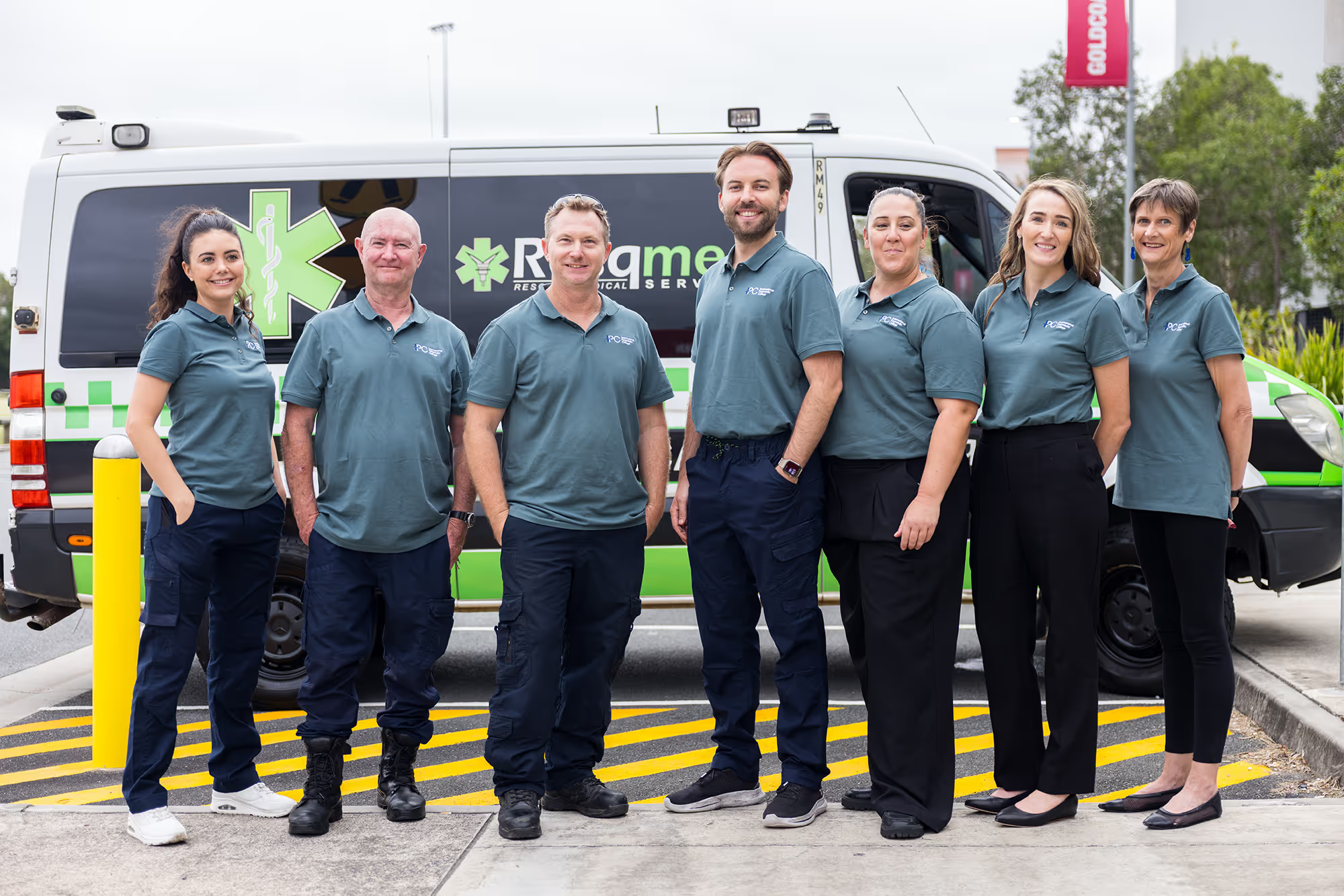

Training with real-world focus
Practical skill development and scenario thinking that's built for emergency-care readiness.

Clear progression support
We help you understand your next step in the paramedic training pathway.

Confidence-building structure
A guided learning model that keeps things achievable and goal-oriented.
Recognised training standards
When you’re working towards a patient transport officer role, you want training that’s credible and consistent.
Registered Training Organisation (RTO 45284)
International Paramedic College is an ASQA-approved Registered Training Organisation (RTO 45284) that delivers nationally recognised training and qualifications in Australia.

Nationally recognised qualifications
We deliver nationally recognised qualifications and accredited training that support real employment and workplace outcomes.

Certification you can use anywhere
Upon completing training, your results lead to a recognised certification that can be used for employment, workplace compliance, and further study.

What our students say
Students often tell us the biggest difference is clarity. This includes knowing what to study first, what to build next, and how to stay motivated through the process.
“IPC made learning feel achievable. The trainers explained things clearly, the practical sessions were hands-on, and I finished the course feeling genuinely more confident.”

“I chose IPC because when I did research I found they had really good feedback from the students and students coming back to do more courses so I believe it’s the right school for me and the price was really good.”
“The structure was straightforward and the support was there when I needed it. Workshops were practical, and I always knew what I was working toward.”
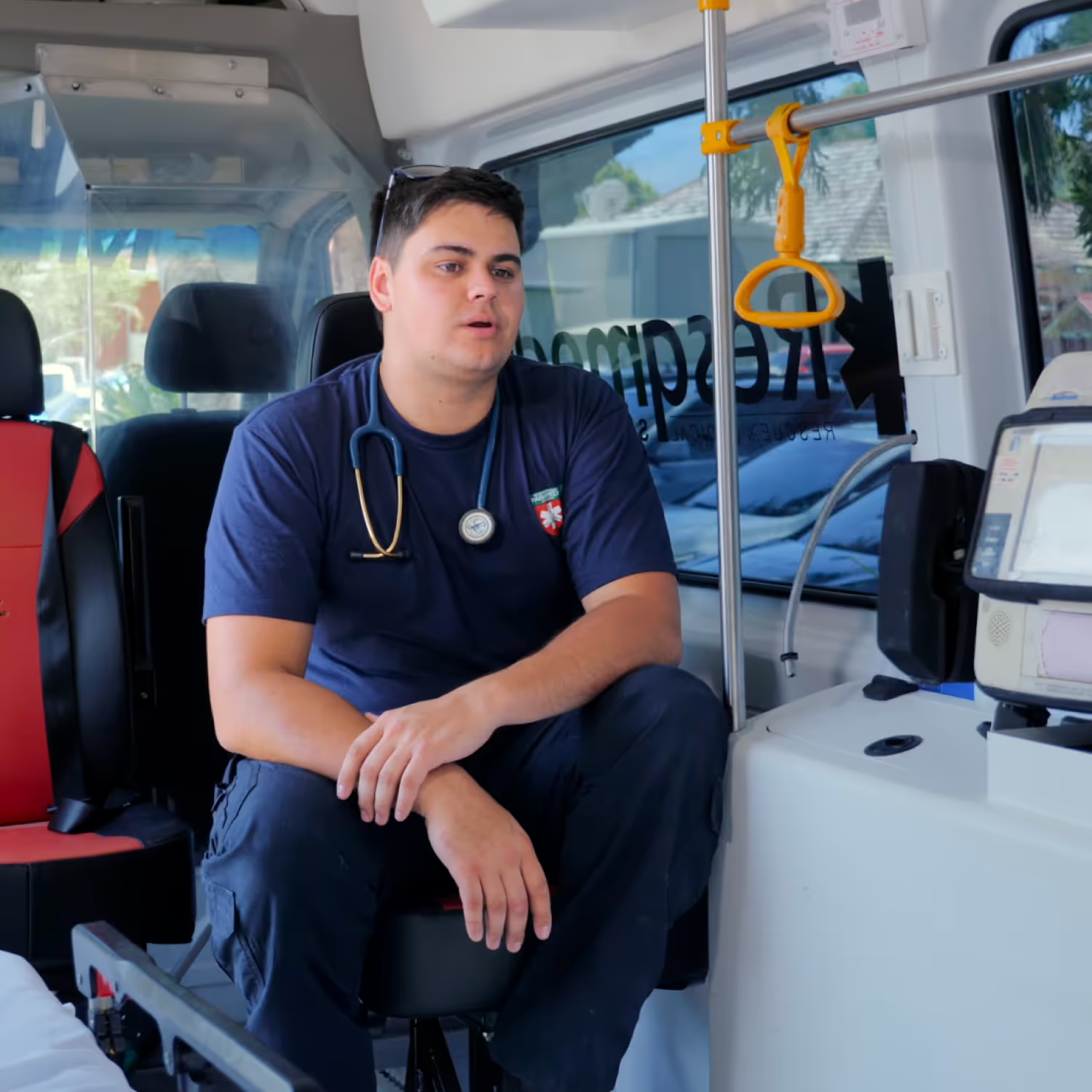
“I wanted training that felt real. The scenarios, feedback and support helped me build skills I can actually apply, especially when things get stressful.”

“What stood out was how approachable the team is. They teach in a calm, practical way and make sure you understand the ‘why’, not just the steps.”

“I learned more than skills - I learned how to think clearly under pressure. The practical training and feedback helped me feel ready for real-world situations.”

Ready to plan your patient transport officer pathway?
If you want help choosing the right starting point or mapping your next stage, our team can guide you through your options.
Our licences
Our qualification pathways for patient transport officer work are built around nationally recognised training and industry-aligned standards.

Insights and guides
Explore these articles to learn more about patient transport officer work, the qualifications behind it and how your study choices can shape your career.




Get help starting your healthcare journey
If you’re exploring entry-level healthcare training, our team can guide you through enrolment, study options, and what to expect from this course.
