


Industrial medic career and qualification pathway
Industrial medics look after the workforce on mine sites, gas facilities and heavy industry, where the nearest hospital can be hours away. Most start with a Certificate IV in Health Care and can earn much more than other positions with similar requirements, due to the remote nature of the job and the level of responsibility industrial medics have.

Understand the path from certificate to career
Industrial medic describes the work, not the job title. Employers advertise the same role as a site medic, an emergency services officer or a MESO, so the requirements change depending on which one they use. Sorting out which title interests you is the first step, since that is what will tell you which qualifications you’ll need. Also look at the scope of what these different medics do, as some work at the incident scene and some treat patients in a treatment room with a different scope of practice.
What does an industrial medic do?
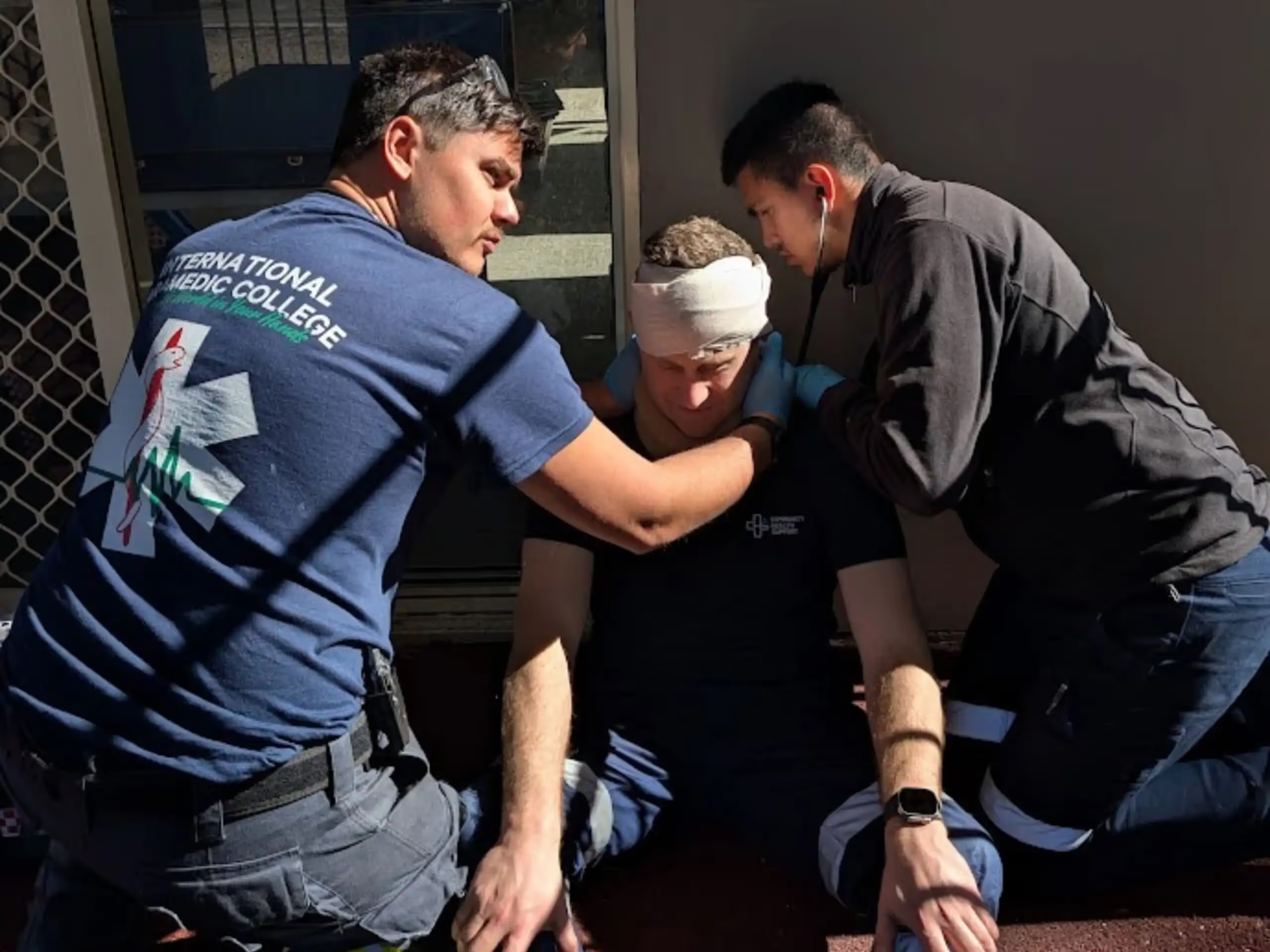
Industrial medics are in charge of the medical response on sites where an ambulance would take too long to arrive. They treat injuries and illnesses among the workforce and decide who needs to be evacuated for further medical attention.
Beyond the clinical work, you’ll be responsible for pre-shift drug and alcohol testing, managing injuries and updating health surveillance records. You’ll also be a part of the site emergency response team, so you need to be ready to mobilise in the event of an accident.
What the job involves
You’ll spend most of your time on site doing four things:
Working as the only clinician
Nobody is available to consult and nobody takes over when your shift ends. You assess, treat and decide alone, often for people you eat dinner with. The caseload covers anything from crush injuries and chemical exposure through to common colds and sprains.
Deciding who needs to leave
You’ll make the call when a patient needs to be evacuated by ambulance, helicopter or flight, depending on where you are. This is one of the most important decisions you’ll make in the role, as an early decision costs the company money while a late one could cause serious complications for the patient.
Running the testing and the paperwork
Industrial medics are in charge of pre-shift drug and alcohol testing for workers and keeping all the medical paperwork up to date. This keeps the workplace compliant, as many sites have specific legal obligations they need to meet due to the risky nature of the work.
Living where you work
You’ll spend anywhere from eight days to two weeks working on-site, sleeping in camp accommodation each night. Not every industrial medic job works that way, though. Fixed sites like smelters and shipyards hire residentially, so you’ll live nearby and go home at the end of a shift.


What industrial medics earn
There is no average salary data for industrial medics, since employers don’t advertise the title as a standalone job. What they do publish is what individual roles pay.
SEEK estimates medic salaries in the mining, minerals and metals industry at $140,000 to $160,000 a year. Emergency services officers earn an average base of $112,000 according to Glassdoor, ranging from $94,000 to $130,000. Officers with more than 10 years of experience can earn up to $155,000.
Industrial medic positions pay more than other roles with similar duties because of isolation and sole responsibility. A patient transport officer working suburban shifts is usually just minutes away from the nearest hospital and medical backup. Industrial medics have neither, so employers pay for someone who can hold a patient for hours on their own.
Where the career can take you
Once you’re working as an industrial medic, you can qualify for any of these roles with an extra ticket:
- Mine medic: The same clinical work with mining-specific requirements on top. Pay is the highest in the field and the rosters are FIFO.
- Medical emergency services officer: You add an emergency response qualification to the clinical one, which lets you cover fires and rescues as well as patients. Employers pay more for both capabilities in one person.
- Offshore medic: Oil and gas facilities pay above onshore work. Operators want registration as a paramedic or nurse though, so you’ll need a degree for this.
- Emergency response coordinator: You take charge of a site’s response capability instead of crewing it, so you’re responsible for planning drills and managing equipment. The role suits medics who know how a site works end to end.
Where industrial medics work
Mining dominates the market for industrial medics. These roles are fly-in-fly-out, recruited mostly out of Perth and Brisbane. They generally tend to pay the most in this field thanks to the FIFO allowances.
Besides the resource companies that put industrial medics on their own sites, you’ll find that emergency response contractors employ them and place them across multiple client sites. A contractor might send you to a gold mine one week and a gas facility the next, depending on where coverage is needed. Contractors offer more variety and less certainty about where you’ll be working, but you can usually go home after a shift.
You’ll usually find these roles on more remote sites because of Safe Work Australia’s guidelines. Their first aid ratios ask for one first aider per 25 workers on a high-risk site, which isn’t hard to meet. Remote sites are required to have one per 10 workers, so they naturally need more support.
What the job is actually called
Virtually no Australian employer advertises for an industrial medic, since it’s an umbrella term. If you search job boards, you’ll find half a dozen related but more niche titles with different requirements:
- Site medic: This is the most generic version. Employers usually require a Certificate IV in Health Care or higher.
- Medical emergency services officer (MESO): This covers both the clinical and emergency response sides. You’ll usually need a Certificate IV in Health Care plus a Certificate III in Emergency Response and Rescue.
- Paramedic emergency services officer (PESO): The same job as above but with AHPRA registration on top. These pay the most, but you’ll need a paramedicine degree.
You’ll also see emergency services officer roles advertised on the same sites, which are related but not precisely the same. Those lead with firefighting and rescue and have a much smaller clinical scope. They’re trained in CPR and trauma care but don’t come anywhere near the scope of a professional medic.
How to become an industrial medic
You’ll need a clinical qualification and a few site-specific tickets:
- Complete a Certificate IV in Health Care: This is the qualification employers ask for in site medic and MESO listings. The Diploma of Emergency Health Care clears the same bar with a wider clinical scope, which suits the more remote sites.
- Add an emergency response qualification if you want MESO roles: A Certificate III in Emergency Response and Rescue or Public Safety covers the firefighting and rescue side. IPC doesn’t deliver it, so you’ll complete it through a specialist provider.
- Get the site tickets: Requirements vary by employer. Mine sites want a heavy vehicle licence, Queensland coal adds Standard 11 and a Coal Board Medical, and construction sites require a White Card before you set foot on them.
- Apply through contractors as well as operators: Emergency response contractors do a large share of the hiring, as they can place industrial medics across multiple client sites.
Recommended courses
These cover the clinical side of industrial medical work. HLTAID014 Provide Advanced First Aid sits in the first aid and CPR section below.
HLT41120: Certificate IV in Health Care
A strong foundation in emergency health care, with online learning and practical training.
HLT51020: Diploma of Emergency Health Care
Our flagship qualification for pre-hospital care is delivered online, with hands-on workshops.
A simple training sequence
Where you start depends on how much clinical training you already have. These four take you from a short course through to the qualification remote sites want:
This covers advanced resuscitation, casualty management and coordinating other responders at an incident. It’s the clinical requirement for emergency services officer roles.

This one qualifies you as a patient transport officer, which is a way into paid clinical work while you study towards something higher.
Site medic and MESO listings require this one. It covers the clinical decision-making you’ll have to do on your own on site.
This covers emergency response, trauma management and clinical decision-making under pressure. Remote sites and the more complex roles ask for it.
Do you need a degree?
No, not for industrial sites. Employers require a Certificate IV in Health Care or higher, which puts the work within reach of a vocational qualification.
The exceptions are offshore oil and gas operators, as they want registration as a paramedic or nurse.
First aid and CPR courses
Every industrial medic role expects current first aid and CPR certification in addition to the main qualifications. A short course is also the cheapest way to find out if emergency work suits you before committing to something longer.
HLTAID014 Provide Advanced First Aid
Build advanced response skills for managing complex incidents, prolonged care, and multiple casualties. Suited to workplace first aid officers and high-risk environments.
HLTAID011: Provide First Aid
Nationally recognised First Aid training with online theory and face-to-face practicals. Includes HLTAID009 Provide Cardiopulmonary Resuscitation.
HLTAID013 First Aid in Remote or Isolated Sites
This course prepares participants to manage medical emergencies when professional help may be delayed. Ideal for remote workers, outdoor leaders, and regional environments. Includes HLTAID009 Provide Cardiopulmonary Resuscitation
How to follow the right progression
You don’t need to have everything mapped out on day one. Start with a realistic step, then build a clear course progression plan as you go.
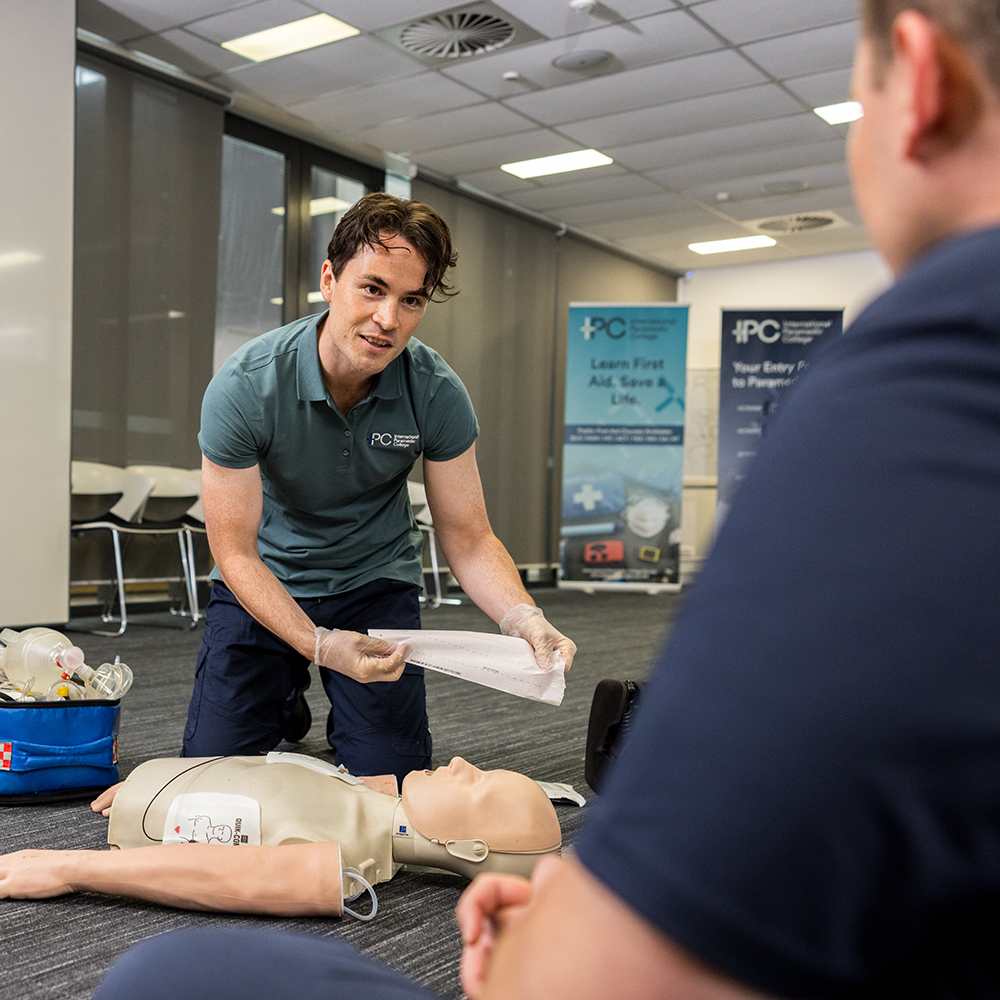
Choose your starting level
Pick the qualification level that suits your current confidence and experience so your learning feels achievable.
Build skills through structured training
Complete your learning at a steady pace, focusing on competence rather than rushing, so you’re well-prepared for the next step.
Progress to the next qualification stage
When you’re ready, move up to the next level in the paramedic training sequence with clearer direction and stronger foundations.
Roles that connect with this pathway
Industrial medical work shares its qualifications with a few other roles. People in this sector can also pursue work as:
FAQs
Below, we’ve answered common questions about becoming an industrial medic.
How do you become an industrial medic in Australia?
Complete a Certificate IV in Health Care or higher, then add the site tickets your employer asks for.
Is industrial medic the same as paramedic?
No. Paramedics have a university degree and register with the Paramedicine Board of Australia. Industrial medics work on a vocational qualification, though registered paramedics do take these roles and earn more for it.
How much do industrial medics earn in Australia?
SEEK estimates $140,000 to $160,000 a year for medics in mining, minerals and metals. Emergency services officers average $112,000 per year according to Glassdoor.
Why IPC is a smart place to begin
International Paramedic College supports your industrial medic pathway by keeping learning practical and helping you understand what to do next.
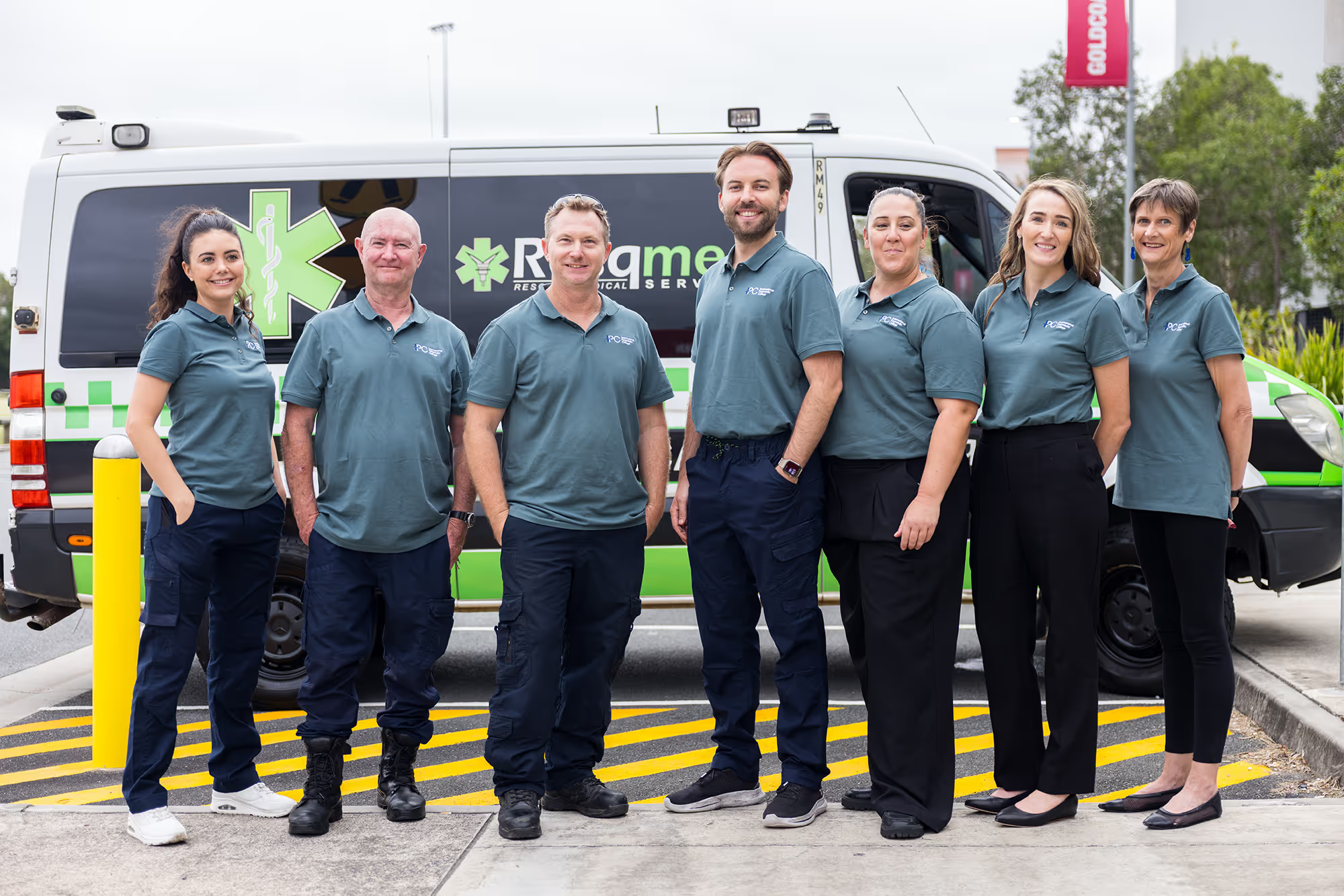

Training with real-world focus
Practical skill development and scenario thinking that's built for emergency-care readiness.

Clear progression support
We help you understand your next step in the paramedic training pathway.

Confidence-building structure
A guided learning model that keeps things achievable and goal-oriented.
Recognised training standards
When you’re working towards an industrial medic role, you want training that’s credible and consistent.
Registered Training Organisation (RTO 45284)
International Paramedic College is an ASQA-approved Registered Training Organisation (RTO 45284) that delivers nationally recognised training and qualifications in Australia.

Nationally recognised qualifications
We deliver nationally recognised qualifications and accredited training that support real employment and workplace outcomes.
Certification you can use anywhere
Upon completing training, your results lead to a recognised certification that can be used for employment, workplace compliance, and further study.

What our students say
Students often tell us the biggest difference is clarity. This includes knowing what to study first, what to build next, and how to stay motivated through the process.
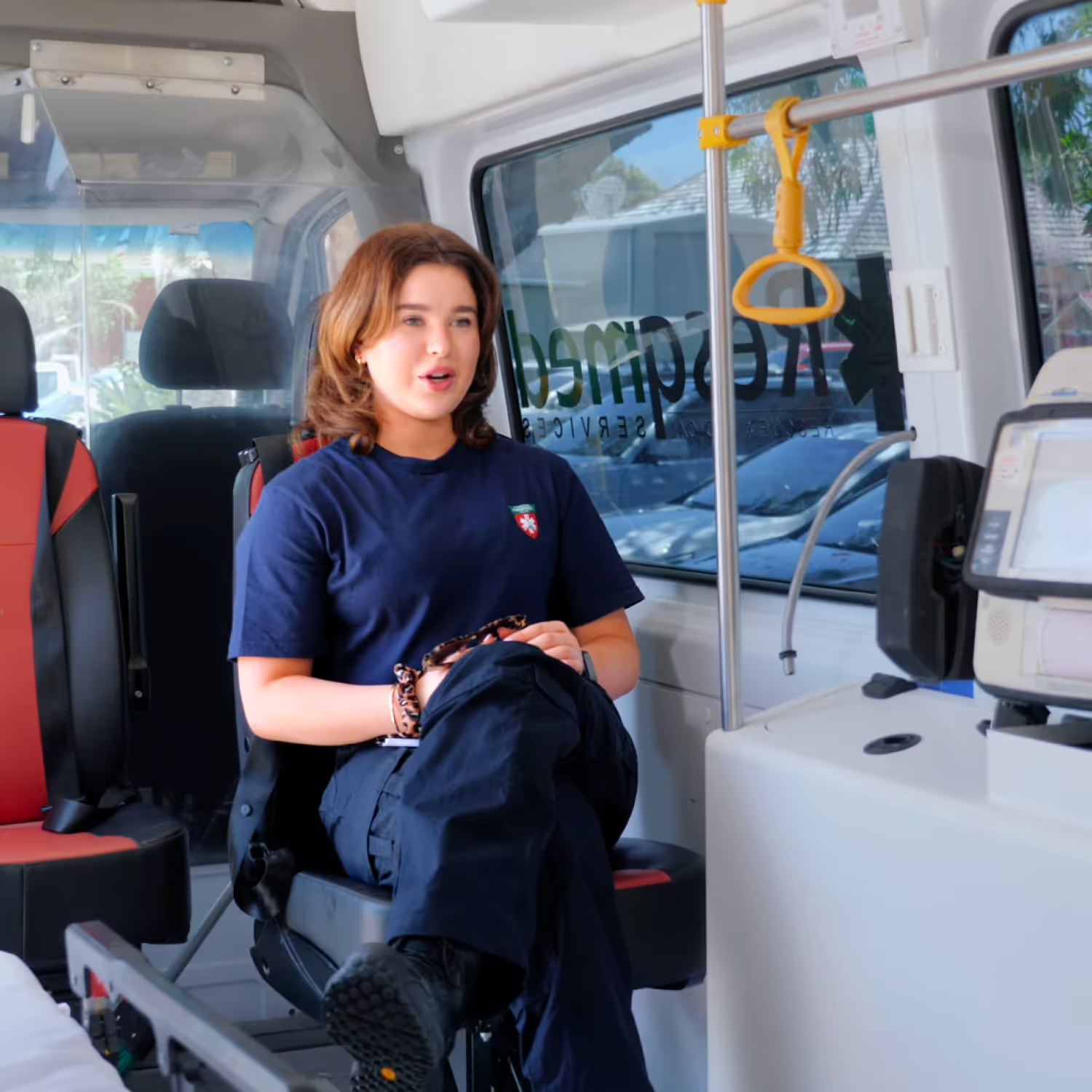
“IPC made learning feel achievable. The trainers explained things clearly, the practical sessions were hands-on, and I finished the course feeling genuinely more confident.”
“I chose IPC because when I did research I found they had really good feedback from the students and students coming back to do more courses so I believe it’s the right school for me and the price was really good.”
“The structure was straightforward and the support was there when I needed it. Workshops were practical, and I always knew what I was working toward.”
“I wanted training that felt real. The scenarios, feedback and support helped me build skills I can actually apply, especially when things get stressful.”
“What stood out was how approachable the team is. They teach in a calm, practical way and make sure you understand the ‘why’, not just the steps.”

“I learned more than skills - I learned how to think clearly under pressure. The practical training and feedback helped me feel ready for real-world situations.”

Ready to plan your industrial medic pathway?
If you want help choosing the right starting point or mapping your next stage, our team can guide you through your options.
Our licences
Our qualification pathways for industrial medic work are built around nationally recognised training and industry-aligned standards.

Insights and guides
Explore these articles to learn more about industrial medic work, the qualifications behind it and how your study choices can shape your career.

Get help starting your healthcare journey
If you’re exploring entry-level healthcare training, our team can guide you through enrolment, study options, and what to expect from this course.
