


What is the BSBMED301 medical terminology course?
BSBMED301 Interpret and Apply Medical Terminology Appropriately is a nationally recognised medical terminology course for people who need to understand and use medical language at work. You’ll learn how medical words are built, what common abbreviations mean and how to use the right terms with patients, colleagues and health professionals.
It’s useful for answering phones in a GP clinic, writing up a patient transport record or handing over a patient. Getting a term or abbreviation wrong in health care isn’t a small mistake, and this unit teaches you to check and clarify when you’re unsure.
- 100% online, self-paced study
- Covers terms, abbreviations and body systems
- Includes a patient handover video task
- Available Australia-wide


Location
Australia Wide

Delivery mode

Course duration

Upcoming intake


Payment plans


Entry requirements
- There are no prerequisite units for BSBMED301.
- Reasonable literacy skills, as you’ll spell, define and use medical terms in writing.
- A device with a camera, as one task asks you to record a video of a patient handover.
- Basic computer and digital literacy skills, and reliable internet.
- Photo ID required for the online assessments.
- Must be 18+ (under 18 permitted with guardian consent).
What you’ll learn
This course follows the three parts of the BSBMED301 unit. You’ll learn how to:
- Break medical terms into prefixes, roots and suffixes to work out what they mean
- Interpret and document written and spoken instructions that use medical terminology
- Read and use common medical abbreviations
- Use checklists and follow workplace policies and procedures
- Use medical terms correctly in routine tasks and documentation
- Spell and pronounce medical terms correctly, including Australian and American spelling differences
- Communicate clearly with patients, colleagues and health professionals
You’ll also work through the main body systems and where to check a term when you’re not sure.
Course units
This course is 100% online. You’ll complete one unit, BSBMED301 Interpret and Apply Medical Terminology Appropriately, through self-paced learning and online assessment tasks.
Self-Paced Online Course Learning
|units|What is this unit?
This unit covers the skills and knowledge to interpret and use common medical terminology in written and oral communication in a health workplace.
Why it matters
Medical records, referrals and handovers depend on precise language. A misread term or abbreviation can affect patient care.
What you’ll learn
You’ll learn how medical terms are built, common abbreviations, body systems, correct spelling and how to use terminology in documents and handovers.
How you’ll be assessed
Assessment is completed online through written questions, case studies, an incident report form and a video of a patient handover.
Practical benefit
Once you’re competent, you’ll be able to read and use medical terminology accurately in your day-to-day work.
Delivery & assessment
Delivery format
- 100% online, with no face-to-face attendance
- Self-paced learning you can fit around work
- Enrol anytime and start straight away
Assessment method
You’ll complete eight assessment activities:
- Short answer questions on medical terminology
- Embedded online questions on medical abbreviations and definitions
- One-word answers on Australian and American spelling, and policies and procedures
- Short answer questions on body systems
- A case study with written questions
- A case study where you complete an incident report form
- A video of a patient handover
- Concluding short answer questions
You must complete all assessment tasks successfully to be deemed competent. Read our student information and assessment policies before you enrol.
Career pathways
Medical terminology underpins clinical and administrative health roles. BSBMED301 supports roles such as:
- Medical receptionist
- Assistant in nursing
- Health care assistant
- Patient transport officer
- Medical administration and records staff
The unit strengthens your application and may count towards a qualification, but it won’t on its own qualify you for these roles.
Pathways into further training
Build on BSBMED301 with these courses:
Certification and validity
When you complete the course, you’ll receive a nationally recognised Statement of Attainment for BSBMED301 Interpret and Apply Medical Terminology Appropriately. This is a single unit, not a full certificate qualification.
The unit doesn’t expire, though employers may ask about recent study or experience.
Who should take this course?
This medical terminology course suits people who read, write or hear medical language at work, including:
- Medical receptionists and practice administration staff
- People moving into health care from another industry
- Patient transport officers and first responders
- Assistants in nursing and health care assistants
- Health insurance, legal and administration staff who handle medical records
If you’re planning a career change into health, it’s a practical first step that makes later study easier.
Location
100% Online. Study from anywhere in Australia.
Pricing
$375
Included costs
- No additional admin fees for this program
See what our students have to say
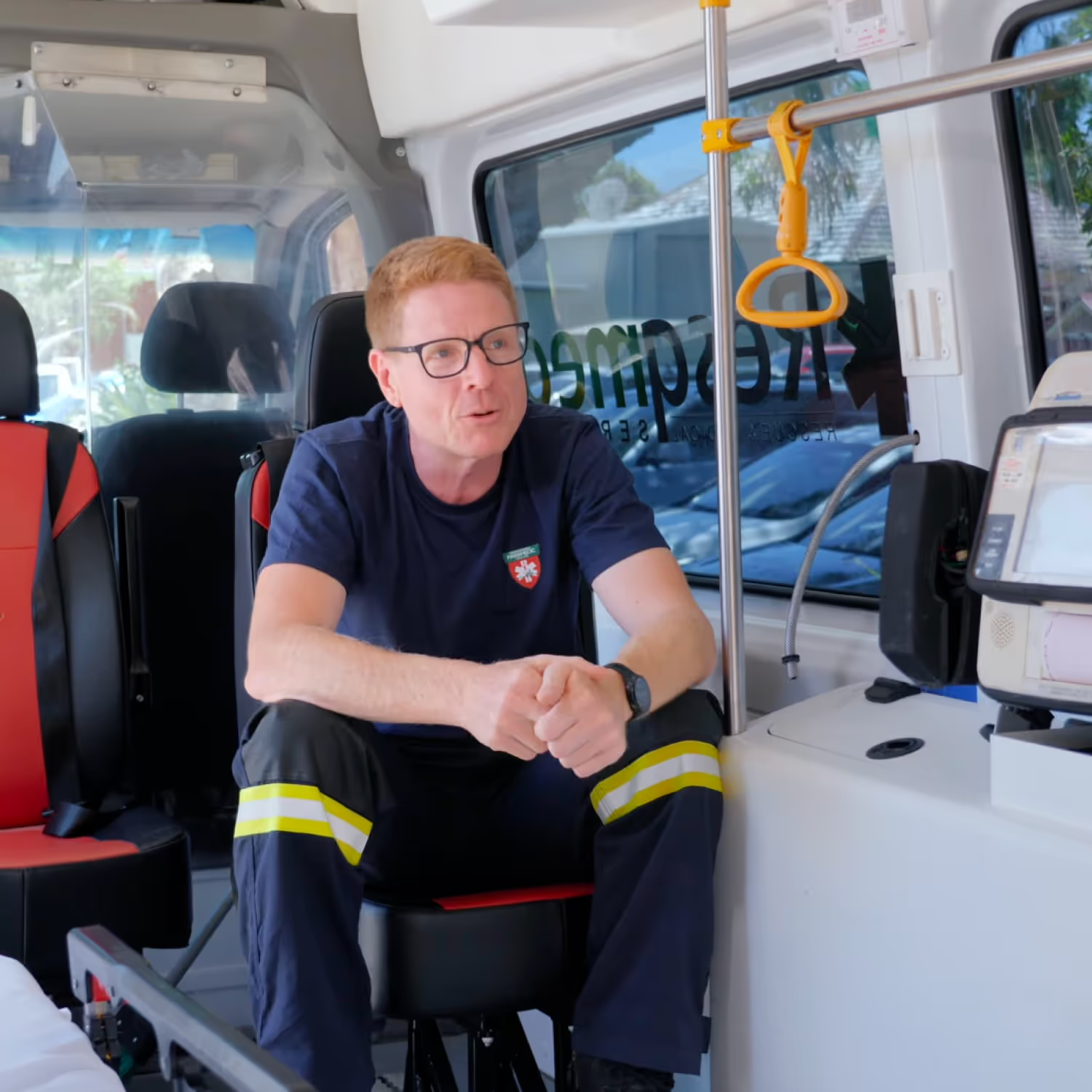
“The structure was straightforward and the support was there when I needed it. Workshops were practical, and I always knew what I was working toward.”

“I wanted training that felt real. The scenarios, feedback and support helped me build skills I can actually apply, especially when things get stressful.”
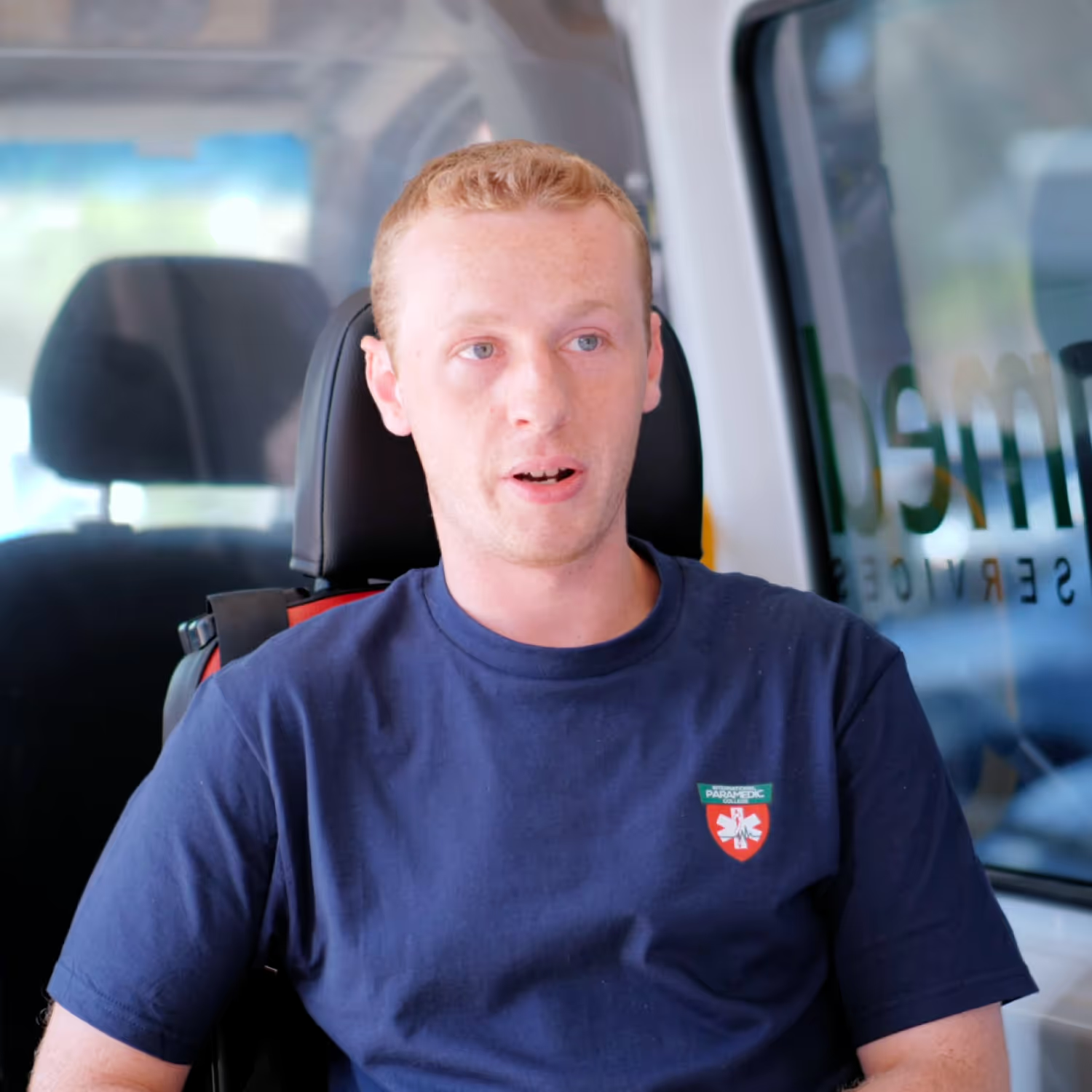
“What stood out was how approachable the team is. They teach in a calm, practical way and make sure you understand the ‘why’, not just the steps.”

“I learned more than skills - I learned how to think clearly under pressure. The practical training and feedback helped me feel ready for real-world situations.”


Trusted first aid provider for leading Australian brands




How the online training works
Enrol, study and complete your assessments online, with no classroom time.
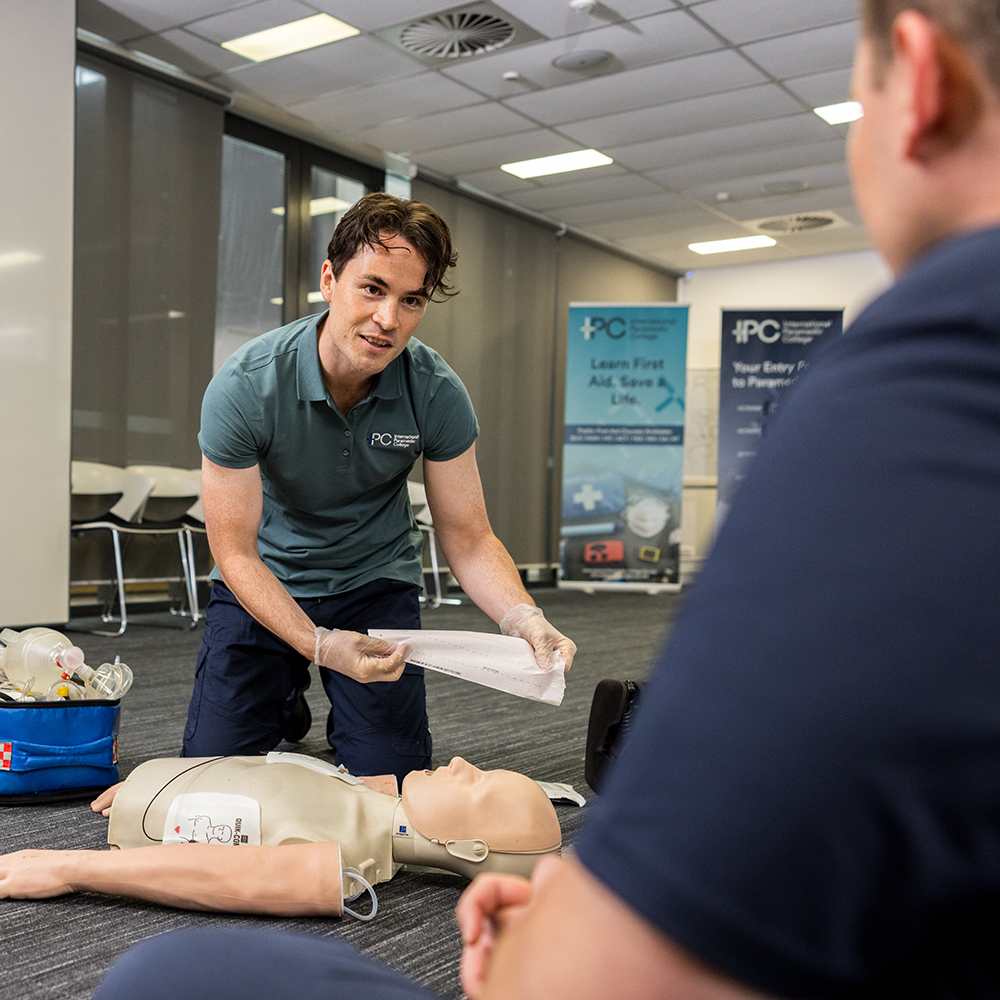

Enrol online and receive immediate access to the student portal.
Enrol anytime with our 100% online course.
Complete the online learning and assessments at your own pace.
Work through the learning materials and complete eight online assessment activities in your own time.
Receive your Statement of Attainment upon successful completion.
Once you’re deemed competent, you’ll receive your nationally recognised Statement of Attainment.
FAQs
Have questions about the BSBMED301 medical terminology course? Below you’ll find answers about the assessments, certification and who the unit suits.
What is BSBMED301 Interpret and Apply Medical Terminology Appropriately?
BSBMED301 is a nationally recognised unit that covers how to interpret and use medical terminology in written and spoken communication at work, including abbreviations, spelling and pronunciation.
Is this a certificate in medical terminology?
You’ll receive a nationally recognised Statement of Attainment for BSBMED301, not a full certificate qualification. It’s the unit most Australian medical administration qualifications use for medical terminology.
Can I complete BSBMED301 online?
Yes. This course is 100% online and self-paced. One task asks you to record a video of a patient handover, so you’ll need a device with a camera.
Do I need a health background?
No. There are no prerequisite units. The course starts with how medical words are built, so it suits beginners as well as people already working in health.
Who uses medical terminology at work?
Almost everyone in health care, from medical receptionists and administration staff to assistants in nursing, patient transport officers and paramedics.
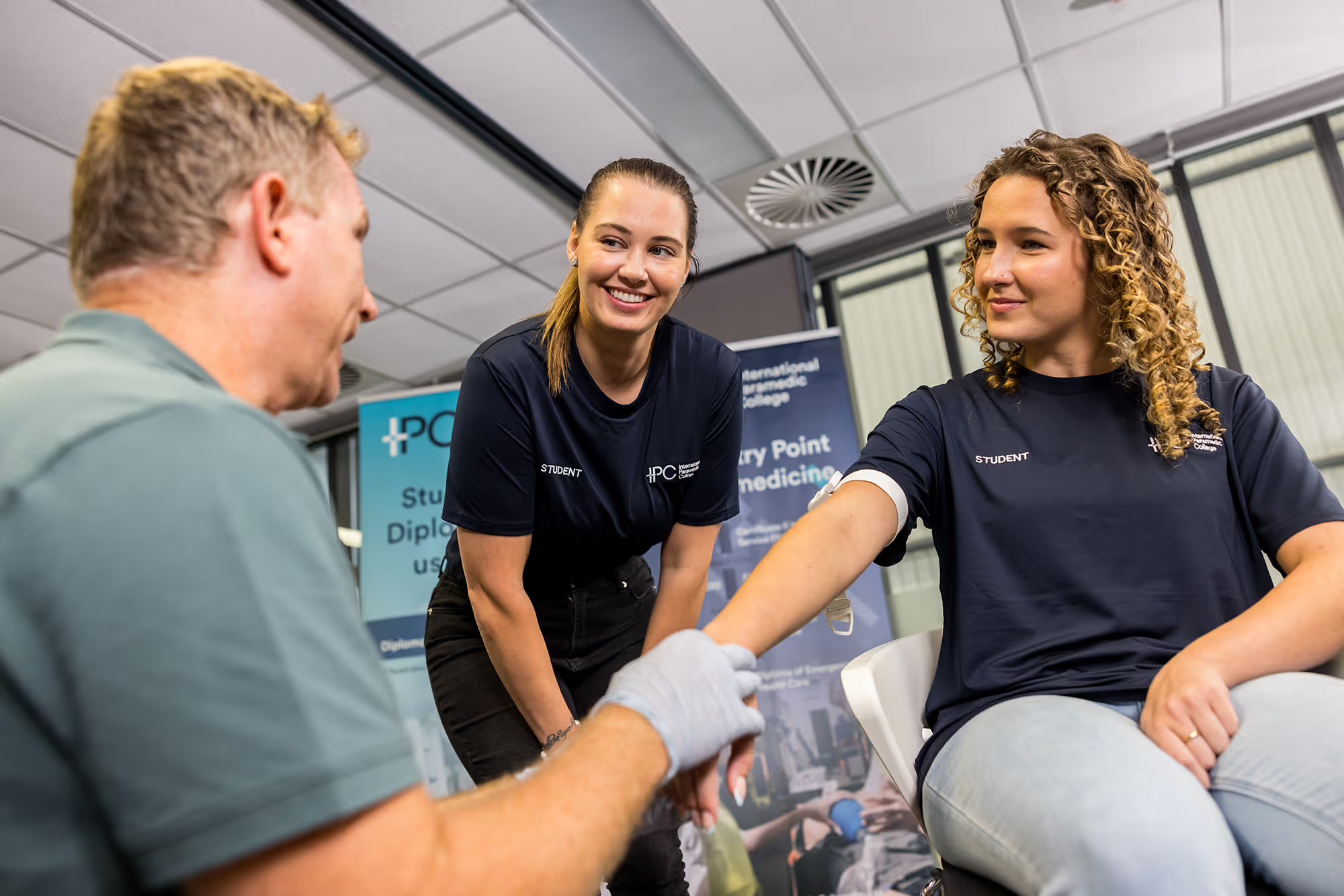
BSBMED301 for workplaces and teams
Need front desk or clinical support staff trained in medical terminology? We can help you enrol your team.
Understand the language of health care
See how this course helps you read, write and speak medical terminology with confidence.
100% Online and Self-Paced
Nationally Recognised Unit
Terms, Abbreviations and Body Systems
Trusted Training Australia Wide
BSBMED301 accredited training, real outcomes
This nationally recognised unit is delivered by International Paramedic College (RTO 45284) under strict compliance standards, so you can study with confidence.
Registered Training Organisation (RTO 45284)
International Paramedic College is an ASQA-approved Registered Training Organisation (RTO 45284) that delivers nationally recognised training and qualifications in Australia.
Nationally recognised qualifications
We deliver nationally recognised qualifications and accredited training that support real employment and workplace outcomes.
Certification you can use anywhere
Upon completing training, your results lead to a recognised certification that can be used for employment, workplace compliance, and further study.

Take the next step into healthcare
Ready to move towards a career in healthcare? Secure your place and start building the skills, experience, and confidence needed to work in real clinical environments.
Unsure where to start? Download your free course guide and talk to a course advisor today

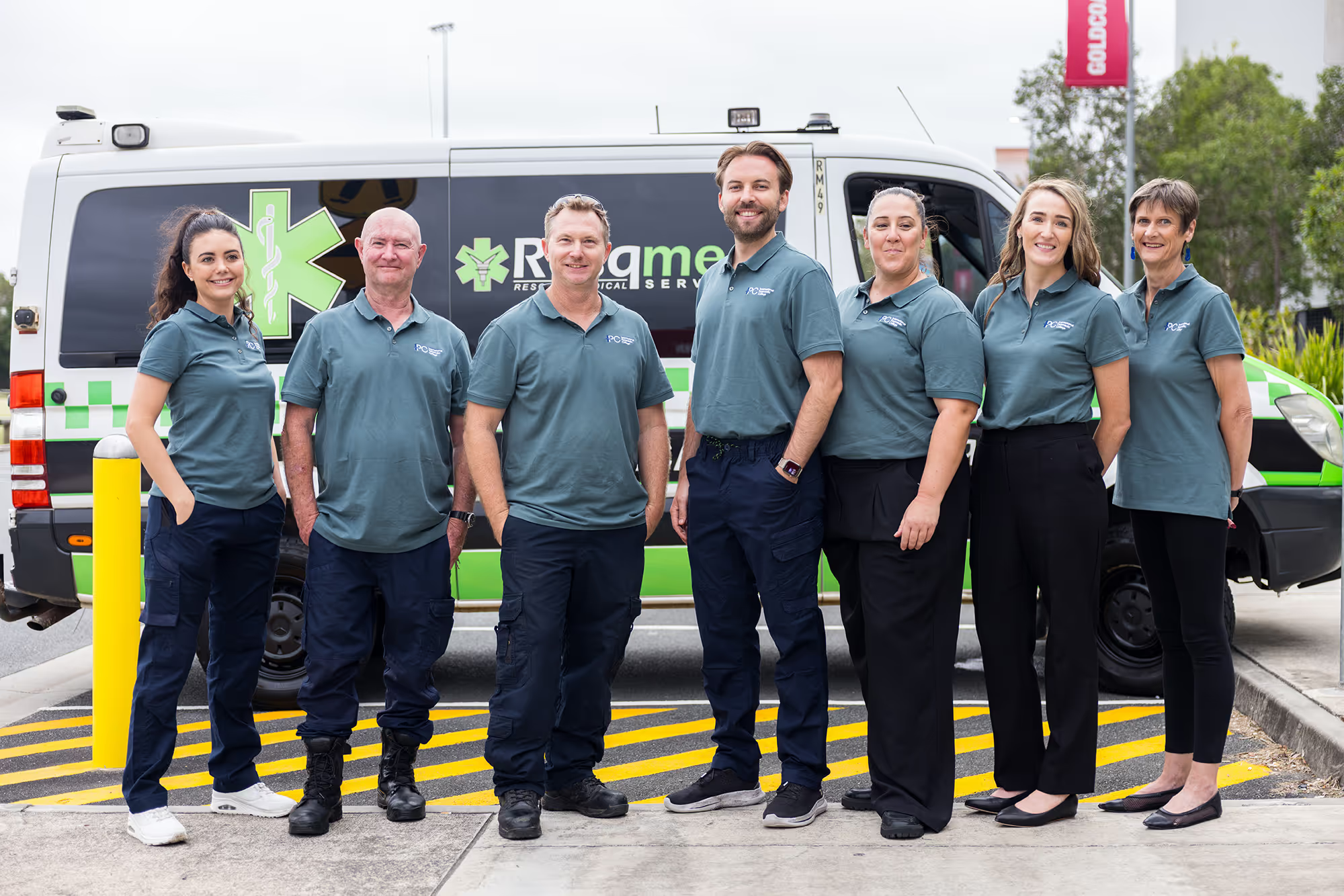
Learn from experienced emergency care trainers
Our trainers have used medical terminology in ambulance, hospital and clinic settings, so the examples come from real handovers and records.
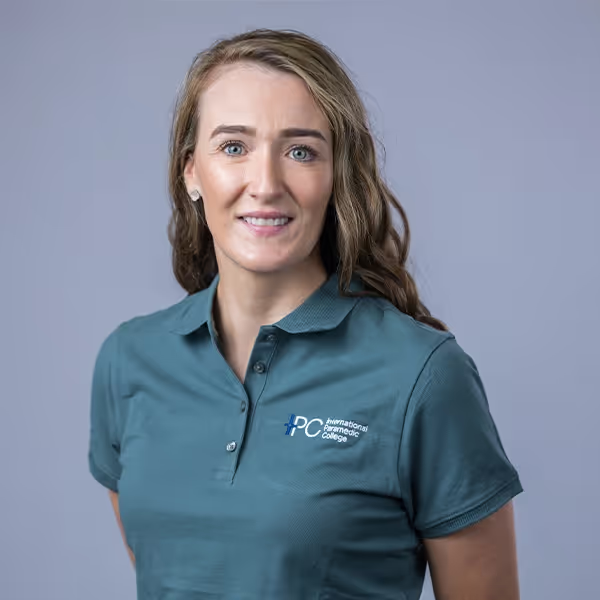
Susan Devlin
Susan Devlin is the Chief Executive Officer and Director of IPC, bringing over 20 years of experience in vocational education and training, business management and regulatory compliance. She leads IPC’s strategic direction with a focus on people, quality training and sustainable growth.
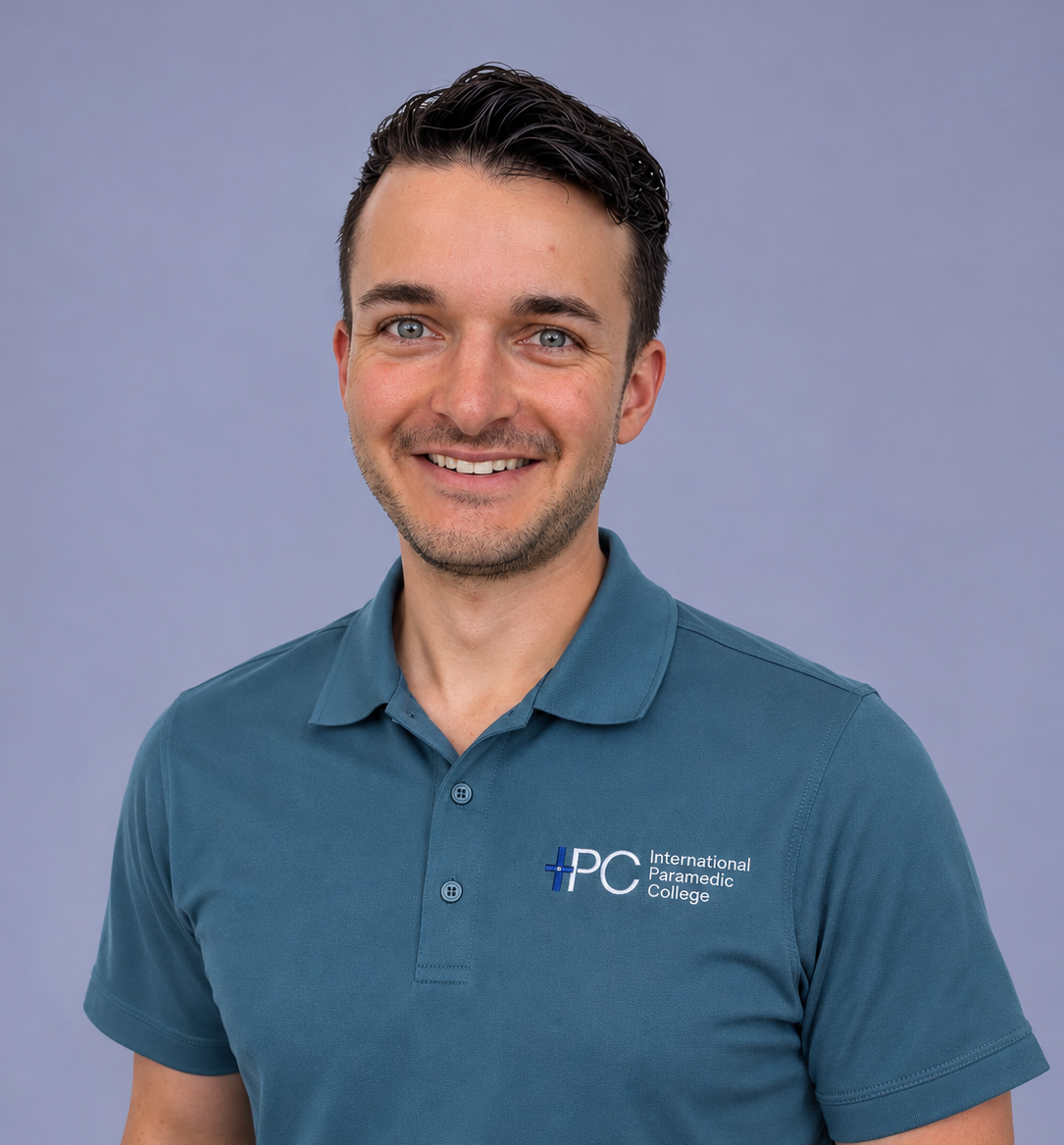
Kel Gale
Kel’s professional background spans training across the pre-hospital health care, maritime and tourism sectors, with a strong focus on providing practical, efficient, evidence-based education.
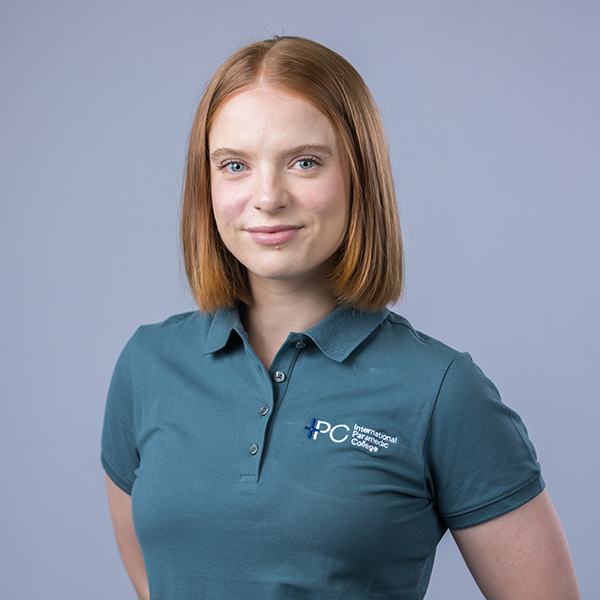
Reahanna Clark
Reahanna Clark is IPC’s Course Advisor, supporting new and continuing students as they navigate their training and career pathways in emergency health care. With over five years of RTO experience and a background in health sciences, she provides helpful guidance on course selection, enrolment, credit transfers, and RPL applications, helping students feel confident throughout their study journey.
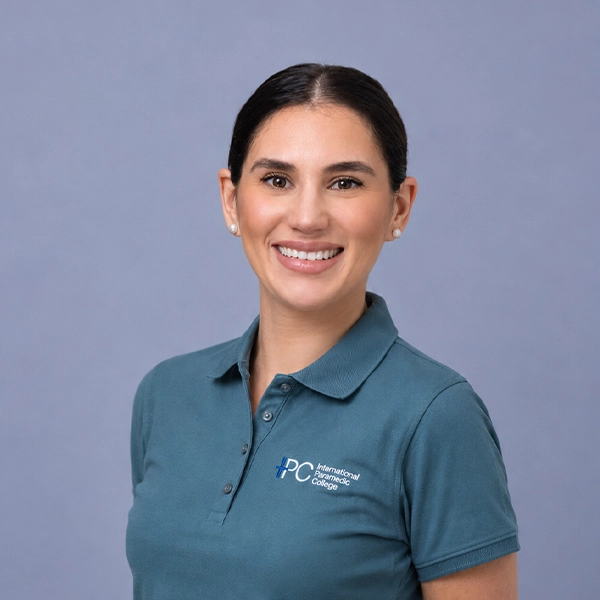
Caroline Gey
Caroline leads IPC’s audit and compliance activities, ensuring quality training outcomes, regulatory compliance, and robust systems that support students, trainers, and industry partners.

Dave Mortimer
David is a registered paramedic with NSW Ambulance and a highly experienced trainer with over 12 years of first aid education experience. He delivers practical, engaging training across the IPC’s first aid courses and trains our Diploma of Emergency Health Care, bringing real emergency‑response insight to every class.
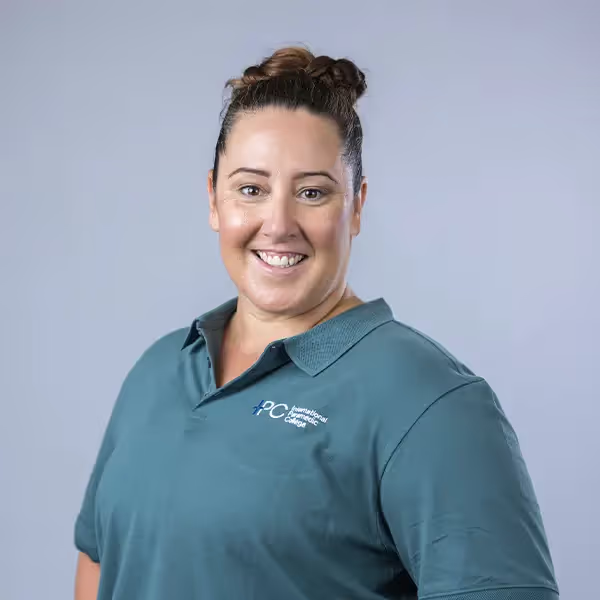
Dee Heffernan
Dee Heffernan is IPC’s Training and Professional Development Officer, working closely with partners to support training delivery and compliance. Drawing on her experience as a trainer and her paramedical studies, she helps partners stay informed, capable, and confident.
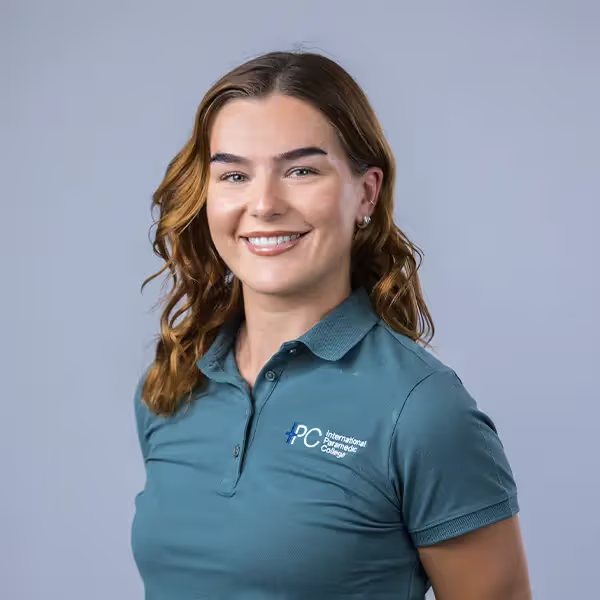
Cora O'Callaghan
Cora is IPC’s Training and Student Success Coordinator, supporting learners from enrolment through to course completion. Known for her solutions-focused style, she helps ensure students stay engaged, supported, and confident throughout their training journey.
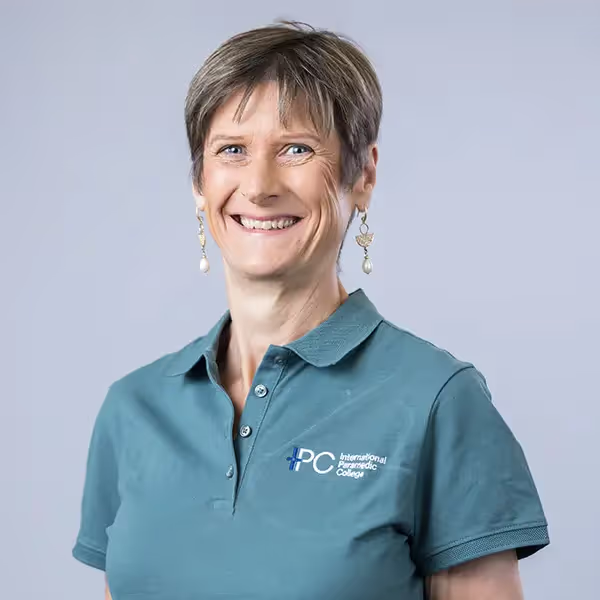
Lynette Hawthorn
Lynette Hawthorn is a Training Coordinator at IPC, helping students navigate their courses and stay on track from start to finish. She is passionate about supporting learners as they develop the skills needed to make a difference in their communities.
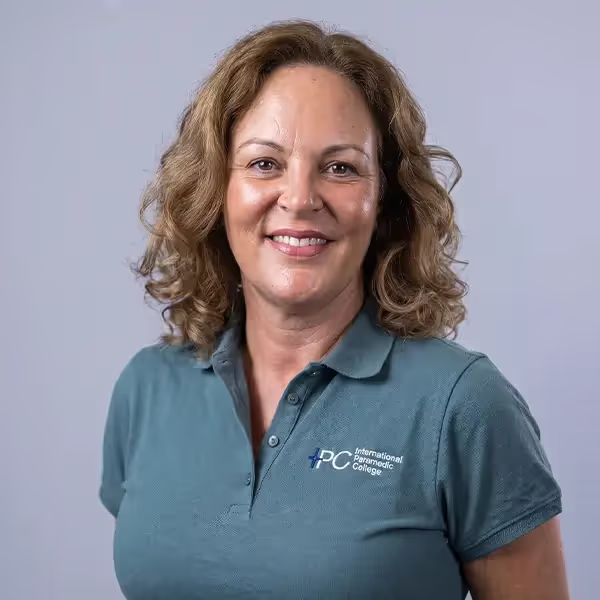
Rebecca Wade
Rebecca Wade is a Trainer and Assessor with more than 30 years of experience across community and children’s services. Her career supporting vulnerable individuals shapes her practical, compassionate approach to first aid training.
Tony Ruttley
Tony Ruttley is a Trainer and Assessor with over 20 years of experience in sports medicine and emergency care. His background as a rugby league sports trainer brings valuable real-world insight into injury management and emergency response.

Harjot Singh Sandhu
Harjot Singh Sandhu is an experienced Trainer and Assessor with more than 13 years in disability, mental health, and community healthcare. His hands-on background helps him deliver engaging first aid training grounded in real-world scenarios.
Tamieka Huxley
Tamieka Huxley is a Trainer and Assessor delivering first aid training across the Northern NSW region. She is passionate about empowering local communities with the confidence and skills to respond effectively in emergencies.

Steve Tevelein
Steve Tevelein is a First Aid and CPR Trainer with extensive experience in emergency response and community service. As a long-time SES member, he brings practical knowledge into every training session.
Aligned with health workplace requirements
This course reflects the national BSB Business Services training package and the documentation and communication standards used in Australian health workplaces.

Explore health career resources
Read practical guides on entry-level health roles and where they can lead.

Get help starting your healthcare journey
If you’re exploring entry-level healthcare training, our team can guide you through enrolment, study options, and what to expect from this course.
