


Health care assistant career and qualification pathway
Health care assistants do the work that keeps a hospital running. They move patients between wards, prepare theatres and sterilise the instruments a surgeon needs. Not all Australian employers advertise for this title, as they usually look for more specific roles that fit under this category. This page covers each of those roles, what they pay, which certificates you need and how to upskill once you’re working. Find your first course at International Paramedic College.

Understand the path from certificate to career
This guide covers what you need to work as a health care assistant in an Australian hospital. Not all employers use that title, though. For example, NSW public hospitals classify that role as a hospital assistant, wardsperson, patient services assistant or sterilisation technician. Which qualification you need depends on the specific role you want.
What does a health care assistant do?
Health care assistants help patients with personal care and move them around the hospital. The ABS separates the role from assistants in nursing (AIN) because they take direction from the entire clinical team, while AINs take direction only from registered nurses.
What the job involves
Your day depends on which of these health care assistant roles you take. In some, you’ll spend the entire shift with patients. In others, you’ll work in a sterile department with no patients at all:
Hospital assistant
Expect to clean wards and prepare meal trays, with no hands-on care involved. The award adds outdoor cleaning and wheeling patients or heavy equipment around the hospital as a responsibility as a Grade 2 health assistant. Grade 3 also includes storeroom and kitchen work. You’ll also need some food safety knowledge since you’ll be taking care of meals for patients.
Patient services assistant and wardsperson
You’ll move patients between departments in wheelchairs or beds and keep wards clean according to infection control standards as a patient services assistant. A wardsperson does similar work with some personal care added, since the award lists bathing patients and pre-operative shaves among the duties. That brings the role closer to nursing support, but that’s covered by a different award.
Sterilisation technician
In a sterile supply department, you’ll clean, inspect, pack and sterilise the reusable instruments surgeons use, then manage the sterile stock that goes back there. You won’t work directly with patients at any point in this role. Grade 1 covers routine tasks under close supervision. You can move up to Grade 2 once you have a Certificate III in Sterilisation Services, with more complex work and less oversight.
Theatre technician
You’ll prepare theatre equipment and patients before surgery, then support the team during the operation. In NSW public hospitals, the job title is usually anaesthetic and operating theatre technician. The award lets you start without a diploma and pays more once you have the one issued by the Society of Anaesthetic and Operating Theatre Technicians.


What health care assistants earn
A health care assistant in a private hospital earns at least $26.97 an hour under the Health Professionals and Support Services Award. Saturdays and Sundays both pay 150% and public holidays pay 250%.
NSW public hospitals tend to pay well above that floor under their own award, though. The 2025 schedule pays a hospital assistant $1,124.12 a week and a wardsperson $1,187.50, which works out to $29.58 and $31.25 an hour respectively. The technical roles pay even more, with a Grade 1 sterilisation technician earning $32.46 an hour and a theatre technician without a diploma $33.71 an hour.
Where a health care assistant career can take you
Your pay will rise as you gain experience, but the real jumps come from getting additional qualifications. You could specialise in one of these roles:
- Senior sterilisation technician: Completing a Certificate III in Sterilisation Services puts you in Grade 2. Grade 3 adds supervisory or specialised tasks on top of that.
- Senior anaesthetic technician: You’ll need the diploma issued by the Society of Anaesthetic and Operating Theatre Technicians, plus two years of experience after getting it.
- Assistant in nursing: The acute care specialisation of the same Health Services Assistance certificate qualifies you for ward work under a nurse’s direction.
- Patient transport officer: If moving patients between wards suits you, the same skills apply between hospitals. Employers usually ask for the Certificate III in Non-Emergency Patient Transport.
Where the jobs are
The jobs are in public and private hospitals, with sterilisation work based in each hospital’s sterile supply department. NSW public hospitals recruit through their local health districts under the state award, while private hospitals pay under the federal one. Employers here rarely advertise a “health care assistant” role, so search for similar roles like orderly, patient services assistant, sterilisation technician or theatre technician.
Who this pathway is for
- People who want hospital work without hands-on personal care
- Anyone drawn to technical work with strict procedures
- Career changers who need a job before a qualification
- Those unsure yet whether nursing suits them
Skills you’ll build along the way
- Clean, inspect, pack and sterilise surgical instruments
- Move patients safely by wheelchair or bed
- Prepare a theatre and its equipment before surgery
- Meet infection control standards on every ward
- Follow a set procedure exactly, every time
Recommended courses
The Certificate III in Basic Health Care connects most closely to health care assistant roles. Two of its core units are also core in the sterilisation certificate. Choose the Certificate II for a shorter first course or the Certificate IV if you’re already working.
HLT21020: Certificate II in Medical Service First Response
Ideal for entry-level responders needing real-world first response skills.
Australia Wide
HLT31220: Certificate III in Basic Health Care
Entry-level healthcare training delivered online for flexible study across Australia.
Australia Wide
HLT41120: Certificate IV in Health Care
A strong foundation in emergency health care, with online learning and practical training.
A simple health care assistant training sequence
Work through these in order. The theatre and sterilisation certificates lead to different jobs, so you’ll only need the one that matches the job you’re after.
Start with HLTAID011 Provide First Aid, since first aid training lets you respond appropriately if your patients get unwell as you move them between departments.
Its core shares units with both certificates below, including infection control. The course itself trains first responders, so it won’t qualify you for a health assistant role on its own, but it’s a good place to start for people new to the industry.

Choose the operating theatre technician specialisation for theatre work, which adds a skill set of three theatre units. IPC does not offer this certificate in its entirety.
Go for this if you want to work in sterile supply departments. IPC does not offer this either.
This qualification is a level above every Certificate III here. Employers want it for medic and EMT work if you later want a clinical role outside the hospital.
Do you need a qualification?
Not for every role. The award describes hospital assistants, wardspersons and patient services assistants by the duty they perform, not by the certificate they have. You can apply for these roles with no health background at all.
The technical roles are a little different. A sterilisation technician can start at Grade 1 without a certificate, though they’ll need the Certificate III in Sterilisation Services to move up to Grade 2. Theatre work follows a similar pattern, where having a diploma increases your pay once you’re already working in a theatre technician role.
First aid and CPR courses
A first aid certificate is the fastest way to test if hospital work suits you. Employers also expect it for any role where you work with patients.
HLTAID011: Provide First Aid
Nationally recognised First Aid training with online theory and face-to-face practicals. Includes HLTAID009 Provide Cardiopulmonary Resuscitation.
HLTAID009: Provide Cardiopulmonary Resuscitation
Nationally recognised CPR training. Essential skills for the workplace, community and home.
HLTAID014 Provide Advanced First Aid
Build advanced response skills for managing complex incidents, prolonged care, and multiple casualties. Suited to workplace first aid officers and high-risk environments.
How to follow the right progression
You don’t need to have everything mapped out on day one. Start with a realistic step, then build a clear course progression plan as you go.
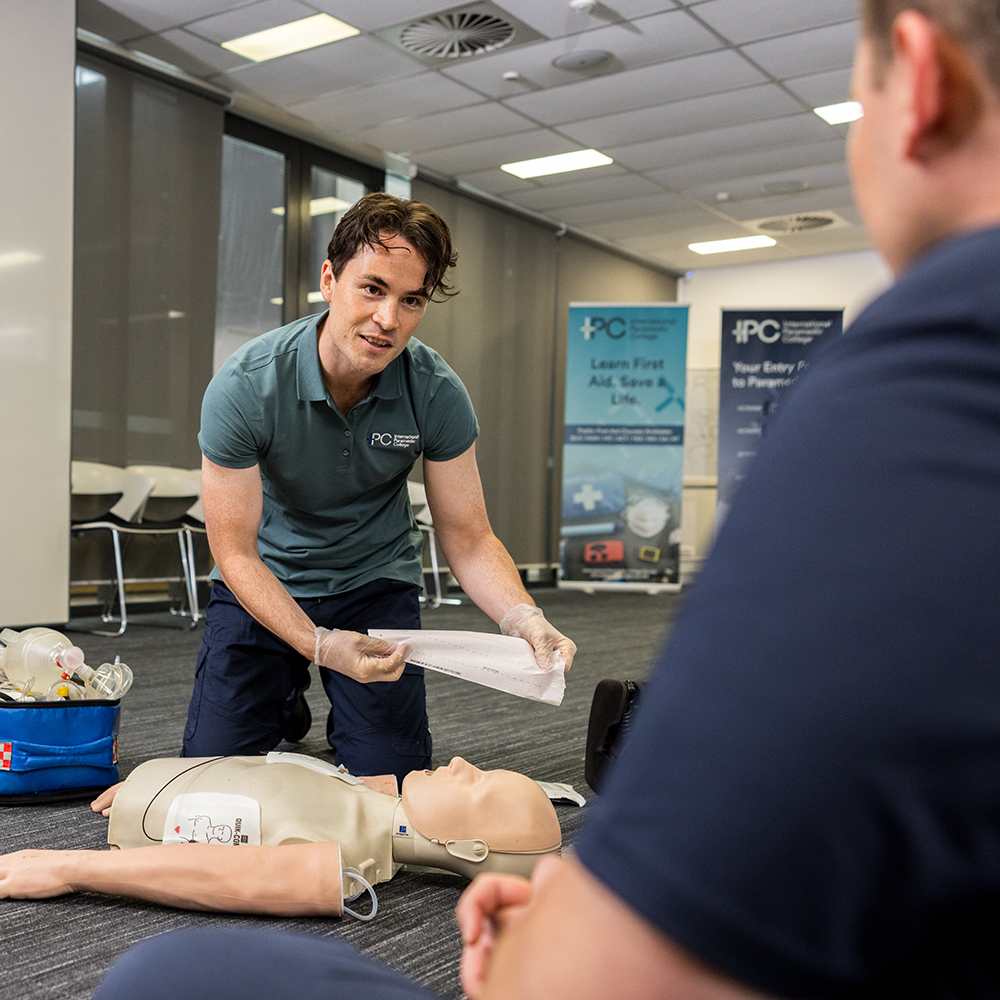
Choose your starting level
Pick the qualification level that suits your current confidence and experience so your learning feels achievable.
Build skills through structured training
Complete your learning at a steady pace, focusing on competence rather than rushing, so you’re well-prepared for the next step.
Progress to the next qualification stage
When you’re ready, move up to the next level in the paramedic training sequence with clearer direction and stronger foundations.
Roles that connect with this pathway
Hospitals employ a cluster of support roles at this level. The certificates you need for them overlap enough that experience in one counts towards another:
FAQs
Below, we’ve answered common questions about becoming a health care assistant.
Is a health care assistant the same as an assistant in nursing?
No. An assistant in nursing works under a nurse’s direction and a different award covers them. Health care assistant covers the wider hospital support family of roles, including orderlies, theatre technicians and sterilisation staff.
Do you need a qualification to be a sterilisation technician?
Not to start. Grade 1 roles take applicants without one, though the NSW award requires the Certificate III in Sterilisation Services to reach Grade 2. Plenty of technicians complete a qualification part-time while they work.
How much does a hospital assistant earn?
Hospital assistants earn a minimum of $29.58 an hour in NSW public hospitals under the 2025 schedule. Private hospitals pay from $26.97 an hour under the federal award.
What vaccinations do you need to work in a hospital?
NSW Health sorts positions into risk categories. Theatre and sterile roles fall into the higher one, which means you’ll need to show evidence of vaccination or immunity before you start. You’ll also need a tuberculosis assessment and an annual flu shot.
Why IPC is a smart place to begin
International Paramedic College supports your health care assistant pathway by keeping learning practical and helping you understand what to do next.
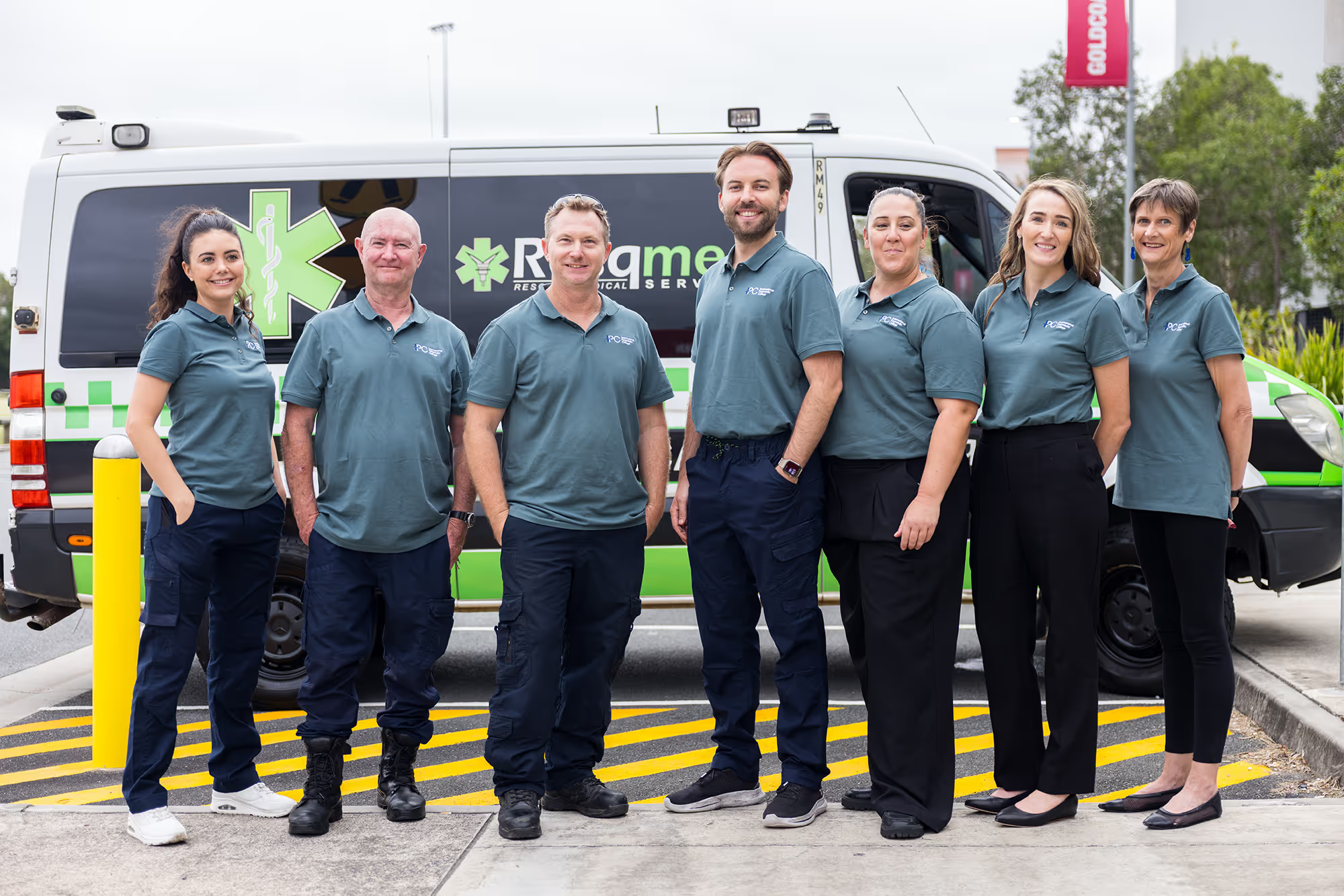

Training with real-world focus
Practical skill development and scenario thinking that's built for emergency-care readiness.

Clear progression support
We help you understand your next step in the paramedic training pathway.

Confidence-building structure
A guided learning model that keeps things achievable and goal-oriented.
Recognised training standards
When you’re working towards a health care assistant role, you want training that’s credible and consistent.
Registered Training Organisation (RTO 45284)
International Paramedic College is an ASQA-approved Registered Training Organisation (RTO 45284) that delivers nationally recognised training and qualifications in Australia.

Nationally recognised qualifications
We deliver nationally recognised qualifications and accredited training that support real employment and workplace outcomes.

Certification you can use anywhere
Upon completing training, your results lead to a recognised certification that can be used for employment, workplace compliance, and further study.

What our students say
Students often tell us the biggest difference is clarity. This includes knowing what to study first, what to build next, and how to stay motivated through the process.
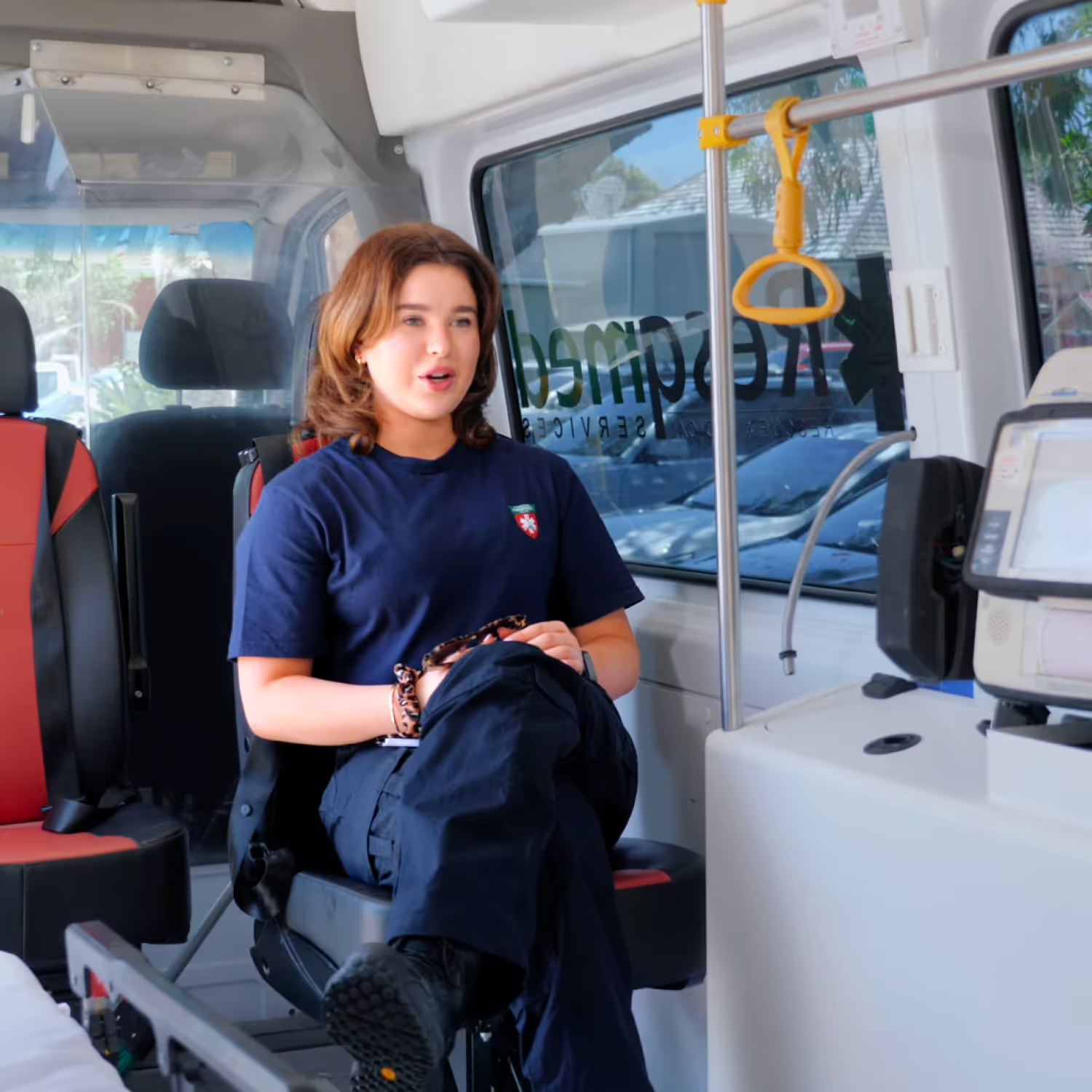
“IPC made learning feel achievable. The trainers explained things clearly, the practical sessions were hands-on, and I finished the course feeling genuinely more confident.”

“I chose IPC because when I did research I found they had really good feedback from the students and students coming back to do more courses so I believe it’s the right school for me and the price was really good.”
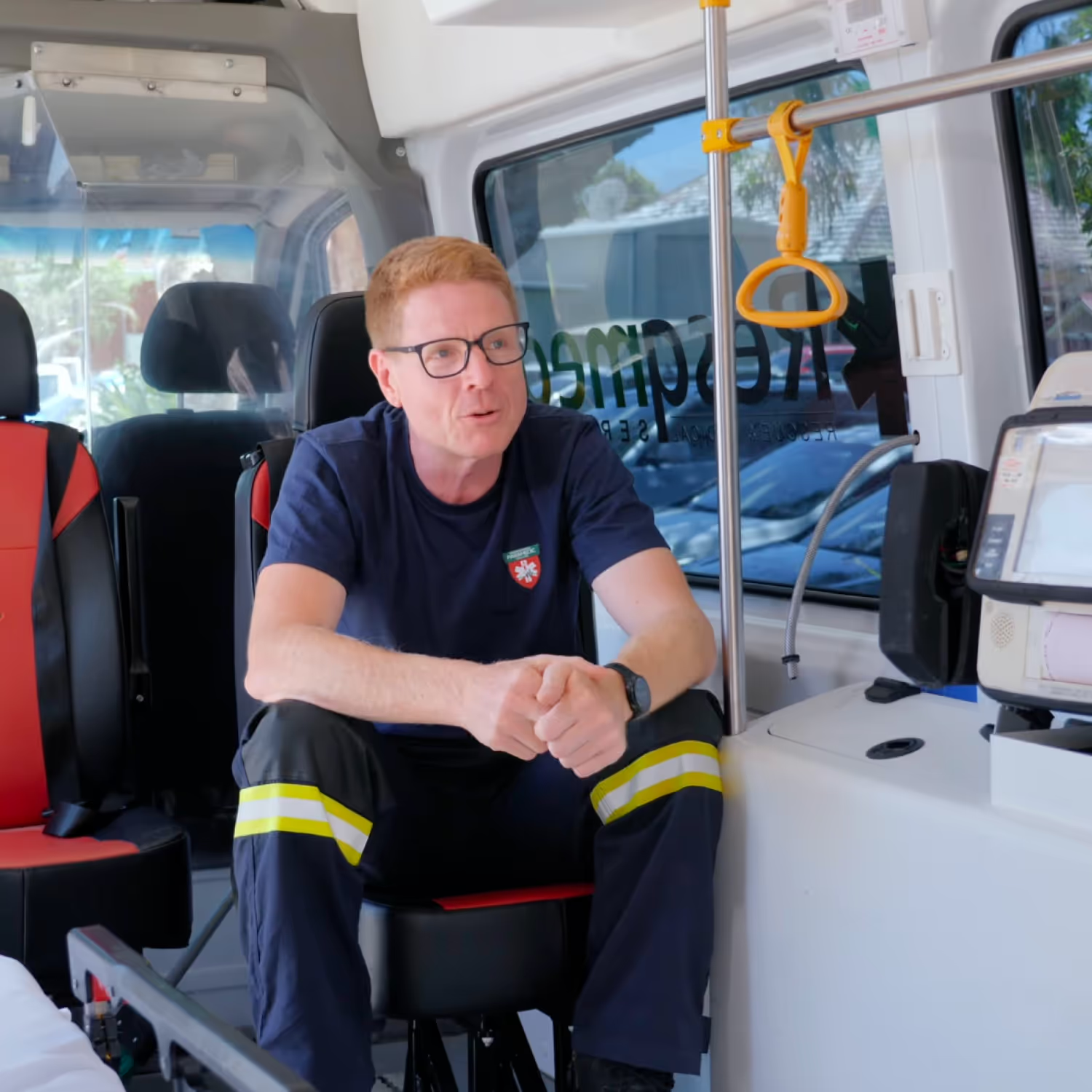
“The structure was straightforward and the support was there when I needed it. Workshops were practical, and I always knew what I was working toward.”
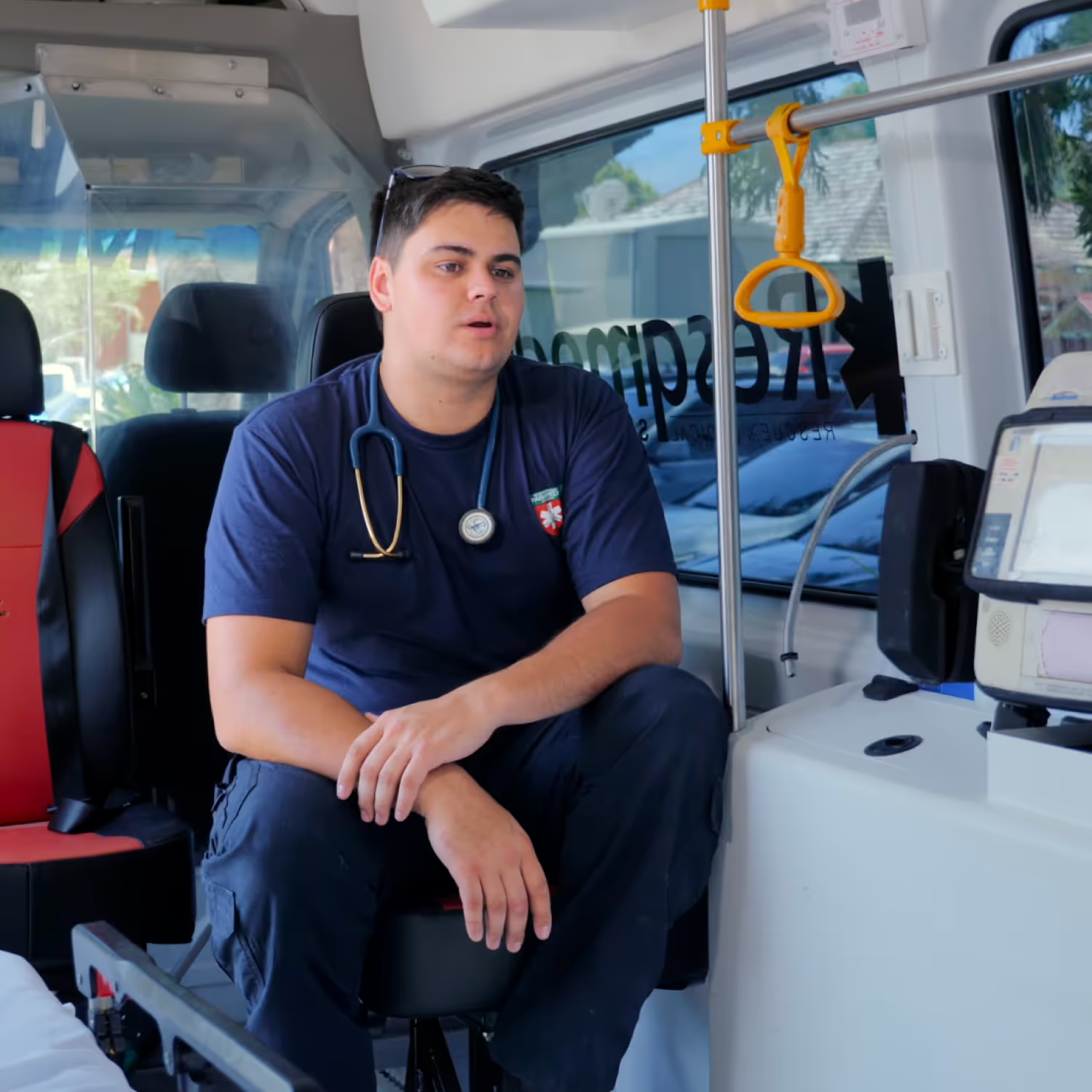
“I wanted training that felt real. The scenarios, feedback and support helped me build skills I can actually apply, especially when things get stressful.”
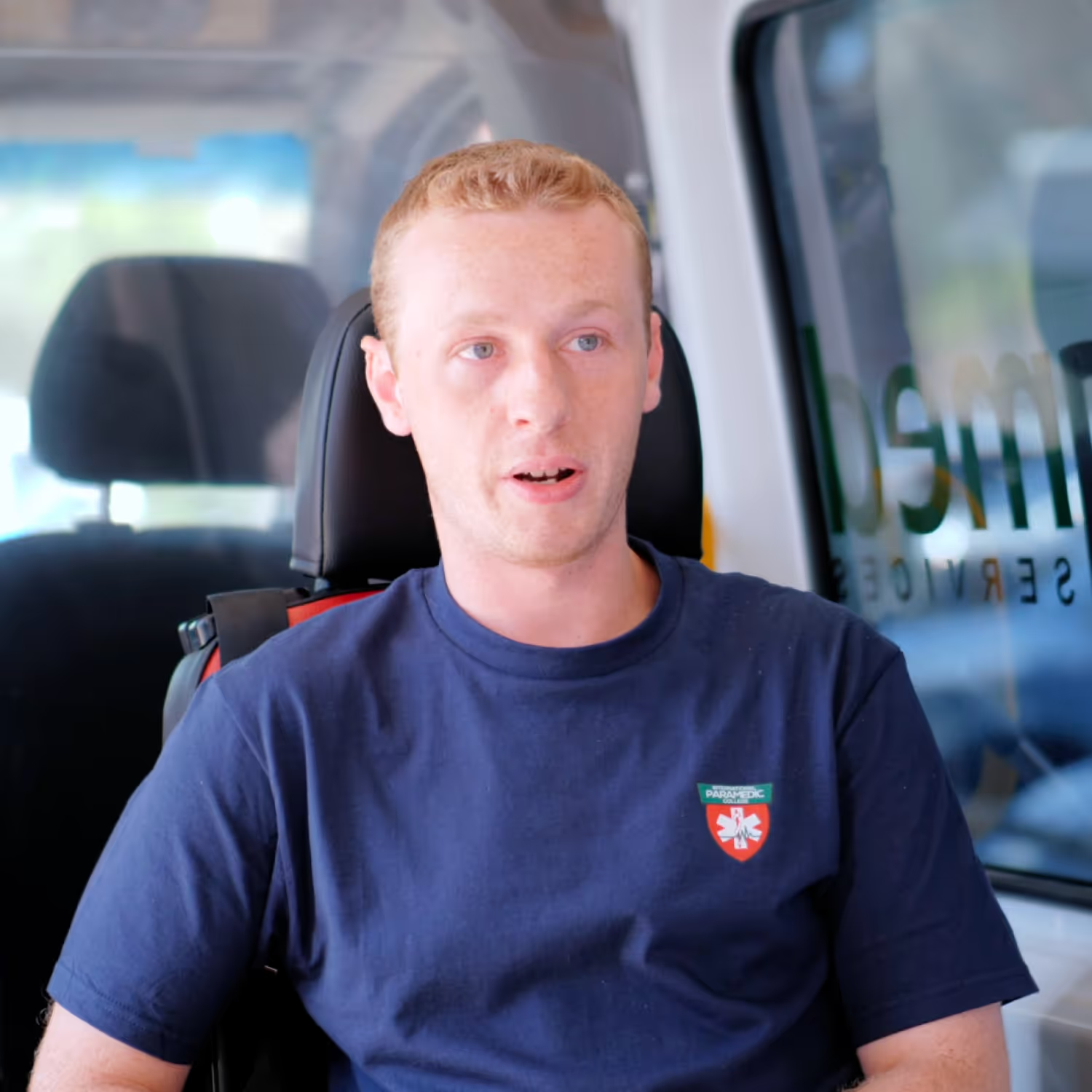
“What stood out was how approachable the team is. They teach in a calm, practical way and make sure you understand the ‘why’, not just the steps.”

“I learned more than skills - I learned how to think clearly under pressure. The practical training and feedback helped me feel ready for real-world situations.”

Ready to plan your health care assistant pathway?
If you want help choosing the right starting point or mapping your next stage, our team can guide you through your options.
Our licences
Our qualification pathways for health care assistant work are built around nationally recognised training and industry-aligned standards.

Insights and guides
Explore these articles to learn more about health care assistant work, the qualifications behind it and how your study choices can shape your career.




Get help starting your healthcare journey
If you’re exploring entry-level healthcare training, our team can guide you through enrolment, study options, and what to expect from this course.
