


Medical receptionist career and qualification pathway
A medical receptionist is generally the first person a patient speaks to at a clinic. They’re the ones who book appointments, file claims through Medicare, handle patient records and keep nervous patients calm while they’re in the waiting room. Employers won’t ask you for a specific qualification, though, since they care more about your experience and your software skills first. This page covers what the job pays and where it leads. Find your first course at International Paramedic College.

Understand the path from certificate to career
This guide covers what you need to get hired as a medical receptionist and what the job involves once you start. Jobs and Skills Australia lists no licence or registration requirement for the role, so you can start with on-the-job training. Where job listings do name a qualification, it’s usually a Certificate III in Health Administration or the medical administration stream of a business certificate.
What does a medical receptionist do?
Medical receptionists greet patients at a clinic or practice and answer their enquiries in person, by phone and in writing. They also manage the appointment calendar, handle billing and keep patient records confidential.
What the job involves
You’ll spend your day between the front desk and a computer. How much of each depends on how busy the clinic is. These are the four parts of the job that will take up most of your shift:
The front desk and the appointment book
You’ll greet every patient who walks in and answer the phone while you do it. The appointment calendar is fully yours to manage, so you’ll have to find ways to fit in urgent cases without derailing the doctors’ day. Expect complaints too, usually about waiting times you don’t fully control.
Billing and claims
You’ll register every new patient before they’re seen, collecting their details and verifying their Medicare or insurance information. You then send invoices to whoever will be paying, which could be Medicare, a private health fund, TAC or WorkCover. Making a mistake here can cost the practice money, so accuracy is more important than speed.
Practice software
Clinics do everything through practice management software. Best Practice and Medical Director are the two most common, with PracSoft and HotDoc close behind. SEEK lists Best Practice among the skills employers look for the most, so it might be a good idea to learn how to use it before you apply.
Patient records and confidentiality
You’ll handle patient records every day. The My Health Records Act makes you personally liable if you access one without authorisation, so it’s important to know what you can and cannot access. Practices must also train you before they grant you access, so you won’t be expected to know everything from your first shift.


What medical receptionists earn
Medical receptionists earn at least $26.97 an hour under the Health Professionals and Support Services award, rising to $28.03 at Level 2. A full-time job at that minimum comes to about $53,300 a year. SEEK’s advertised range is $65,000 to $70,000 based on current job listings, which tells you experienced receptionists are paid above the floor.
Few will reach that figure, though 67.5% of medical receptionists work part-time. Saturdays and Sundays pay 150% and public holidays 250%, though not every clinic opens on weekends.
Figures are indicative. What you earn depends on your employer, your state, your classification and your roster.
Where a medical receptionist career can take you
You’ll move up faster on experience than on study alone in this role, though the senior positions generally do want to see a nationally recognised qualification.
- Senior medical receptionist: You’ll oversee billing and supervise the front desk, which takes you to Level 2 or 3 under the award. To get there, you’ll need experience and usually a Certificate III in Health Administration.
- Practice manager: You’ll run the business side of a clinic, covering staffing, compliance and billing systems. No single qualification is required for the role, though the HLT47321 Certificate IV in Health Administration is perfect for this work.
- Hospital administration officer: Public hospitals hire administration officers across six levels, so you’d start at the entry level and work up.
- Health care assistant: You’ll leave the front desk for patient-facing work, which pays the same award minimum but gives you access to more technical hospital roles.
Where the jobs are
There are approximately 64,400 people working as medical receptionists in Australia today, almost all of them in health care and social assistance. You’ll find the work in general practices, specialist clinics, dental surgeries and public hospitals, usually close to where people live.
Jobs and Skills Australia publishes no state breakdown or growth forecast yet, since its profile is an initial release built on census data.
Who this pathway is for
- Career changers with no health background
- Anyone who wants to work at a clinic without working directly with patients
- People who need part-time hours to fit around other commitments
- Those who’d rather learn on the job than commit to a qualification before
Skills you’ll build along the way
- Run an appointment calendar that several doctors depend on
- File claims correctly through Medicare and private health funds
- Learn the practice software inside and out
- Handle an angry patient in a full waiting room
- Work within the privacy laws you’re required to
A simple medical receptionist training sequence
Experience counts for more than any certificate for becoming a medical receptionist, but you can use certificates and specific courses to learn more about your job and to progress into higher-paid roles:
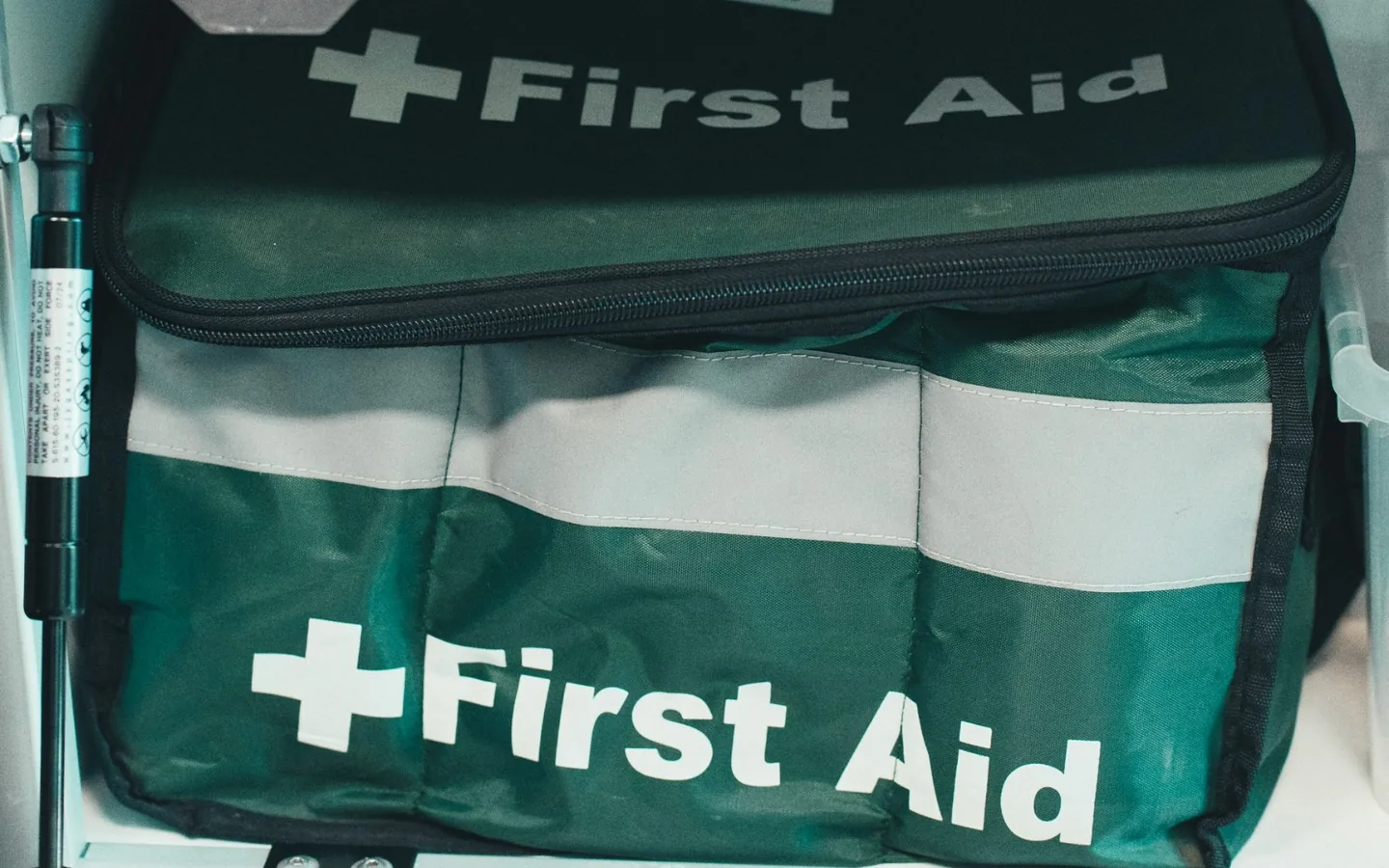
HLTAID011 Provide First Aid is also worth adding. Some practices ask for current first aid even if you won’t be expected to work directly with patients, and you might even be the first aid officer in a small clinic.
You’ll learn to read the terminology that appears in referrals and clinic notes. IPC delivers this unit online, so you can finish it before committing to a full certificate.

Pick this stream to study confidentiality and privacy in a medical setting.
Employers ask for this one when they look for a medical receptionist with a qualification.
Come back to this one once you’re working and want a senior administrative role. You’ll study privacy and confidentiality in a medical setting, infection control, and how to coordinate care across a clinical team.
Do you need a qualification?
No. Jobs and Skills Australia has no licence or registration for the role. Most practices will simply train you on the job.
You might still find it difficult to get a first interview when every ad asks for two years of experience you don’t have. Finishing even one unit gives a practice manager a reason to pick you over another applicant with nothing, since you’ve shown you’ll put your own time into the work. You’ll also walk in understanding the privacy rules, which makes the practice’s job easier as they don’t have to train you as thoroughly on that before granting you access to the My Health Record system.
BSBMED301 Interpret and Apply Medical Terminology is the unit worth starting with. You’ll learn to read the terms that appear in referrals, clinical notes and the records you’ll handle all day, which is the part of the job a practice can’t easily teach you between patients. It’s also a core unit of the Certificate III in Health Administration, so you can get credit for it if you decide to pursue a full qualification in the future. IPC delivers BSBMED301 Interpret and Apply Medical Terminology as a standalone unit.
First aid and CPR courses
Some practices ask for current first aid before they’ll hire you, and in a small clinic you’ll often be the one who holds the certificate for the whole practice:
HLTAID011: Provide First Aid
Nationally recognised First Aid training with online theory and face-to-face practicals. Includes HLTAID009 Provide Cardiopulmonary Resuscitation.
HLTAID009: Provide Cardiopulmonary Resuscitation
Nationally recognised CPR training. Essential skills for the workplace, community and home.
HLTAID012 First Aid in an Education & Care Setting
Designed for educators and childcare workers, this course focuses on responding to emergencies involving infants and children, meeting ACECQA and regulatory requirements. Includes HLTAID009 Provide Cardiopulmonary Resuscitation.
How to follow the right progression
You don’t need to have everything mapped out on day one. Start with a realistic step, then build a clear course progression plan as you go.
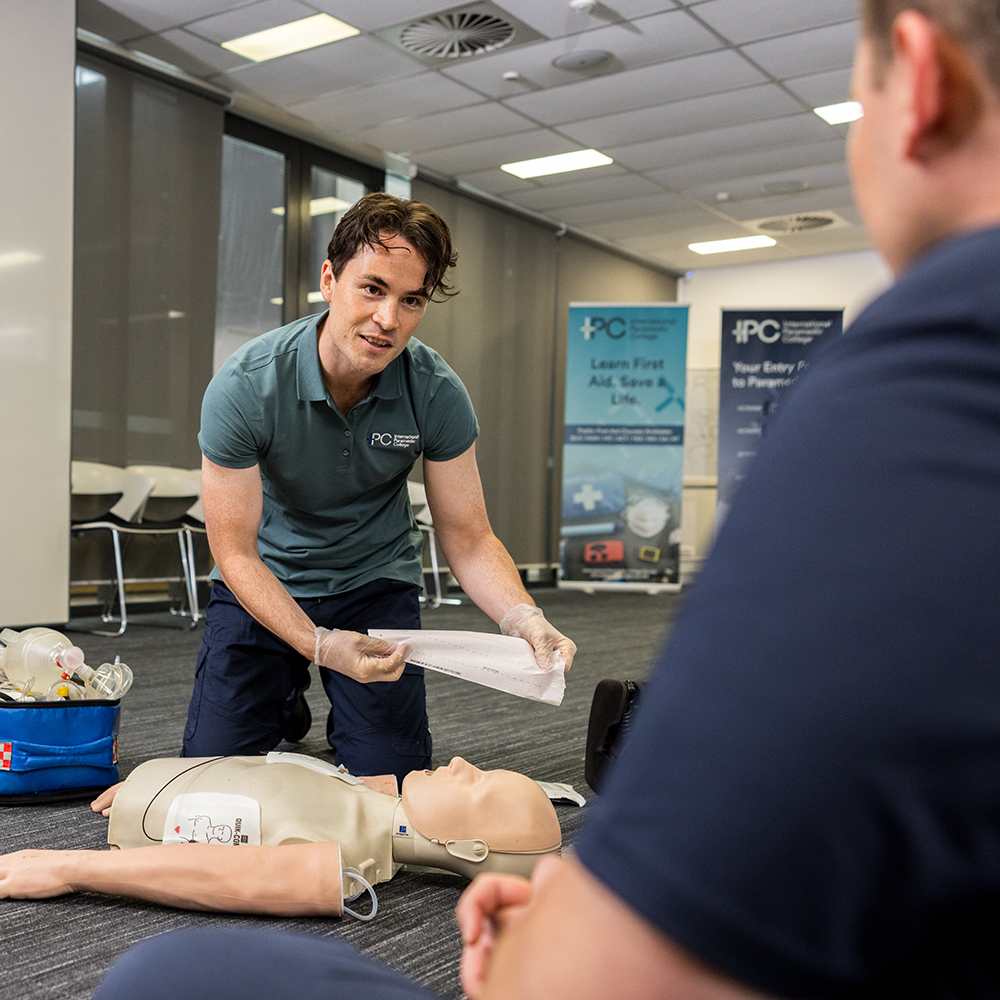
Choose your starting level
Pick the qualification level that suits your current confidence and experience so your learning feels achievable.
Build skills through structured training
Complete your learning at a steady pace, focusing on competence rather than rushing, so you’re well-prepared for the next step.
Progress to the next qualification stage
When you’re ready, move up to the next level in the paramedic training sequence with clearer direction and stronger foundations.
Roles that connect with this pathway
You’ll find these roles in the same clinics and hospitals, usually on the same award, so a move sideways won’t cost you the ground you’ve covered:
FAQs
Below, we’ve answered common questions about becoming a medical receptionist.
What qualifications do you need to be a medical receptionist?
None, legally. Plenty of practices hire on experience and train you on their software. Where an employer does ask for a qualification, it’s usually a Certificate III in Health Administration or the medical administration stream of a business certificate.
How much do medical receptionists get paid?
At least $26.97 an hour under the Health Professionals and Support Services Award. SEEK puts advertised roles at $65,000 to $70,000 a year, so experienced receptionists earn well above the minimum.
What software do medical receptionists use?
Medical receptionists generally use Best Practice and Medical Director. Employers tend to ask for Best Practice more than any other, so learn that one first if you’re choosing.
Can a medical receptionist get in trouble for looking at patient records?
Yes, and the liability is yours personally. Accessing a patient’s My Health Record without authorisation carries penalties of up to two years’ imprisonment under the My Health Records Act. Always follow your practice’s access policy.
Why IPC is a smart place to begin
International Paramedic College supports your medical receptionist pathway by keeping learning practical and helping you understand what to do next.
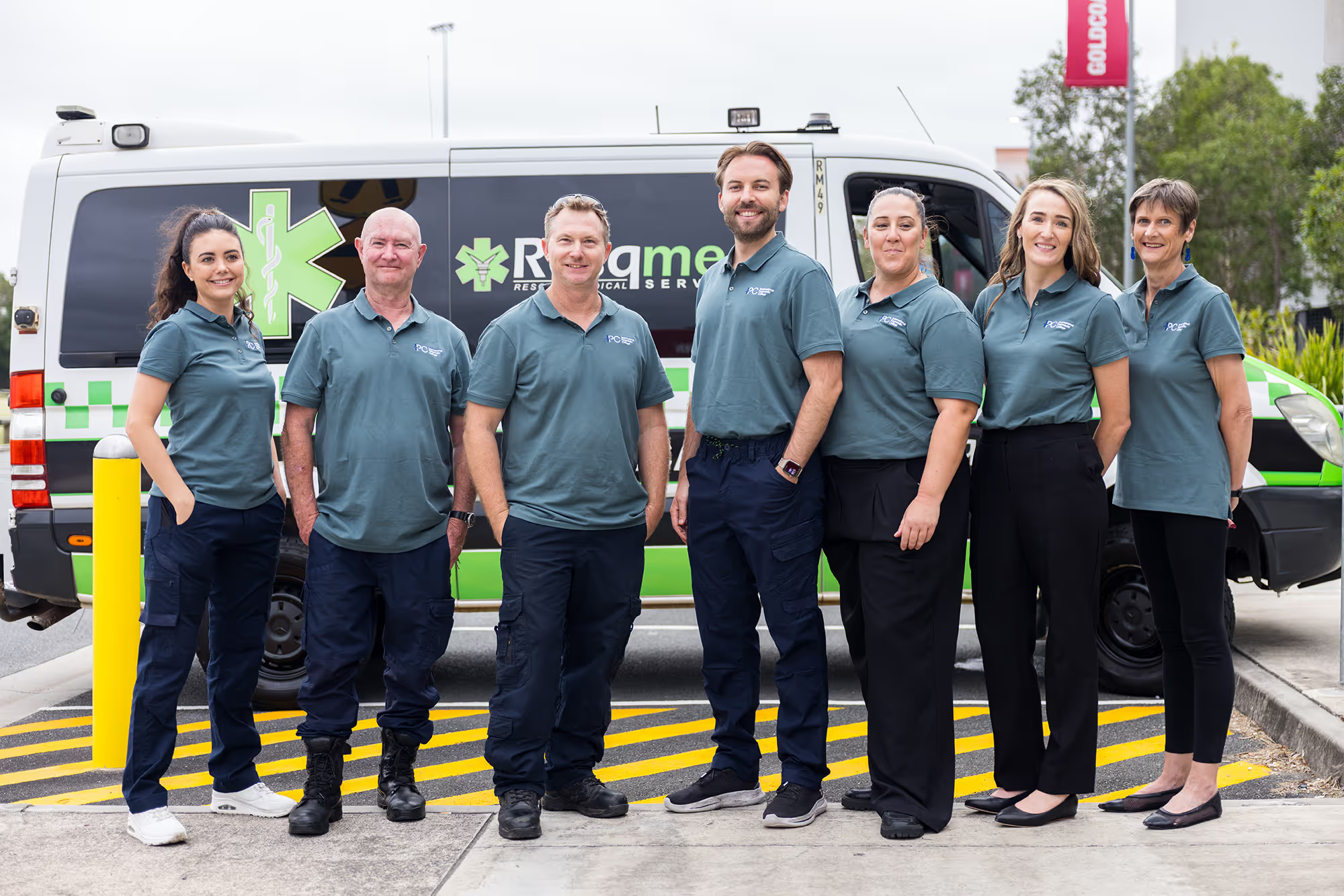

Training with real-world focus
Practical skill development and scenario thinking that's built for emergency-care readiness.

Clear progression support
We help you understand your next step in the paramedic training pathway.

Confidence-building structure
A guided learning model that keeps things achievable and goal-oriented.
Recognised training standards
When you’re working towards a medical receptionist role, you want training that’s credible and consistent.
Registered Training Organisation (RTO 45284)
International Paramedic College is an ASQA-approved Registered Training Organisation (RTO 45284) that delivers nationally recognised training and qualifications in Australia.

Nationally recognised qualifications
We deliver nationally recognised qualifications and accredited training that support real employment and workplace outcomes.
Certification you can use anywhere
Upon completing training, your results lead to a recognised certification that can be used for employment, workplace compliance, and further study.

What our students say
Students often tell us the biggest difference is clarity. This includes knowing what to study first, what to build next, and how to stay motivated through the process.
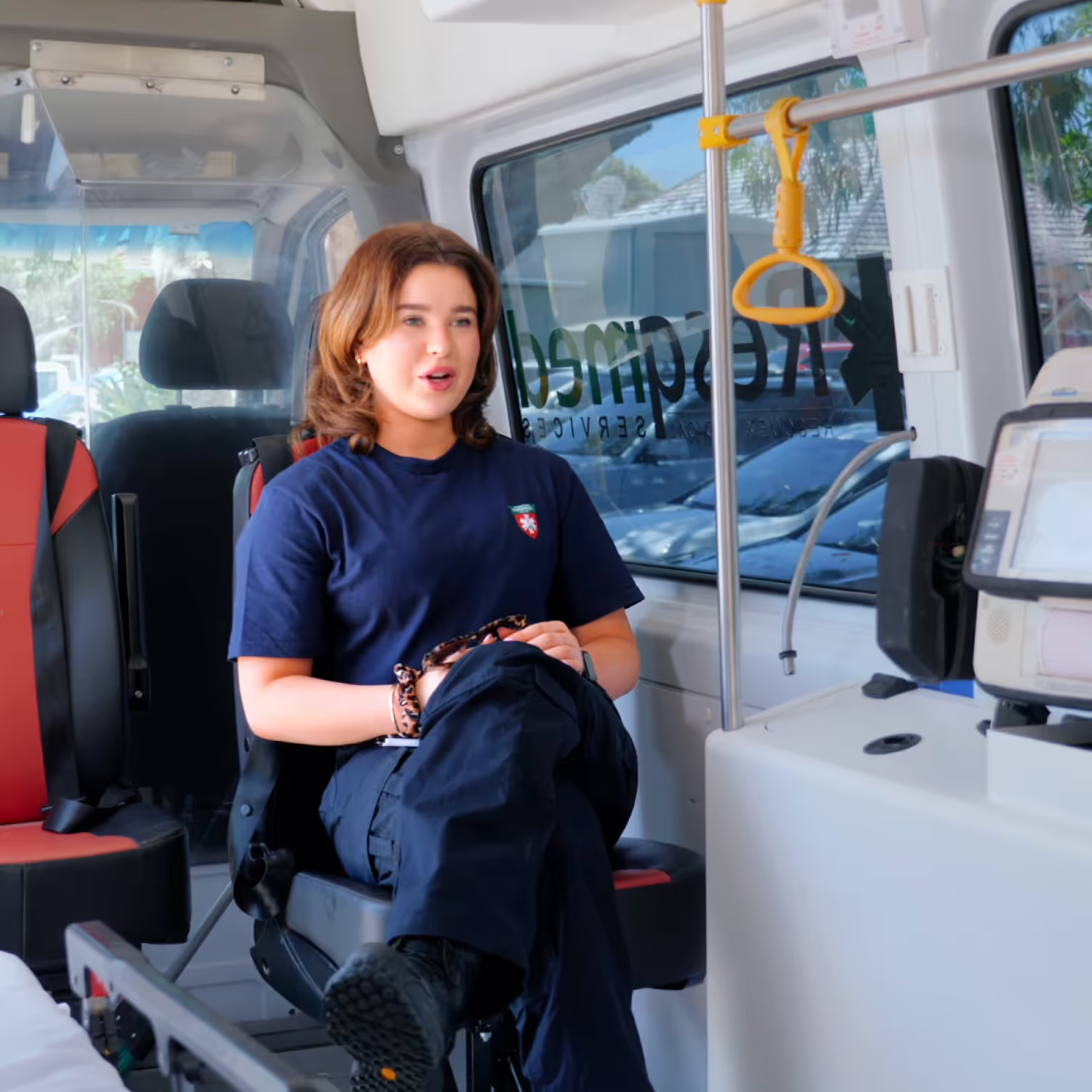
“IPC made learning feel achievable. The trainers explained things clearly, the practical sessions were hands-on, and I finished the course feeling genuinely more confident.”

“I chose IPC because when I did research I found they had really good feedback from the students and students coming back to do more courses so I believe it’s the right school for me and the price was really good.”
“The structure was straightforward and the support was there when I needed it. Workshops were practical, and I always knew what I was working toward.”
“I wanted training that felt real. The scenarios, feedback and support helped me build skills I can actually apply, especially when things get stressful.”
“What stood out was how approachable the team is. They teach in a calm, practical way and make sure you understand the ‘why’, not just the steps.”
“I learned more than skills - I learned how to think clearly under pressure. The practical training and feedback helped me feel ready for real-world situations.”

Ready to plan your medical receptionist pathway?
If you want help choosing the right starting point or mapping your next stage, our team can guide you through your options.
Our licences
Our qualification pathways for medical receptionist work are built around nationally recognised training and industry-aligned standards.

Insights and guides
Explore these articles to learn more about medical receptionist work, the qualifications behind it and how your study choices can shape your career.

Get help starting your healthcare journey
If you’re exploring entry-level healthcare training, our team can guide you through enrolment, study options, and what to expect from this course.
