


Paramedical courses Northern Territory
You’ll study online at your own pace, then build hands-on capability through structured practical skill development as required by your course.

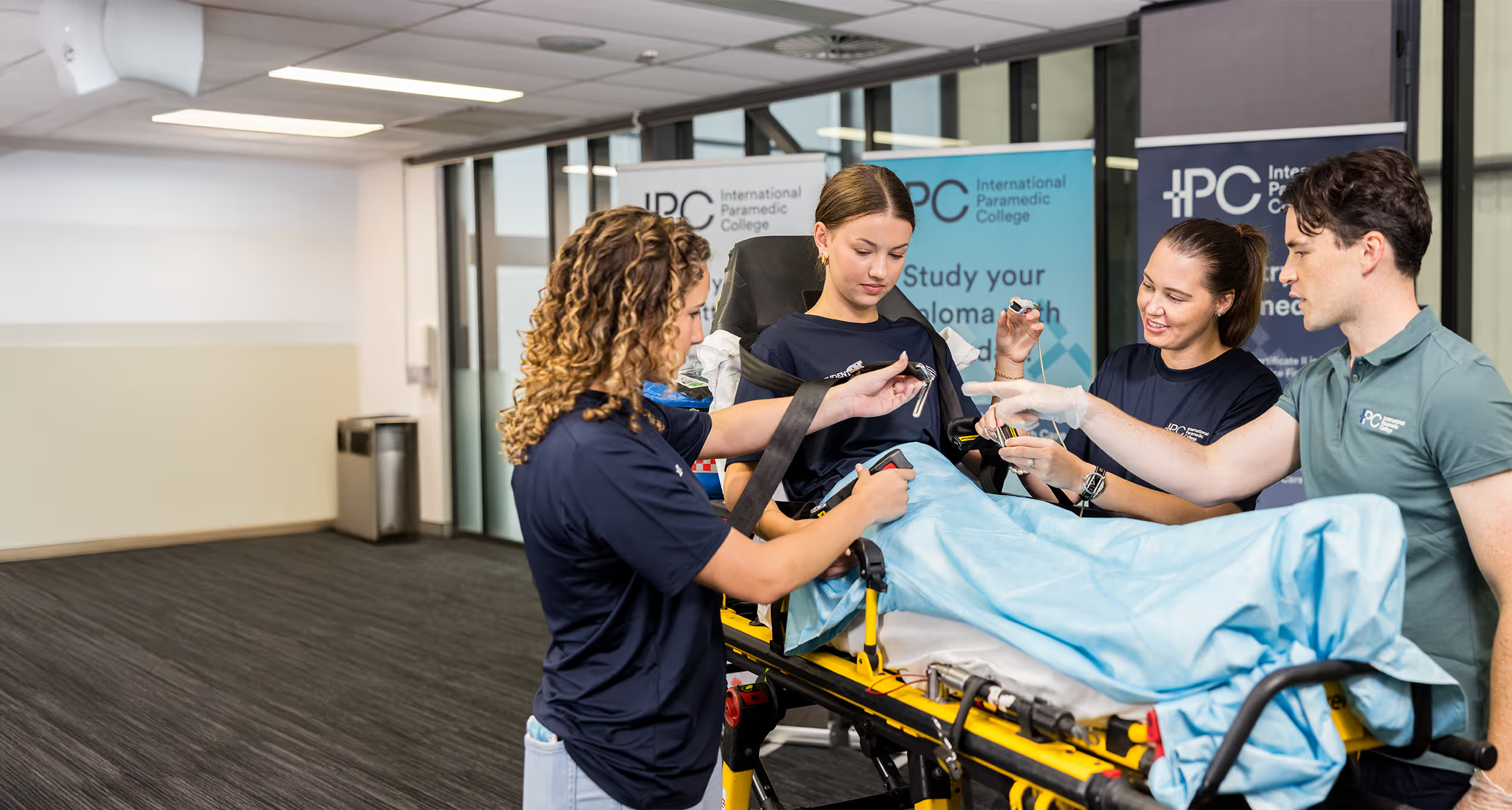
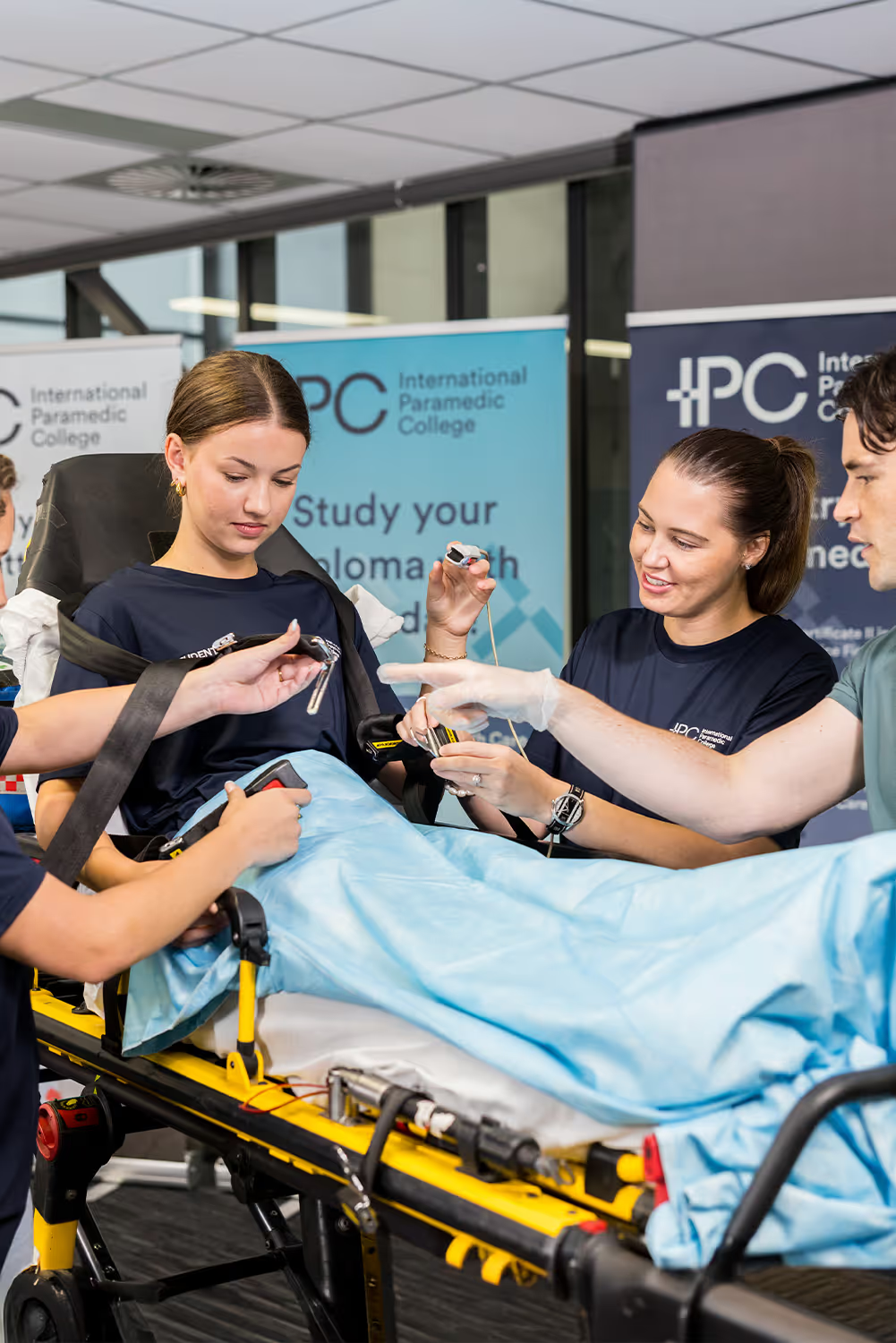




Study a paramedicine course in the Northern Territory
IPC’s learning model is designed for individuals seeking a paramedicine course in the Northern Territory that remains practical, structured, and job-relevant. You’ll receive a clear learning path, guidance when needed, and training tailored to the realities of emergency care.
- Learn from anywhere with self-paced online study
- Choose a training level that matches your experience and goals
- Build confidence step-by-step with structured assessments and practical skills
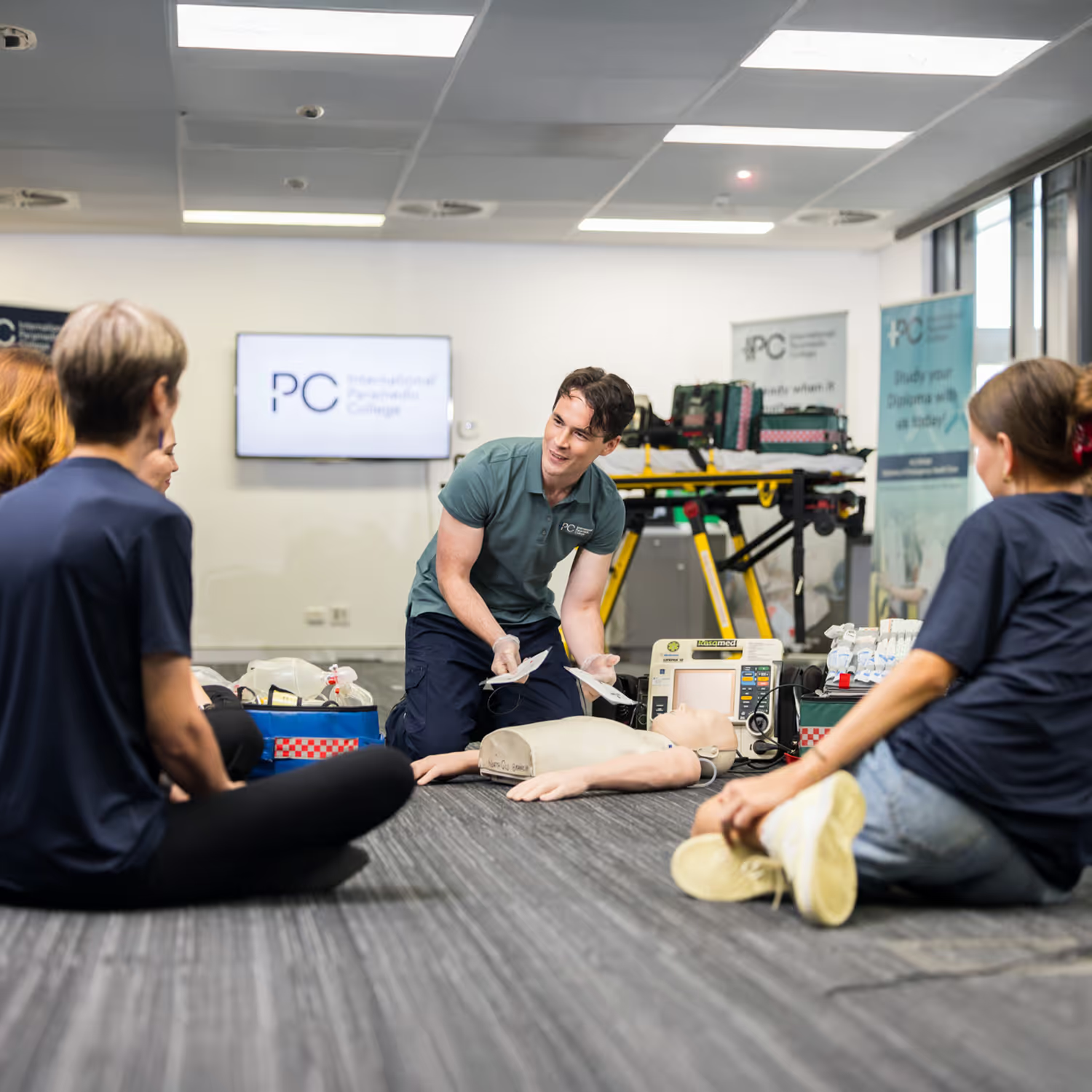


Paramedical courses available in NT
These programs support students looking for paramedic pathways and broader study options.
HLT51020: Diploma of Emergency Health Care
Our flagship qualification for pre-hospital care is delivered online, with hands-on workshops.
HLT41120: Certificate IV in Health Care
A strong foundation in emergency health care, with online learning and practical training.
HLT31220: Certificate III in Basic Health Care
Entry-level healthcare training delivered online for flexible study across Australia.
Australia Wide
HLT31120: Certificate III in Non-Emergency Patient Transport (NEPT)
Train for patient transport work in a structured, supportive learning model.
HLT21020: Certificate II in Medical Service First Response
Ideal for entry-level responders needing real-world first response skills.
Australia Wide
HLTOUT005: Assess and Deliver Standard Clinical Care
A practical unit for improving clinical decision-making and patient care skills.
Your pathway, mapped out from day one
If you’re new to the field, it’s easy to get lost comparing course titles and levels. Here’s the simple way to understand progression through paramedic courses in Darwin.
Best if you want an introduction to emergency care concepts without overcommitting too early. Great for building foundational readiness.

A stronger base for health-care support roles and structured patient-care learning, building capability and consistency.
A step up for students who want broader clinical knowledge, stronger competency, and more advanced emergency-care development.
Designed for students aiming for higher-level pre-hospital care capability and a more significant training outcome.
How paramedical training works in Darwin
Training should feel manageable, not messy. IPC keeps the process clear from enrolment through to course completion, with support built in.
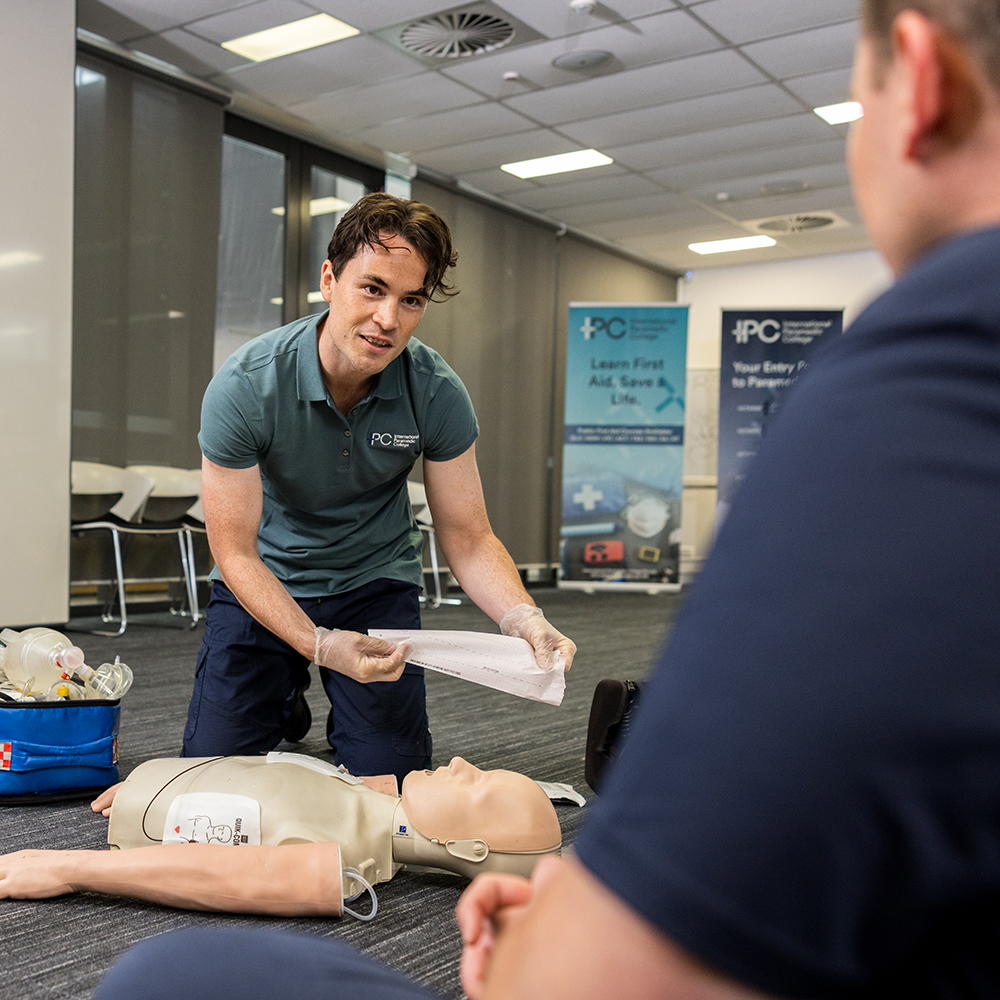
Choose a course level that suits your goal
Whether you're looking for a starting point or are ready for a more advanced qualification, we’ll help you find the right pathway to suit your situation.
Study online from anywhere in the Territory
Complete your learning and assessments in your own time. This is ideal for NT rosters and those who prefer regional living.
Build practical capability where required
If your course includes practical components, you’ll receive guidance on what’s needed, how to prepare, and how to approach the requirement with confidence.
What makes IPC different for Northern Territory students
If you’ve looked at providers before, you’ve probably noticed the same promises everywhere. IPC takes a different approach: keep learning flexible, keep training practical, and keep support consistent.

Built for people juggling real commitments
This is training designed for rosters, family life, remote work, and the unpredictability that comes with daily life.
Practical outcomes, not fluffy theory
Course content is shaped around emergency care realities, so you’re learning what matters, not just what fills time.
A support model that doesn’t disappear mid-course
You’re not left guessing. You’ll receive guidance at key points, allowing you to progress steadily.
Training access in the Northern Territory
Complete your paramedic course theory online from Darwin and throughout the Northern Territory, with the flexibility to study from home or work. To finalise your training, you’ll attend a face-to-face practical session at one of our approved locations listed below.
Practical training is available within the Northern Territory; however, locations may change. Please contact our team to confirm current venues and upcoming session availability.

Phone

Venue address
Our accreditations
When you choose IPC for paramedic Northern Territory study, you’re choosing a provider that delivers training aligned with recognised national frameworks.
Registered Training Organisation (RTO 45284)
IPC is an ASQA-approved Registered Training Organisation (RTO 45284), authorised to deliver nationally recognised training.

National recognition across Australia
Training aligns with national training packages, supporting recognised outcomes and portable qualifications.
Quality systems that protect the learner experience
IPC maintains structured processes for delivery, assessment, and consistency, so your training stays reliable from start to finish.

What our Darwin students say
Northern Territory students often tell us the same thing: flexibility matters, but so does structure. Hear how learners balance online study with real life and still progress through training.
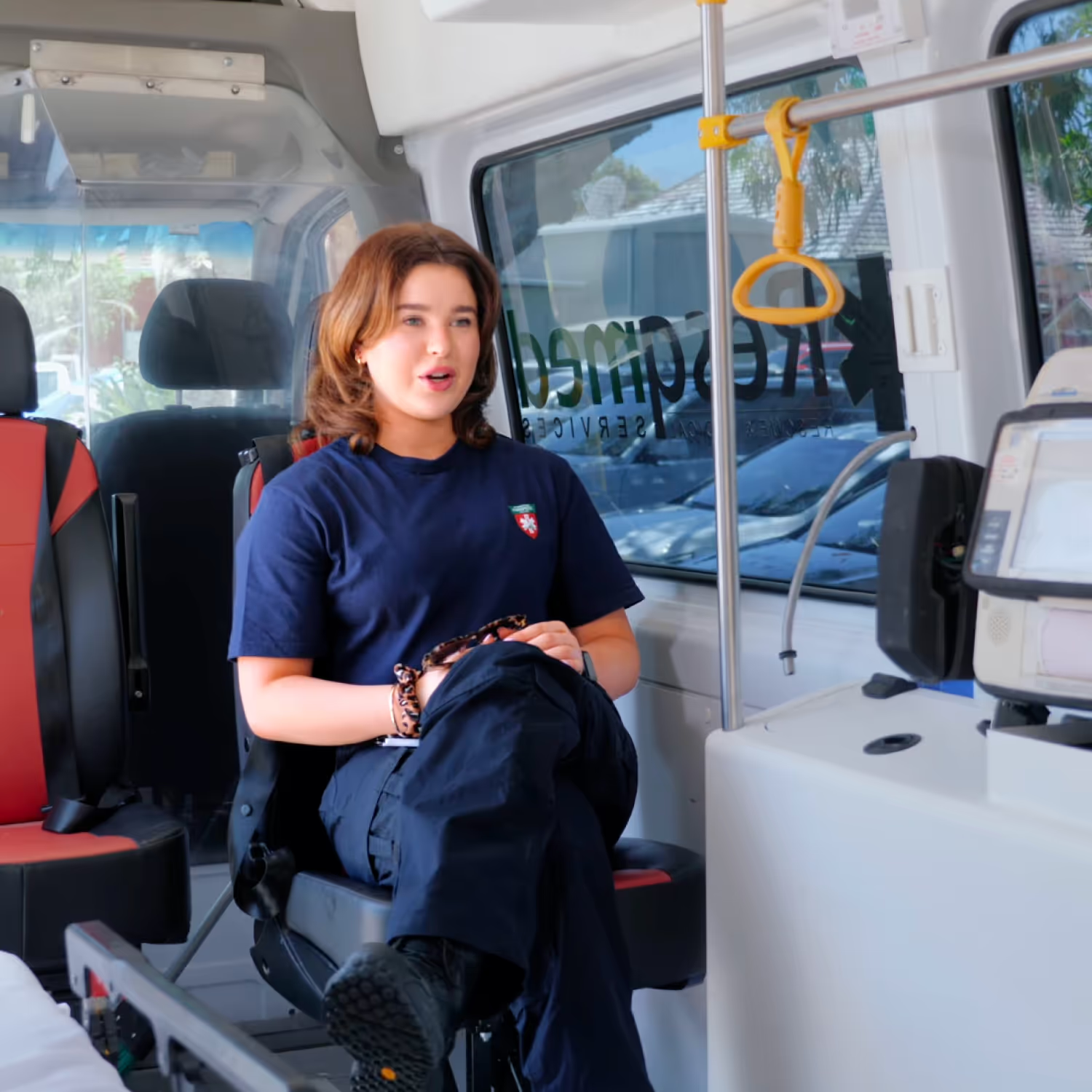
“IPC made learning feel achievable. The trainers explained things clearly, the practical sessions were hands-on, and I finished the course feeling genuinely more confident.”
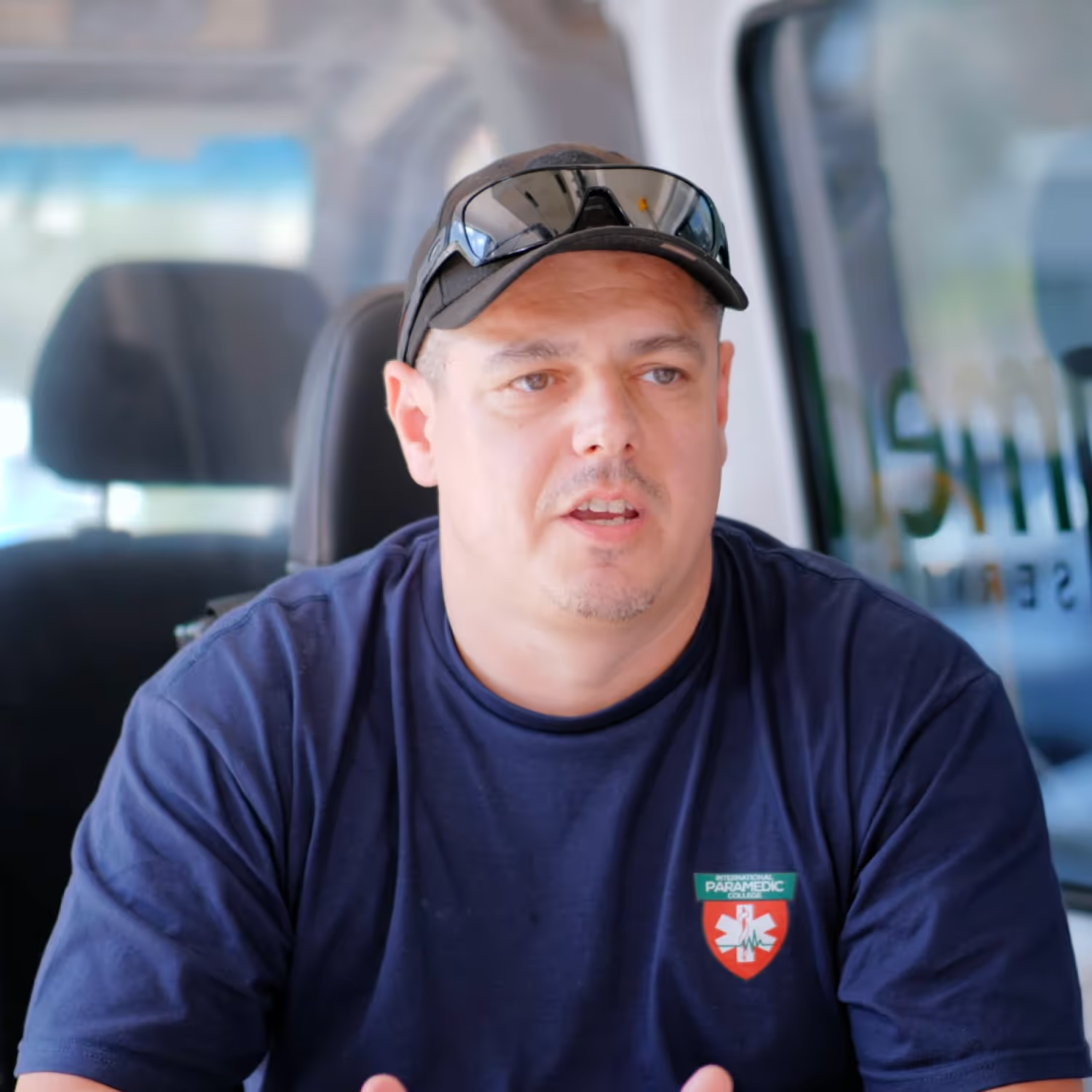
“I chose IPC because when I did research I found they had really good feedback from the students and students coming back to do more courses so I believe it’s the right school for me and the price was really good.”
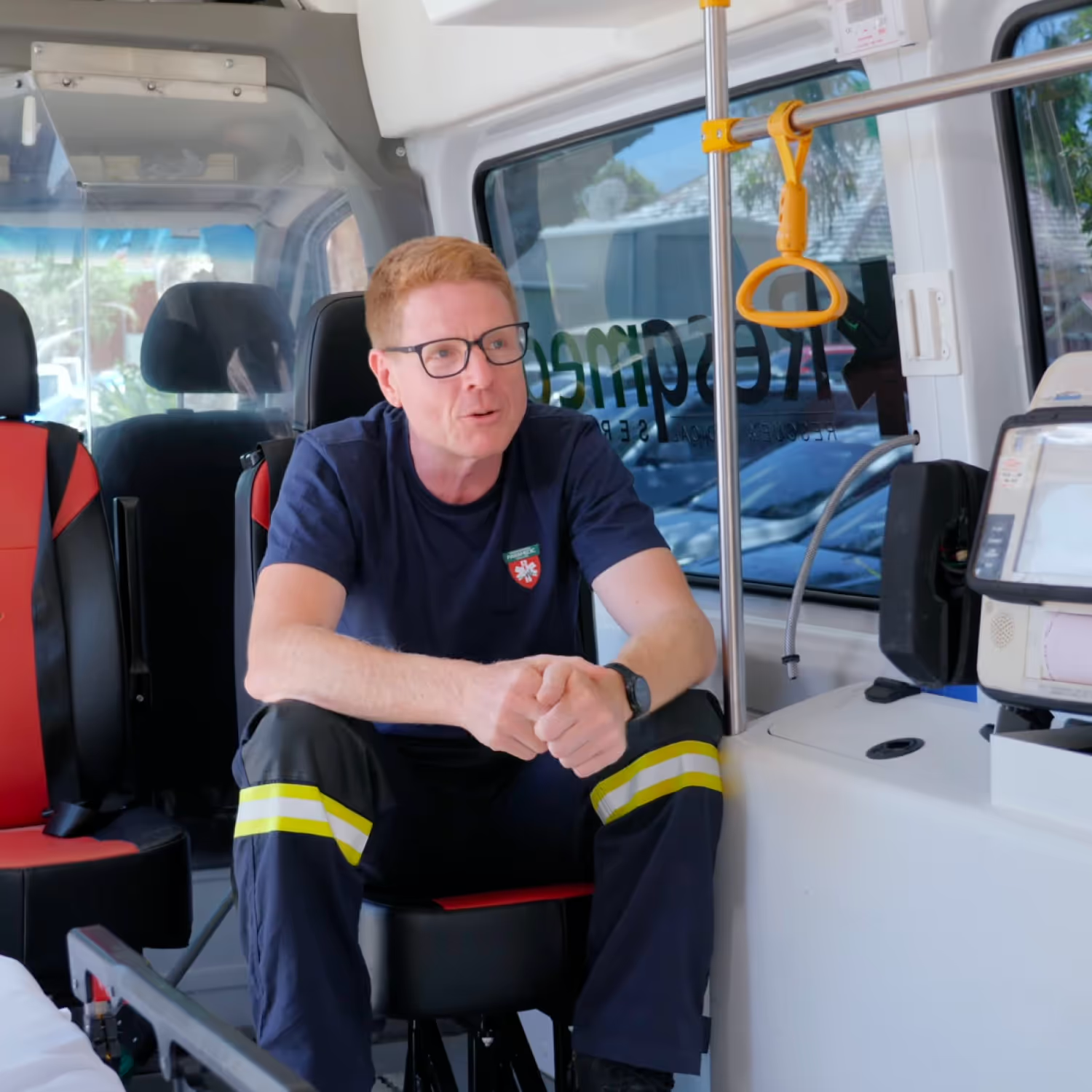
“The structure was straightforward and the support was there when I needed it. Workshops were practical, and I always knew what I was working toward.”
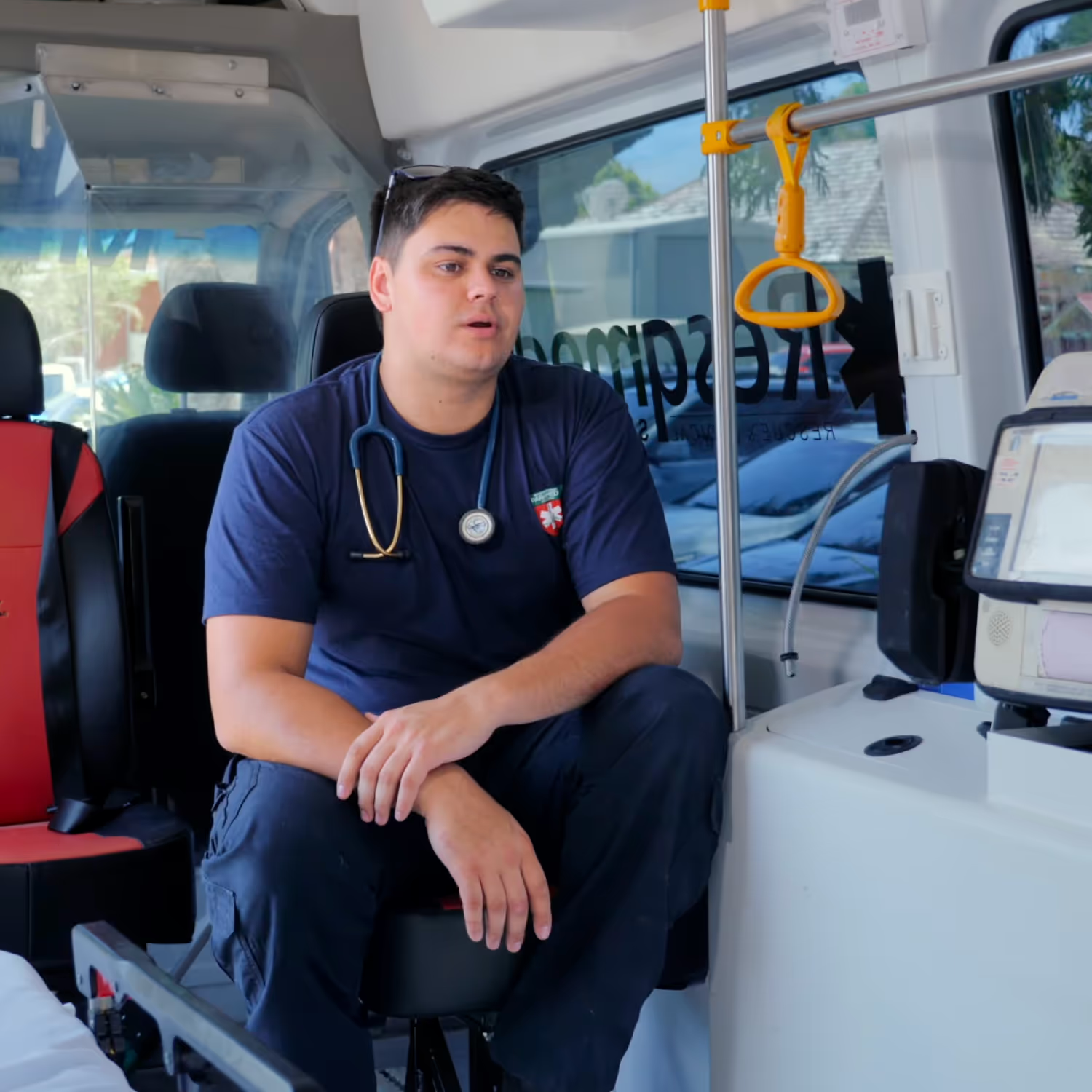
“I wanted training that felt real. The scenarios, feedback and support helped me build skills I can actually apply, especially when things get stressful.”
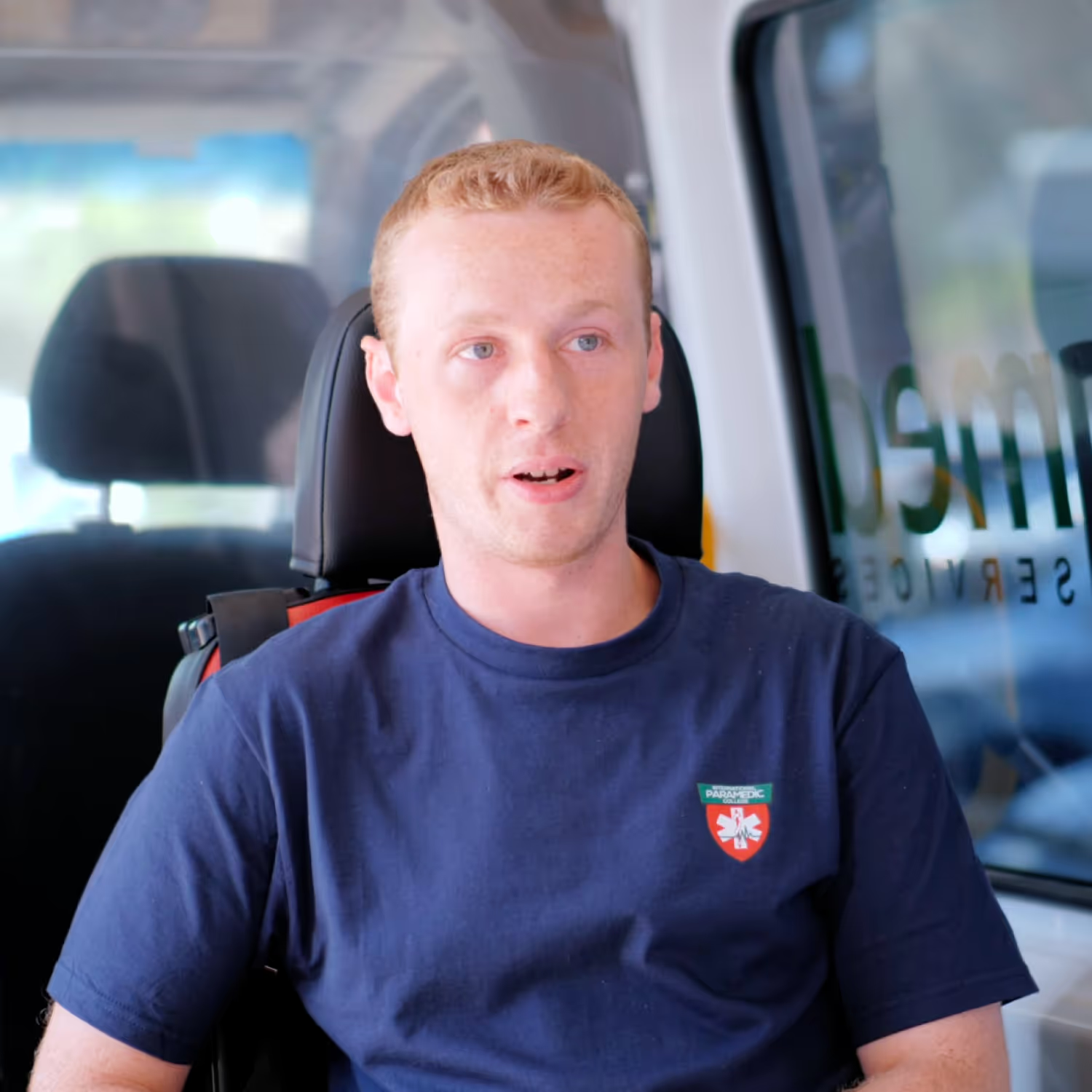
“What stood out was how approachable the team is. They teach in a calm, practical way and make sure you understand the ‘why’, not just the steps.”
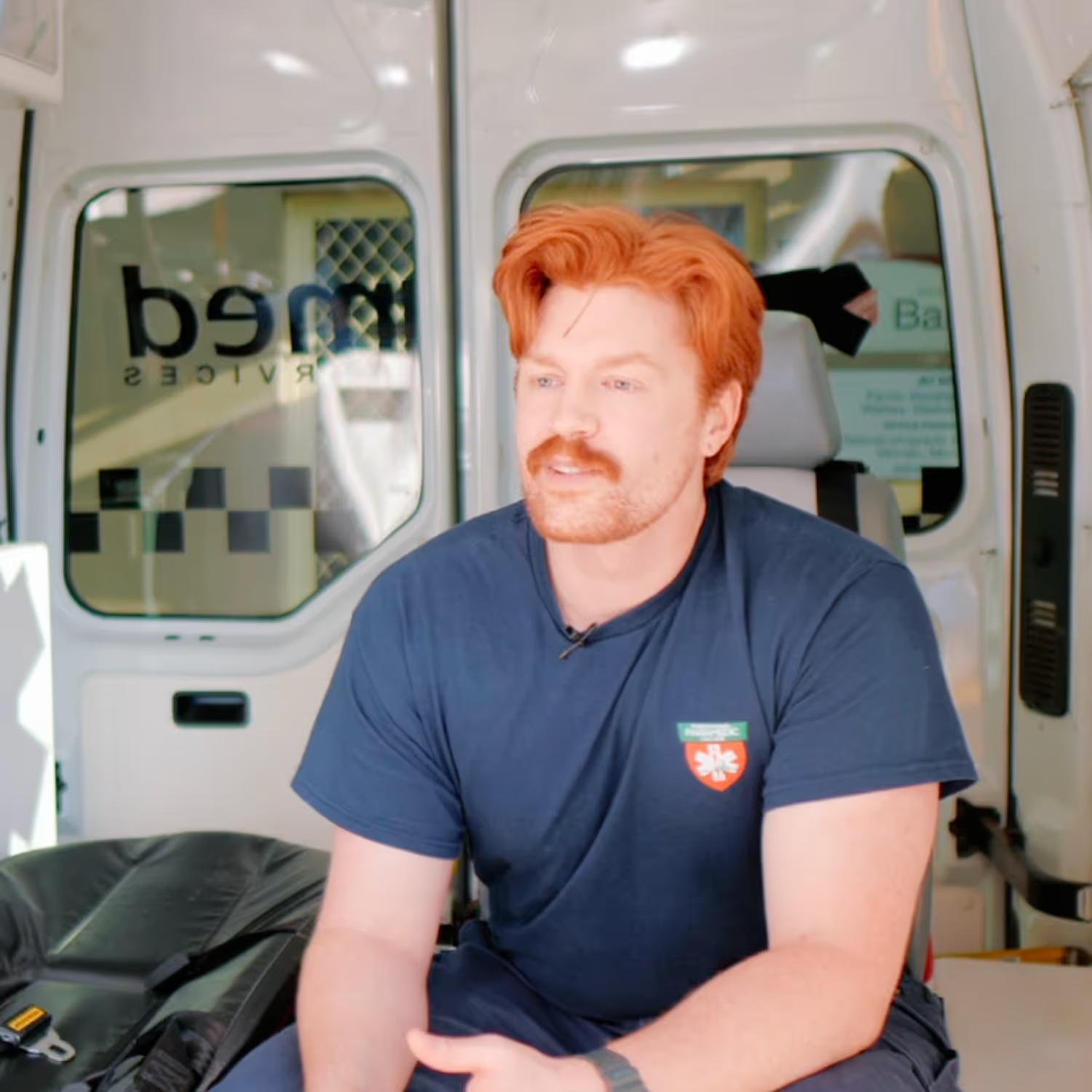
“I learned more than skills - I learned how to think clearly under pressure. The practical training and feedback helped me feel ready for real-world situations.”

Ready to start paramedic training in the Northern Territory?
If you’re considering a paramedical course in Darwin, we’ll help you choose a starting point that makes sense and map out your next steps clearly.
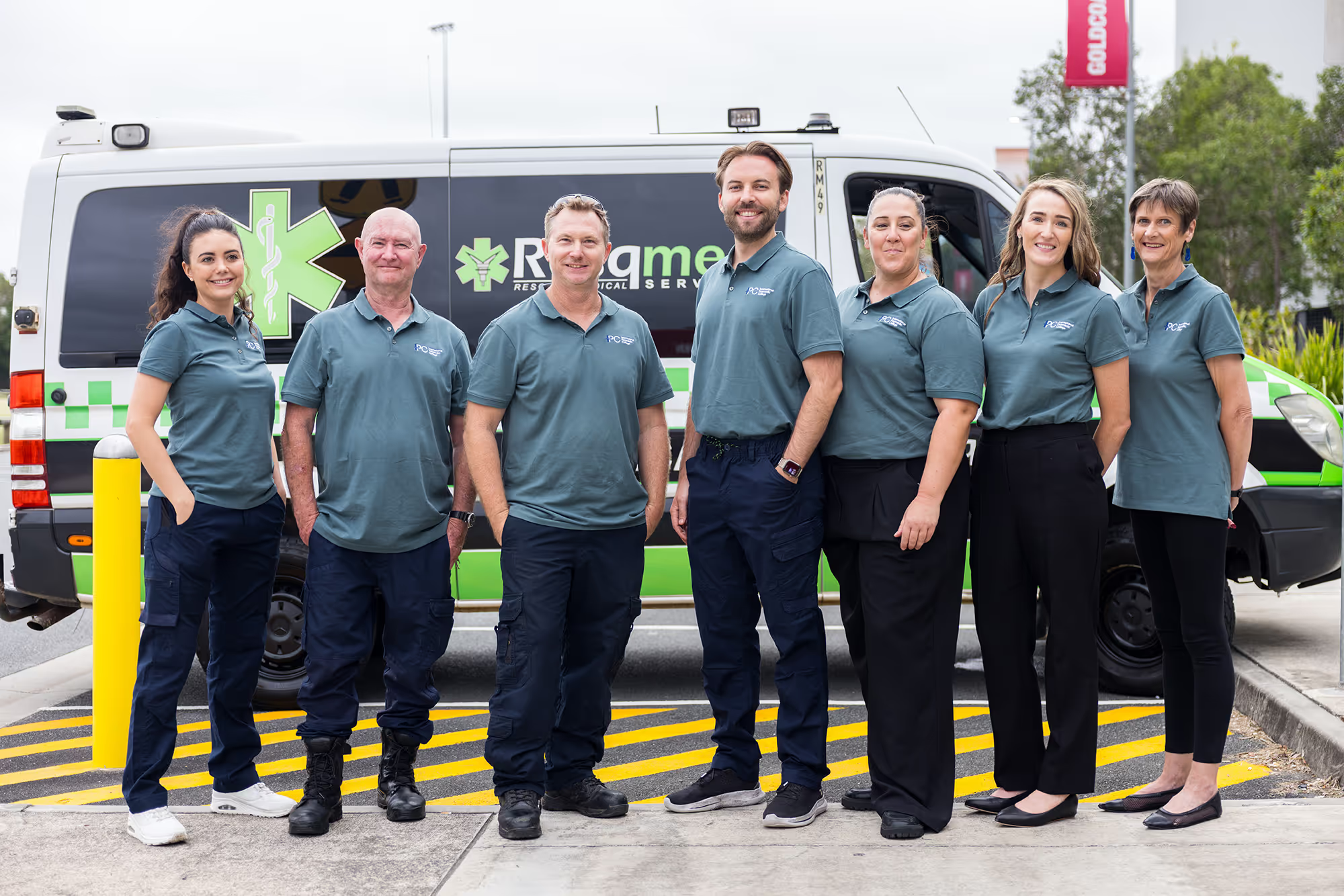
Meet the team
You’re supported by people who understand emergency care training and what students need to keep moving forward, especially when studying from the Northern Territory.
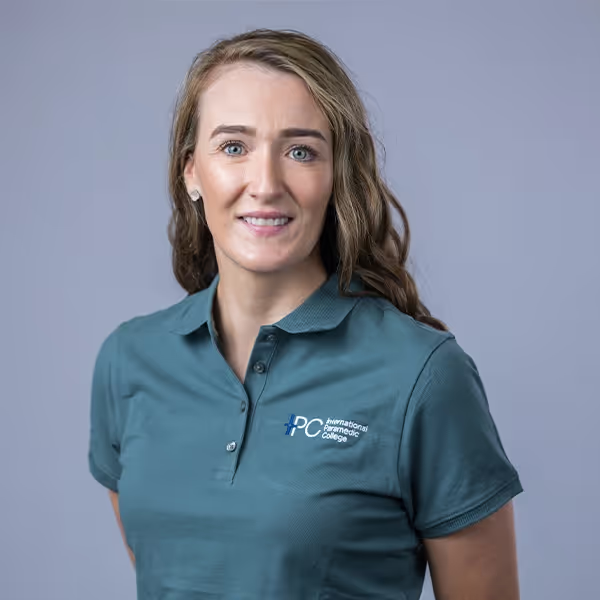
Susan Devlin
Susan Devlin is the CEO of IPC, bringing over 20 years of leadership experience across vocational education and RTO management. She is passionate about building accessible training pathways that help people step into health and emergency services.
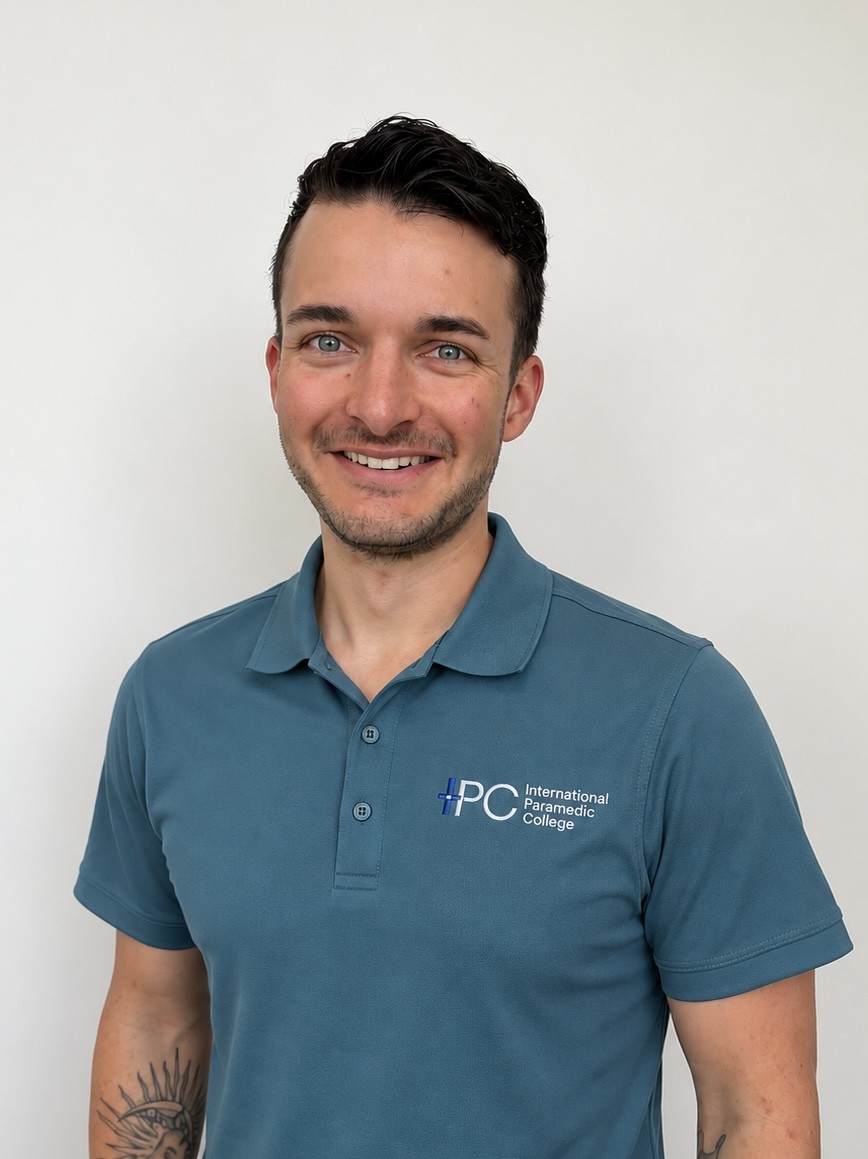
Kel Gale
Kel’s professional background spans training across the pre-hospital health care, maritime and tourism sectors, with a strong focus on providing practical, efficient, evidence-based education.
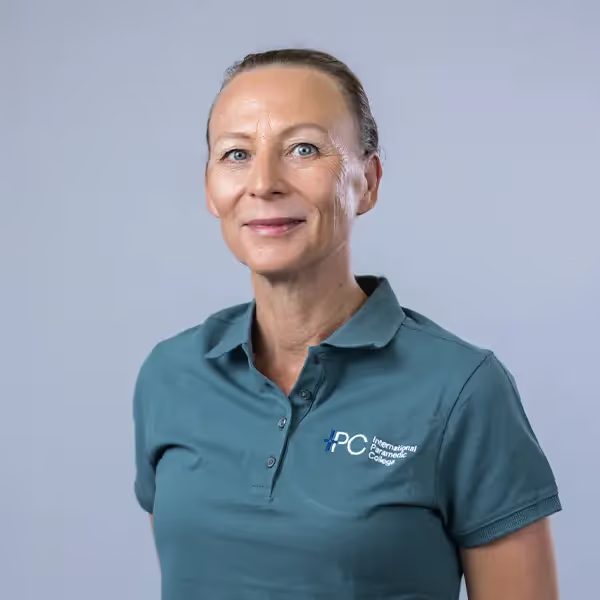
Lisa Bailey
Lisa Bailey is IPC’s Head of Product and WHS Officer, responsible for developing and refining learning resources across the organisation. She uses modern tools and technologies to create engaging and effective training experiences.
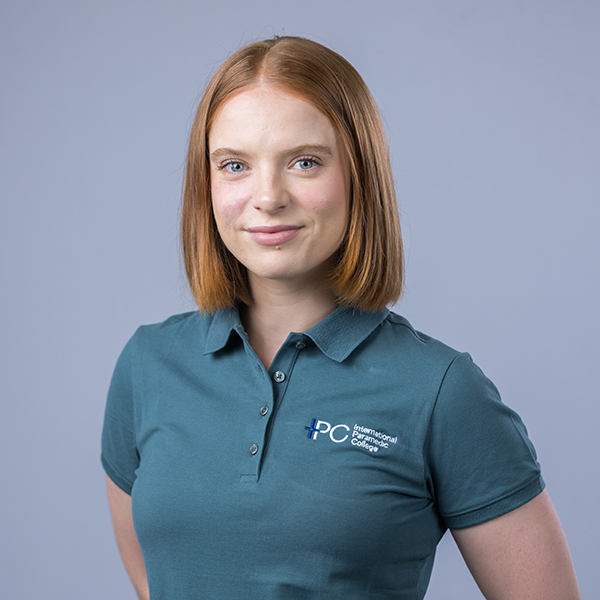
Reahanna Clark
Reahanna Clark is IPC’s Course Advisor, supporting new and continuing students as they navigate their training and career pathways in emergency health care. With over five years of RTO experience and a background in health sciences, she provides helpful guidance on course selection, enrolment, credit transfers, and RPL applications, helping students feel confident throughout their study journey.
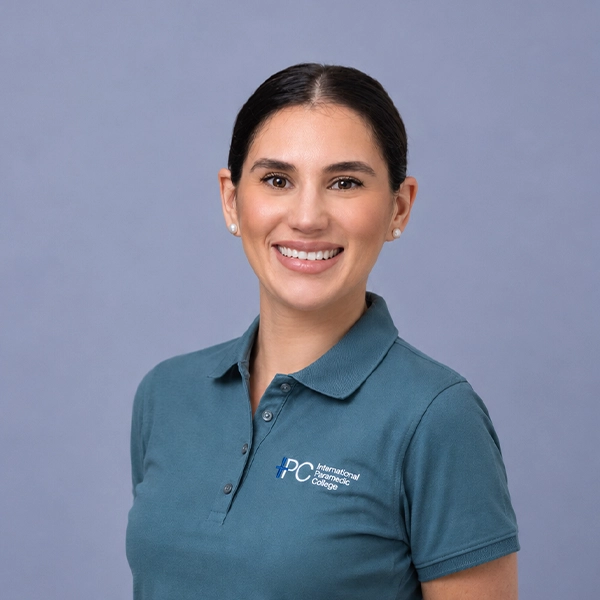
Caroline Gey
Caroline leads IPC’s audit and compliance activities, ensuring quality training outcomes, regulatory compliance, and robust systems that support students, trainers, and industry partners.
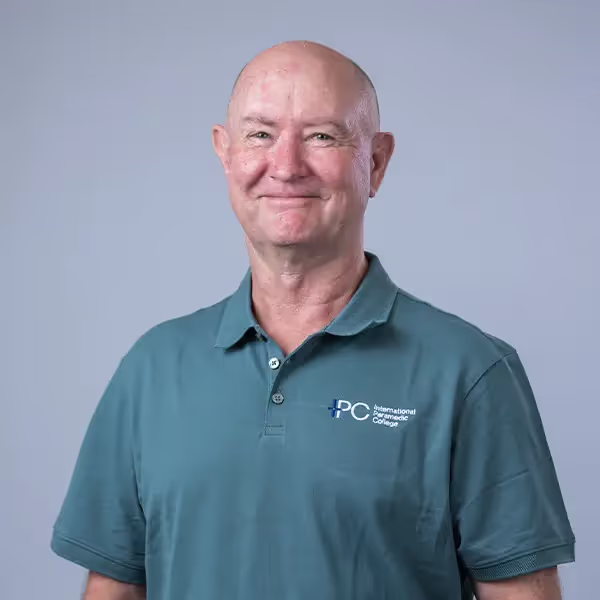
Allan Burnett
Allan Burnett is IPC’s Trainer and Assessor and a former Intensive Care Paramedic with more than 20 years of frontline experience. He now shares his extensive clinical knowledge to mentor the next generation of emergency care professionals.

Dave Mortimer
David is a registered paramedic with NSW Ambulance and a highly experienced trainer with over 12 years of first aid education experience. He delivers practical, engaging training across the IPC’s first aid courses and trains our Diploma of Emergency Health Care, bringing real emergency‑response insight to every class.
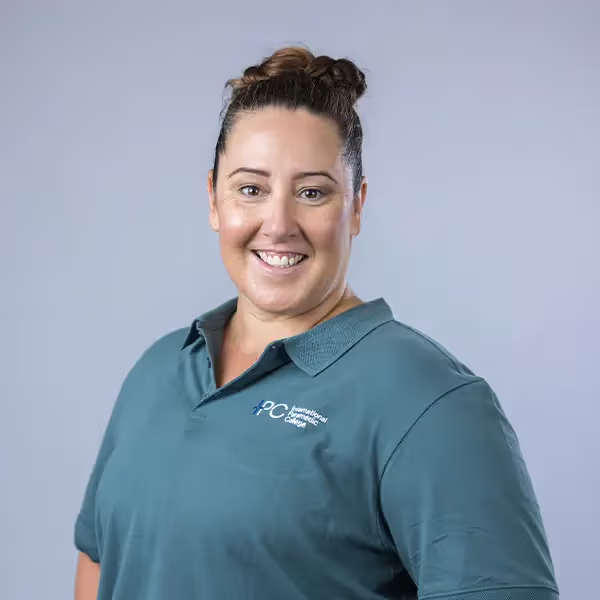
Dee Heffernan
Dee Heffernan is IPC’s Training and Professional Development Officer, working closely with partners to support training delivery and compliance. Drawing on her experience as a trainer and her paramedical studies, she helps partners stay informed, capable, and confident.
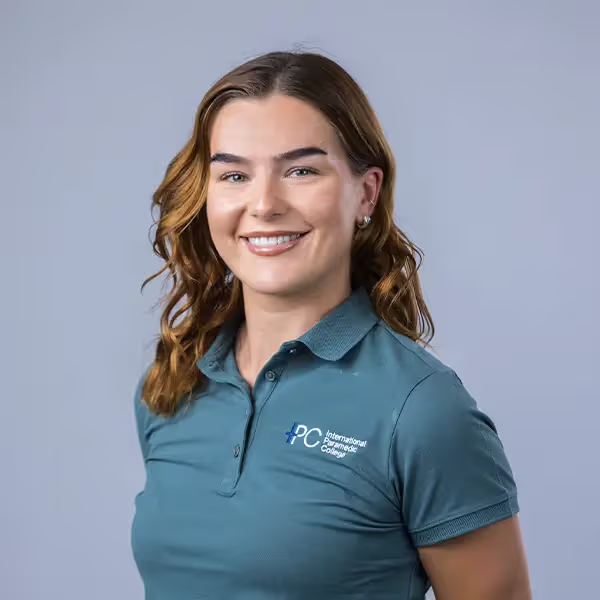
Cora O'Callaghan
Cora is IPC’s Training and Student Success Coordinator, supporting learners from enrolment through to course completion. Known for her solutions-focused style, she helps ensure students stay engaged, supported, and confident throughout their training journey.
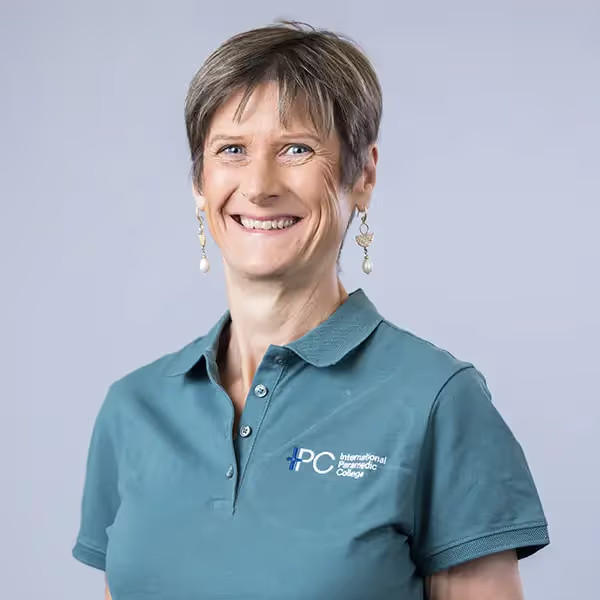
Lynette Hawthorn
Lynette Hawthorn is a Training Coordinator at IPC, helping students navigate their courses and stay on track from start to finish. She is passionate about supporting learners as they develop the skills needed to make a difference in their communities.
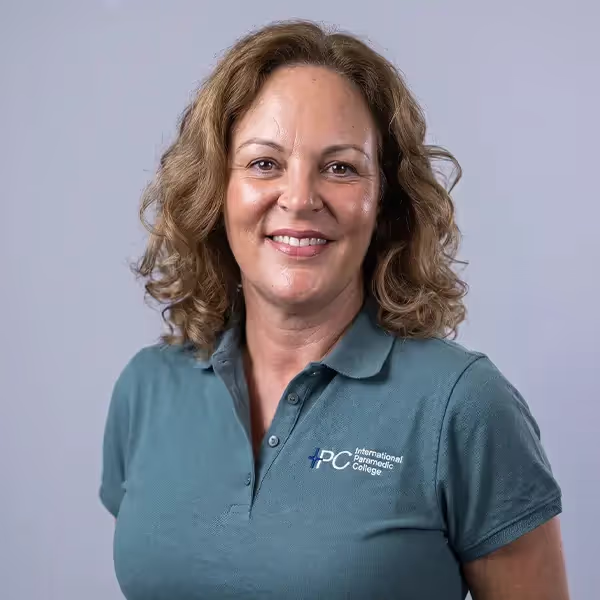
Rebecca Wade
Rebecca Wade is a Trainer and Assessor with more than 30 years of experience across community and children’s services. Her career supporting vulnerable individuals shapes her practical, compassionate approach to first aid training.
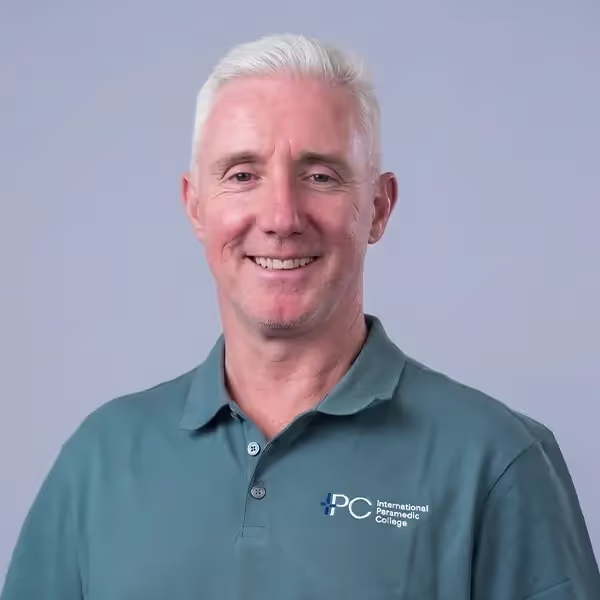
Tony Ruttley
Tony Ruttley is a Trainer and Assessor with over 20 years of experience in sports medicine and emergency care. His background as a rugby league sports trainer brings valuable real-world insight into injury management and emergency response.
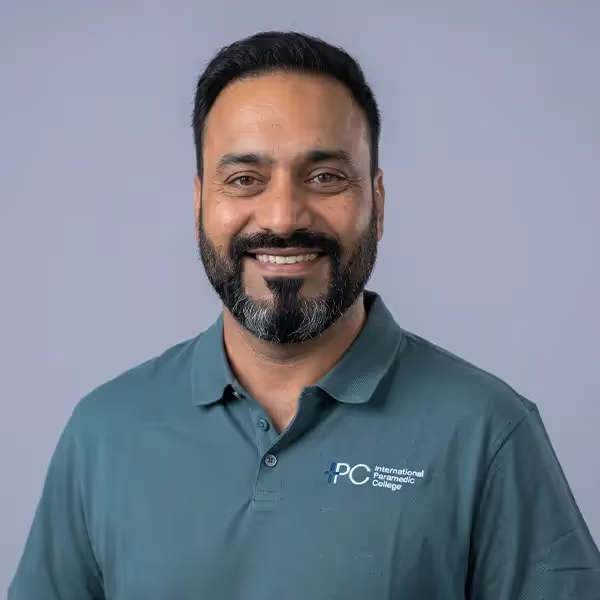
Harjot Singh Sandhu
Harjot Singh Sandhu is an experienced Trainer and Assessor with more than 13 years in disability, mental health, and community healthcare. His hands-on background helps him deliver engaging first aid training grounded in real-world scenarios.
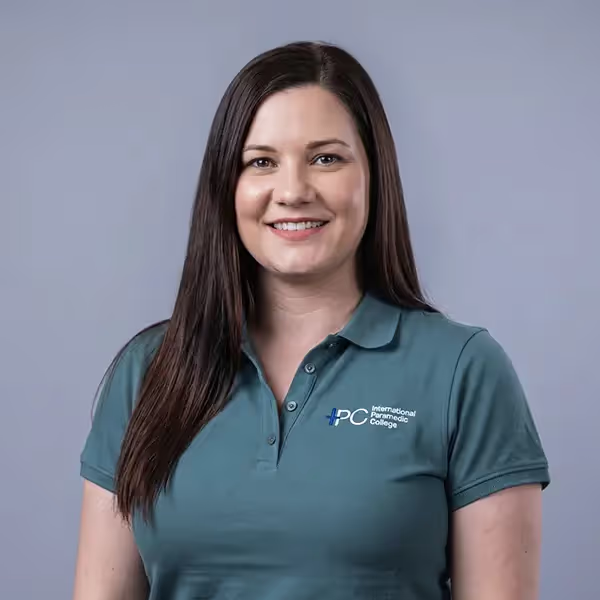
Tamieka Huxley
Tamieka Huxley is a Trainer and Assessor delivering first aid training across the Northern NSW region. She is passionate about empowering local communities with the confidence and skills to respond effectively in emergencies.
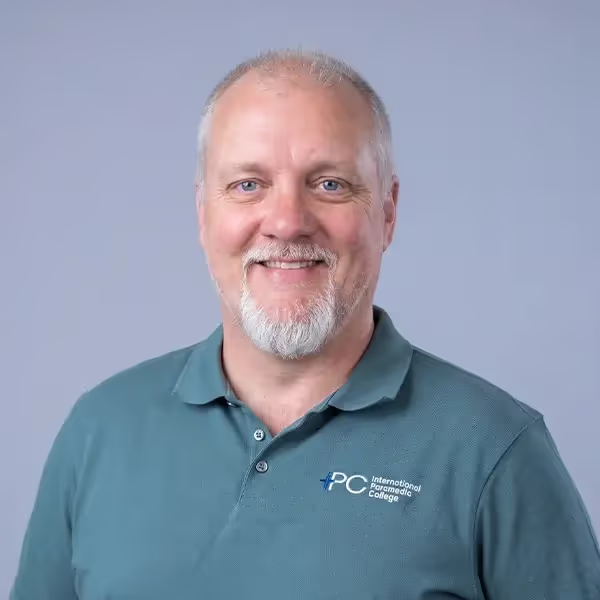
Steve Tevelein
Steve Tevelein is a First Aid and CPR Trainer with extensive experience in emergency response and community service. As a long-time SES member, he brings practical knowledge into every training session.
Our licences
IPC delivers nationally recognised training and issues accredited outcomes for eligible units and qualifications, with clear documentation and recognition.

FAQs
Our team has answered some of the most common questions students ask about our paramedicine courses in the Northern Territory.
Do NT students need to live in Darwin to enrol?
No. Because the learning is delivered online, students can enrol from anywhere in the Northern Territory. The key is having reliable internet access and a realistic study routine that suits your week.
What if I work FIFO or travel often?
Self-paced learning is usually a strong fit for FIFO and remote workers. The best approach is to set minimum weekly progress goals (even small ones) during travel weeks, then catch up more intentionally when you’re home.
Is there a best time of year to start studying in the NT?
Many students prefer starting when their work cycle is predictable, so they can build momentum early. If your schedule is busy (or wet season travel affects your availability), starting with a lighter weekly routine can help you stay consistent.
Can this training support event medical or community response goals?
Yes. Depending on the course level you choose. Many students study to build confidence for community response, workplace readiness, or broader emergency-care environments. If you tell us your goal, we can recommend the most practical starting level.
I’m comparing providers — what should I look for beyond price?
Compare delivery (online vs classroom), support (who helps you and how), assessment expectations, practical requirements, and whether the qualification is nationally recognised. The best provider is the one you can realistically complete with your schedule.
Related posts
Find out more about paramedical training and what you can expect from any of our courses.


Get help starting your healthcare journey
If you’re exploring entry-level healthcare training, our team can guide you through enrolment, study options, and what to expect from this course.