


What is the CHCCCS019 Recognise and Respond to Crisis Situations course?
CHCCCS019 Recognise and Respond to Crisis Situations is a nationally recognised unit that teaches you what to do when someone you’re working with is in crisis. We run it as our Crisis Mental Health First Aid course.
A crisis might involve a risk of suicide or self-harm, a threat to someone’s safety, or family violence. The unit covers how to notice the signs, ask directly about safety, keep the person and others safe in the moment, and help them take the next step towards professional support. It also covers looking after yourself afterwards.
This is first response training, not counselling. It won’t qualify you as a counsellor or mental health clinician, but it will help you act with more confidence while you connect the person with people who are.
- 100% online, self-paced study
- Allow about 8 to 12 hours
- Grounded in organisational procedures and duty of care
- Available Australia-wide



Location
Australia Wide

Delivery mode

Course duration

Upcoming intake


Payment plans


Entry requirements
- There are no prerequisite units for CHCCCS019.
- Reasonable literacy skills, as you’ll answer written questions and document a referral plan.
- The course discusses suicide, self-harm and family violence. If this is difficult for you right now, talk to us before you enrol.
- Basic computer and digital literacy skills, and reliable internet.
- Photo ID required for the online assessments.
- Must be 18+ (under 18 permitted with guardian consent).
What you’ll learn in this crisis intervention training
The unit is built around four steps: identify the crisis, address immediate safety, refer for support and care for yourself. You’ll learn how to:
- Recognise signs that a person may have safety issues, from what they say and what they don’t
- Ask directly about safety when you have concerns, and act according to your organisation’s procedures
- Listen with empathy and strengthen the person’s links to safety and living
- Balance working with the person and giving direction, depending on how they’re coping
- Agree on actions to reduce danger, including calling emergency services when needed
- Help the person make a plan to use informal supports and professional help
- Refer to appropriate professionals and keep accurate records
- Recognise the risks to yourself and use supervision and debriefing
You’ll also cover duty of care, privacy and disclosure, mandatory reporting and staying within the limits of your role.
Course units
This course is 100% online. You’ll complete one unit, CHCCCS019 Recognise and Respond to Crisis Situations, through self-paced learning and online assessment tasks.
Self-Paced Online Course Learning
|units|What is this unit?
This unit covers the skills and knowledge to recognise and respond to crisis situations, address immediate safety concerns and refer people for further support.
Why it matters
People in crisis often reach someone who isn’t a mental health professional first. A calm, structured response can keep them safe until the right help is in place.
What you’ll learn
You’ll learn to recognise signs of crisis, ask directly about safety, reduce immediate risk, support referral, keep records and look after yourself.
How you’ll be assessed
Assessment is completed online through written questions, scenarios and a practical task on asking about safety and acting on procedures.
Practical benefit
Once you’re competent, you’ll be better prepared to respond safely when someone is in crisis and help them connect with professional support.
Delivery & assessment
Delivery format
- 100% online, with no face-to-face attendance
- Self-paced learning you can fit around work
- Allow about 8 to 12 hours to work through the learning and assessments
Assessment method
Assessment is completed online and follows the unit’s elements. Tasks include:
- Recognising and responding to signs of safety issues
- Identifying indicators from direct and indirect communication
- A practical task showing how you would ask directly about safety issues and act on organisational procedures
- Listening to the details of a crisis and responding with empathy
- Further tasks on safety planning, referral, documentation and self-care
You must complete all assessment tasks successfully to be deemed competent. Read our student information and assessment policies before you enrol.
Career pathways
Crisis response skills are useful in any role where people may reach you at their worst moment. CHCCCS019 supports roles such as:
- First responder
- Health care assistant
- Event medic
- Emergency services officer
- Community, youth and disability support workers
The unit builds skills employers look for, but it doesn’t guarantee a role or qualify you to provide counselling or clinical mental health care.
Pathways into further training
Build on CHCCCS019 with these courses:
Certification and validity
When you complete the course, you’ll receive a nationally recognised Statement of Attainment for CHCCCS019 Recognise and Respond to Crisis Situations.
The unit doesn’t expire. Crisis response is a skill that fades without practice, so many people choose to refresh it every few years.
Who should take this course?
This course suits people who may be first on the scene when someone is in crisis, including:
- First responders, event medics and first aid officers
- Health care, aged care and disability support workers
- Youth, community and outreach workers
- Teachers, coaches and volunteers
- Managers and HR staff who support people at work
If you or someone you know needs support right now, call Lifeline on 13 11 14, or 000 in an emergency.
Location
100% Online. Study from anywhere in Australia.
Pricing
$268
Included costs
- No additional admin fees for this program
See what our students have to say
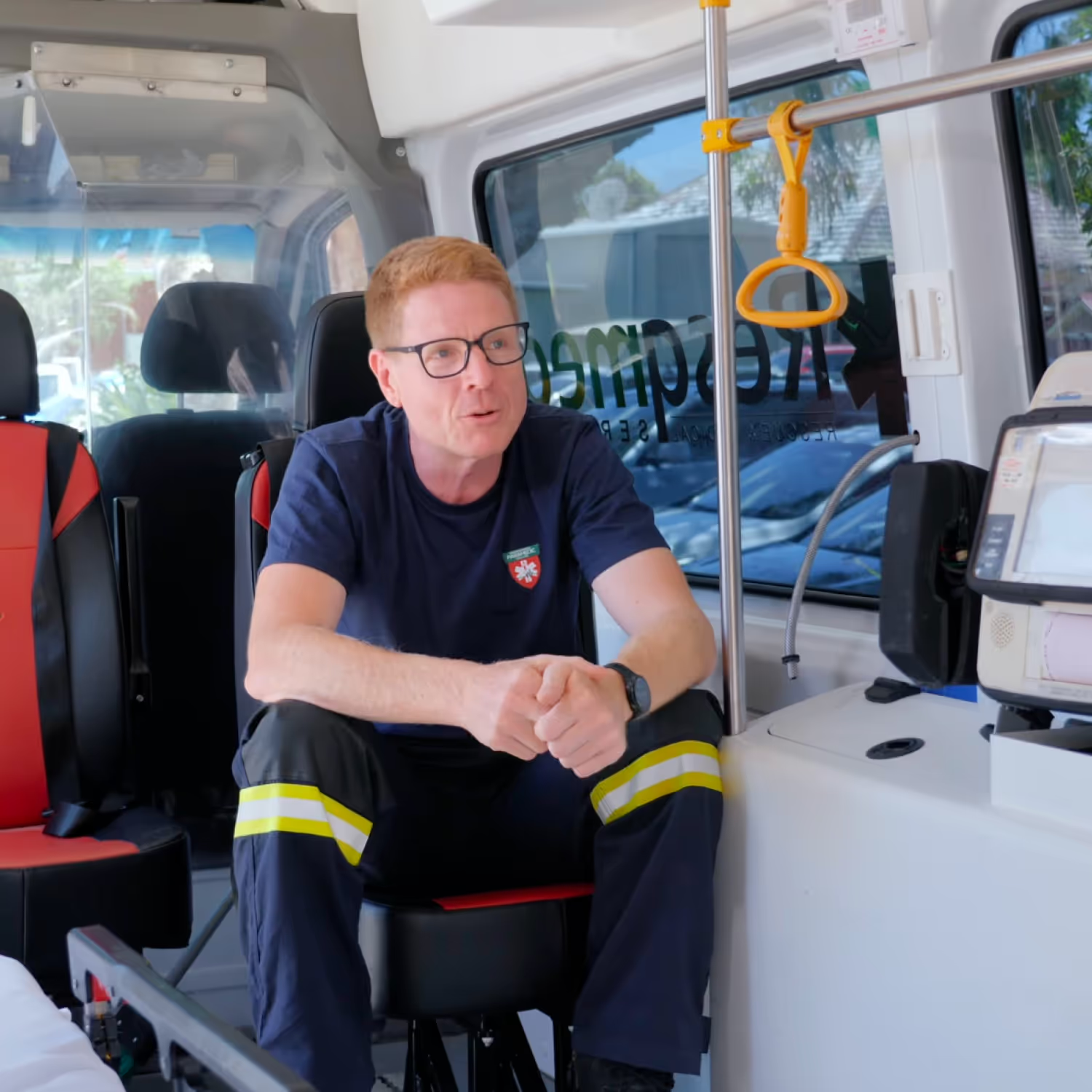
“The structure was straightforward and the support was there when I needed it. Workshops were practical, and I always knew what I was working toward.”

“I wanted training that felt real. The scenarios, feedback and support helped me build skills I can actually apply, especially when things get stressful.”
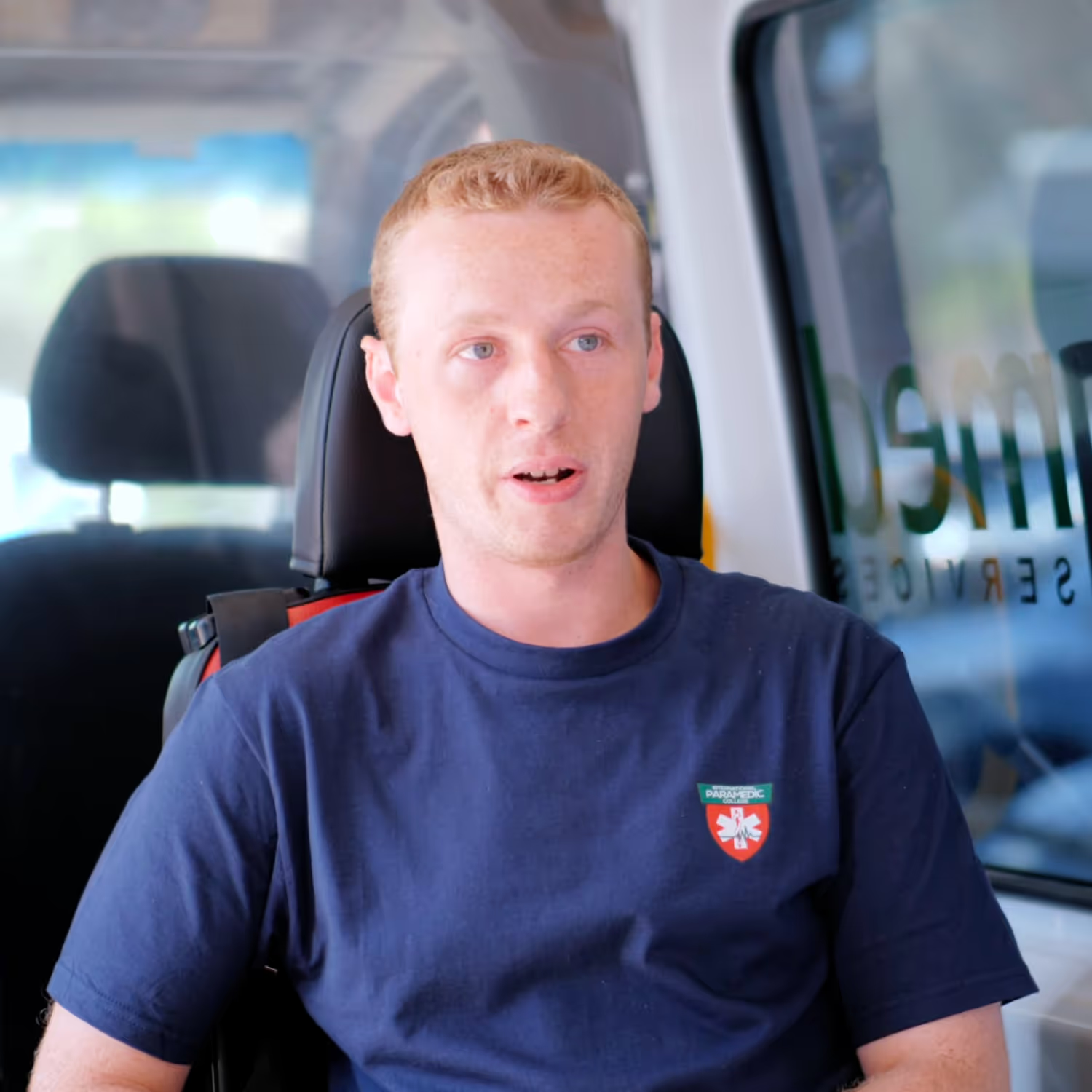
“What stood out was how approachable the team is. They teach in a calm, practical way and make sure you understand the ‘why’, not just the steps.”

“I learned more than skills - I learned how to think clearly under pressure. The practical training and feedback helped me feel ready for real-world situations.”


Trusted first aid provider for leading Australian brands








How the online training works
Enrol, study and complete your assessments online, with no classroom time.
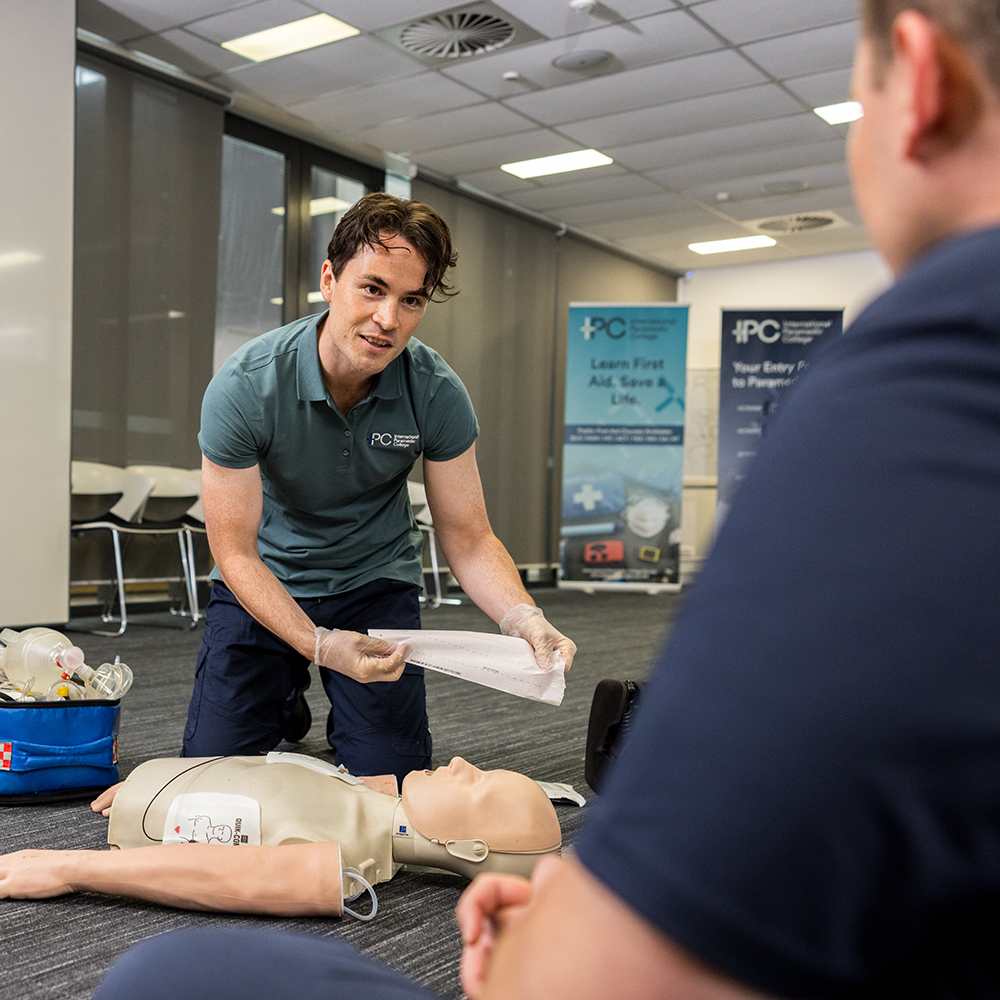

Enrol online and receive immediate access to the student portal.
Enrol anytime with our 100% online course.
Complete the online learning and assessments at your own pace.
Work through the learning materials, then allow about 8 to 12 hours in total for your study and assessment tasks.
Receive your Statement of Attainment upon successful completion.
Once you’re deemed competent, you’ll receive your nationally recognised Statement of Attainment.
FAQs
Have questions about CHCCCS019 Recognise and Respond to Crisis Situations? Below you’ll find answers about what the course covers, how it’s assessed and what it does and doesn’t qualify you to do.
What is CHCCCS019 Recognise and Respond to Crisis Situations?
CHCCCS019 is a nationally recognised unit that covers how to recognise a crisis, address immediate safety concerns, refer people for support and look after yourself. IPC delivers it as Crisis Mental Health First Aid.
Is this the same as crisis management training?
Not quite. Corporate crisis management training is about business continuity. CHCCCS019 is crisis intervention training for supporting an individual person whose safety is at risk.
Will this course qualify me as a counsellor?
No. CHCCCS019 is first response training. It helps you respond safely and refer the person on, but it doesn’t qualify you to provide counselling or clinical mental health care.
How long does the course take?
The course is self-paced. Most students should allow about 8 to 12 hours to work through the learning materials and assessments.
What types of crisis does the course cover?
The unit covers situations such as suicide risk, self-harm, threats to safety, abuse and family violence. Content is handled factually and focuses on safety and referral.
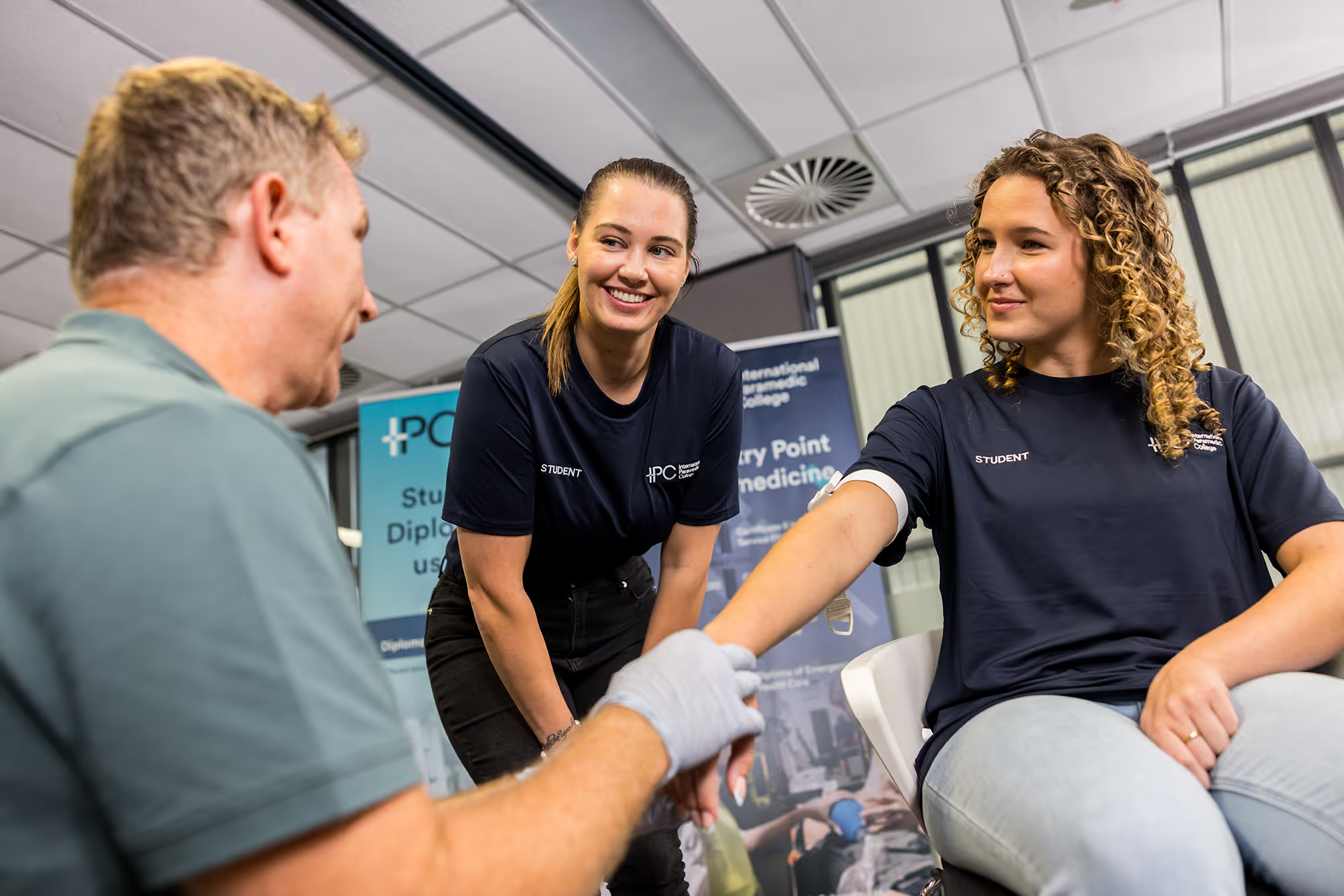
Crisis response training for workplaces and teams
Want your team ready to respond when someone is in crisis? We can help you enrol staff in CHCCCS019 together.
Know what to do when someone is in crisis
See how this course helps you stay calm, keep people safe and connect them with the right support.
100% Online and Self-Paced
Nationally Recognised Unit
Crisis Mental Health First Aid
Trusted Training Australia Wide
CHCCCS019 accredited training, real outcomes
This nationally recognised unit is delivered by International Paramedic College (RTO 45284) under strict compliance standards, so you can study with confidence.
Registered Training Organisation (RTO 45284)
International Paramedic College is an ASQA-approved Registered Training Organisation (RTO 45284) that delivers nationally recognised training and qualifications in Australia.
Nationally recognised qualifications
We deliver nationally recognised qualifications and accredited training that support real employment and workplace outcomes.
Certification you can use anywhere
Upon completing training, your results lead to a recognised certification that can be used for employment, workplace compliance, and further study.

Take the next step into healthcare
Ready to move towards a career in healthcare? Secure your place and start building the skills, experience, and confidence needed to work in real clinical environments.
Unsure where to start? Download your free course guide and talk to a course advisor today

Learn from experienced emergency care trainers
Our trainers have responded to people in crisis on the road, at events and in community health, and they bring that judgement to every scenario.

Susan Devlin
Susan Devlin is the Chief Executive Officer and Director of IPC, bringing over 20 years of experience in vocational education and training, business management and regulatory compliance. She leads IPC’s strategic direction with a focus on people, quality training and sustainable growth.

Kel Gale
Kel’s professional background spans training across the pre-hospital health care, maritime and tourism sectors, with a strong focus on providing practical, efficient, evidence-based education.

Reahanna Clark
Reahanna Clark is IPC’s Course Advisor, supporting new and continuing students as they navigate their training and career pathways in emergency health care. With over five years of RTO experience and a background in health sciences, she provides helpful guidance on course selection, enrolment, credit transfers, and RPL applications, helping students feel confident throughout their study journey.

Caroline Gey
Caroline leads IPC’s audit and compliance activities, ensuring quality training outcomes, regulatory compliance, and robust systems that support students, trainers, and industry partners.

Dave Mortimer
David is a registered paramedic with NSW Ambulance and a highly experienced trainer with over 12 years of first aid education experience. He delivers practical, engaging training across the IPC’s first aid courses and trains our Diploma of Emergency Health Care, bringing real emergency‑response insight to every class.

Dee Heffernan
Dee Heffernan is IPC’s Training and Professional Development Officer, working closely with partners to support training delivery and compliance. Drawing on her experience as a trainer and her paramedical studies, she helps partners stay informed, capable, and confident.

Cora O'Callaghan
Cora is IPC’s Training and Student Success Coordinator, supporting learners from enrolment through to course completion. Known for her solutions-focused style, she helps ensure students stay engaged, supported, and confident throughout their training journey.

Lynette Hawthorn
Lynette Hawthorn is a Training Coordinator at IPC, helping students navigate their courses and stay on track from start to finish. She is passionate about supporting learners as they develop the skills needed to make a difference in their communities.

Rebecca Wade
Rebecca Wade is a Trainer and Assessor with more than 30 years of experience across community and children’s services. Her career supporting vulnerable individuals shapes her practical, compassionate approach to first aid training.
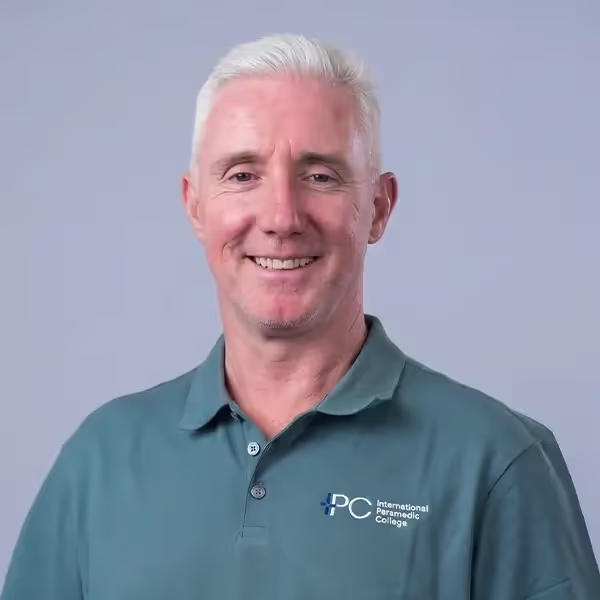
Tony Ruttley
Tony Ruttley is a Trainer and Assessor with over 20 years of experience in sports medicine and emergency care. His background as a rugby league sports trainer brings valuable real-world insight into injury management and emergency response.

Harjot Singh Sandhu
Harjot Singh Sandhu is an experienced Trainer and Assessor with more than 13 years in disability, mental health, and community healthcare. His hands-on background helps him deliver engaging first aid training grounded in real-world scenarios.

Tamieka Huxley
Tamieka Huxley is a Trainer and Assessor delivering first aid training across the Northern NSW region. She is passionate about empowering local communities with the confidence and skills to respond effectively in emergencies.

Steve Tevelein
Steve Tevelein is a First Aid and CPR Trainer with extensive experience in emergency response and community service. As a long-time SES member, he brings practical knowledge into every training session.
Aligned with care sector requirements
This course reflects the national CHC Community Services training package and the duty of care, privacy and mandatory reporting obligations that apply in Australian workplaces.

Explore emergency response resources
Read practical guides on first responder roles and what to do before help arrives.

Get help starting your healthcare journey
If you’re exploring entry-level healthcare training, our team can guide you through enrolment, study options, and what to expect from this course.
