


Assistant in Nursing career and qualification pathway
An assistant in nursing does the daily care that patients in hospitals and aged care homes need, from showers to meals. A certificate gets you in, so you can start within months of enrolling in a program. This page covers what it pays and where you can go next. Find your first course at International Paramedic College.

Understand the path from certificate to career
This guide covers the qualifications employers ask for and the work you’ll do once you’re hired as an assistant in nursing. You won’t need a degree, since no board registers AINs, but the nationally recognised qualification you get does affect where you can work. For example, NSW public hospitals will accept a Certificate III in Health Services Assistance or equivalent or a nursing degree you’re partway through. Residential aged care employers will instead ask for a Certificate III in Individual Support.
What does an assistant in nursing do?
They do the hands-on patient care that a registered nurse delegates to them, including personal hygiene, meals, mobility and comfort. The nurse supervising you decides what you take on and stays accountable for it, since AINs have no scope of practice on their own.
What the job involves
The work is physical and personal, since you’ll wash and move people who can’t manage on their own. You’ll also be the first to notice when someone’s condition changes, which is why nurses rely on your reports.
Personal care and hygiene
Expect showers, toileting, oral care and dressing to take up most of your morning. Some patients need a hand in the shower. Others can’t move at all, so you have to do everything for them. You’ll also assist people who feel embarrassed about needing help, so how you speak to someone matters as much as what you do for them.
Moving patients safely
You’ll reposition someone in bed every few hours to prevent pressure injuries. Between those, you’ll move people from bed to chair and back again. You’ll use hoists and slide sheets for the lifting, since carrying people all day can cause injuries over time. Your training covers safe handling techniques precisely to prevent situations like these.
What you notice and who you tell
You’ll notice the small changes before almost anyone else because you’ll see each patient more often than nurses do. That might be someone confused when they were clear-headed yesterday or a reddened heel you find while washing them. Your job is to report it and let the nurse decide how to treat it.
Charting and handover
Write down everything you do, from fluid and food intake to how far someone walked. Those notes are important because the nurse in charge works from them. They also become the record if a family member asks if their mother has been eating well. At handover, you’ll tell the next shift what to watch for, like a patient who’s been unsteady on their feet since lunch.


What assistants in nursing earn
The minimum hourly wage for assistants in nursing under the Nursing Award is $27.65 an hour during their first year or $29.45 if they have a relevant Certificate III. A full-time salary at that minimum adds up to about $54,600. SEEK reports average salary ranges of $55,000 to $70,000 for assistants in nursing, as many providers pay above the nursing award minimums and your wages increase as you gain more years of experience.
Penalty rates can also impact your salary as an AIN. A first-year Saturday shift pays $41.48 an hour and a Sunday $48.39. Public holiday shifts pay $55.30, so working these is an easy way to increase your take home pay.
Where you work also affects how much you earn as an AIN. In NSW, the Public Health System Nurses’ and Midwives’ (State) Award pays an AIN $1,248.60 a week, which is $32.86 an hour. Residential aged care pays even more, with the Aged Care Award’s qualified level at $1,314.30 a week or about $34.58 an hour.
Figures are indicative. What you earn depends on your employer, your state, your classification and your roster.
Where an assistant in nursing career can take you
Where you go next depends on how much more study you want to do. In NSW, the whole ladder from assistant in nursing to registered nurse adds about $318 a week:
- Enrolled nurse: You’ll need the HLT54121 Diploma of Nursing, which takes about 18 months and includes 400 hours of supervised placement. That step takes you from $1,248.60 a week to $1,437.60 in NSW.
- Registered nurse: A Bachelor of Nursing with 800 placement hours allows you to apply for registration with AHPRA and the NMBA as a registered nurse. First-year pay in NSW is $1,566.70 a week.
- Senior aged care roles: The Aged Care Award sets $1,366.90 a week at the senior level and $1,472.00 for a team leader.
- Industrial and event medic work: An HLT41120 Certificate IV in Health Care qualifies you for medic roles on mine sites and at events.
Where the jobs are
About 40,200 people work as assistants in nursing throughout Australia. NSW has 48.3% of those roles and Queensland another 32%. You’ll find the work in public and private hospitals as well as residential aged care. Outside of those two states, the job usually goes by a different title, like nursing assistant or personal care worker.
Part-time work dominates here, largely because many work as AINs while they’re still in school pursuing a higher qualification. Only 36.7% of AINs work full-time against 64.2% across all occupations.
Who this pathway is for
- Anyone without a health qualification who wants a way in
- Career changers who want patient contact without three years of study
- Nursing students looking for paid hospital experience while they study
- People who need part-time or rotating shifts around other commitments
Skills you’ll build along the way
- Reposition and transfer patients safely with hoists and slide sheets
- Help someone wash and dress without embarrassing them
- Notice when a patient’s condition changes before it escalates
- Chart a change so the nurse can act on it
- Keep infections from spreading between patients
Recommended courses
Of these three, the Certificate III in Basic Health Care overlaps the most with what employers ask for. It shares three core units with the Health Services Assistance certificate and three with Individual Support. Start with the Certificate II if you’ve never worked in health, since it’s shorter and cheaper. The Certificate IV is for later, if you decide pre-hospital work suits you better.
HLT21020: Certificate II in Medical Service First Response
Ideal for entry-level responders needing real-world first response skills.
Australia Wide
HLT31220: Certificate III in Basic Health Care
Entry-level healthcare training delivered online for flexible study across Australia.
Australia Wide
HLT41120: Certificate IV in Health Care
A strong foundation in emergency health care, with online learning and practical training.
A simple assistant in nursing training sequence
Take these in order, but pick between the hospital and aged care certificates based on where you want to work. The first step is quick, but both certificates take months and include placement hours you’ll have to arrange.
Before any of these, complete HLTAID011 Provide First Aid. Employers expect it before you start, and it’s also a core unit of the Certificate III in Basic Health Care.
Hospital employers want to see this one. Pick the assisting in nursing work in acute care specialisation, as that’s the stream meant for this job.

You’ll need this one for residential aged care. It requires at least 120 hours of work and takes you to the Aged Care Award’s qualified level.
If you want to start with IPC, this one gives you three of the core units each of those two requires. It trains you as a first responder, so it won’t get you hired as an assistant in nursing by itself.
Once you’re working, this is the qualification that takes you past assistant level. It ranks a level above both Certificate IIIs.
Do you need a qualification?
Not legally, but employers ask for one regardless. NSW Health’s own guidelines are more flexible than job ads, as they accept recognition of prior learning instead of a qualification. However, most employers expect you to have a Certificate III in Health Services Assistance or a Certificate III in Individual Support.
You don’t have to finish one with a single provider, though. Units of competency are nationally recognised, so a statement of attainment from one college is the same document another would issue for the same code. That’s why you can start here and complete it elsewhere.
First aid and CPR courses
A first aid certificate is the quickest and cheapest way to test whether hands-on patient work suits you. It also teaches you to recognise someone deteriorating before your first shift:
HLTAID011: Provide First Aid
Nationally recognised First Aid training with online theory and face-to-face practicals. Includes HLTAID009 Provide Cardiopulmonary Resuscitation.
HLTAID009: Provide Cardiopulmonary Resuscitation
Nationally recognised CPR training. Essential skills for the workplace, community and home.
HLTAID014 Provide Advanced First Aid
Build advanced response skills for managing complex incidents, prolonged care, and multiple casualties. Suited to workplace first aid officers and high-risk environments.
How to follow the right progression
You don’t need to have everything mapped out on day one. Start with a realistic step, then build a clear course progression plan as you go.
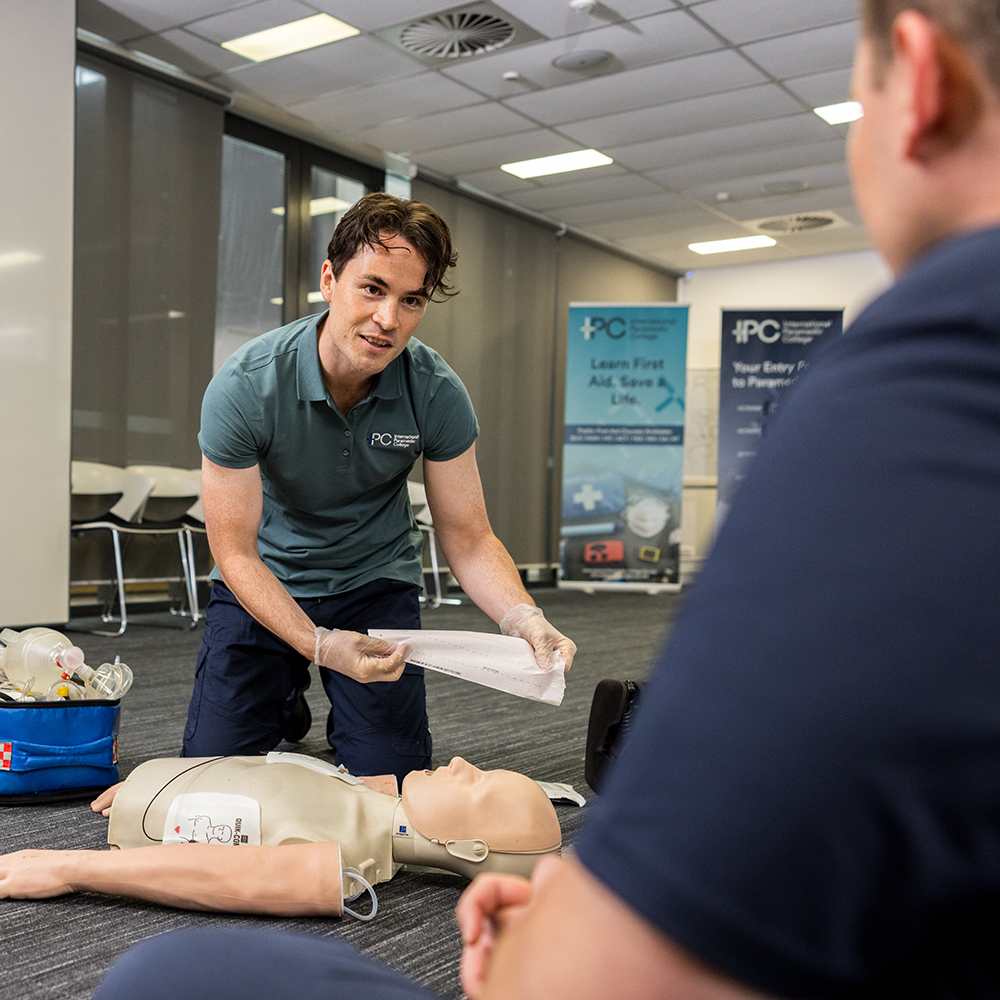
Choose your starting level
Pick the qualification level that suits your current confidence and experience so your learning feels achievable.
Build skills through structured training
Complete your learning at a steady pace, focusing on competence rather than rushing, so you’re well-prepared for the next step.
Progress to the next qualification stage
When you’re ready, move up to the next level in the paramedic training sequence with clearer direction and stronger foundations.
Roles that connect with this pathway
Hospitals and aged care providers hire for several roles at this level. Nothing locks you in, since the experience and the certificates transfer over into other roles:
FAQs
Below, we’ve answered common questions about becoming an assistant in nursing.
What qualification do you need to be an assistant in nursing?
A Certificate III, though which one depends on where you want to work. Hospitals ask for a Certificate III in Health Services Assistance with the acute care specialisation, while residential aged care facilities ask for a Certificate III in Individual Support.
What checks do you need to work as an assistant in nursing?
A national police check and proof you’re up to date on immunisations. NSW Health vacancies also list a working with children check. If you disclose an injury or health condition, you’ll also have to complete a functional assessment before you start.
Can an assistant in nursing give medication?
Sometimes, depending on your employer and your state. The ABS lists delivering medications under nursing direction among the role’s main tasks, but ANMF guidance states that nurses must not delegate medication administration to care workers. Check your employer’s policy first.
Is an assistant in nursing the same as a nurse?
No. Registration with the Nursing and Midwifery Board is what makes someone a nurse. You won’t get it in this role, which is why a nurse directs your work.
Why IPC is a smart place to begin
International Paramedic College supports your assistant in nursing pathway by keeping learning practical and helping you understand what to do next.
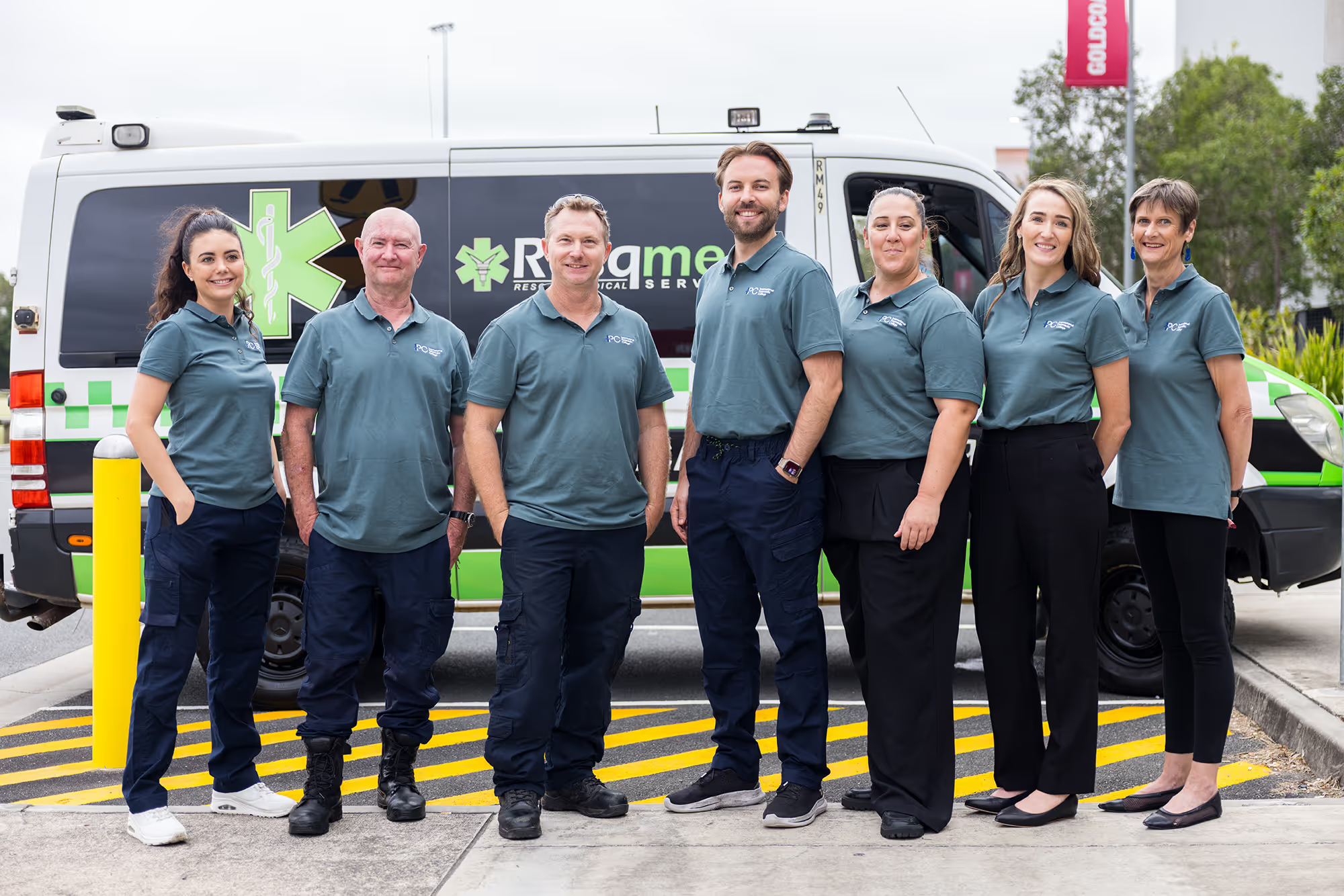

Training with real-world focus
Practical skill development and scenario thinking that's built for emergency-care readiness.

Clear progression support
We help you understand your next step in the paramedic training pathway.

Confidence-building structure
A guided learning model that keeps things achievable and goal-oriented.
Recognised training standards
When you’re working towards an assistant in nursing role, you want training that’s credible and consistent.
Registered Training Organisation (RTO 45284)
International Paramedic College is an ASQA-approved Registered Training Organisation (RTO 45284) that delivers nationally recognised training and qualifications in Australia.

Nationally recognised qualifications
We deliver nationally recognised qualifications and accredited training that support real employment and workplace outcomes.
Certification you can use anywhere
Upon completing training, your results lead to a recognised certification that can be used for employment, workplace compliance, and further study.

What our students say
Students often tell us the biggest difference is clarity. This includes knowing what to study first, what to build next, and how to stay motivated through the process.
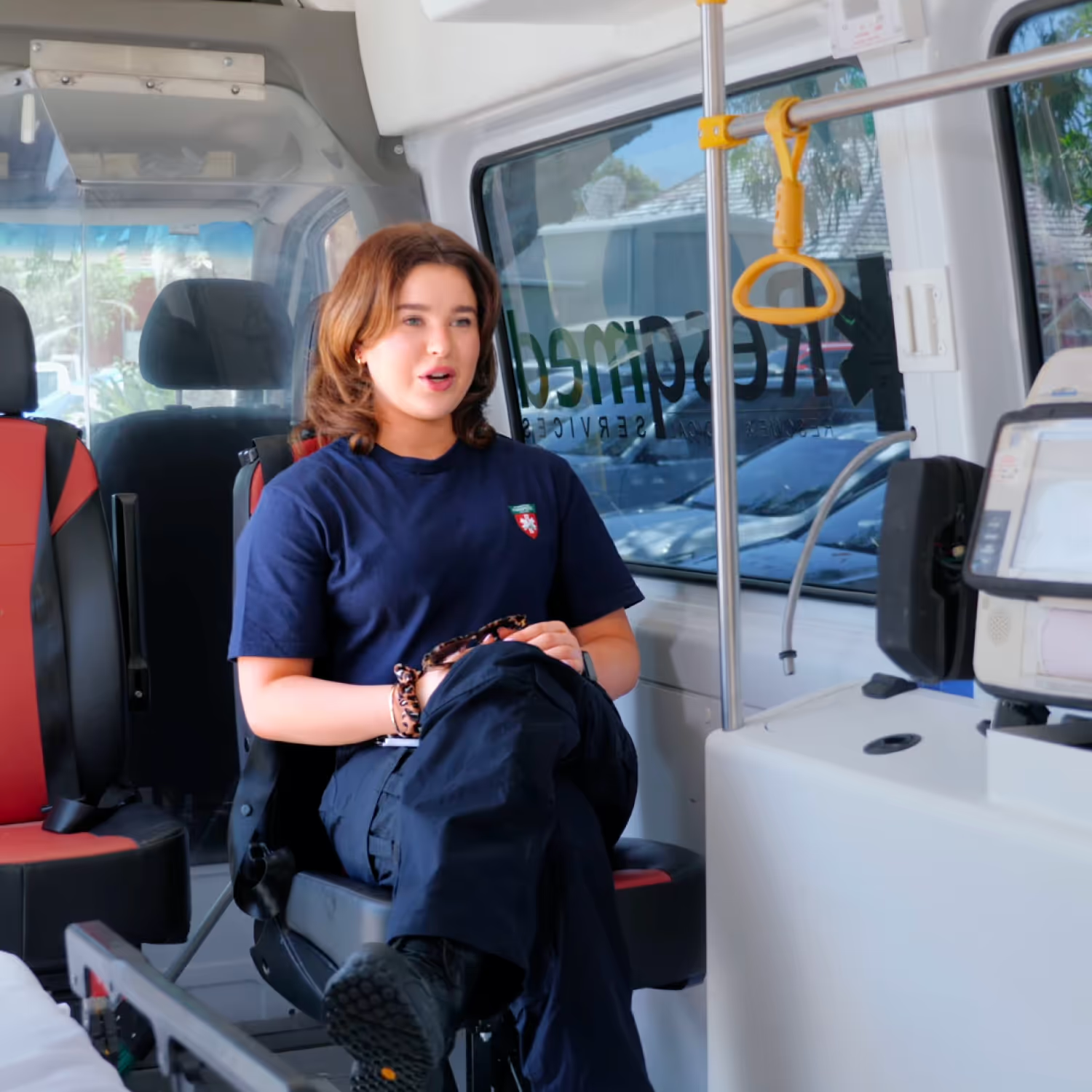
“IPC made learning feel achievable. The trainers explained things clearly, the practical sessions were hands-on, and I finished the course feeling genuinely more confident.”

“I chose IPC because when I did research I found they had really good feedback from the students and students coming back to do more courses so I believe it’s the right school for me and the price was really good.”
“The structure was straightforward and the support was there when I needed it. Workshops were practical, and I always knew what I was working toward.”
“I wanted training that felt real. The scenarios, feedback and support helped me build skills I can actually apply, especially when things get stressful.”
“What stood out was how approachable the team is. They teach in a calm, practical way and make sure you understand the ‘why’, not just the steps.”

“I learned more than skills - I learned how to think clearly under pressure. The practical training and feedback helped me feel ready for real-world situations.”

Ready to plan your assistant in nursing pathway?
If you want help choosing the right starting point or mapping your next stage, our team can guide you through your options.
Our licences
Our qualification pathways for assistant in nursing work are built around nationally recognised training and industry-aligned standards.

Insights and guides
Explore these articles to learn more about assistant in nursing work, the qualifications behind it and how your study choices can shape your career.


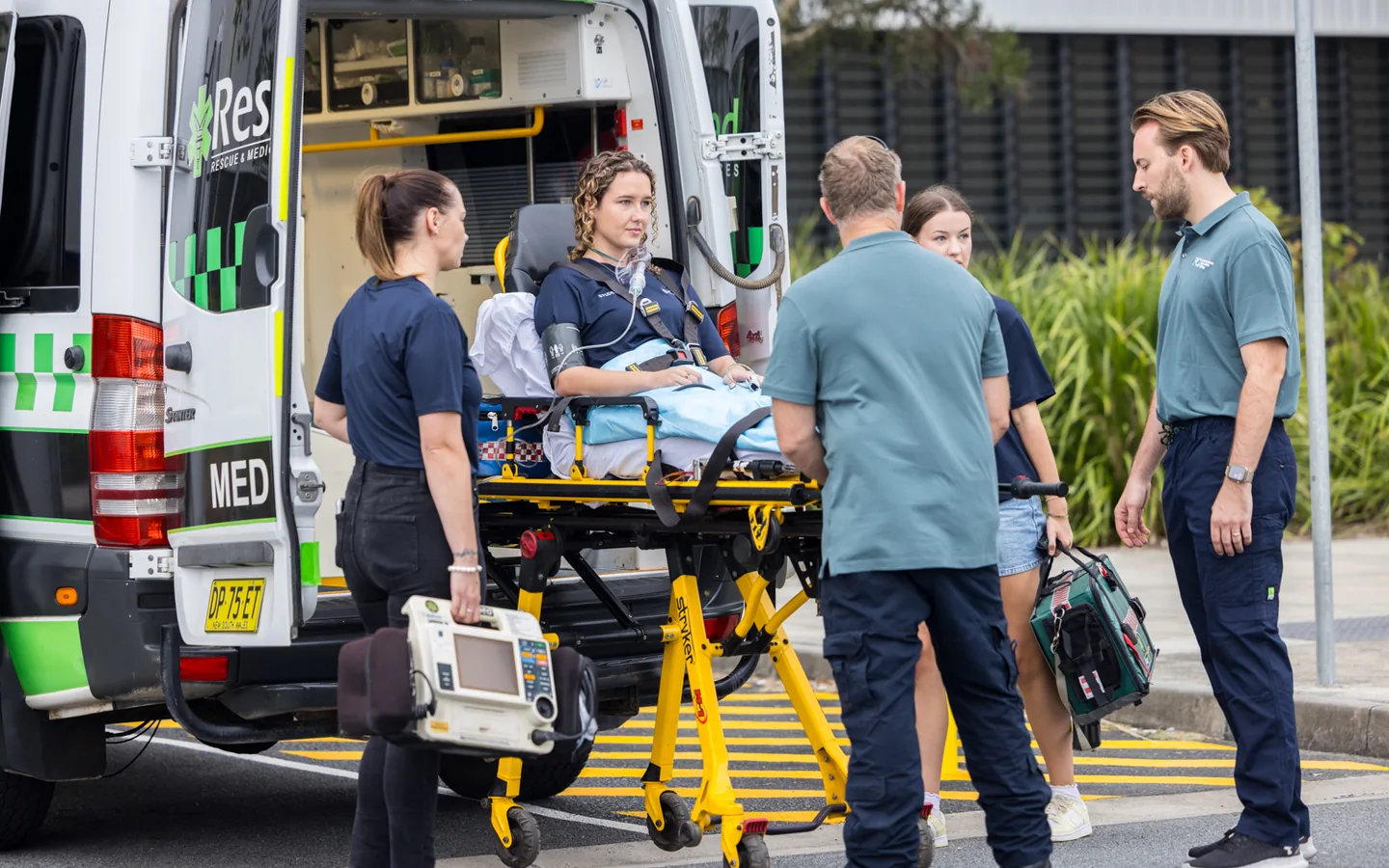

Get help starting your healthcare journey
If you’re exploring entry-level healthcare training, our team can guide you through enrolment, study options, and what to expect from this course.
