


Mine medic career and qualification pathway
Mine medics treat patients, crew the fire truck, perform drug and alcohol tests and train the emergency response team on Australian mining sites. Employers ask for a Certificate IV in Health Care to get started, though these roles can pay double what comparable positions do, largely due to the responsibility involved. This page covers the qualifications and the requirements to become a mine medic in Australia.

Understand the path from certificate to career
Mine medics treat patients, fight fires and train the site rescue team. You’ll need a clinical qualification, a mine emergency response certificate and a heavy vehicle licence before a site will take you. Start with the clinical qualification, since plenty of employers will help you pick up the others once you’re hired.
What does a mine medic do?
Mine medics run the medical facility on a mining site, treating everything from crush injuries and heat stress through to the everyday illnesses that come with hundreds of people living on site. You’re often the only clinician for hundreds of kilometres, so you assess, treat and decide whether someone needs to be evacuated to the nearest hospital.
Beyond the clinical work, you’ll crew the site fire truck, respond to vehicle incidents and rescues, train the volunteer emergency response team, and run the daily drug and alcohol testing mining companies are required to carry out. That breadth is why employers might advertise the same role as an emergency services officer.
What the job involves
Mine sites are remote, so you might be the only medically trained person for many kilometres. That remoteness comes with situations specific to this job, like:
Being the only clinician on site
There’s no backup, no second option, and the nearest hospital could be an hour away by air. A crush injury or a cardiac event is fully yours to manage until retrieval arrives. Between these, you’ll treat the sprains and infections that come with hundreds of workers living in one camp.
Working a fly-in-fly-out roster
Eight days on and six off is the most common pattern, with seven and seven close behind. Most sites rotate you through day and night shifts within the same swing. Flights, meals and accommodation usually come with the job, though you might be away from home for more of the year than you’re at it.
Crewing the fire truck
Mining companies want their medic on the emergency response team as well as in the medical room. That includes vehicle incidents, fires, confined space rescues and, on underground sites, breathing apparatus work. That’s why employers ask for a heavy vehicle licence for these roles.
Handling the paperwork nobody mentions
You’ll take care of drug and alcohol testing, injury management, incident reports and training records for the volunteer response team. You’ll spend a good chunk of your day on the admin work that keeps the site compliant.


What mine medics earn
Mining medics earn roughly double what comparable positions with a Certificate IV would pay. SEEK estimates medic salaries in the mining, minerals and metals industry at $140,000 to $160,000 a year.
Contract and casual roles advertise by the hour instead. Current Perth listings put paramedic and medical emergency services officer work in mines at roughly $70 to $80 an hour, with flights, meals and accommodation also covered on top of the rate.
Where the career can take you
Mine medic work can lead into the rest of the resources sector. The clinical skills transfer directly and the tickets you collect along the way carry over into roles like:
- Offshore medic: You work the same job but on oil and gas platforms, where the isolation is greater and the rosters are longer. Employers generally pay more for these conditions.
- Emergency response coordinator: You take charge of the site emergency response team rather than just crewing it. The role suits medics who have spent a few years on site and know how the operation runs.
- Emergency response trainer: You deliver the training your site depends on. It takes a Certificate IV in Training and Assessment, which is where a lot of experienced medics end up.
- Health and safety adviser: You join the site safety team, working on injury prevention and compliance instead of treating people after the fact.
Where mine medic work happens
Western Australia has the most mine medic jobs, most of which are fly-in-fly-out from Perth. Employers there set their own clinical requirements, so what you need changes between sites and the job ad is your only reliable guide.
Queensland coal works differently because the law sets two requirements across the board. Everyone working on these mines needs Standard 11, formally known as the Surface Coal Mine Safety Skill Set. You also need a Coal Board Medical, which is a health assessment that covers lung function, hearing, vision and a chest x-ray.
New South Wales falls between the two. Its mining regulations require operators to plan for emergency response and first aid, though they leave the medic’s qualifications to the employer.
How to become a mine medic
You need four things to become a mine medic:
- Get a clinical qualification: Employers name the Certificate IV in Health Care as the entry ticket, usually written as Certificate IV or equivalent or higher. The Diploma of Emergency Health Care and a paramedicine degree both clear the bar, though the Certificate IV is what the job specifically asks for.
- Add a mine emergency response certificate: Sites want a Certificate III in Mine Emergency Response and Rescue or a public safety equivalent along with your clinical ticket. This is the half of the job that isn’t medical, so you’ll complete it through a specialist provider.
- Get a heavy vehicle licence: Employers commonly ask for a Medium Rigid or Heavy Rigid manual licence because the medic often drives the fire truck. Check the listing, since the class required varies by site.
- Clear site access: Every site runs a police check and pre-employment drug and alcohol testing.
Underground sites want one more ticket. Listings repeatedly name BG4 closed-circuit breathing apparatus training, which is what separates surface roles from the better-paid ones below ground.
Recommended courses
The Certificate IV is what mining employers name in their job ads. The Certificate III gets you working in patient transport while you study towards it, and the Diploma gives you a wider clinical scope for the sites that want more.
HLT31120: Certificate III in Non-Emergency Patient Transport (NEPT)
Train for patient transport work in a structured, supportive learning model.
HLT41120: Certificate IV in Health Care
A strong foundation in emergency health care, with online learning and practical training.
HLT51020: Diploma of Emergency Health Care
Our flagship qualification for pre-hospital care is delivered online, with hands-on workshops.
A simple training sequence
Where you start depends on what you’ve already done. The Certificate IV is the target for mining work, so you can enrol directly if you meet the entry requirements. Alternatively, you can build up to it from below:
This one assumes no prior healthcare experience. You learn how to respond to an emergency and how to keep yourself safe doing it.

This one qualifies you to work as a patient transport officer, so you can earn money working in the industry while you study towards the Certificate IV.
Mining employers usually name this one specifically in their job ads. It covers the clinical decisions a site medic has to make on their own.
Remote sites and complex emergency response roles usually want more than what the Certificate IV gives you.
Do you need a degree?
No. Mining employers ask for a Certificate IV in Health Care or higher, so a vocational qualification gets you there without three years at university.
First aid and CPR courses
Mine sites want current first aid certification along with your clinical qualification. A short course also tells you whether hands-on emergency work suits you before you commit to something longer.
HLTAID009: Provide Cardiopulmonary Resuscitation
Nationally recognised CPR training. Essential skills for the workplace, community and home.
HLTAID011: Provide First Aid
Nationally recognised First Aid training with online theory and face-to-face practicals. Includes HLTAID009 Provide Cardiopulmonary Resuscitation.
HLTAID012 First Aid in an Education & Care Setting
Designed for educators and childcare workers, this course focuses on responding to emergencies involving infants and children, meeting ACECQA and regulatory requirements. Includes HLTAID009 Provide Cardiopulmonary Resuscitation.
How to follow the right progression
You don’t need to have everything mapped out on day one. Start with a realistic step, then build a clear course progression plan as you go.
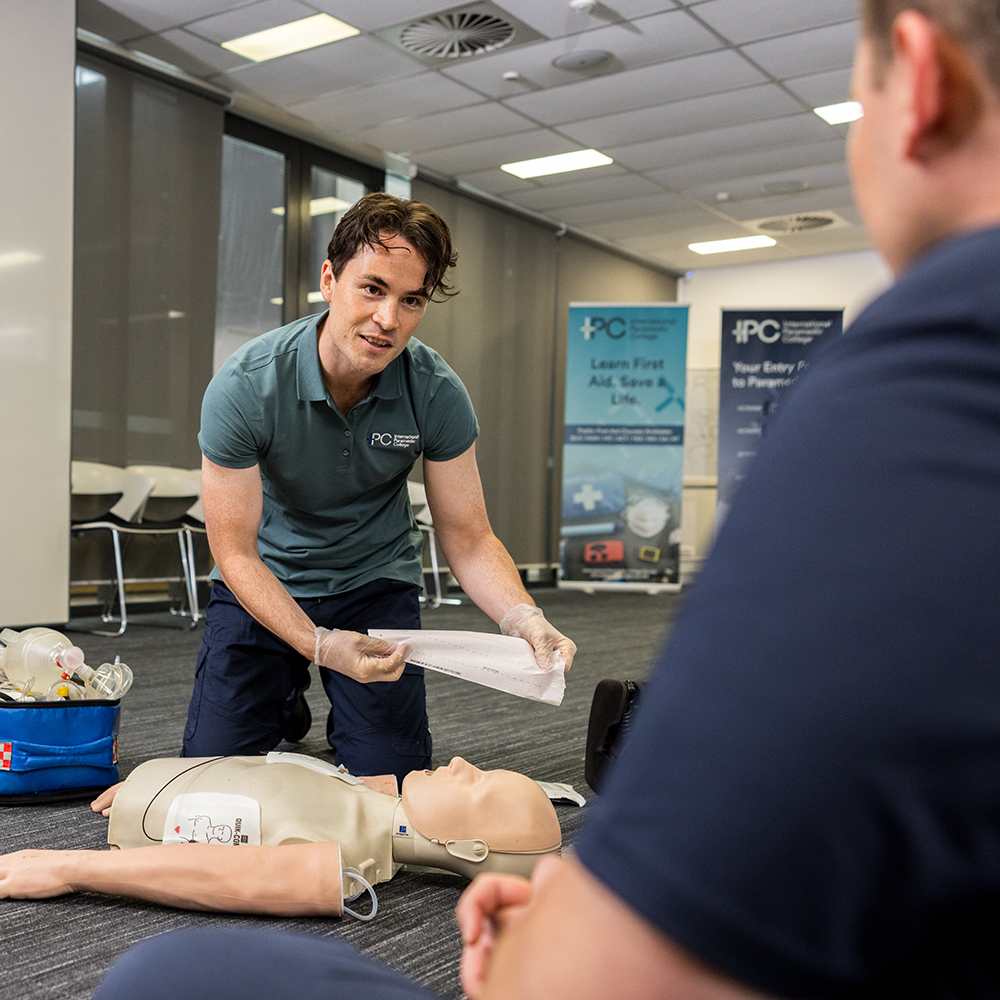
Choose your starting level
Pick the qualification level that suits your current confidence and experience so your learning feels achievable.
Build skills through structured training
Complete your learning at a steady pace, focusing on competence rather than rushing, so you’re well-prepared for the next step.
Progress to the next qualification stage
When you’re ready, move up to the next level in the paramedic training sequence with clearer direction and stronger foundations.
Roles that connect with this pathway
The Certificate IV and Diploma lead into several roles across the resources and emergency response sector. People regularly move between these roles:
FAQs
Below, we’ve answered common questions about becoming a mine medic.
How do you become a mine medic in Australia?
Complete a Certificate IV in Health Care, then add a mine emergency response certificate and a heavy vehicle licence. Queensland coal sites also require Standard 11 and a Coal Board Medical.
How much do mine medics earn in Australia?
SEEK estimates $140,000 to $160,000 a year for medics in mining. Contract roles in Perth advertise around $70 to $80 an hour, usually with flights, meals and accommodation included.
What qualification do you need to be a mine medic?
A Certificate IV in Health Care or higher. Job ads often phrase it as Certificate IV in Health Care (Ambulance) or equivalent, which a Diploma or a paramedicine degree also satisfies.
Do you need to be a paramedic to work as a mine medic?
No. Most sites accept a vocational qualification, though some coal operators advertise for registered paramedics specifically.
Why IPC is a smart place to begin
International Paramedic College supports your mine medic pathway by keeping learning practical and helping you understand what to do next.
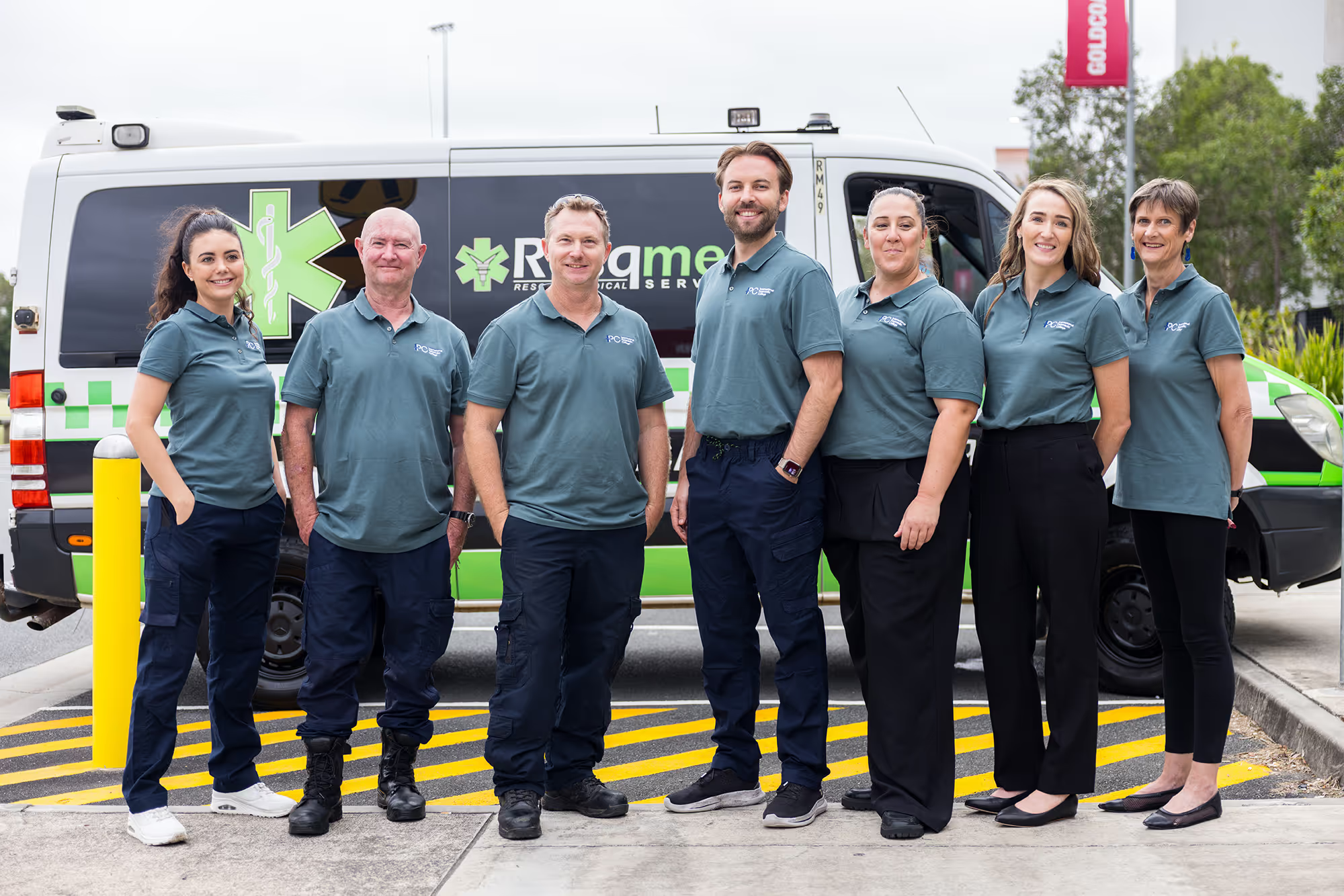

Training with real-world focus
Practical skill development and scenario thinking that's built for emergency-care readiness.

Clear progression support
We help you understand your next step in the paramedic training pathway.

Confidence-building structure
A guided learning model that keeps things achievable and goal-oriented.
Recognised training standards
When you’re working towards a mine medic role, you want training that’s credible and consistent.
Registered Training Organisation (RTO 45284)
International Paramedic College is an ASQA-approved Registered Training Organisation (RTO 45284) that delivers nationally recognised training and qualifications in Australia.

Nationally recognised qualifications
We deliver nationally recognised qualifications and accredited training that support real employment and workplace outcomes.
Certification you can use anywhere
Upon completing training, your results lead to a recognised certification that can be used for employment, workplace compliance, and further study.

What our students say
Students often tell us the biggest difference is clarity. This includes knowing what to study first, what to build next, and how to stay motivated through the process.
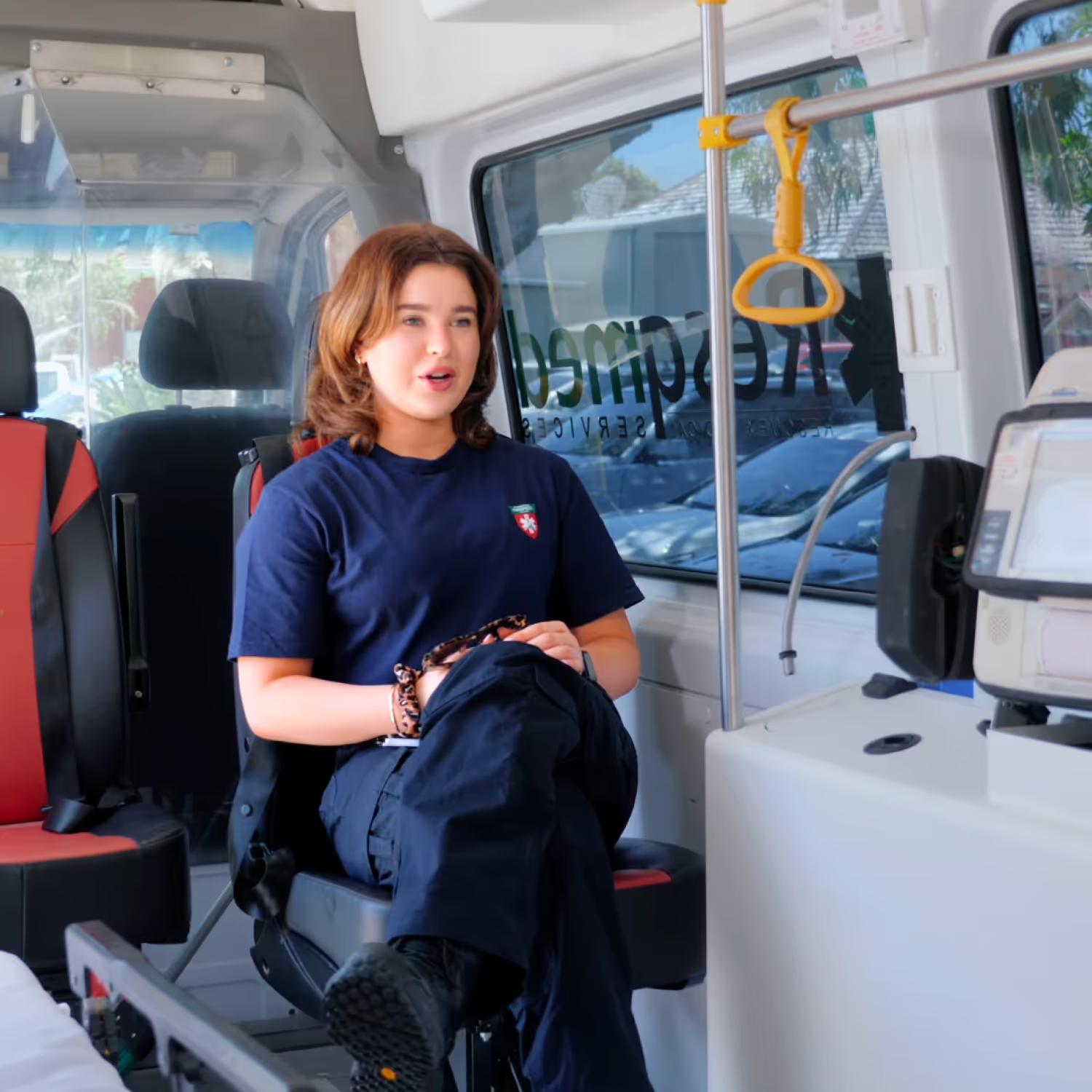
“IPC made learning feel achievable. The trainers explained things clearly, the practical sessions were hands-on, and I finished the course feeling genuinely more confident.”
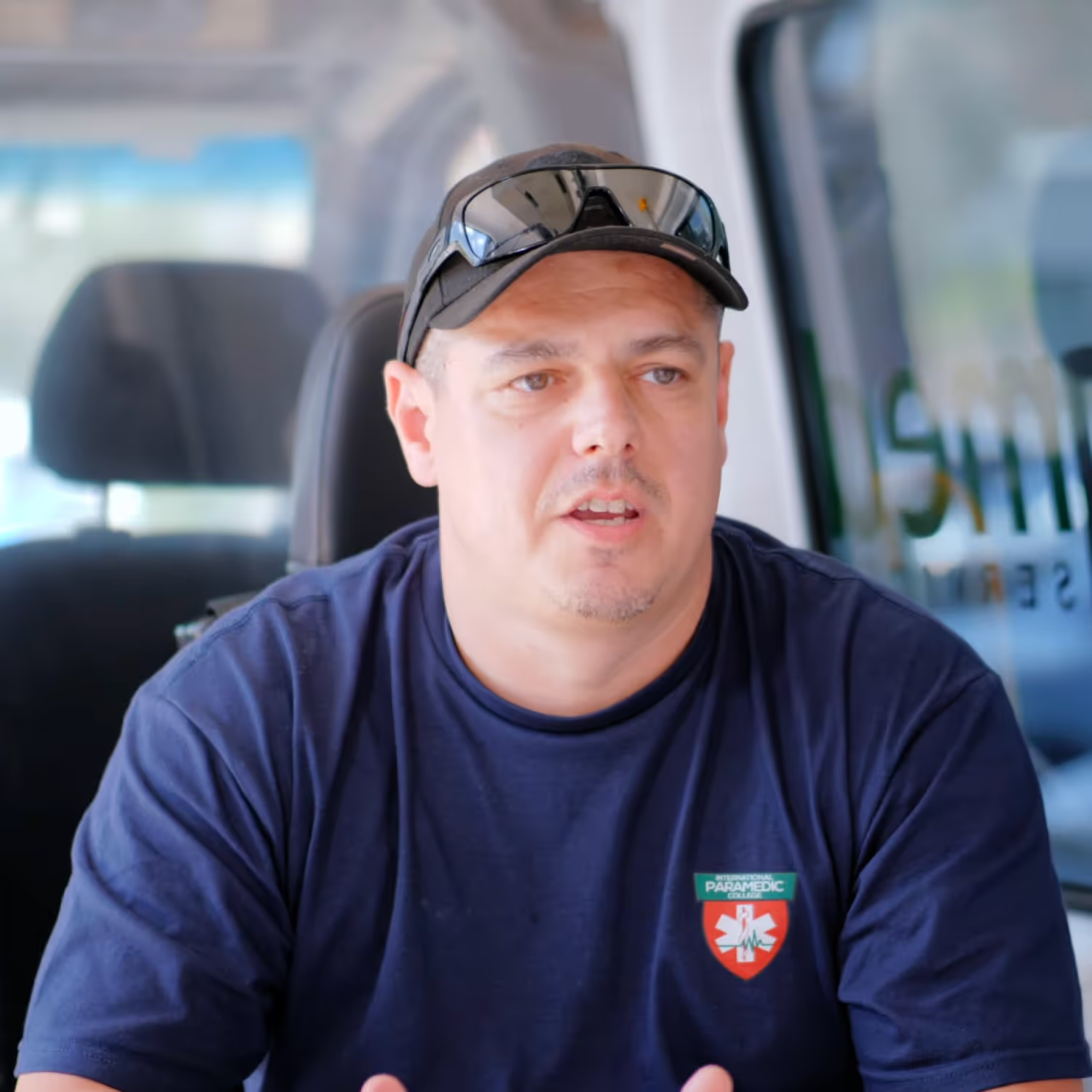
“I chose IPC because when I did research I found they had really good feedback from the students and students coming back to do more courses so I believe it’s the right school for me and the price was really good.”
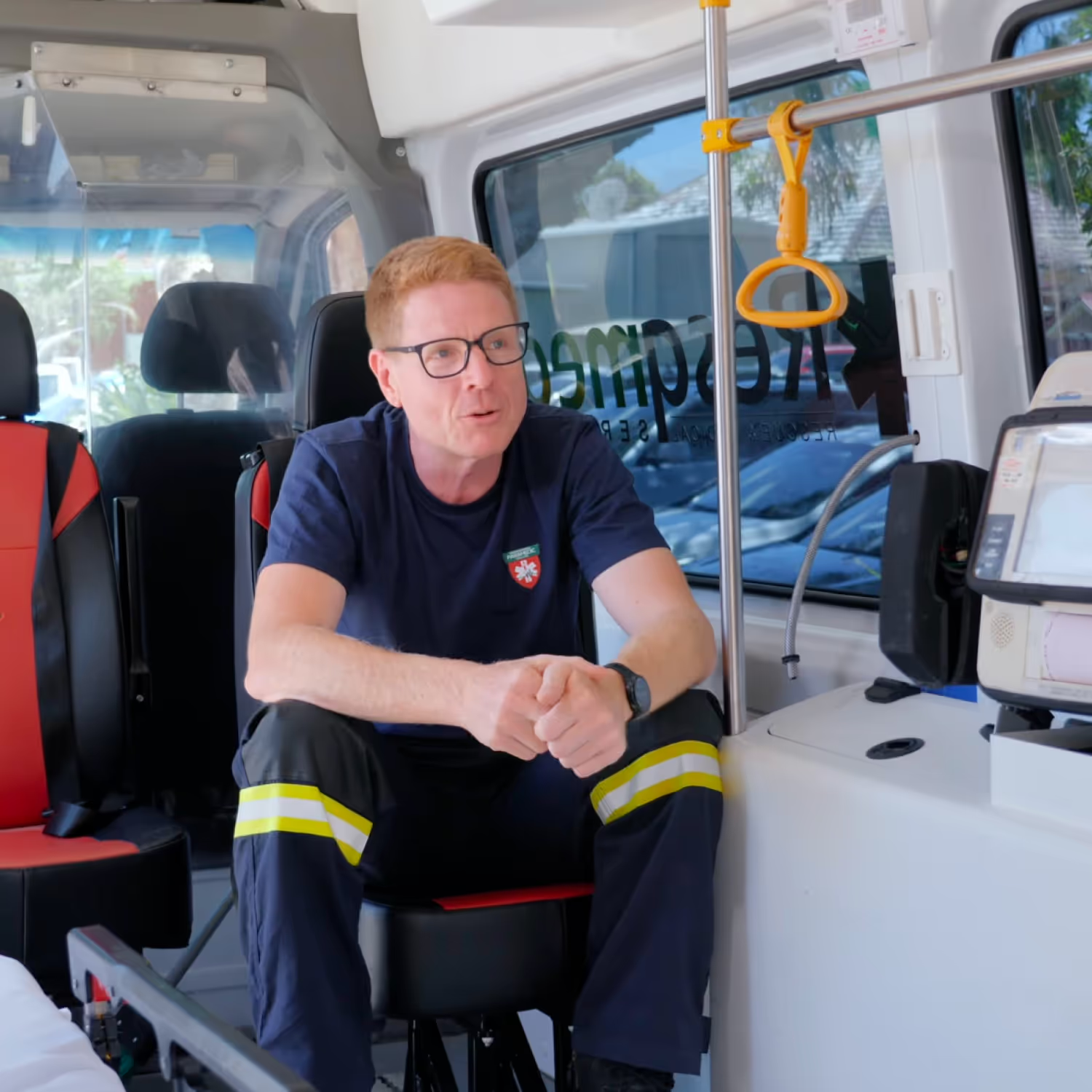
“The structure was straightforward and the support was there when I needed it. Workshops were practical, and I always knew what I was working toward.”
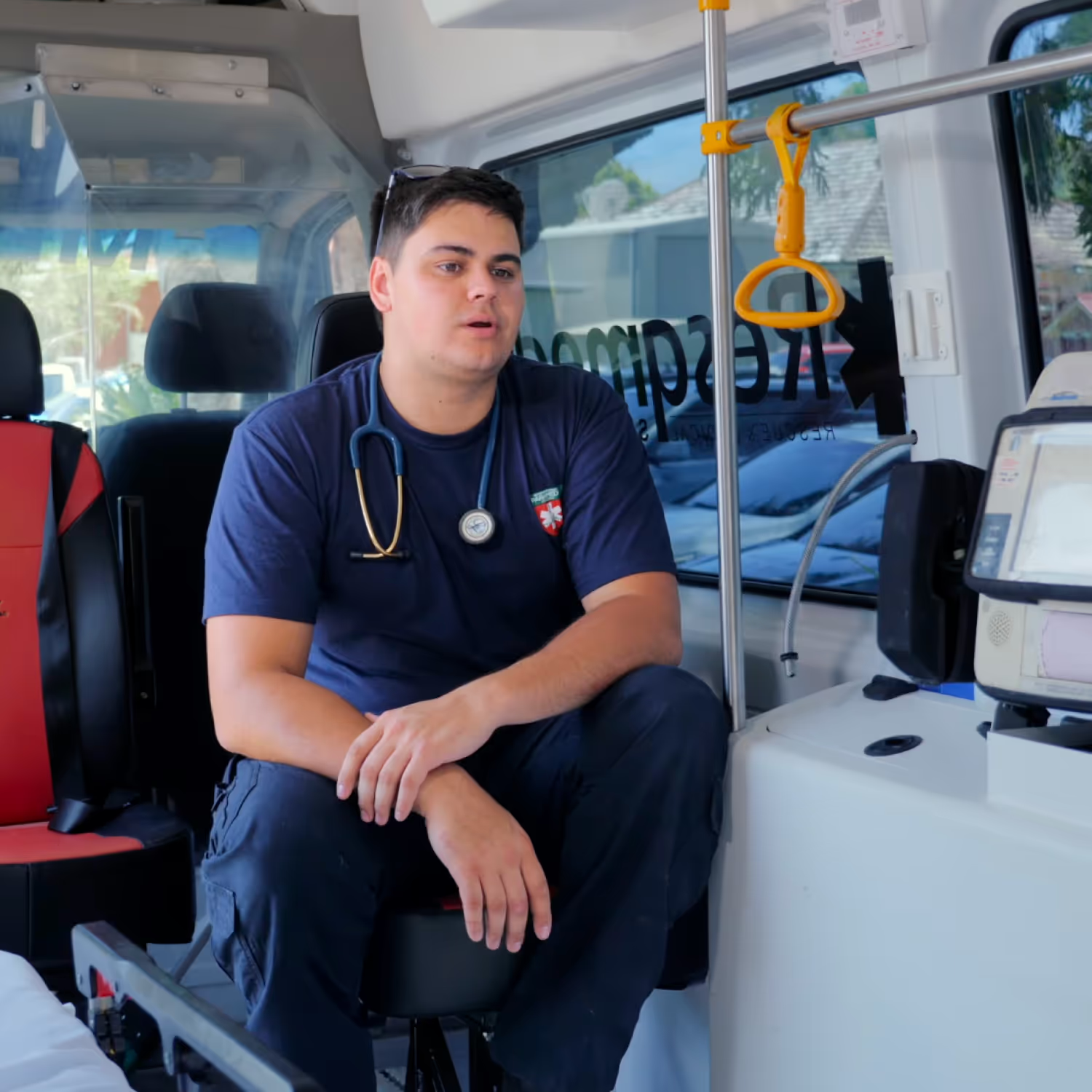
“I wanted training that felt real. The scenarios, feedback and support helped me build skills I can actually apply, especially when things get stressful.”
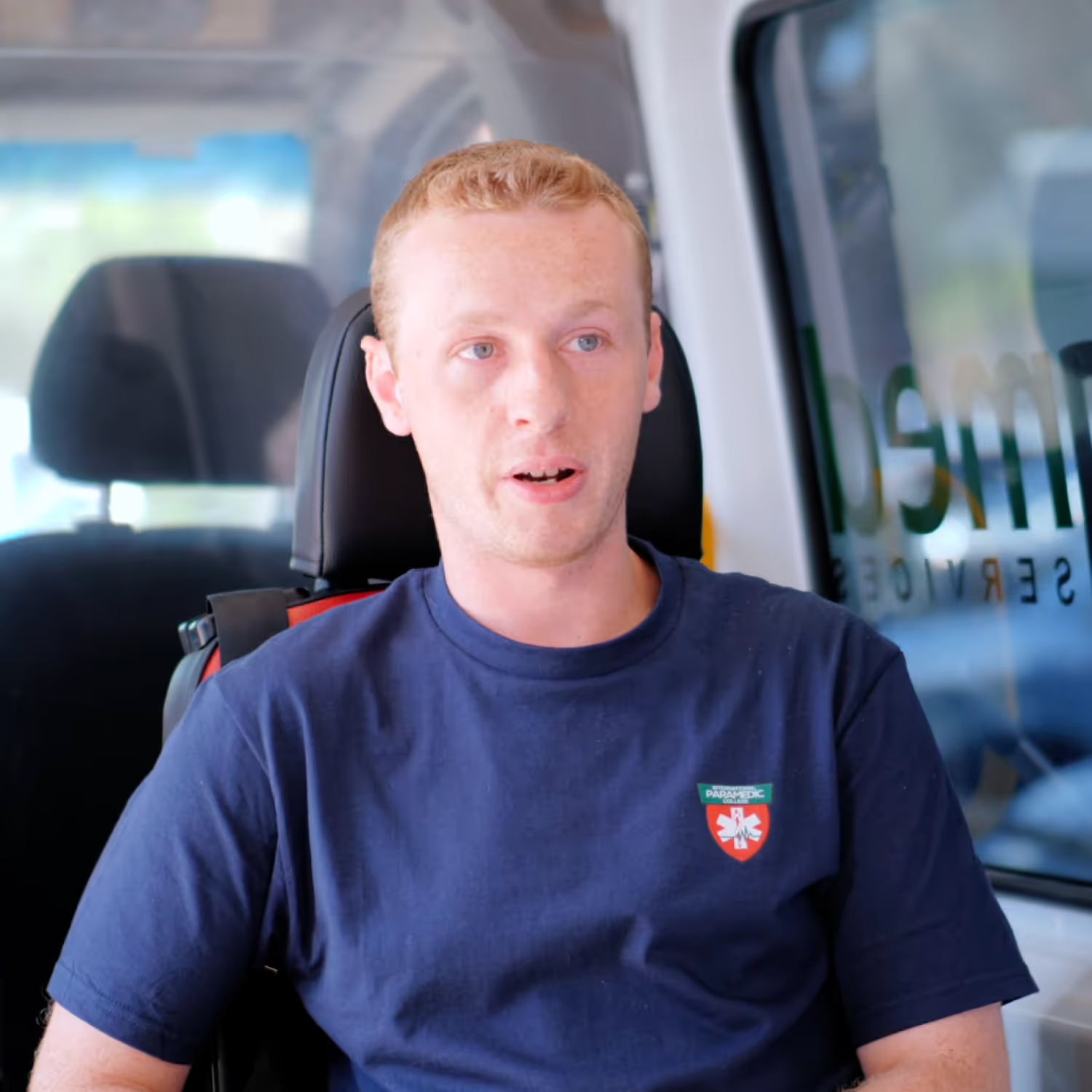
“What stood out was how approachable the team is. They teach in a calm, practical way and make sure you understand the ‘why’, not just the steps.”
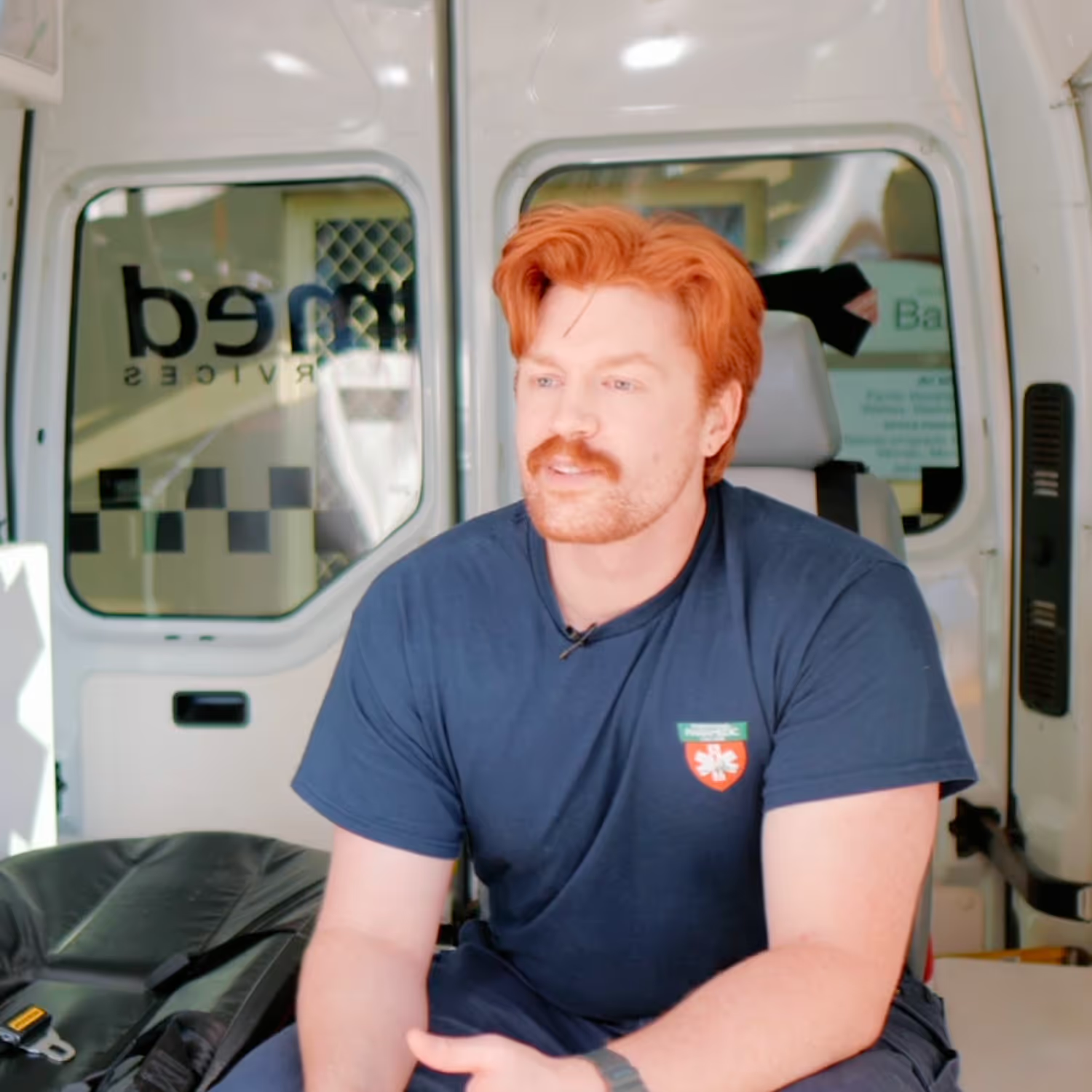
“I learned more than skills - I learned how to think clearly under pressure. The practical training and feedback helped me feel ready for real-world situations.”

Ready to plan your mine medic pathway?
If you want help choosing the right starting point or mapping your next stage, our team can guide you through your options.
Our licences
Our qualification pathways for mine medic work are built around nationally recognised training and industry-aligned standards.

Insights and guides
Explore these articles to learn more about mine medic work, the qualifications behind it and how your study choices can shape your career.

Get help starting your healthcare journey
If you’re exploring entry-level healthcare training, our team can guide you through enrolment, study options, and what to expect from this course.
