


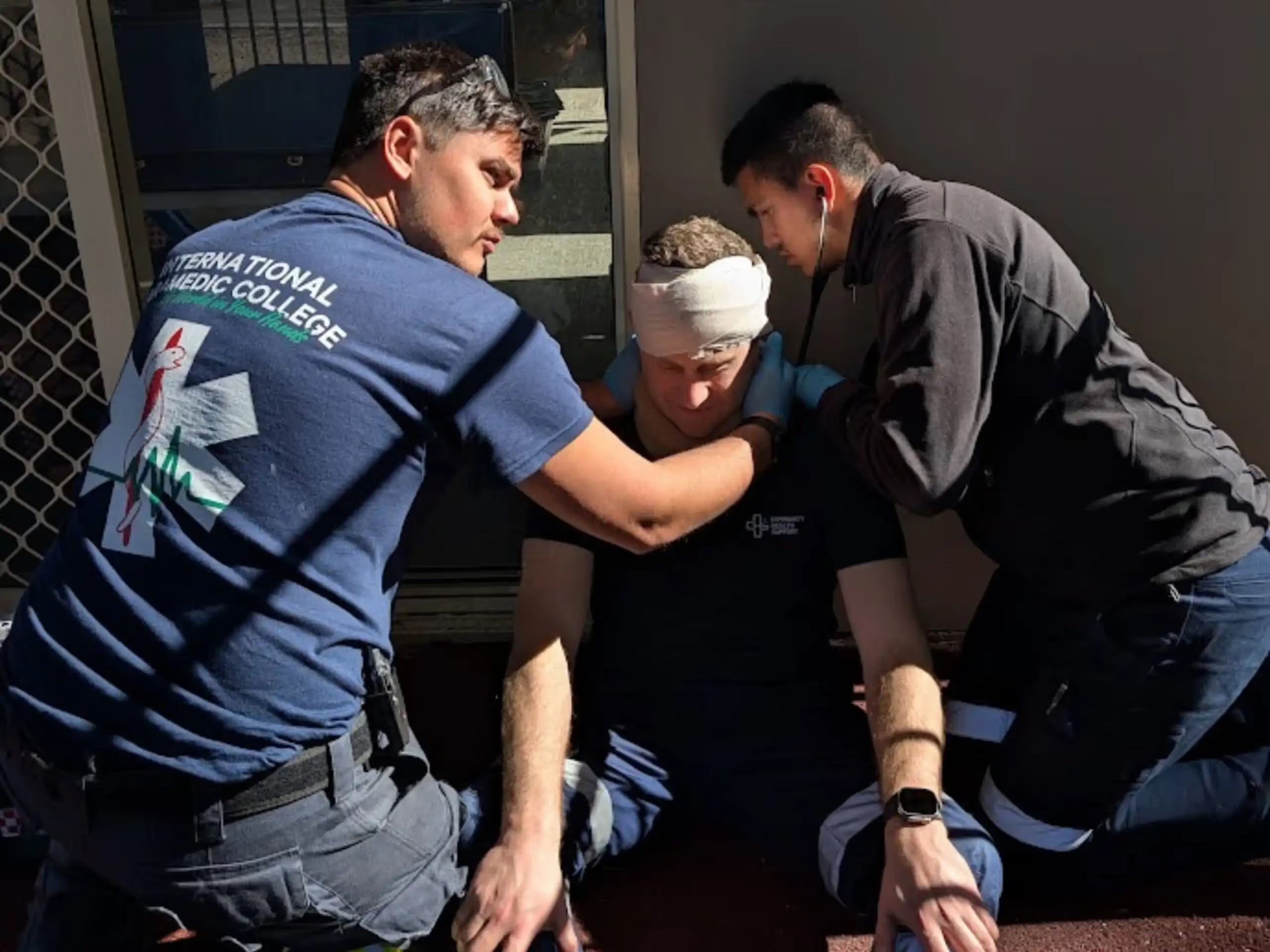
FIFO (Fly-In, Fly-Out) paramedic jobs offer unique opportunities for healthcare professionals seeking exciting, well-compensated roles in remote locations or abroad.
This guide explains what employers look for in fly-in, fly-out positions, and how to become a FIFO paramedic through a clear, realistic pathway.
Understanding FIFO paramedic jobs
FIFO paramedic jobs involve working in remote or offshore locations, typically for a set period, followed by a break or return to the point of origin. These roles cater to industries such as mining, oil and gas, construction, and exploration, where workers are stationed in remote areas for extended periods.
FIFO paramedics commonly provide:
- Emergency response and stabilisation
- Clinical assessment and treatment within scope
- Occupational health support (injuries, illness, health monitoring)
- Health and safety collaboration and incident reporting
Some people picture constant emergencies. In reality, many FIFO roles are a blend of clinical work: acute incidents and preventive health support. That mix is part of what makes FIFO work both challenging and valuable.
Why FIFO paramedic jobs are in demand
FIFO paramedics are needed wherever large teams operate in remote areas, and the risk profile is higher. These roles are commonly found across mining, oil and gas (including offshore), construction, and exploration projects.
These sectors rely on site medics and paramedics because:
- Remote locations can mean longer transport and retrieval times
- Injury risk can be higher due to heavy equipment and physical work
- Worker health and fitness impacts productivity and safety
The real benefits of fly-in fly-out paramedic jobs
There are several reasons why FIFO roles are appealing, especially for clinicians who want variety and structured time off.

Competitive remuneration
FIFO paramedic jobs often come with higher pay to reflect remote work conditions, roster demands, and on-call expectations. Remuneration may include base pay plus shift allowances, overtime and other benefits.

Predictable rosters and time off
FIFO schedules are usually rotational (weeks on, weeks off). This can support work-life balance because your time off is built into the roster.

Travel and unique locations
FIFO can take you to parts of Australia (and sometimes overseas) you’d never otherwise work in, from red dirt inland sites to offshore platforms.

Faster professional growth
Working in remote settings can sharpen your assessment skills and clinical judgement quickly. When resources are limited, you learn to think clearly, document thoroughly, and escalate early.
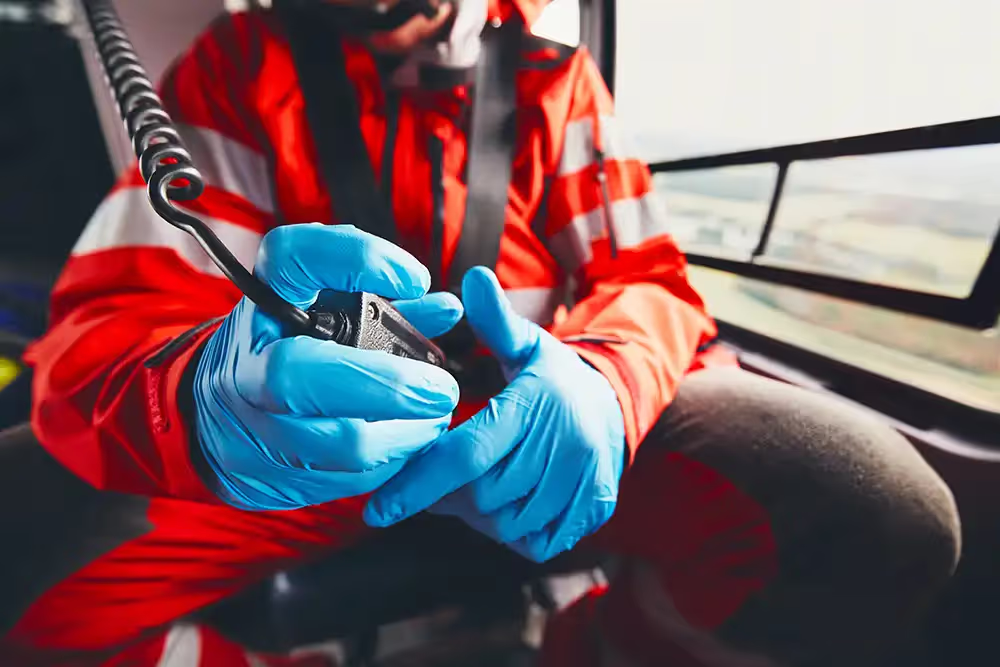
What employers look for in fly-in fly-out positions
A FIFO role isn’t only about clinical skills; it’s also about how you operate as a professional inside a safety-driven environment.
Employers commonly look for clinicians who can:
- Stay calm and methodical under pressure
- Communicate clearly with non-clinical stakeholders
- Work within health-and-safety systems and site procedures
- Document consistently (because handover quality matters)
- Make decisions confidently within scope
Think of FIFO as clinical care plus operational awareness.
Skills and qualifications for FIFO paramedic jobs
Most FIFO employers look for three core areas: a recognised qualification base, additional site-relevant certifications, and strong communication skills.
1) A recognised qualification base
In Australia, employers typically expect recognised emergency health training as the foundation.
International Paramedic College offers nationally recognised paramedical qualifications that can support private-sector and remote health pathways, including:
- HLT51020 Diploma of Emergency Health Care
- HLT41120 Certificate IV in Health Care
- HLT31220 Certificate III in Basic Health Care
- HLT31120 Certificate III in Non-Emergency Patient Transport (NEPT)
- HLT21020 Certificate II in Medical Service First Response
Some FIFO employers ask for registered paramedics, which requires a university degree. Our guide to paramedic diploma vs degree explains how the two pathways compare.
2) Advanced and site-relevant certifications
FIFO paramedics often benefit from advanced certifications such as ALS/ACLS and specialised training for remote/offshore work.
Exact requirements differ by employer and contract, but the theme is consistent: demonstrate you can manage complex situations in challenging environments.
Common site requirements include HLTAID014 Provide Advanced First Aid, HLTAID015 Provide Advanced Resuscitation and Oxygen Therapy and PUAEME008 Provide Pain Management.
3) Communication and interpersonal strength
FIFO clinicians spend a lot of time building trust with crews, coordinating with safety teams, and handing over care. Strong communication and interpersonal skills are key requirements.
How to become a FIFO paramedic: a step-by-step plan
- 01
Step 1: Choose your target type of FIFO paramedic job
FIFO roles differ by industry and location. The clinical demands and onboarding requirements can change depending on whether you’re working:
- Mining and resources
- Construction and infrastructure
- Offshore oil and gas
- Exploration and short-term project deployments
Start by searching real job ads and noting patterns in requirements. This will guide what training and experience to prioritise.
- 02
Step 2: Build the right training pathway
If you’re early in your journey, choose a qualification that builds emergency care competence and practical confidence.
For example:
- If you want a first step into emergency response and workplace readiness, a Certificate II or III may suit.
- If you’re aiming for broader pre-hospital capability in the private sector, higher-level study may be appropriate.
IPC courses are designed around practical skill development and can be completed in a blended model (online learning plus hands-on components where applicable). Practical workshops run in WA, QLD, NSW, VIC and SA.
- 03
Step 3: Use RPL if you have prior skills
If you’re coming from Defence (Army, Navy, Air Force) or another role with relevant clinical experience, you may be able to apply for Recognition of Prior Learning (RPL) and progress toward a higher qualification.
If you’ve got relevant experience, ask about RPL early so you don’t repeat learning you’ve already mastered.
- 04
Step 4: Apply strategically (not everywhere)
Tailor your resume and cover letter to FIFO roles and prepare for the specific challenges of remote work.
A strong FIFO application highlights:
- What environment you’ve worked in (remote, industrial, high-pressure)
- Your clinical scope and how you make decisions
- Safety mindset and incident reporting maturity
- Teamwork and stakeholder communication
- 05
Step 5: Prepare for the FIFO interview
FIFO interviews often test how you think, not just what you’ve studied.
Be ready to explain:
- How you prioritise patients and risks on-site
- How you work with limited resources
- How you document and hand over care
- How you manage fatigue and wellbeing on roster
A calm, structured style is exactly what employers want in remote work.
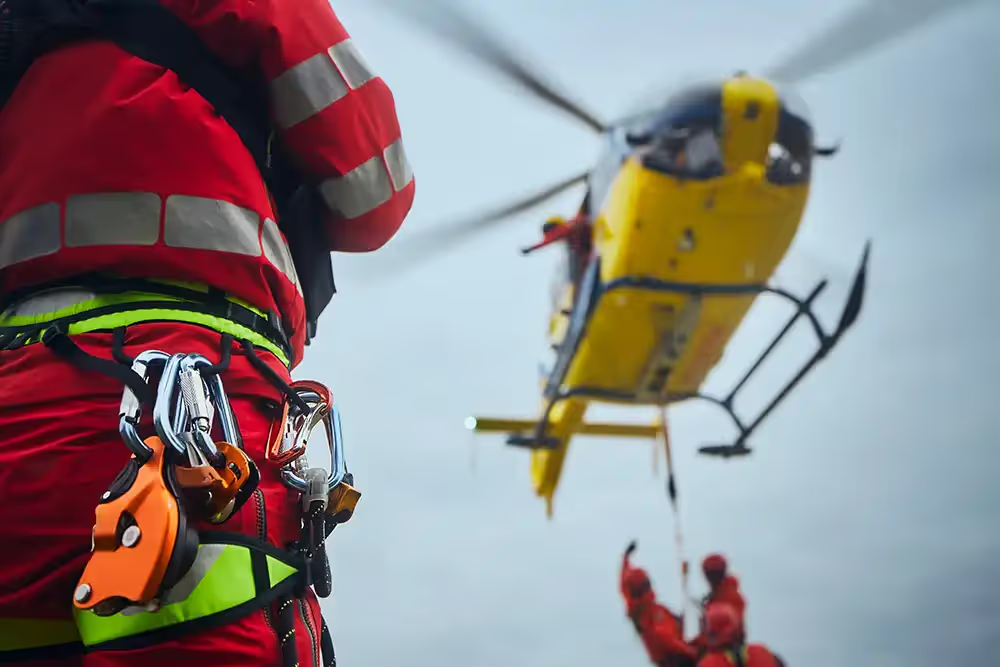
Where to find FIFO paramedic jobs
Three practical routes work well: job boards, networking, and contacting companies directly.
A good search strategy looks like this:
- Start with mining/energy and medical services job boards
- Track the recurring requirements you see in ads
- Build your plan around those patterns
Start your FIFO paramedic career with IPC
FIFO paramedic jobs can be an excellent pathway for clinicians who want autonomy, variety, and strong earning potential - but the best candidates treat it as a professional skillset, not just a pay rise.
If you’re mapping out your next step, explore IPC’s paramedical courses and speak with the team about the best starting point for your goals.
Table of contents