


Rescue medic career and qualification pathway
A rescue medic responds when a worker on a mine or industrial site is trapped or injured in a hard-to-reach location. Unlike a general site medic, you’ll also carry out the rescue yourself, whether that means entering a tank in breathing apparatus or lowering a worker from height. Most employers want a Certificate IV in Health Care plus rescue units. Get in touch with an IPC course advisor to choose the right clinical qualification.

Understand the path from certificate to career
As a rescue medic, you’ll need a pre-hospital qualification to treat patients and a rescue qualification to reach them. Most employers ask for at least the Certificate IV in Health Care, which you can complete with IPC. For the rescue side, you’ll need the Certificate III in Emergency Response and Rescue (RII30726). It replaced the older RII30719 Certificate III in Emergency Response and Rescue in 2026. In Queensland coal mines, these roles go to rescue paramedics and nurses, who need AHPRA registration.
What does a rescue medic do?
A rescue medic treats injured workers on mine and industrial sites and helps rescue them from hazards like confined spaces or heights. On some sites, they also train the emergency response team and maintain its rescue equipment.
Rescue or mine site medics also perform routine health checks including drug and alcohol testing, and may assist senior clinicians with advanced procedures, depending on the staffing and resources available.
What the job involves
Your rescue work will depend on the hazards on your site. An underground mine calls for different rescue skills than a processing plant or construction project. Most rescue medic roles cover the following:
Confined space rescue
Under WHS Regulation 74, any business with workers in tanks or silos must set up first aid and rescue procedures. Rescues should start from outside the space where possible. If you need to go in and the air is unsafe, you’ll wear a breathing apparatus to get to the patient.
Vertical and heights rescue
When a worker falls or gets stranded at height, you’ll use ropes and harnesses to reach them and lower them safely. You might reach a worker hanging in a harness after a fall, then treat their injuries once they’re on the ground. Vertical rescue (PUASAR032 Undertake vertical rescue) is an elective in the Certificate III in Emergency Response and Rescue.
Road crash rescue and extrication
If a worker is trapped after a vehicle crash, you’ll help free them while you manage their injuries. The road crash rescue unit (PUASAR024 Undertake road crash rescue) requires HLTAID011 Provide First Aid before you start. The extraction units in the same Certificate III in Emergency Response and Rescue cover more complex cases.
Training the site team
Many sites rely on volunteer emergency response teams. In Queensland, coal mines must have at least 5% of their staff trained in underground mine rescue. As the team’s medic, you may deliver training sessions and check that breathing apparatus and rescue gear are ready to use.


What rescue medics earn
Rescue medics earn an average of between $150,000 and $170,000 a year, according to SEEK’s salary data for medic jobs. This number covers all medic jobs, though, not only those with rescue duties. Most of these jobs are FIFO or DIDO, with rosters such as eight days on and six days off. They generally don’t follow a specific award either, so each employer sets pay in the contract.
Figures are indicative. What you earn depends on your employer, your state, your classification and your roster.
Where a rescue medic career can take you
Once you have rescue experience, you can coordinate a site’s emergency response or train as a registered paramedic:
- Emergency response coordinator: The Certificate IV in Emergency Response Coordination (RII41326) prepares you to lead a site’s emergency response. You’ll need the Certificate III in Emergency Response and Rescue (RII30726), or the older RII30719 version plus further conditions, to enrol.
- Rescue paramedic: If you complete a paramedicine degree and register as a paramedic, you can apply for rescue paramedic roles on Queensland coal mines. These roles also ask for operational fire and rescue experience.
- Health and safety trainer: You can teach first aid and rescue skills to site emergency teams with a Certificate IV in Training and Assessment.
- Special operations paramedic: NSW Ambulance’s Special Operations Team works in hazardous and technical environments. As a registered paramedic, you’ll need four years’ experience on road before you apply.
Where the jobs are
Mining employs more emergency services officers than any other industry, according to Jobs and Skills Australia. It lists medical emergency services officer as a specialisation of the role, with about 1,600 people working as ESOs nationally.
In WA and SA, contracted emergency service providers place medics on gold and iron ore mines, including FIFO sites in the Pilbara. Large miners like BHP, Rio Tinto and Fortescue run remote sites where outside help can be hours away, so they need rescue capability on site to keep their workers safe. BHP and Fortescue advertise emergency services officer roles on their own careers pages, while St John WA recruits medical staff for Rio Tinto sites. In Queensland, Bowen Basin coal mines hire registered paramedics and nurses for their rescue teams.
Who this pathway is for
- Medics who want hands-on rescue work as well as patient care
- Emergency response team members ready to take the clinical lead
- People comfortable working in tight spaces, at heights and in breathing apparatus
- Workers who want FIFO rosters on remote mine sites
Skills you’ll build along the way
- Rescue workers from confined spaces in breathing apparatus
- Rig ropes to reach and lower patients from height
- Free trapped workers after vehicle crashes
- Stabilise injured workers until they get to the hospital
- Train site teams in emergency response procedures
Recommended courses
Most employers ask for the Certificate IV in Health Care as a minimum, which makes it the closest fit for rescue medic roles. Some ads prefer the Diploma of Emergency Health Care, which covers a wider clinical scope:
HLT41120: Certificate IV in Health Care
A strong foundation in emergency health care, with online learning and practical training.
HLT51020: Diploma of Emergency Health Care
Our flagship qualification for pre-hospital care is delivered online, with hands-on workshops.
A simple rescue medic training sequence
Most rescue medics combine a clinical qualification with rescue units and a few site tickets. Work through them in this order:
If you want to work in Queensland coal, rescue roles there require AHPRA registration, so you’ll need a paramedicine degree on top of these steps.
Complete the Certificate IV in Health Care or the Diploma of Emergency Health Care with IPC. Either one qualifies you for medic roles on mine and industrial sites.

Enrol in RII30726 and choose electives like confined space or vertical rescue. Its core units include HLTAID014 Provide Advanced First Aid, which you can complete with IPC first.
Many employers ask for RIIWHS202E Enter and work in confined spaces and RIIWHS204E Work safely at heights. These aren’t part of the Certificate III in Emergency Response and Rescue, so you’ll complete them separately.
Work as a mine medic or emergency services officer. Some roles require two to five years in similar FIFO or DIDO roles.
Do you need a qualification?
No law sets a specific qualification for rescue medics, but almost all employers do. Most ask for at least the Certificate IV in Health Care plus rescue units from the Certificate III in Emergency Response and Rescue (RII30726). Mining laws require sites to have rescue capability and trained people, but they don’t name a specific medic qualification.
“Paramedic” is a protected title under national law, though, so only registered paramedics can hold paramedic roles. If you call yourself a rescue paramedic without registration, then you’d be breaking the law. In Queensland coal mines, you’ll also need a Coal Board Medical before you can join a rescue team.
First aid and CPR courses
You’ll need current first aid before you can enrol in some rescue units. Road crash rescue, for example, has a first aid unit as a prerequisite. HLTAID014 Provide Advanced First Aid is also one of the five core units of RII30726, so you can complete it with IPC before you start your rescue qualification:
HLTAID011: Provide First Aid
Nationally recognised First Aid training with online theory and face-to-face practicals. Includes HLTAID009 Provide Cardiopulmonary Resuscitation.
HLTAID014 Provide Advanced First Aid
Build advanced response skills for managing complex incidents, prolonged care, and multiple casualties. Suited to workplace first aid officers and high-risk environments.
HLTAID015 Advanced Resuscitation & Oxygen Therapy
Learn advanced airway management, oxygen delivery, and resuscitation techniques. Commonly required for healthcare, emergency response, and security roles.
How to follow the right progression
You don’t need to have everything mapped out on day one. Start with a realistic step, then build a clear course progression plan as you go.
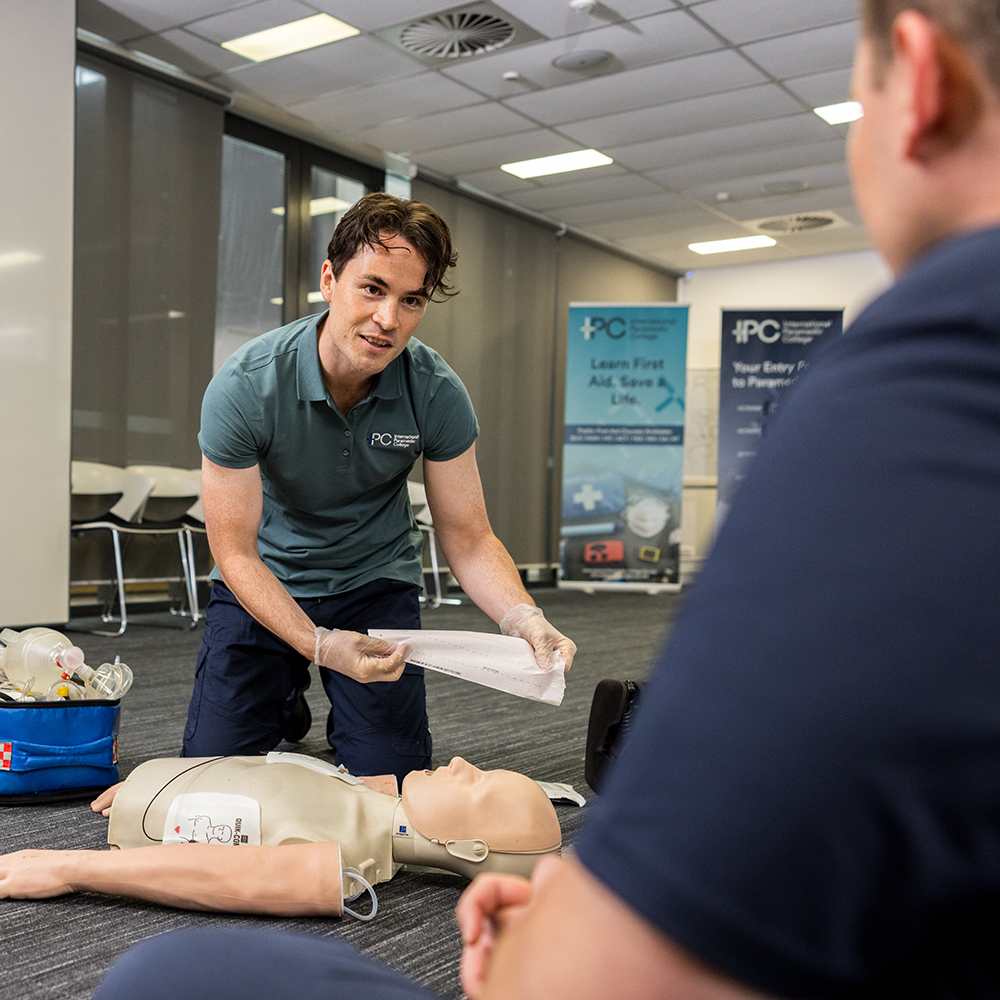
Choose your starting level
Pick the qualification level that suits your current confidence and experience so your learning feels achievable.
Build skills through structured training
Complete your learning at a steady pace, focusing on competence rather than rushing, so you’re well-prepared for the next step.
Progress to the next qualification stage
When you’re ready, move up to the next level in the paramedic training sequence with clearer direction and stronger foundations.
Roles that connect with this pathway
Rescue medics work closely with other site emergency roles, and many start in one of them first. Explore these related pathways:
FAQs
Below, we’ve answered common questions about becoming a rescue medic.
Is a rescue medic a paramedic?
Not usually. Most rescue medics hold a Certificate IV in Health Care or a Diploma of Emergency Health Care. Paramedic is a protected title, so only rescue medics registered with AHPRA can work as rescue paramedics.
What rescue tickets do mine sites ask for?
Employers commonly look for confined space entry, working at heights, breathing apparatus and road crash rescue tickets. Queensland coal mines also require a Coal Board Medical for rescue roles.
Do you need a degree to be a rescue medic?
No, unless you want to work in Queensland coal. Rescue roles there require AHPRA registration as a paramedic or nurse, so you’ll need a paramedicine or nursing degree. Employers also ask for operational fire and rescue experience. Most rescue medic roles in WA, SA, and the NT accept a Certificate IV in Health Care instead.
What training do you need to become a rescue medic?
You’ll need a clinical qualification and a rescue qualification. Most employers ask for at least the Certificate IV in Health Care plus the Certificate III in Emergency Response and Rescue (RII30726).
Why IPC is a smart place to begin
International Paramedic College supports your rescue medic pathway by keeping learning practical and helping you understand what to do next.
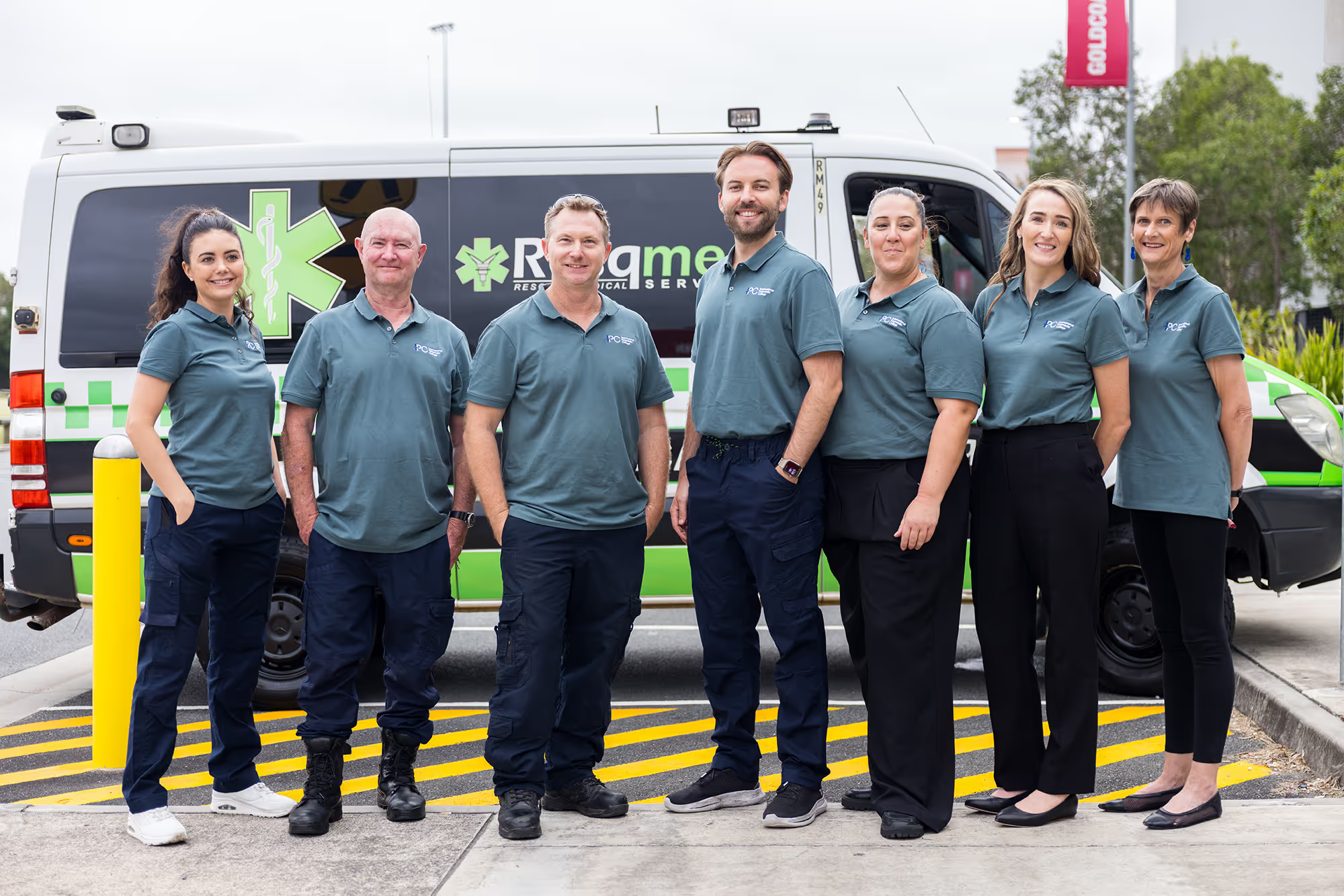

Training with real-world focus
Practical skill development and scenario thinking that's built for emergency-care readiness.

Clear progression support
We help you understand your next step in the paramedic training pathway.

Confidence-building structure
A guided learning model that keeps things achievable and goal-oriented.
Recognised training standards
When you’re working towards a rescue medic role, you want training that’s credible and consistent.
Registered Training Organisation (RTO 45284)
International Paramedic College is an ASQA-approved Registered Training Organisation (RTO 45284) that delivers nationally recognised training and qualifications in Australia.

Nationally recognised qualifications
We deliver nationally recognised qualifications and accredited training that support real employment and workplace outcomes.
Certification you can use anywhere
Upon completing training, your results lead to a recognised certification that can be used for employment, workplace compliance, and further study.

What our students say
Students often tell us the biggest difference is clarity. This includes knowing what to study first, what to build next, and how to stay motivated through the process.
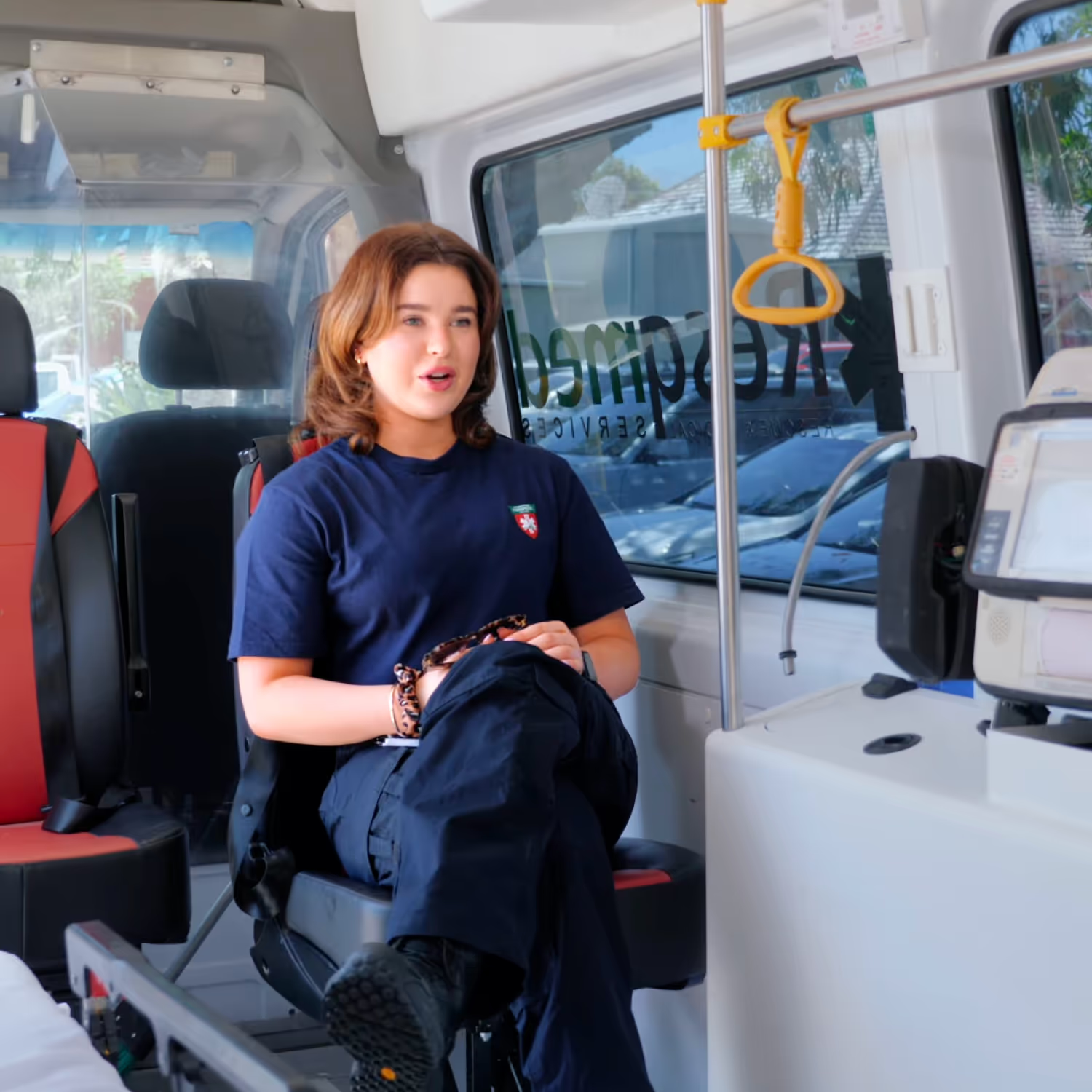
“IPC made learning feel achievable. The trainers explained things clearly, the practical sessions were hands-on, and I finished the course feeling genuinely more confident.”
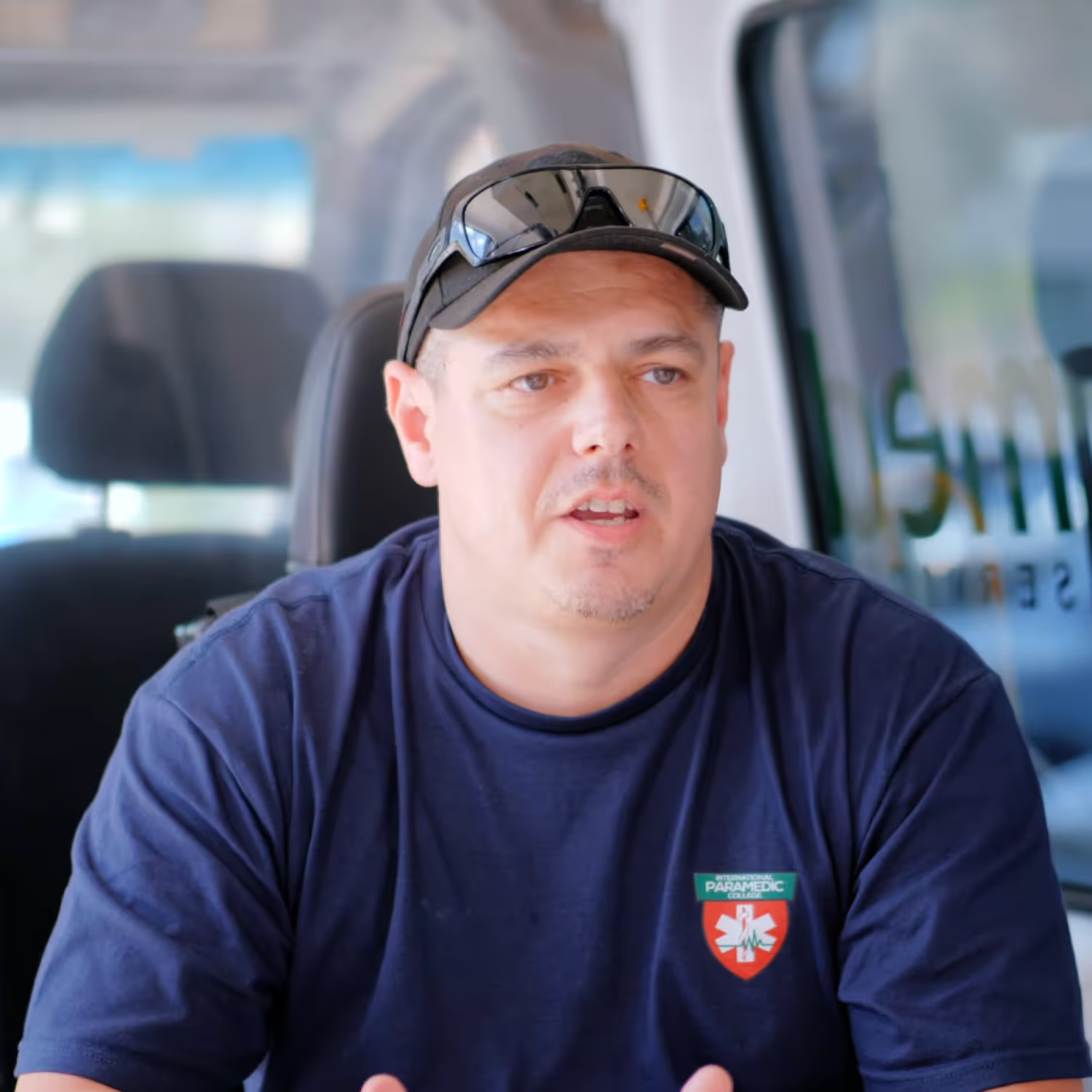
“I chose IPC because when I did research I found they had really good feedback from the students and students coming back to do more courses so I believe it’s the right school for me and the price was really good.”
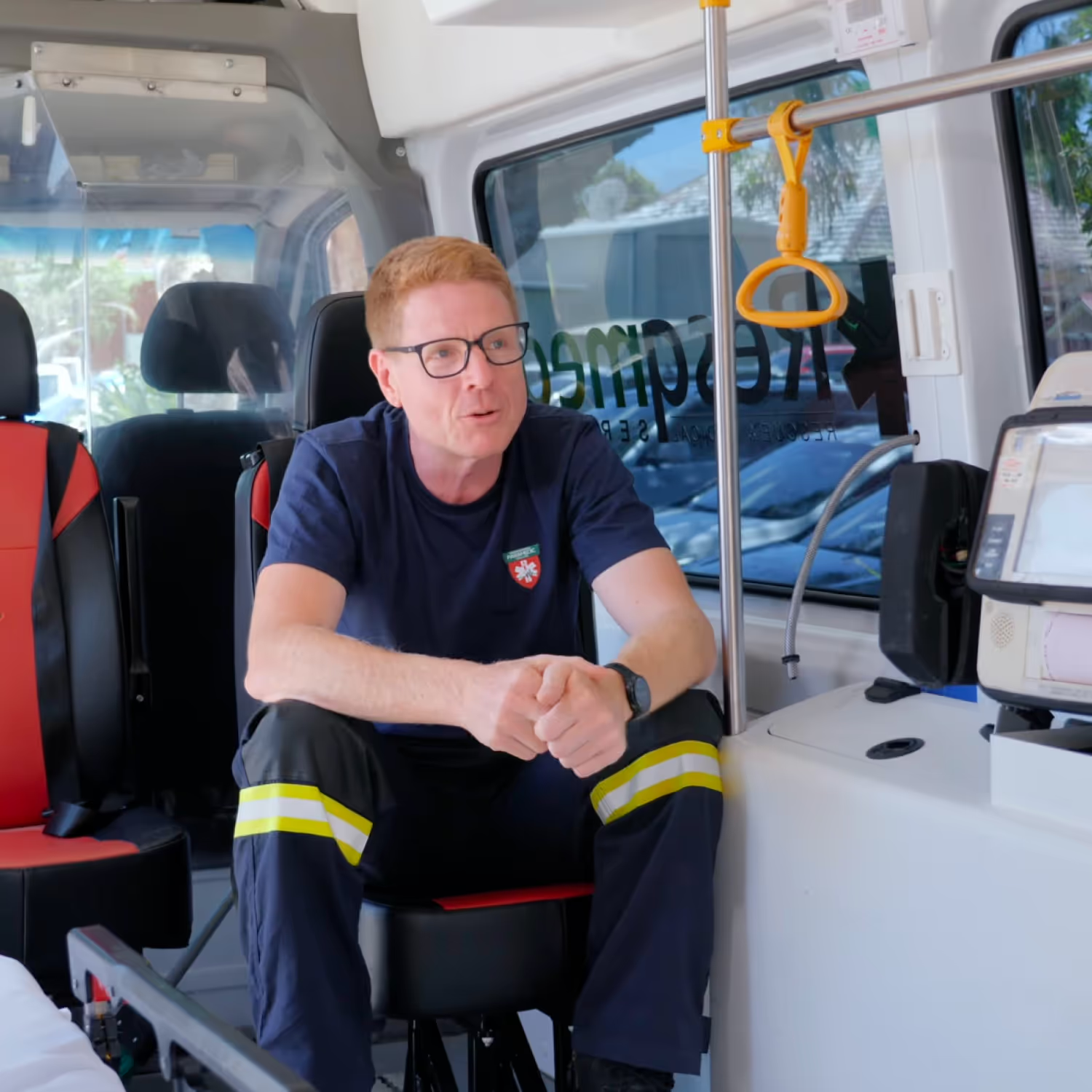
“The structure was straightforward and the support was there when I needed it. Workshops were practical, and I always knew what I was working toward.”
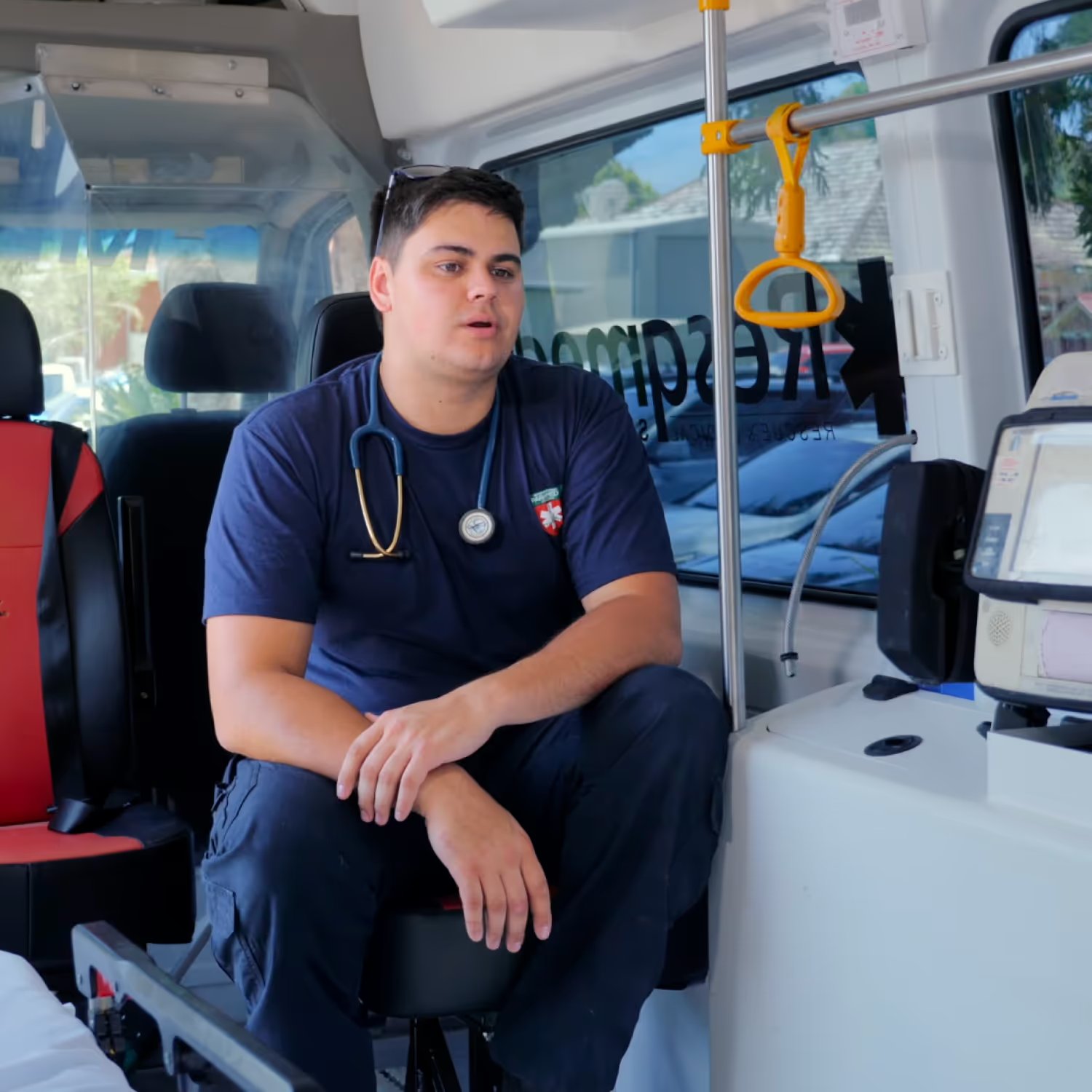
“I wanted training that felt real. The scenarios, feedback and support helped me build skills I can actually apply, especially when things get stressful.”
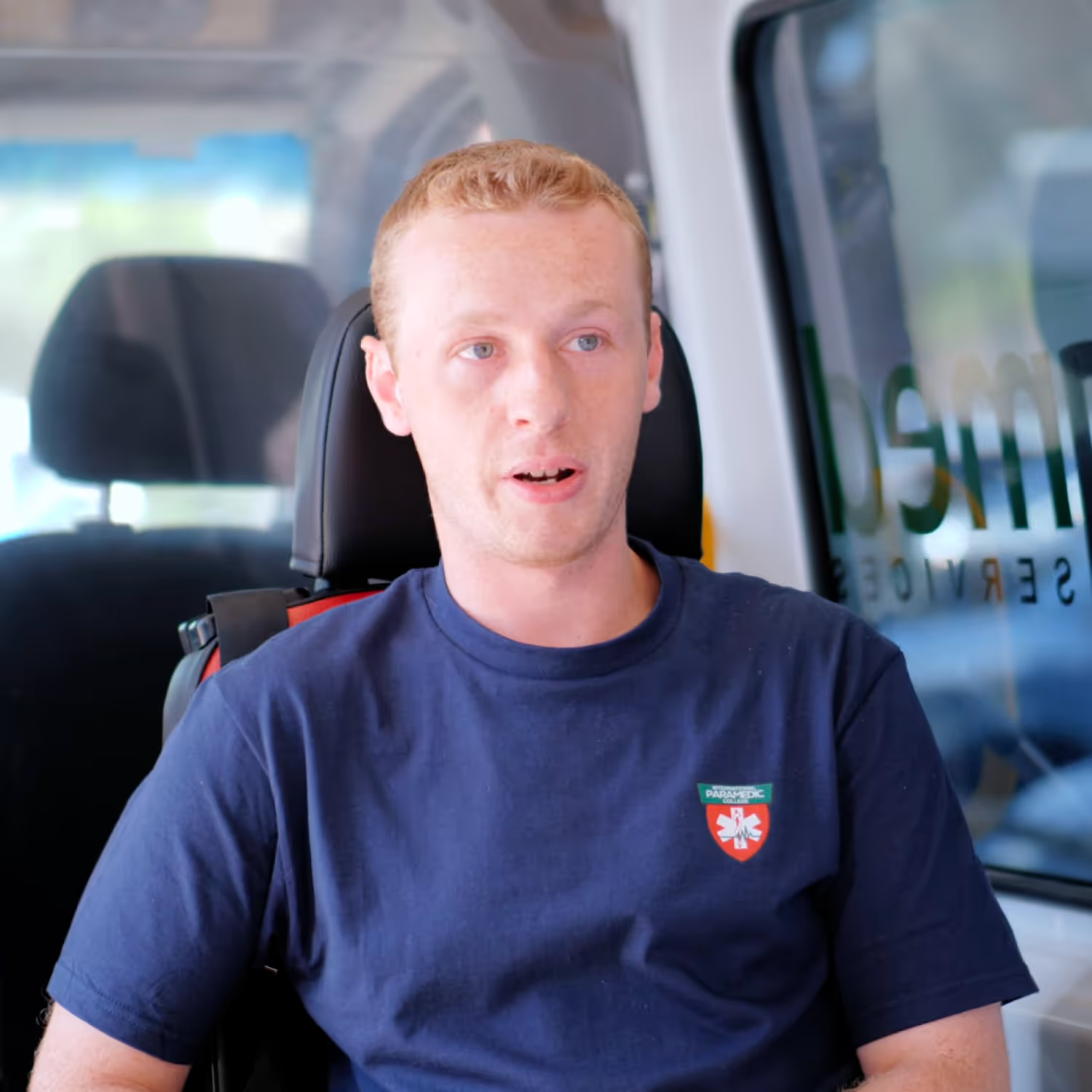
“What stood out was how approachable the team is. They teach in a calm, practical way and make sure you understand the ‘why’, not just the steps.”
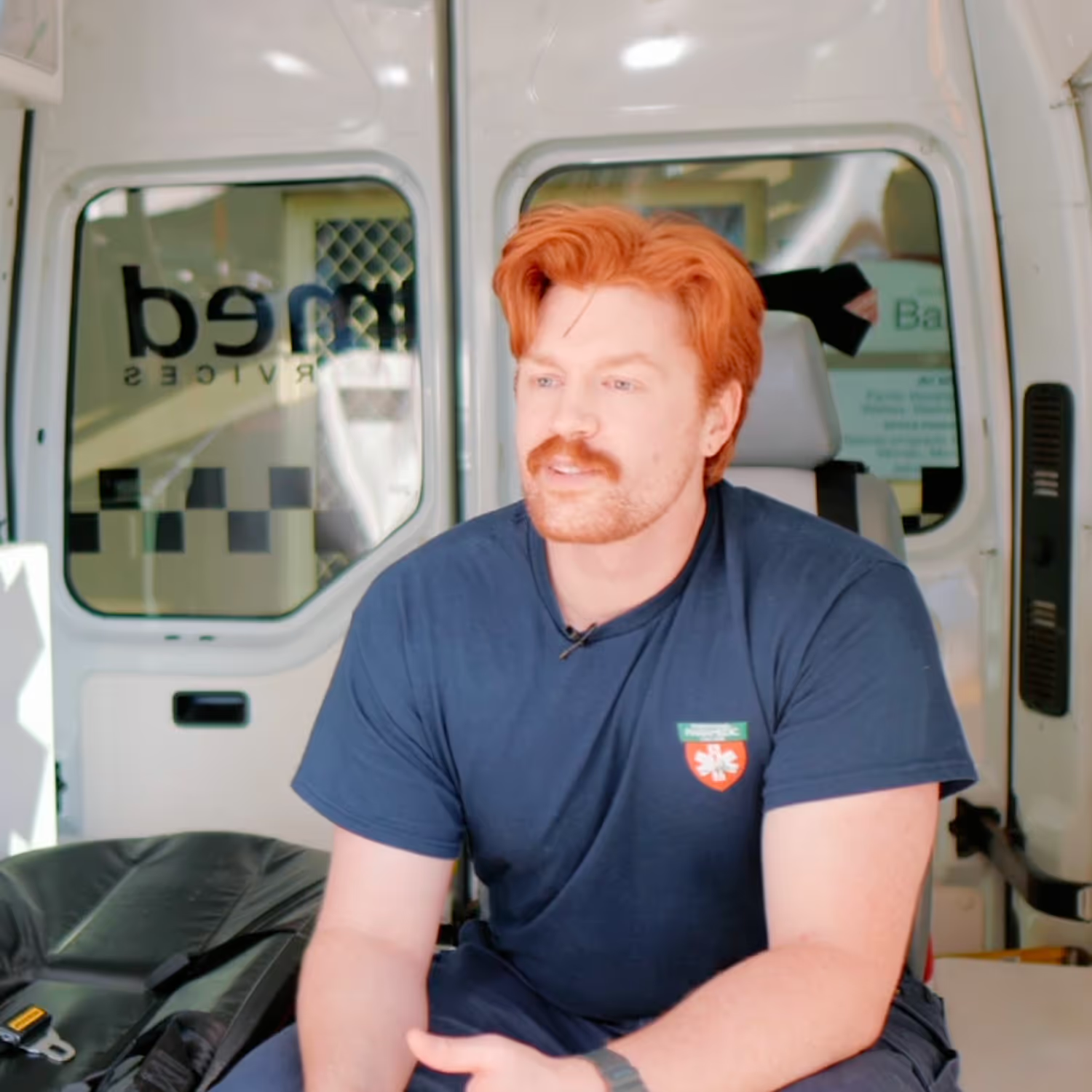
“I learned more than skills - I learned how to think clearly under pressure. The practical training and feedback helped me feel ready for real-world situations.”

Ready to plan your rescue medic pathway?
If you want help choosing the right starting point or mapping your next stage, our team can guide you through your options.
Our licences
Our qualification pathways for rescue medic work are built around nationally recognised training and industry-aligned standards.

Insights and guides
Explore these articles to learn more about rescue medic work, the qualifications behind it and how your study choices can shape your career.

Get help starting your healthcare journey
If you’re exploring entry-level healthcare training, our team can guide you through enrolment, study options, and what to expect from this course.
