


Health and safety trainer career and qualification pathway
A health and safety trainer teaches workplace courses such as first aid and CPR to employees and community groups. Most work casually for an RTO and travel to client sites to teach hands-on classes. To become a first aid trainer, you’ll need a Certificate IV in Training and Assessment plus current first aid skills. Contact an IPC course advisor to find the right first aid course to start with.

Understand the path from certificate to career
To become a first aid trainer, you need a Certificate IV in Training and Assessment (TAE40122) plus first aid skills at least to the level of the course you’ll teach. IPC doesn’t deliver the TAE, but you can complete HLTAID011 Provide First Aid with IPC before you enrol. You can also start working before you finish the TAE. Once you’ve begun your studies, an RTO can hire you to deliver training under the direction of a qualified trainer.
What does a health and safety trainer do?
A health and safety trainer teaches nationally recognised workplace safety courses for a registered training organisation (RTO). Many specialise in first aid and CPR, which they deliver at training centres or on site at client workplaces. They also assess each learner’s skills before the RTO issues their statement of attainment.
What the job involves
Most first aid trainers work casual shifts at training centres and client workplaces. You can expect to handle the following in most roles:
Delivering first aid and CPR courses
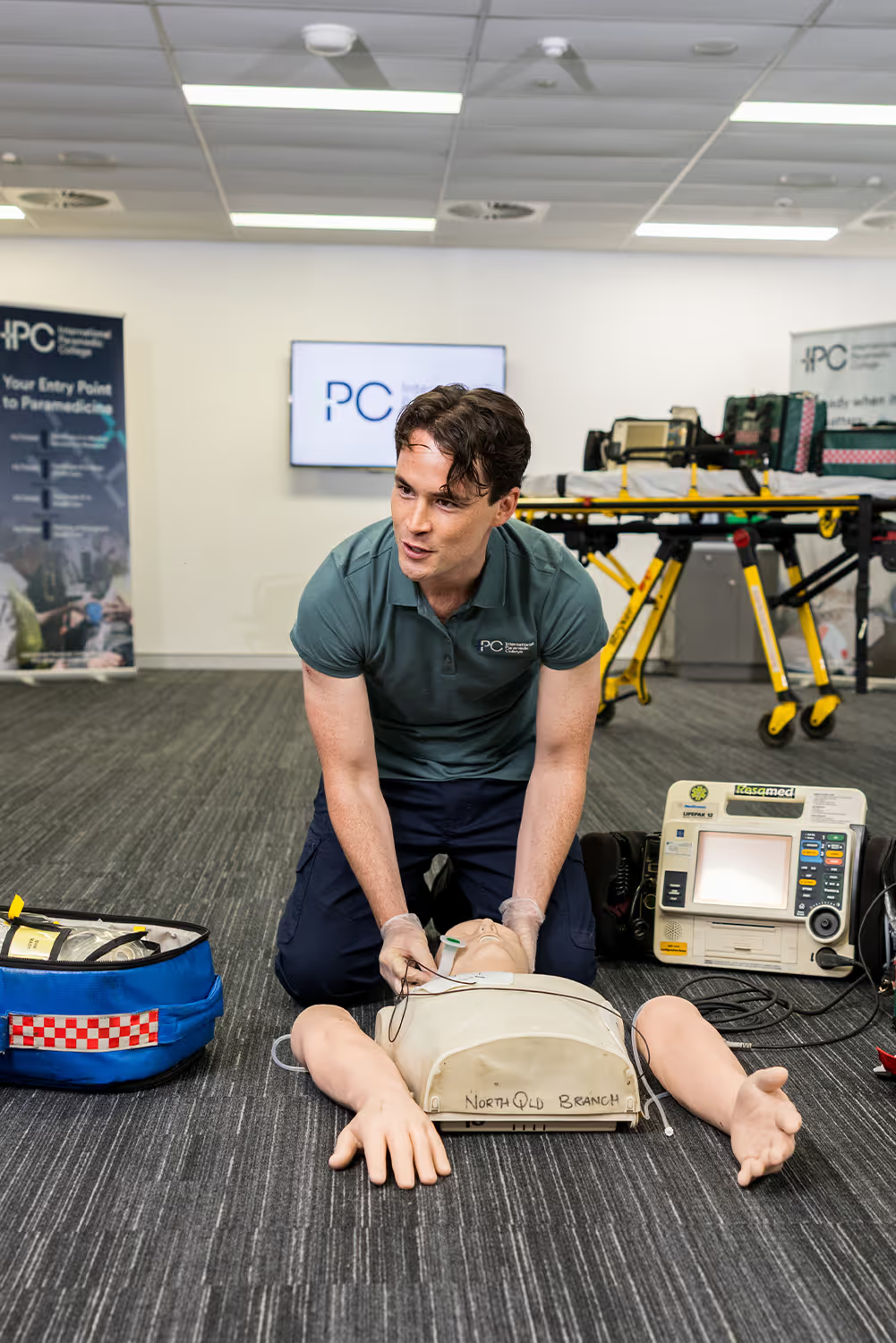
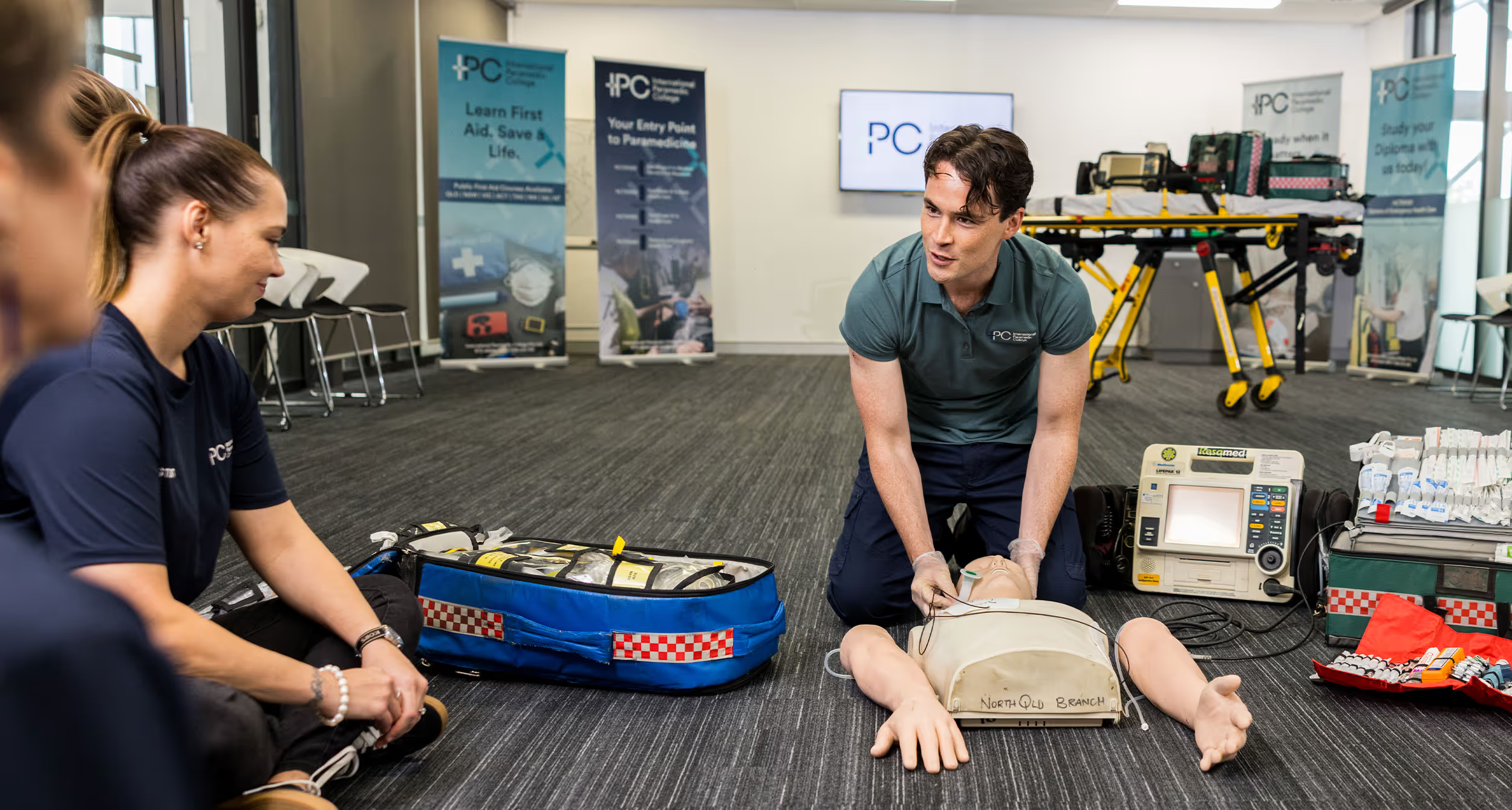
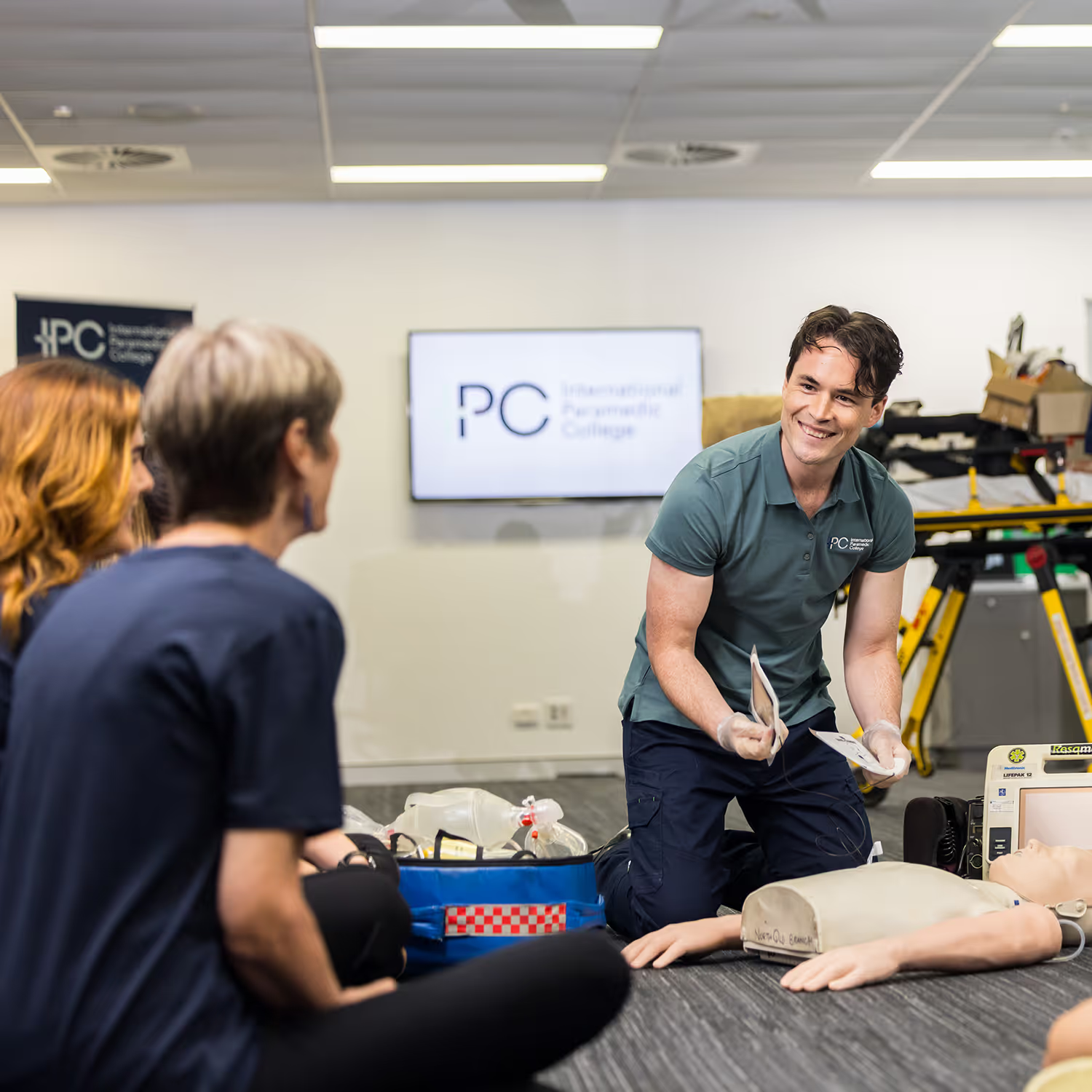
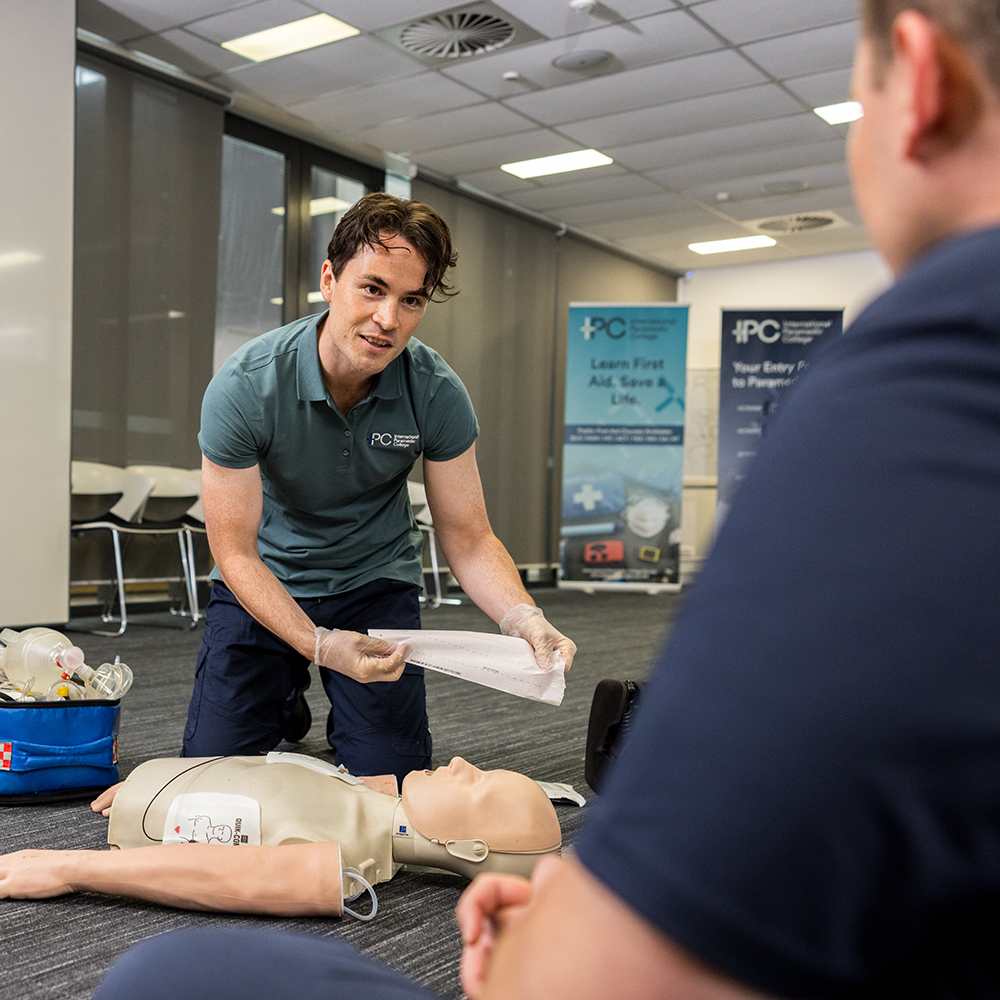
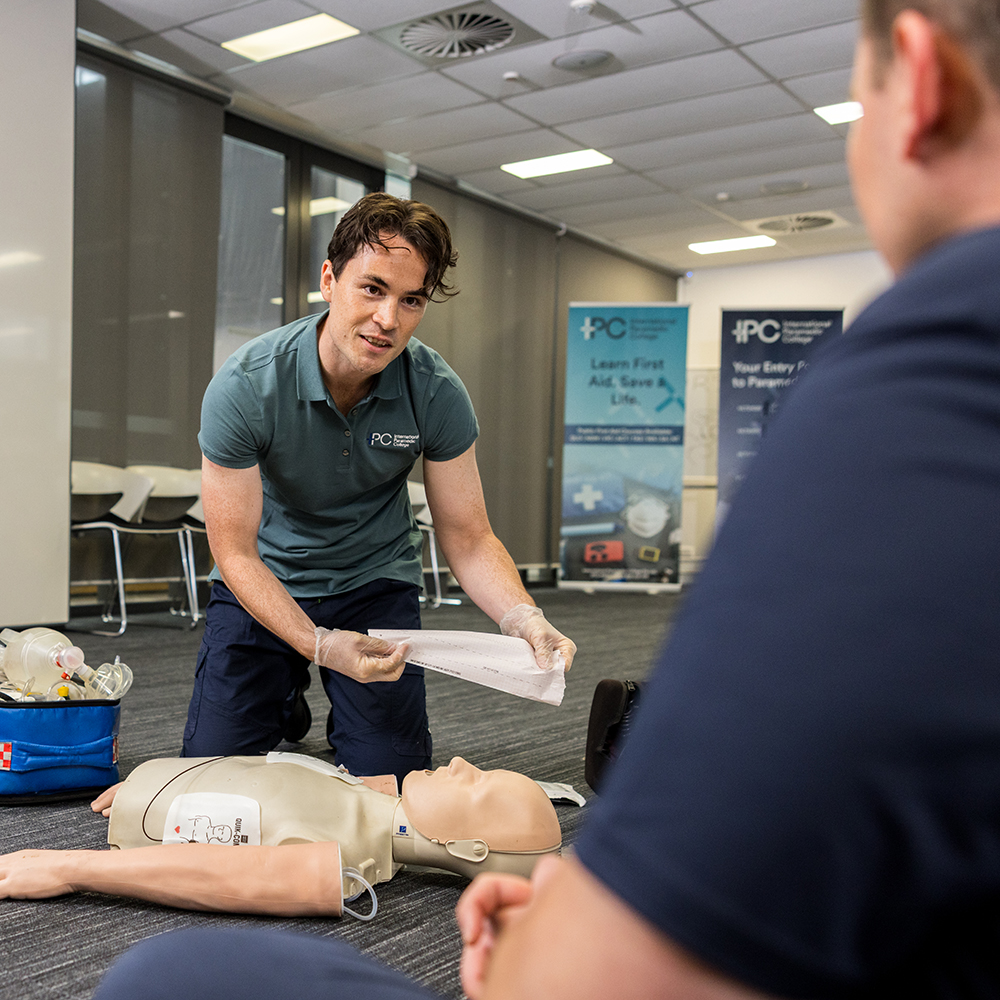
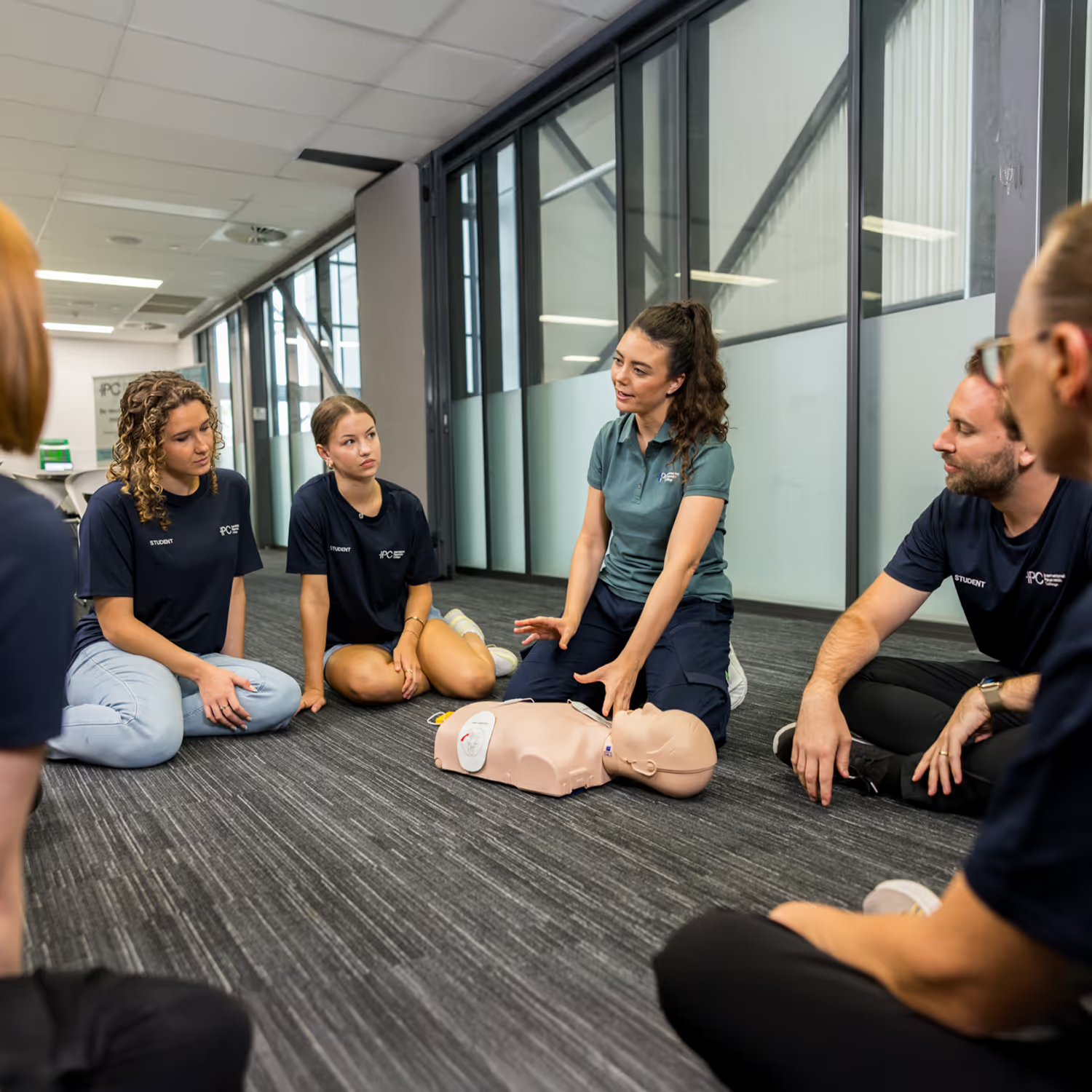
You’ll teach learners how to respond to emergencies like a cardiac arrest or a serious bleed. They will then practise each skill on manikins while you coach them. Depending on the RTO, you may teach fully face to face or support learners who complete the theory online first. Some RTOs also use simulated emergencies so learners can practise under pressure.
Assessing learners and keeping records
Before anyone receives a statement of attainment, you’ll have to assess and certify whether they can perform each skill. In a CPR course, for example, learners need to show at least two minutes of uninterrupted CPR on a manikin on the floor. You’ll also complete the assessment paperwork your RTO needs to meet its compliance obligations.
Travelling to client sites
Many courses take place at the client’s workplace, so you’ll often drive to offices and worksites in your own car. Some roles cover regional and remote areas, which is why most employers will ask for a current driver’s licence.
Setting up and packing down equipment
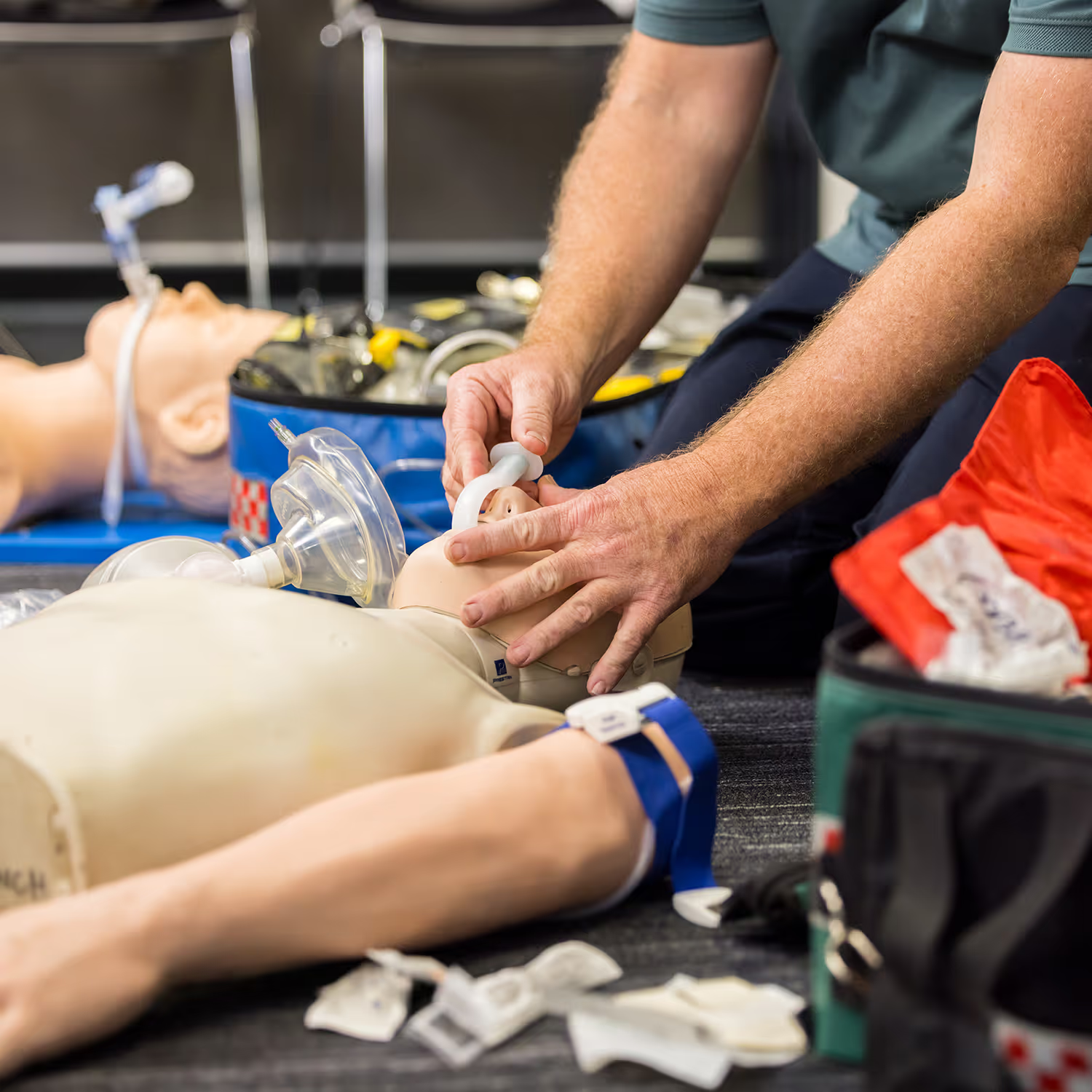
When you arrive, you’ll set up adult and infant CPR manikins alongside the rest of your trainer kit. After class, you’ll pack everything back into your car for the next session. Employers expect you to handle this yourself, so you’ll have to lift and carry items regularly.


What health and safety trainers earn
Most first aid trainers work casually under the Education Services (Post-Secondary Education) Award. Employers must pay a new trainer at least $62.88 an hour for a session under five hours. For sessions of five hours or more, the minimum is $314.41 a day. Both rates include the 25% casual loading. Trainers advance on one pay level for each year of experience, up to a minimum of $75.93 an hour. For casual trainers, the award counts 800 face-to-face teaching hours as one year. These are award minimums, and actual rates vary depending on the level of content you’re training or assessing, so a first aid trainer won’t necessarily earn the same as a TAFE teacher.
Health and safety trainers in permanent roles can earn more. The average salary for trainer and assessor jobs in Australia is between $90,000 and $110,000 a year, according to SEEK, though that figure covers trainers in every industry.
Figures are indicative. What you earn depends on your employer, your state, your classification and your roster.
Where a health and safety trainer career can take you
Once you’ve taught first aid for a while, you can expand the courses you deliver or train other trainers:
- Advanced first aid trainer: You can teach advanced courses to workplace first aiders with HLTAID014 Provide Advanced First Aid and HLTAID015 Provide Advanced Resuscitation and Oxygen Therapy. Some employers ask for both before they’ll hire you for these classes.
- WHS course trainer: To deliver the Certificate IV in Work Health and Safety (BSB41419), you’ll need WHS skills at least to that level. You can show those skills with experience as a WHS officer.
- HSR trainer: In NSW, SafeWork NSW must approve you before you can deliver health and safety representative training. HSRs are entitled to a five-day initial course and a one-day refresher each year, according to SafeWork NSW.
- TAE trainer: You’ll need a diploma like the Diploma of Vocational Education and Training (TAE50122) to teach the Certificate IV in Training and Assessment.
Where the jobs are
Many first aid trainer roles are with RTOs that specialise in first aid and CPR courses. Charities and community organisations also deliver first aid training to the public, as do surf life saving organisations through their commercial training arms. In mining, some training providers hire trainers with a mining background on fly-in fly-out (FIFO) rosters. No matter where you end up working, expect to travel, as many employers send trainers to regional and remote towns to teach on site.
Who this pathway is for
- Paramedics and nurses who want to teach the skills they use at work
- Workplace first aiders ready to teach the courses they’ve completed
- Confident speakers who like to teach groups of adults
- People who want casual work they can fit around other commitments
Skills you’ll build along the way
- Teach first aid and CPR to groups of adults
- Coach learners as they practise on manikins
- Assess whether each learner can perform every skill
- Complete accurate assessment records for your RTO
- Explain current ANZCOR guidelines in plain language
A simple health and safety trainer training sequence
You don’t need to finish every qualification before you start teaching. Follow this order to start delivering courses as early as possible:
Complete HLTAID011 Provide First Aid with IPC first, since your first aid skills must be at least at the level of the courses you teach. If you plan to teach childcare or school staff, add HLTAID012 Provide First Aid in an Education and Care Setting.

We don’t deliver the Certificate IV in Training and Assessment, so you’ll have to enrol with another RTO. Employers require it, though some will hire you while you’re still studying.
You can begin delivering courses while you study as long as a qualified teacher directs your work. You’ll need to finish TAE within two years of starting it.
Once you complete it, you can deliver and assess courses on your own. From there, you can add advanced first aid units to teach a wider range of courses.
Do you need a qualification?
Yes. You need a Certificate IV in Training and Assessment to deliver and assess nationally recognised training on your own. The current version is TAE40122, but the older TAE40116 and TAE40110 still count under the Australian Government’s Credential Policy for RTO trainers. Your RTO must also show that your first aid skills are current and at least as high as the course you’re teaching.
You don’t need a clinical background to teach first aid. Some employers prefer paramedics or nurses, but no rule requires it. Most employers also ask for a Working with Children Check, since you might be teaching at schools and childcare centres. Many also ask for a National Police Check for those same reasons.
First aid and CPR courses
You’ll teach first aid and CPR, so you must have those skills yourself. Employers usually ask trainers to complete the courses they deliver and to keep their certificates current since your RTO has to show that your skills are up to date. You can start with one of IPC’s first aid and CPR courses:
HLTAID011: Provide First Aid
Nationally recognised First Aid training with online theory and face-to-face practicals. Includes HLTAID009 Provide Cardiopulmonary Resuscitation.
HLTAID012 First Aid in an Education & Care Setting
Designed for educators and childcare workers, this course focuses on responding to emergencies involving infants and children, meeting ACECQA and regulatory requirements. Includes HLTAID009 Provide Cardiopulmonary Resuscitation.
HLTAID014 Provide Advanced First Aid
Build advanced response skills for managing complex incidents, prolonged care, and multiple casualties. Suited to workplace first aid officers and high-risk environments.
How to follow the right progression
You don’t need to have everything mapped out on day one. Start with a realistic step, then build a clear course progression plan as you go.
Choose your starting level
Pick the qualification level that suits your current confidence and experience so your learning feels achievable.
Build skills through structured training
Complete your learning at a steady pace, focusing on competence rather than rushing, so you’re well-prepared for the next step.
Progress to the next qualification stage
When you’re ready, move up to the next level in the paramedic training sequence with clearer direction and stronger foundations.
Roles that connect with this pathway
The first aid and safety skills you teach are the same ones these workers use on the job. If you want frontline experience before you teach, take a look at these pathways:
FAQs
Below, we’ve answered common questions about becoming a health and safety trainer.
Can you teach first aid without a Certificate IV in Training and Assessment?
Yes, but only under direct supervision. Once you’ve started the TAE40122, you can deliver training while a qualified trainer directs your work. You can’t make any assessment decisions until you finish. The Workplace Trainer Skill Set (TAESS00020) also lets you train under direction.
Do you need to be a nurse or paramedic to teach first aid?
No. No national or state rule requires a clinical background, but some employers do prefer candidates with emergency or nursing experience.
Do first aid trainers work full time?
Most work casually, though some RTOs offer permanent part-time roles of two or three days a week. Under the award, a casual trainer must be paid for at least two hours per engagement.
Can you become a first aid trainer with no experience?
Yes. Many employers prefer applicants who have delivered training before, and some ask for a few years of experience. Others will hire you while you’re still completing the TAE.
Why IPC is a smart place to begin
International Paramedic College supports your health and safety trainer pathway by keeping learning practical and helping you understand what to do next.
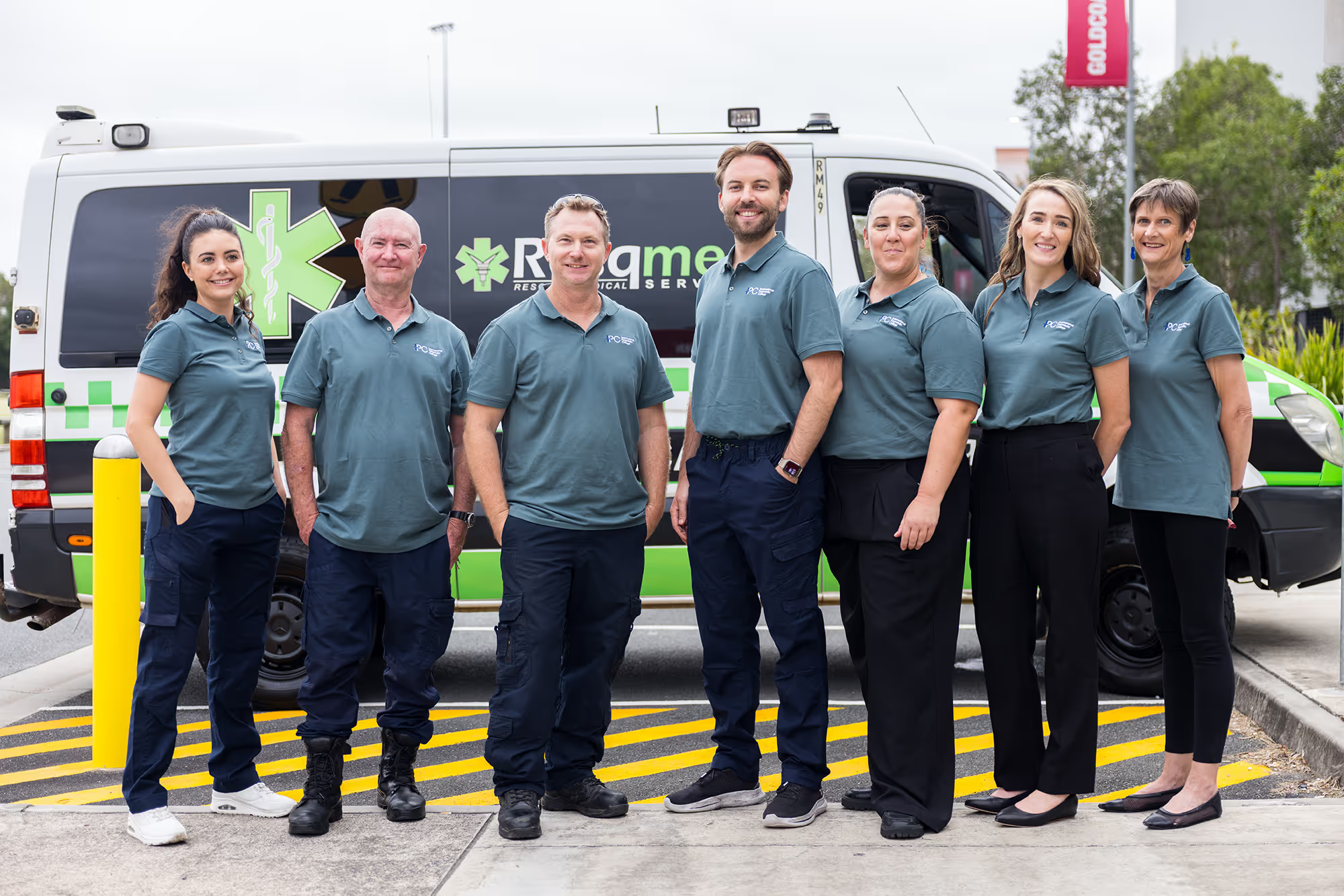

Training with real-world focus
Practical skill development and scenario thinking that's built for emergency-care readiness.

Clear progression support
We help you understand your next step in the paramedic training pathway.

Confidence-building structure
A guided learning model that keeps things achievable and goal-oriented.
Recognised training standards
When you’re working towards a health and safety trainer role, you want training that’s credible and consistent.
Registered Training Organisation (RTO 45284)
International Paramedic College is an ASQA-approved Registered Training Organisation (RTO 45284) that delivers nationally recognised training and qualifications in Australia.

Nationally recognised qualifications
We deliver nationally recognised qualifications and accredited training that support real employment and workplace outcomes.

Certification you can use anywhere
Upon completing training, your results lead to a recognised certification that can be used for employment, workplace compliance, and further study.

What our students say
Students often tell us the biggest difference is clarity. This includes knowing what to study first, what to build next, and how to stay motivated through the process.
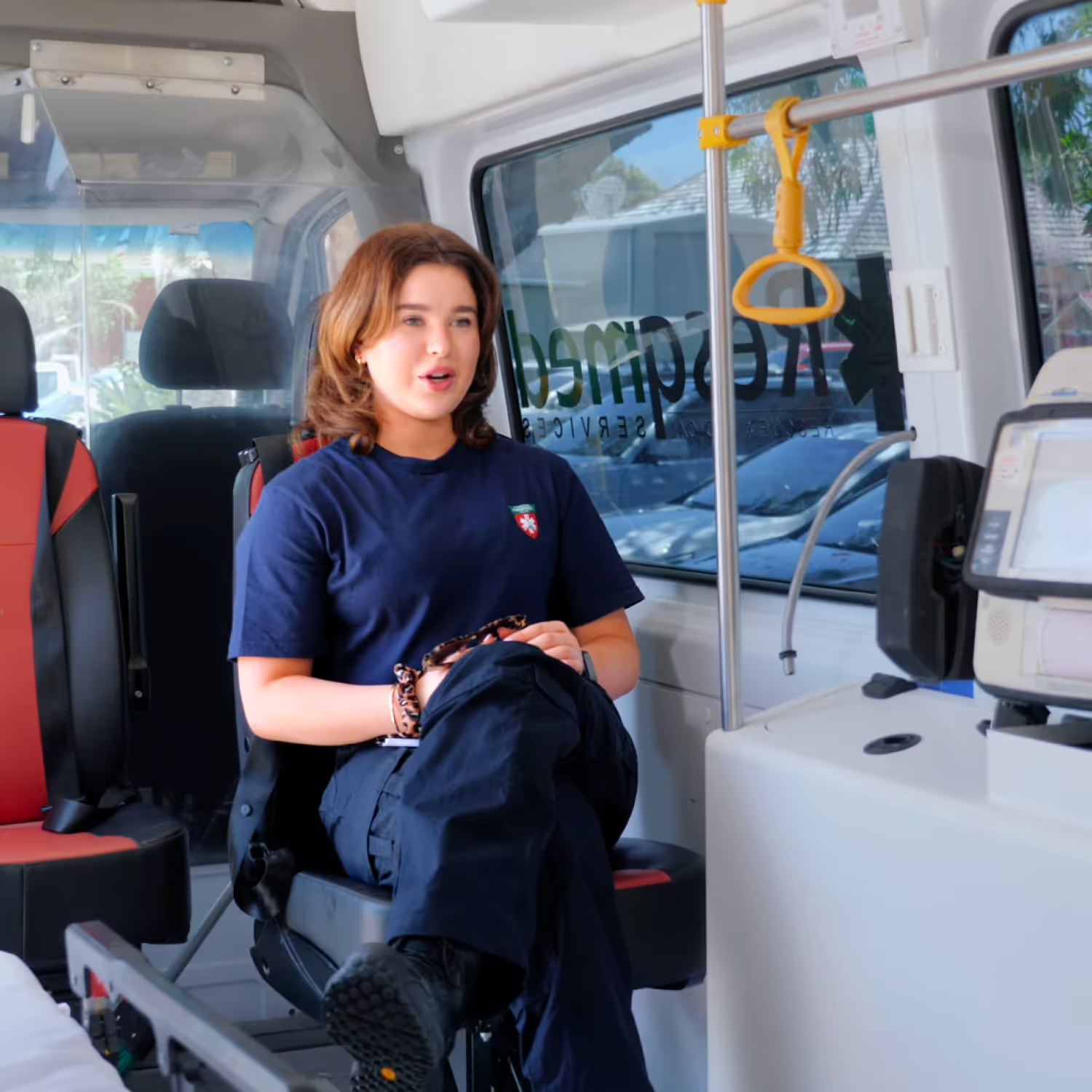
“IPC made learning feel achievable. The trainers explained things clearly, the practical sessions were hands-on, and I finished the course feeling genuinely more confident.”
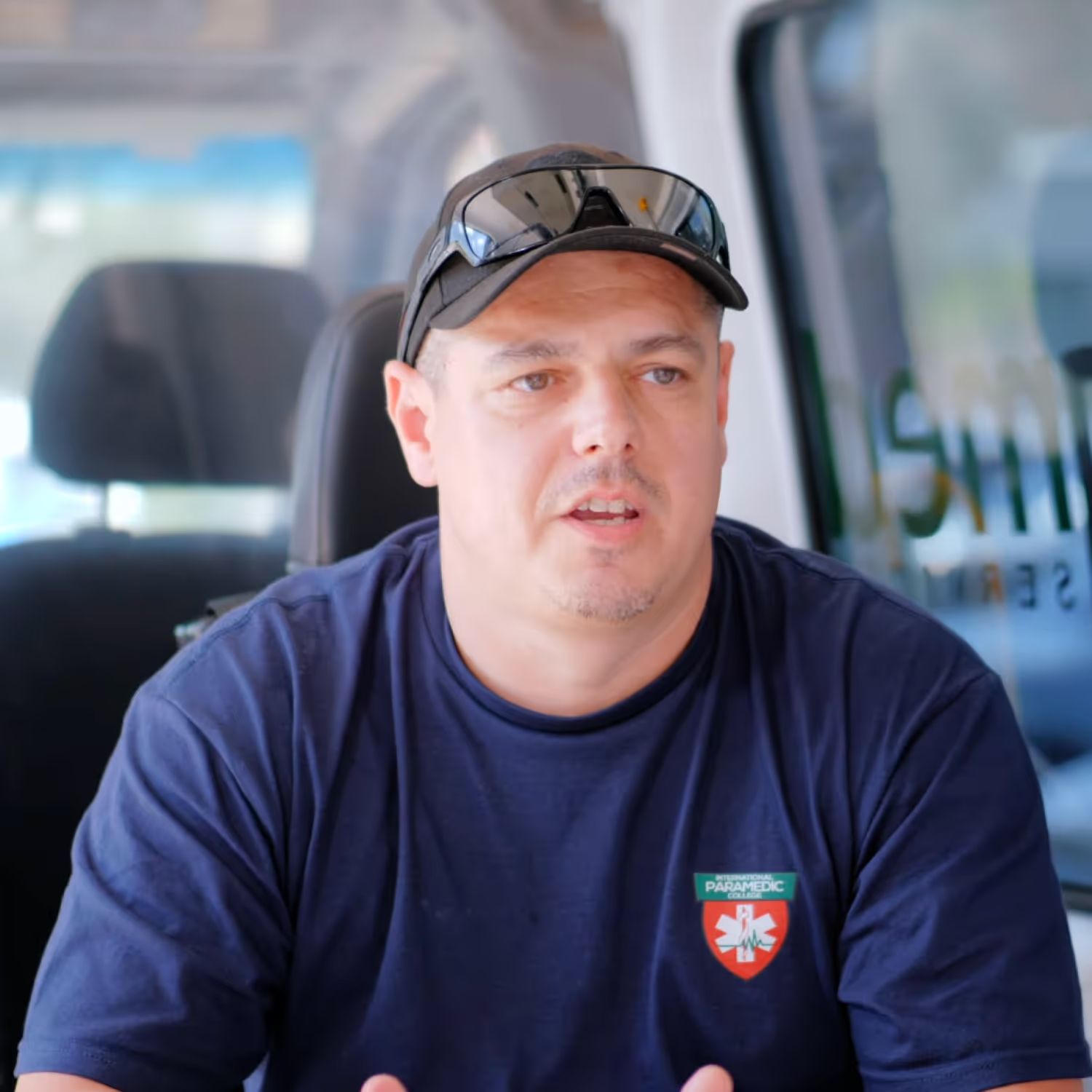
“I chose IPC because when I did research I found they had really good feedback from the students and students coming back to do more courses so I believe it’s the right school for me and the price was really good.”
“The structure was straightforward and the support was there when I needed it. Workshops were practical, and I always knew what I was working toward.”
“I wanted training that felt real. The scenarios, feedback and support helped me build skills I can actually apply, especially when things get stressful.”
“What stood out was how approachable the team is. They teach in a calm, practical way and make sure you understand the ‘why’, not just the steps.”

“I learned more than skills - I learned how to think clearly under pressure. The practical training and feedback helped me feel ready for real-world situations.”

Ready to plan your health and safety trainer pathway?
If you want help choosing the right starting point or mapping your next stage, our team can guide you through your options.
Our licences
Our qualification pathways for health and safety trainer work are built around nationally recognised training and industry-aligned standards.

Insights and guides
Explore these articles to learn more about health and safety trainer work, the qualifications behind it and how your study choices can shape your career.
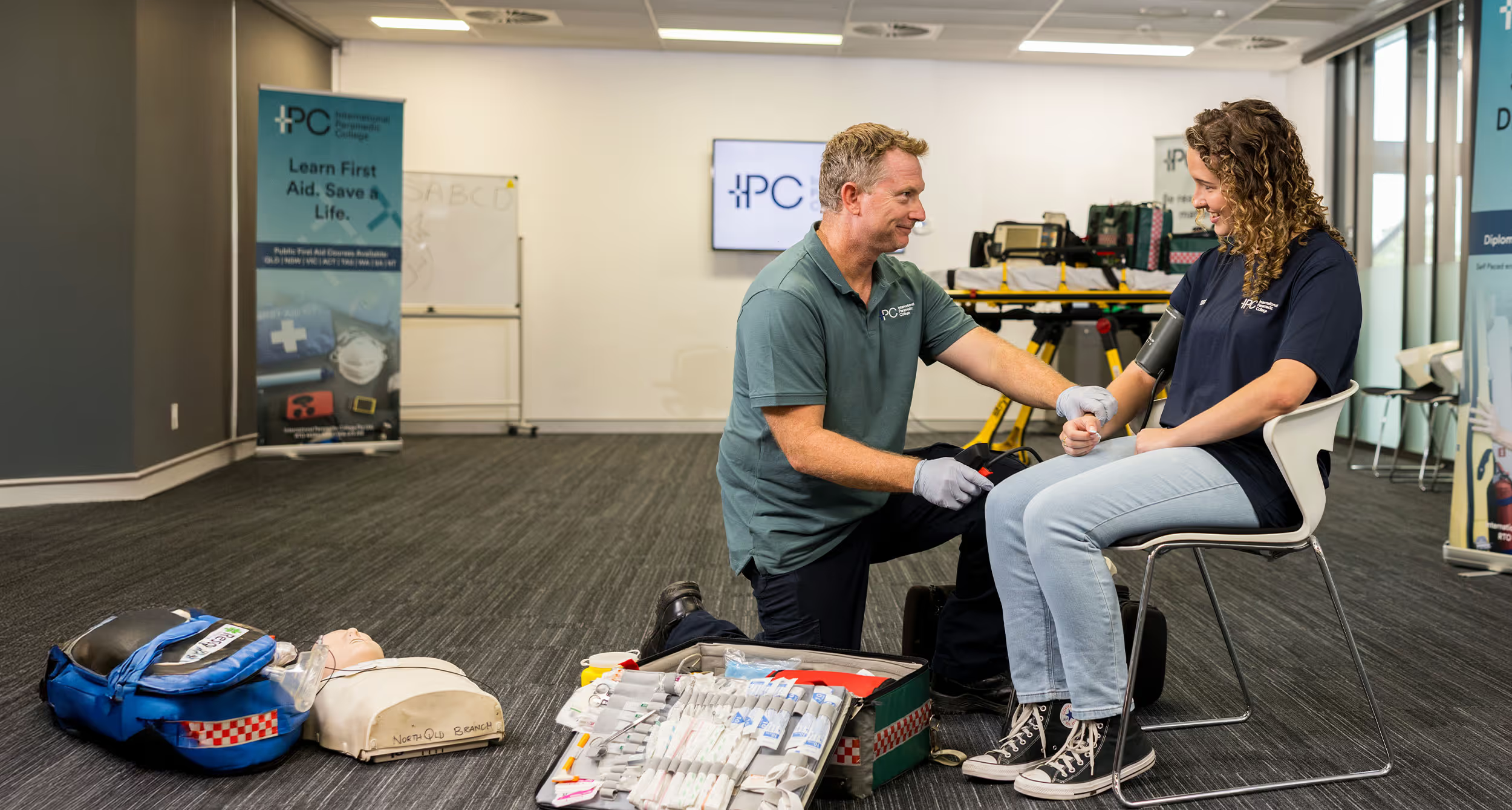

Get help starting your healthcare journey
If you’re exploring entry-level healthcare training, our team can guide you through enrolment, study options, and what to expect from this course.
