


Intensive care paramedic career and qualification pathway
Intensive care paramedics are senior paramedics who treat critically ill and injured patients before they get to the hospital. Queensland and WA call the role critical care paramedic, while Victoria uses MICA paramedic. You’ll need a paramedicine degree and a few years on road before you can apply. In the meantime, you can work in pre-hospital care while you study. Ask an IPC course advisor which qualification fits you best.

Understand the path from certificate to career
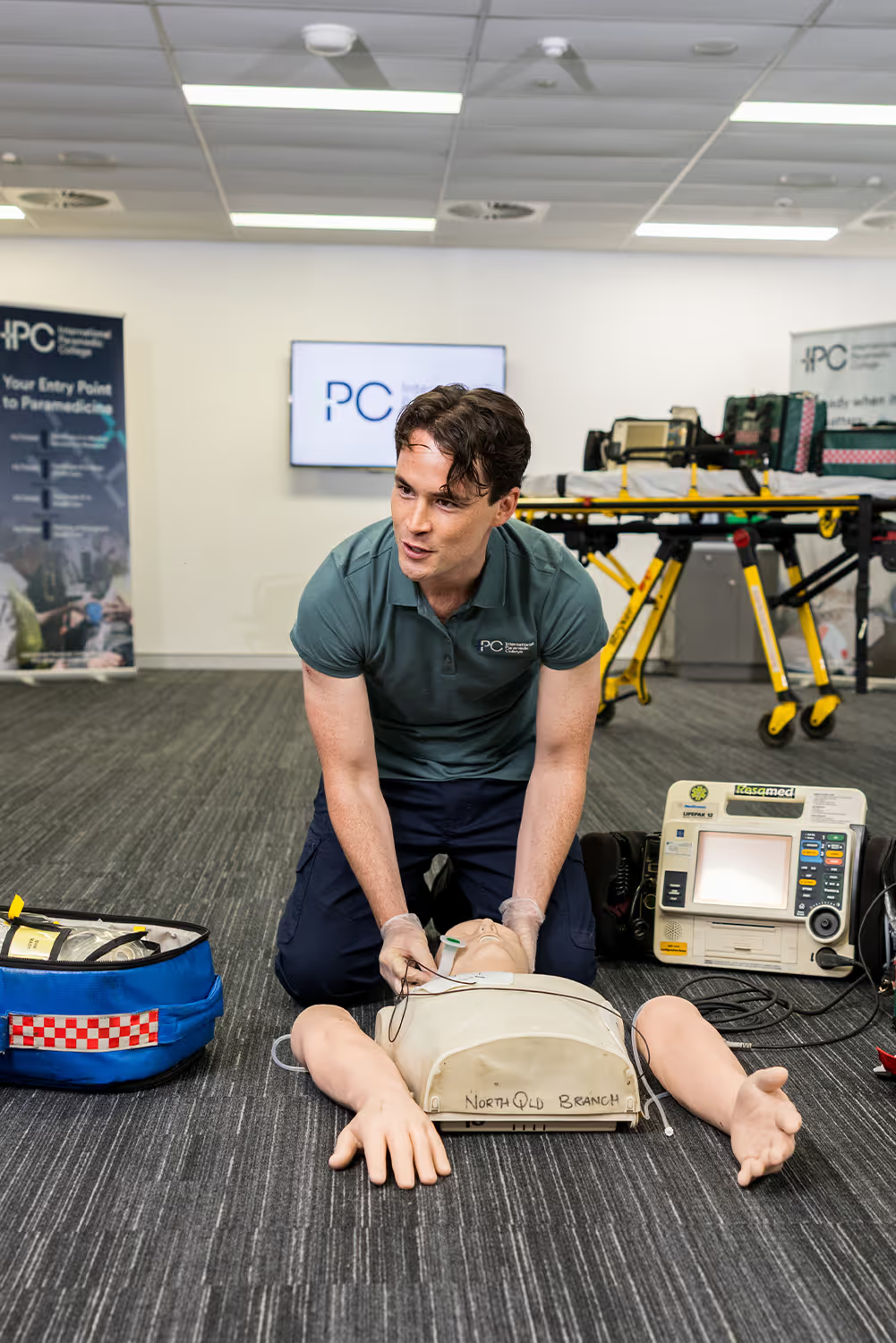
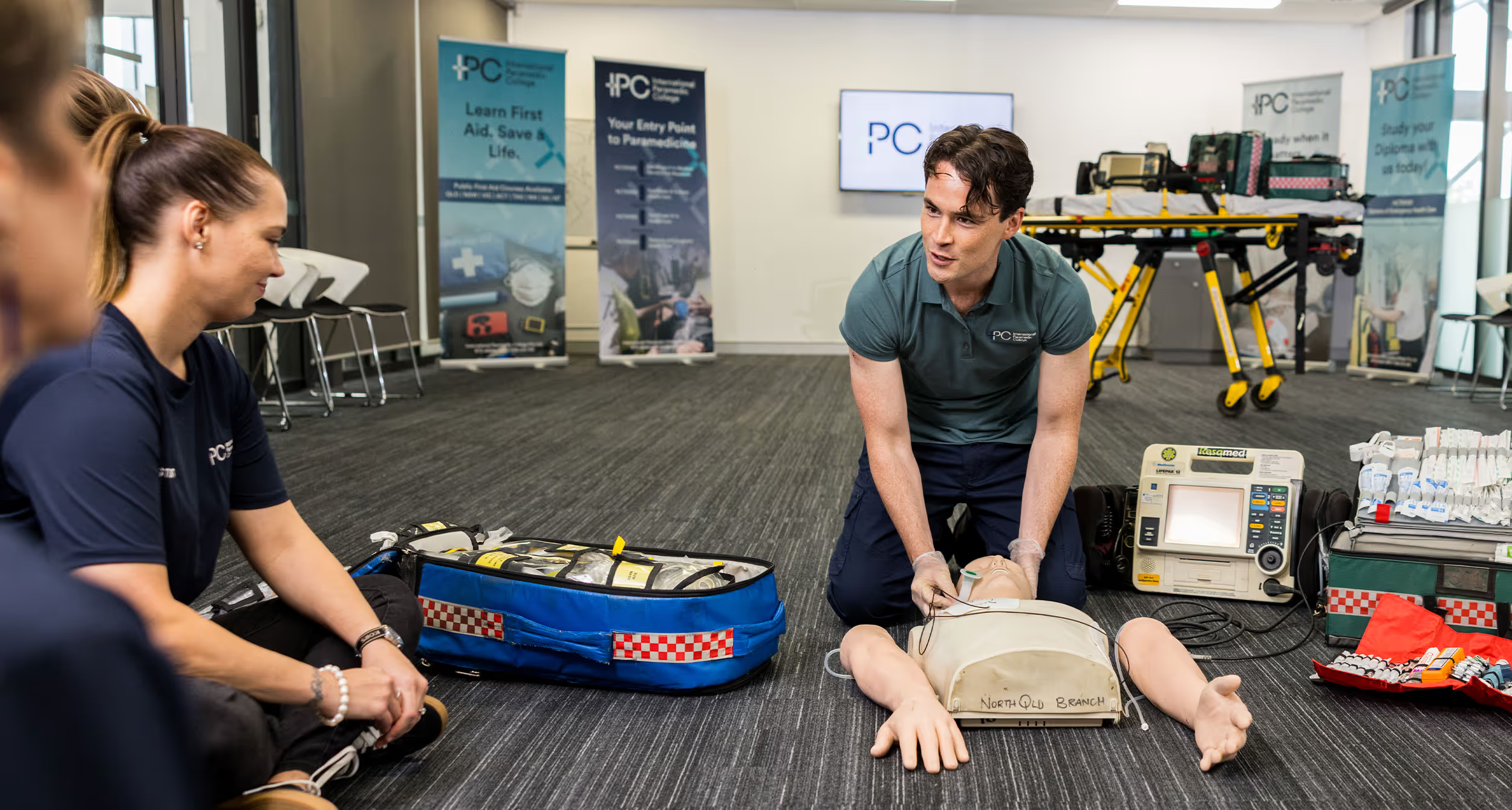
You’ll need to work as a registered paramedic for several years before you can train as an intensive care paramedic. Start with an accredited paramedicine degree, then register with the Paramedicine Board of Australia and join an ambulance service’s graduate program. After a few years on road, you can apply for ICP training. Ambulance Victoria, for example, asks for two years of full-time experience. While you study, you can work in pre-hospital care with IPC’s Diploma of Emergency Health Care.
What does an intensive care paramedic do?
An intensive care paramedic provides specialised care to critically ill or injured patients outside of hospital. They also respond to emergencies where there’s an immediate risk to life and perform procedures outside a standard paramedic’s scope. Some services also ask them to supervise graduate paramedics.
What the job involves
Your service will send you to cases where a patient’s life is at immediate risk. On most shifts, you can expect to handle the following:
Advanced airway management
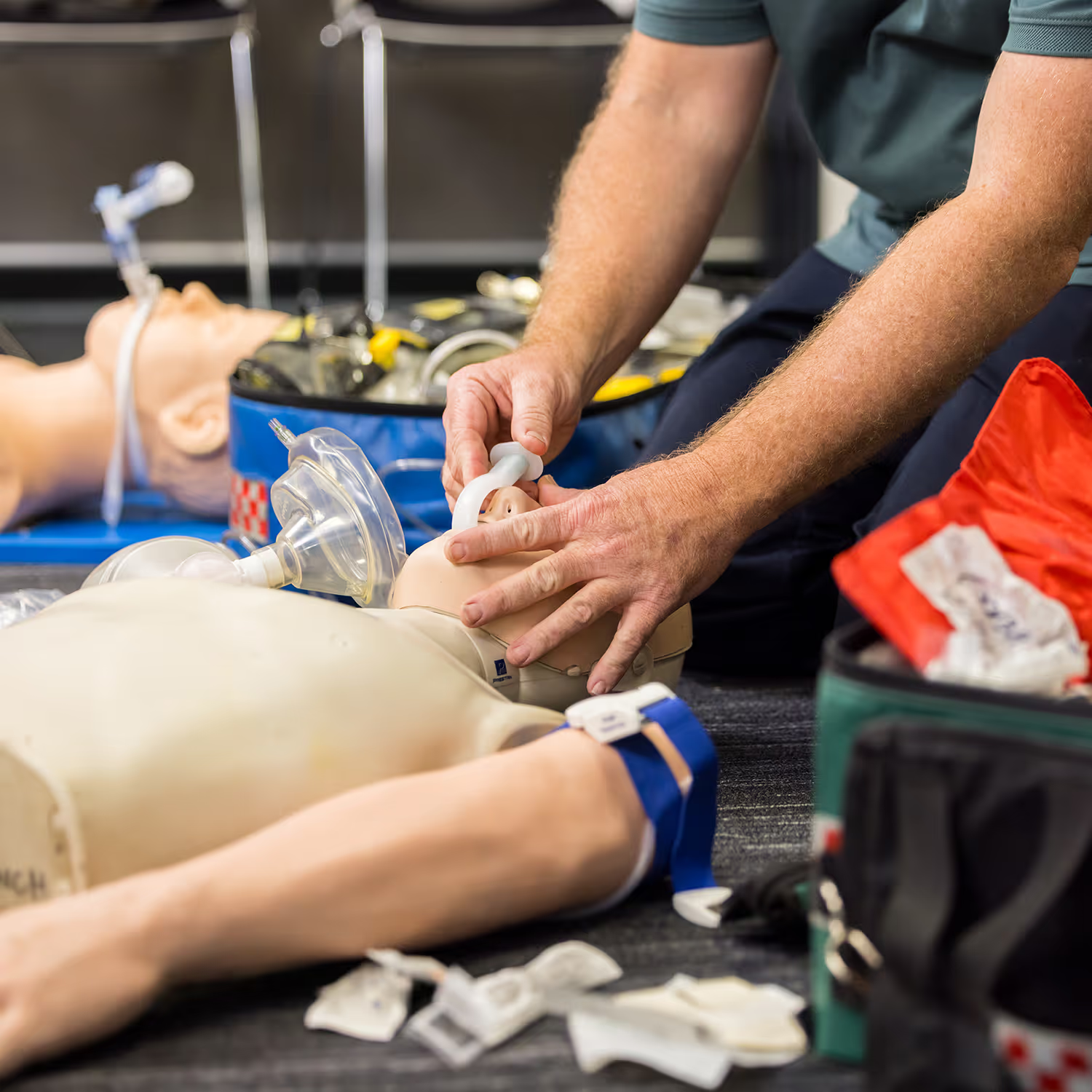
You may need to intubate patients on the scene if they can’t protect their own airway. You’ll have to place a tube into their windpipe so you can control their breathing, which is a tricky procedure. St John NT’s new ICP training also covers mechanical ventilation and care in remote areas.
Trauma and cardiac emergencies
You’ll treat injuries like severe head trauma and life-threatening chest wounds after a serious crash or fall. You’ll also attend cardiac emergencies that need more advanced interventions than a standard crew can provide. In both cases, you’ll have to make complex clinical decisions before the patient gets to the hospital.
Working solo or in a dedicated unit
Depending on your service, you may respond alone or with a partner. Ambulance Victoria’s MICA paramedics can work either way. In NSW, newly trained ICPs consolidate their skills in dedicated intensive care paramedic units for up to two years.
Supervising other paramedics
In the ACT, intensive care paramedics directly supervise graduate interns and student ICPs. On scene, you’ll guide less experienced paramedics through complex cases. Afterwards, you’ll give them feedback on their decisions.


What intensive care paramedics earn
Each state ambulance service sets its own intensive care paramedic salary. In Queensland, critical care paramedics earn between $111,219 and $123,872 a year at Level 3, Band 2. In NSW, intensive care paramedics earn between $2,077.94 and $2,204.49 a week under the 2026 award, or about $108,350 to $114,950 a year. Night and weekend penalties are paid on top of those base rates, so your salary could be much higher depending on your roster.
Figures are indicative. What you earn depends on your employer, your state, your classification and your roster.
Where an intensive care paramedic career can take you
Once you’ve worked as an ICP, you can specialise further or teach other paramedics:
- Flight paramedics: You can join an aeromedical team that treats critically ill patients in helicopters and planes. Under its 2026 award, NSW Ambulance classifies these roles as Critical Care Paramedic (Aeromedical), one level above ICP.
- Rescue paramedic: NSW Ambulance pays a technical specialist allowance to paramedics in its Special Operations Team and accredited rescue units. Jobs and Skills Australia lists its flight and rescue work as specialisations of critical care paramedic.
- Clinical educator: If you already supervise graduates in your service, you can turn that experience into a full-time teaching role. Most clinical educator roles also require a postgraduate qualification in education.
- Private and industrial ICP: Some private providers hire ICPs for events, defence and mining work. Expect them to ask for AHPRA registration plus a current ICP authority to practise or a recognised critical care qualification.
Where the jobs are
Every state and territory ambulance service employs intensive care paramedics, though each one uses its own title. About 1,500 people work as critical care paramedics in Australia, according to JSA. NSW Ambulance has trained 880 ICPs, and it deployed 37 newly trained ICPs to regional NSW in 2025-26. Victoria had a workforce of 586 MICAs as of March 2025. Outside state services, a small number of private providers hire ICPs for events and mining work.
Who this pathway is for
- Registered paramedics who want to treat the most critically ill patients
- Paramedicine students planning their long-term career
- Paramedics who stay calm and decisive under pressure
- Experienced clinicians who want to mentor graduate paramedics
Skills you’ll build along the way
- Manage a patient’s airway when they can’t breathe on their own
- Treat severe head, chest and cardiac emergencies on scene
- Make complex clinical decisions without a doctor present
- Supervise and give feedback to graduate paramedics
- Lead a crew through high-pressure cases
Recommended courses
IPC doesn’t deliver a full paramedicine degree or ICP training. However, you can still use an IPC qualification to work in pre-hospital care while you study. The Diploma of Emergency Health Care is the closest fit to a paramedic’s scope. The Certificate IV suits EMT and ambulance support roles, while the Certificate III gets you started in patient transport:
HLT51020: Diploma of Emergency Health Care
Our flagship qualification for pre-hospital care is delivered online, with hands-on workshops.
HLT41120: Certificate IV in Health Care
A strong foundation in emergency health care, with online learning and practical training.
HLT31120: Certificate III in Non-Emergency Patient Transport (NEPT)
Train for patient transport work in a structured, supportive learning model.
A simple intensive care paramedic training sequence
It takes about ten years of study and experience to become an ICP. Here’s the usual order:
An IPC qualification lets you gain patient experience as an event medic or EMT while you complete your degree.

You’ll need a paramedicine degree approved by the Paramedicine Board of Australia before you can register as a paramedic.
Each state ambulance service has its own graduate program, which you’ll complete under supervision as an ambulance paramedic. Plan to spend at least two years on road before you apply for ICP training.
NSW Ambulance trains ICPs through a 27-week in-house program. Ambulance Victoria requires a graduate diploma in critical care paramedicine before its MICA bridging program.
Do you need a qualification?
Yes. Every intensive care paramedic needs general registration as a paramedic, which requires an accredited paramedicine degree. There’s no separate registration for ICPs yet. The Paramedicine Board of Australia consulted on a proposal to regulate advanced practice paramedics in 2025, but it hasn’t introduced an endorsement.
Beyond registration, your service decides which qualification you need. For example, Queensland Ambulance Service asks critical care paramedics who join from other services for a graduate diploma in intensive care or critical care paramedicine. NSW Ambulance trains its ICPs through its own program.
First aid and CPR courses
Every ICP skill starts with first aid and CPR. If you’re still deciding on paramedicine, a short course gives you hands-on practice with the basics before you have to commit to a full degree. You can start with one of IPC’s first aid and CPR courses:
HLTAID011: Provide First Aid
Nationally recognised First Aid training with online theory and face-to-face practicals. Includes HLTAID009 Provide Cardiopulmonary Resuscitation.
HLTAID014 Provide Advanced First Aid
Build advanced response skills for managing complex incidents, prolonged care, and multiple casualties. Suited to workplace first aid officers and high-risk environments.
HLTAID015 Advanced Resuscitation & Oxygen Therapy
Learn advanced airway management, oxygen delivery, and resuscitation techniques. Commonly required for healthcare, emergency response, and security roles.
How to follow the right progression
You don’t need to have everything mapped out on day one. Start with a realistic step, then build a clear course progression plan as you go.
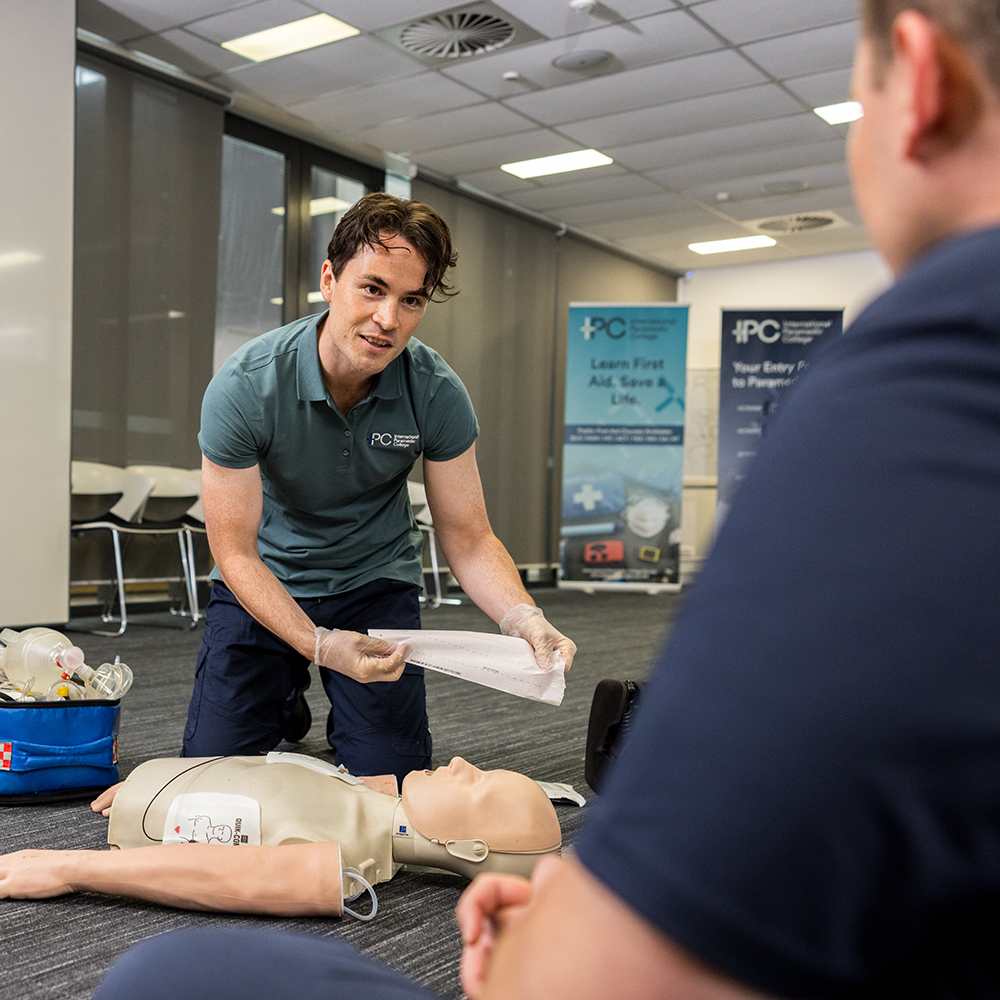
Choose your starting level
Pick the qualification level that suits your current confidence and experience so your learning feels achievable.
Build skills through structured training
Complete your learning at a steady pace, focusing on competence rather than rushing, so you’re well-prepared for the next step.
Progress to the next qualification stage
When you’re ready, move up to the next level in the paramedic training sequence with clearer direction and stronger foundations.
Roles that connect with this pathway
Every ICP starts as a registered paramedic. Explore these related pathways to plan the roles you’ll work in before and after ICP training:
FAQs
Below, we’ve answered common questions about becoming an intensive care paramedic.
How many intensive care paramedics are there in Australia?
About 1,500, according to Jobs and Skills Australia. Most work full time and their median age is 43.
Do you need a separate registration to work as an ICP?
No. ICPs have the same general registration as every other paramedic. Each ambulance service sets its own training and authority to practise for the role.
How long is ICP training in NSW?
NSW Ambulance’s ICP program takes 27 weeks. You’ll spend eight weeks in the classroom, five weeks on hospital and clinical placements and 14 weeks on road with ICP mentors. After you graduate, you’ll consolidate your skills in a dedicated ICP unit for up to two years.
How many paramedics train as ICPs each year?
Intakes are small. NSW Ambulance trained 41 ICPs across three cohorts in 2026. Ambulance Victoria started 24 MICA interns in February 2026, after 44 the year before.
Can you train as an intensive care paramedic in the Northern Territory?
Yes. St John NT launched a two-year ICP training pathway in July 2026, developed with support from NSW Ambulance. Its first six paramedics have since started training in Darwin.
Why IPC is a smart place to begin
International Paramedic College supports your intensive care paramedic pathway by keeping learning practical and helping you understand what to do next.
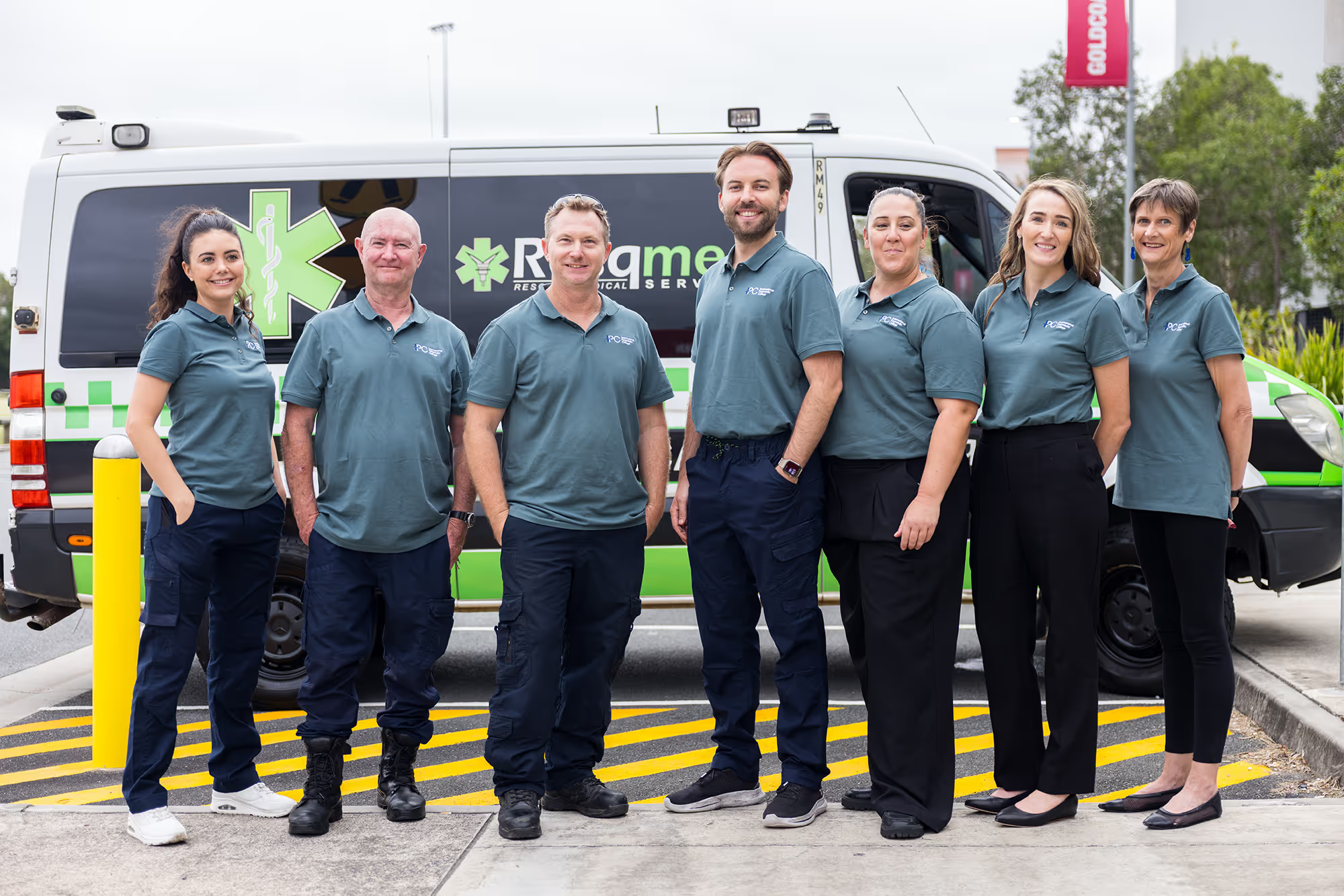

Training with real-world focus
Practical skill development and scenario thinking that's built for emergency-care readiness.

Clear progression support
We help you understand your next step in the paramedic training pathway.

Confidence-building structure
A guided learning model that keeps things achievable and goal-oriented.
Recognised training standards
When you’re working towards an intensive care paramedic role, you want training that’s credible and consistent.
Registered Training Organisation (RTO 45284)
International Paramedic College is an ASQA-approved Registered Training Organisation (RTO 45284) that delivers nationally recognised training and qualifications in Australia.

Nationally recognised qualifications
We deliver nationally recognised qualifications and accredited training that support real employment and workplace outcomes.

Certification you can use anywhere
Upon completing training, your results lead to a recognised certification that can be used for employment, workplace compliance, and further study.

What our students say
Students often tell us the biggest difference is clarity. This includes knowing what to study first, what to build next, and how to stay motivated through the process.
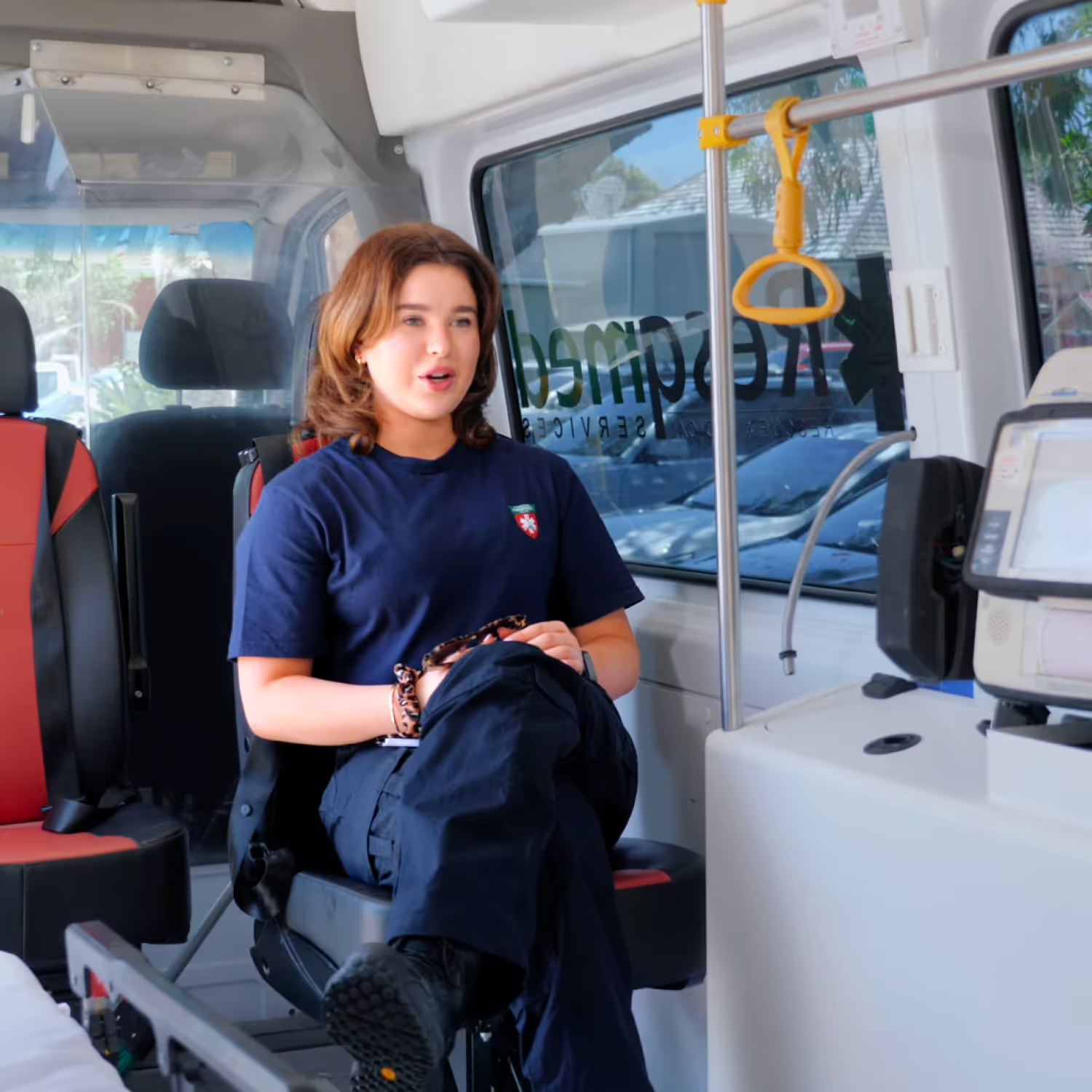
“IPC made learning feel achievable. The trainers explained things clearly, the practical sessions were hands-on, and I finished the course feeling genuinely more confident.”
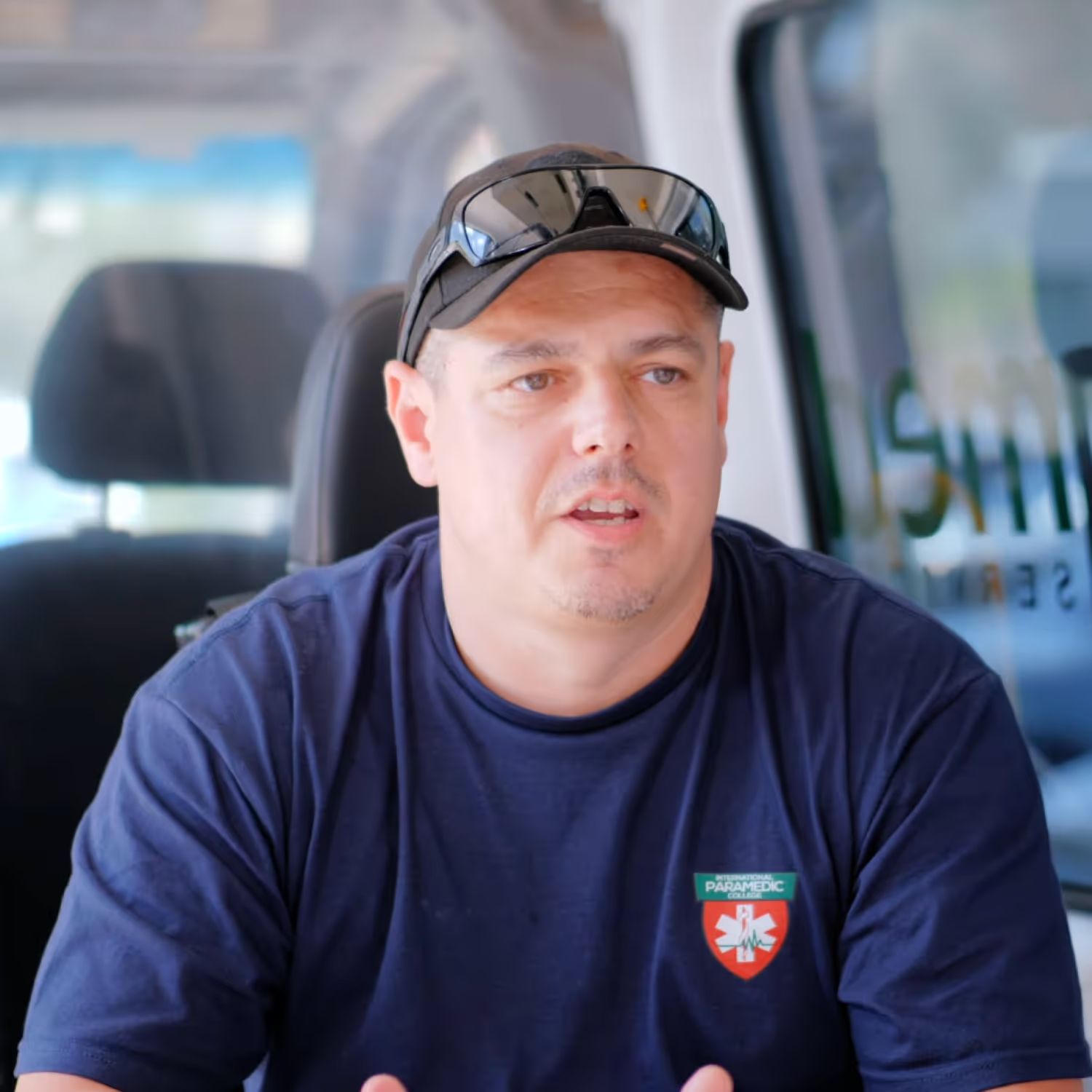
“I chose IPC because when I did research I found they had really good feedback from the students and students coming back to do more courses so I believe it’s the right school for me and the price was really good.”
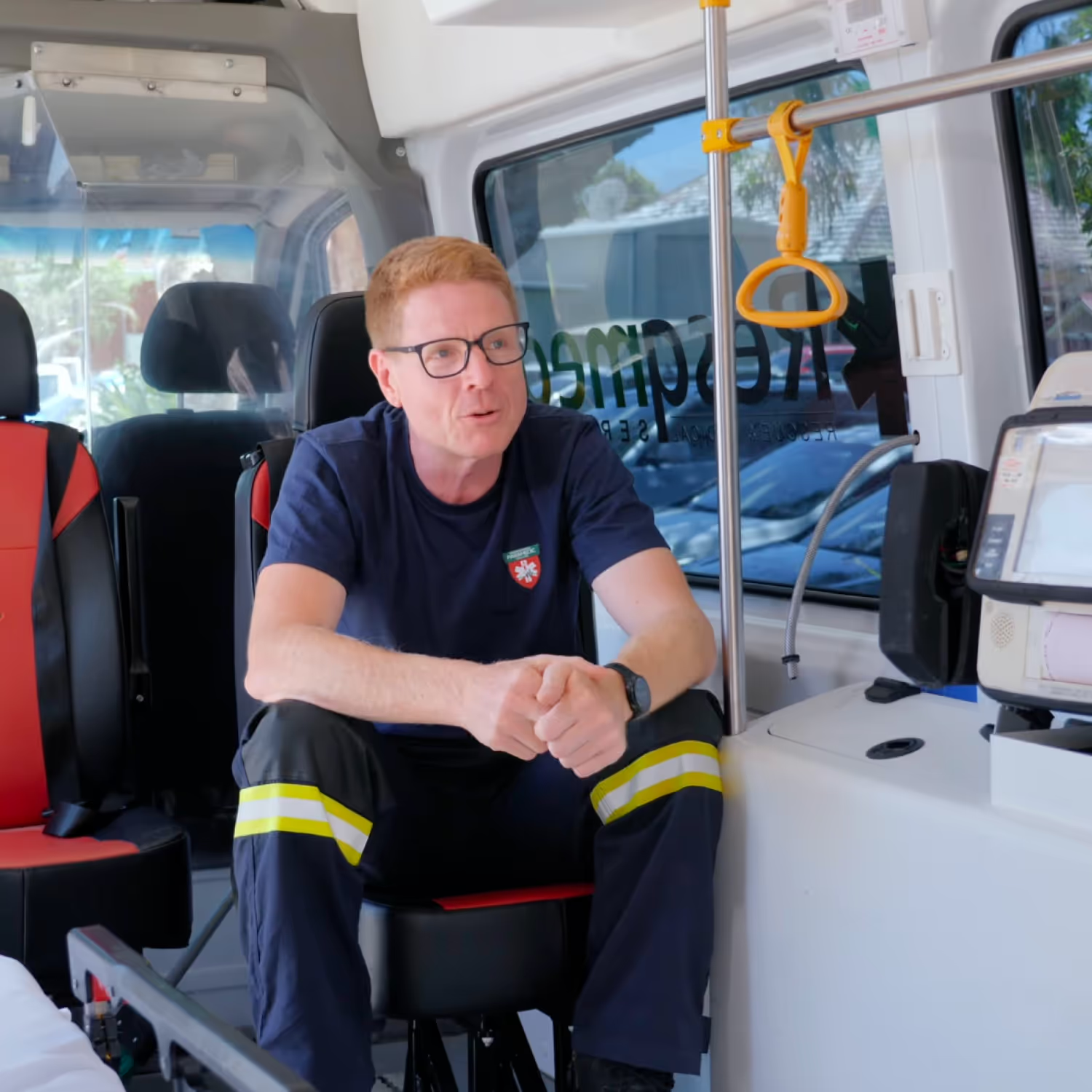
“The structure was straightforward and the support was there when I needed it. Workshops were practical, and I always knew what I was working toward.”
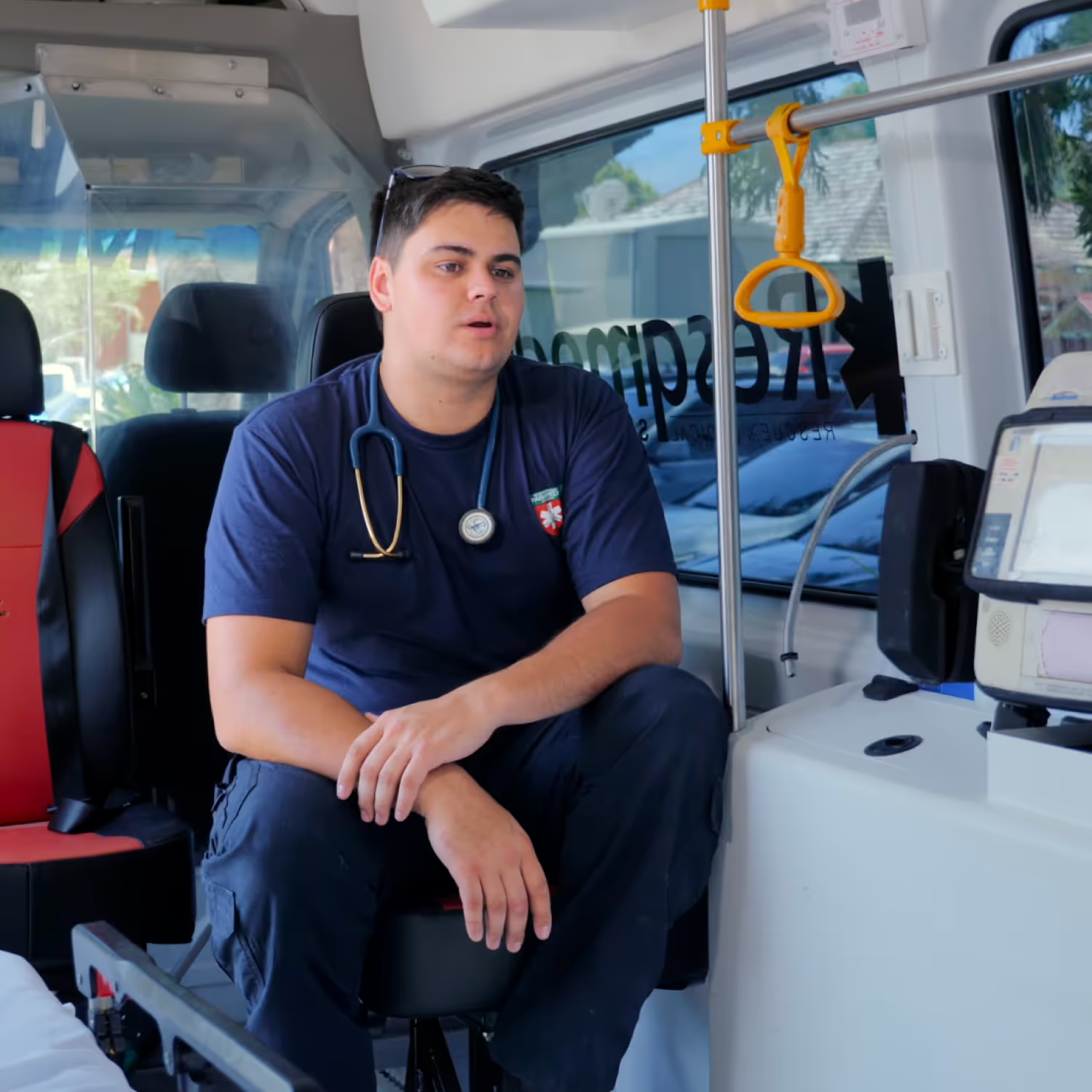
“I wanted training that felt real. The scenarios, feedback and support helped me build skills I can actually apply, especially when things get stressful.”
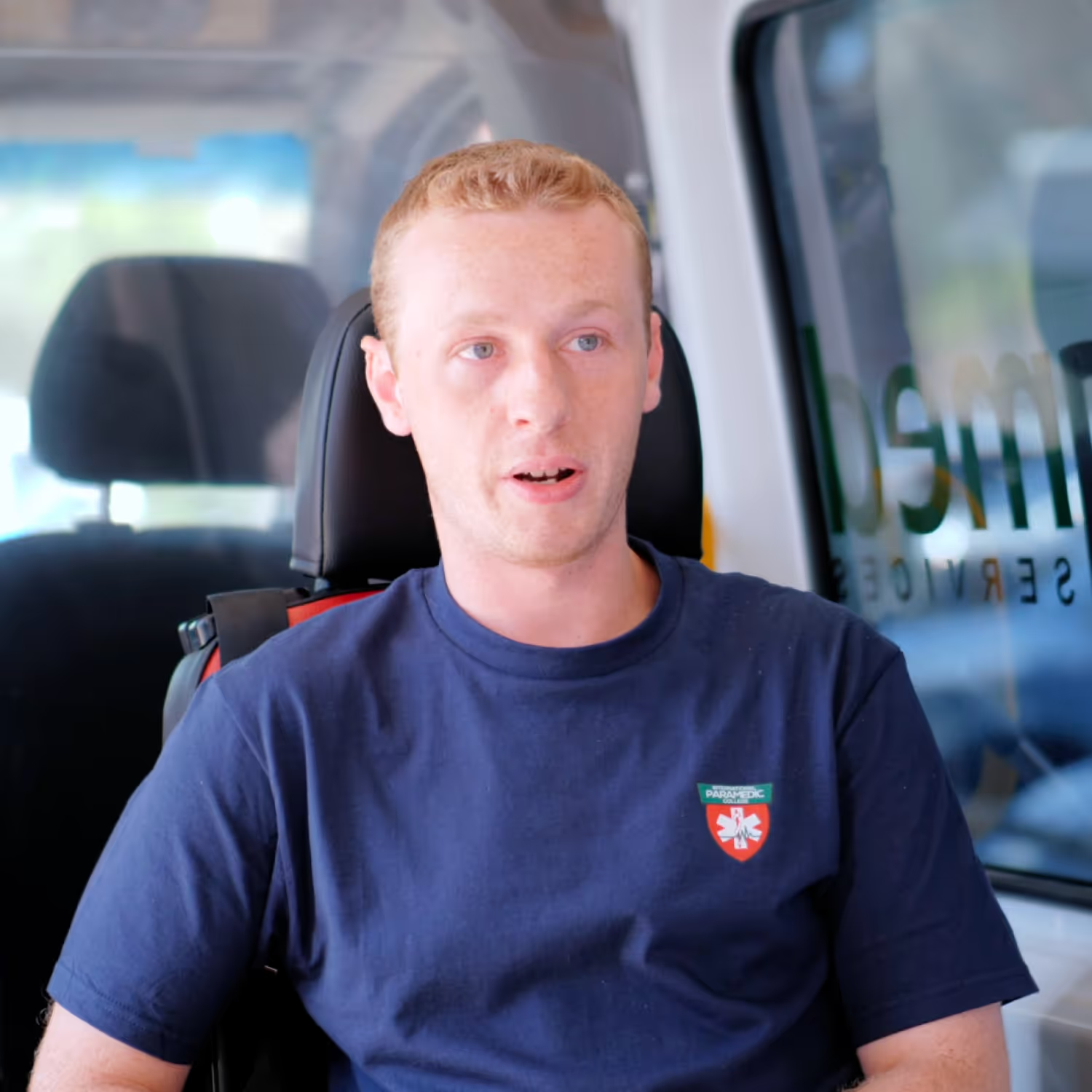
“What stood out was how approachable the team is. They teach in a calm, practical way and make sure you understand the ‘why’, not just the steps.”

“I learned more than skills - I learned how to think clearly under pressure. The practical training and feedback helped me feel ready for real-world situations.”

Ready to plan your intensive care paramedic pathway?
If you want help choosing the right starting point or mapping your next stage, our team can guide you through your options.
Our licences
Our qualification pathways for intensive care paramedic work are built around nationally recognised training and industry-aligned standards.

Insights and guides
Explore these articles to learn more about intensive care paramedic work, the qualifications behind it and how your study choices can shape your career.
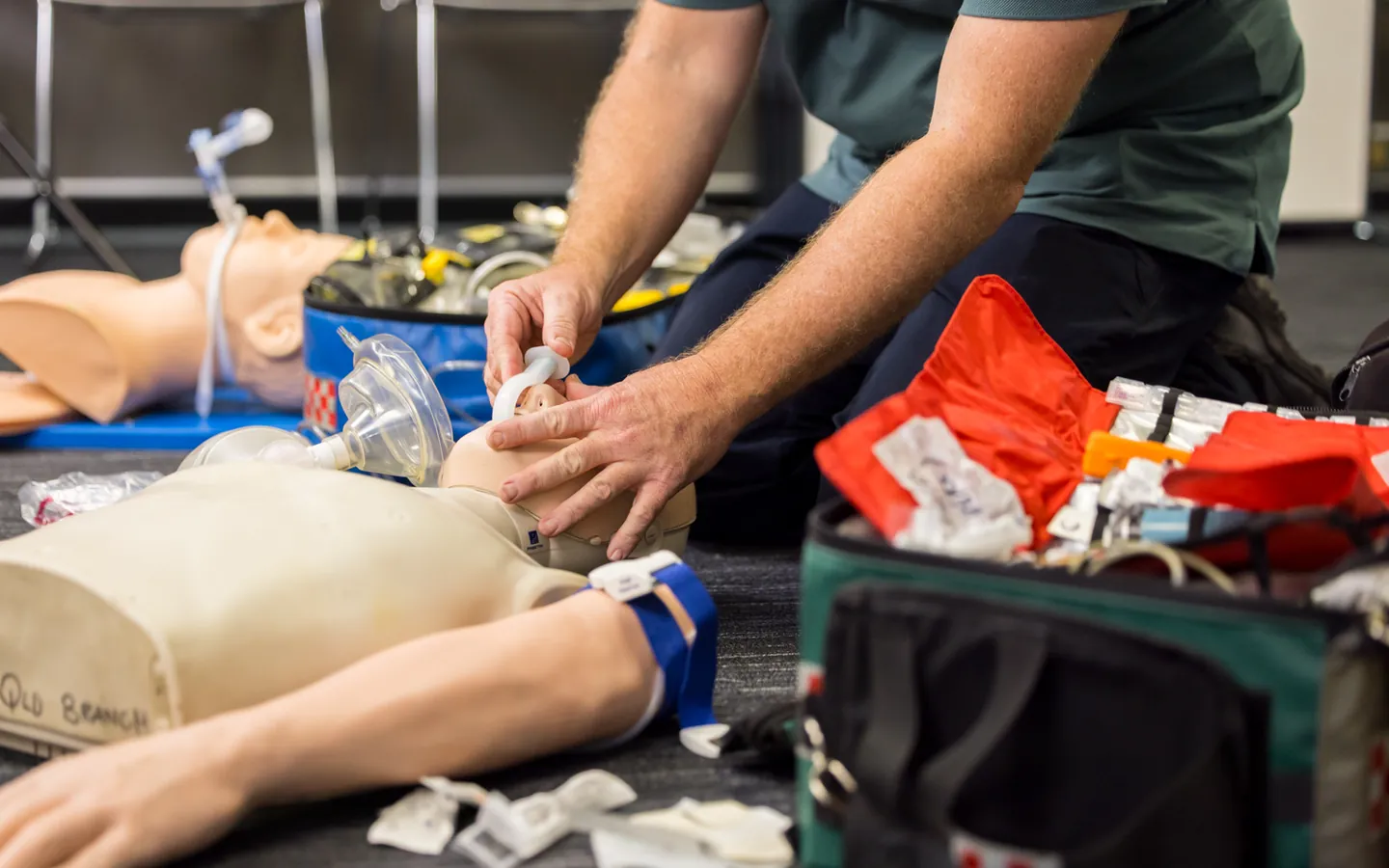

Get help starting your healthcare journey
If you’re exploring entry-level healthcare training, our team can guide you through enrolment, study options, and what to expect from this course.
