


Australia is home to some of the most venomous snakes in the world, but snake bites are far less common and far less deadly than many people think. With the right knowledge, calm decision-making, and proper first aid, most snakebite incidents can be managed safely until medical help arrives.
This guide explains what to do if bitten by a snake, how to apply correct first aid, and why understanding snake behaviour is just as important as knowing how to respond in an emergency.
Living with snakes in Australia
Australia’s bushland, farmland, coastal areas and even suburban fringes are natural habitats for snakes. As urban areas expand and outdoor recreation increases, human–snake encounters are becoming more common, particularly in warmer months.
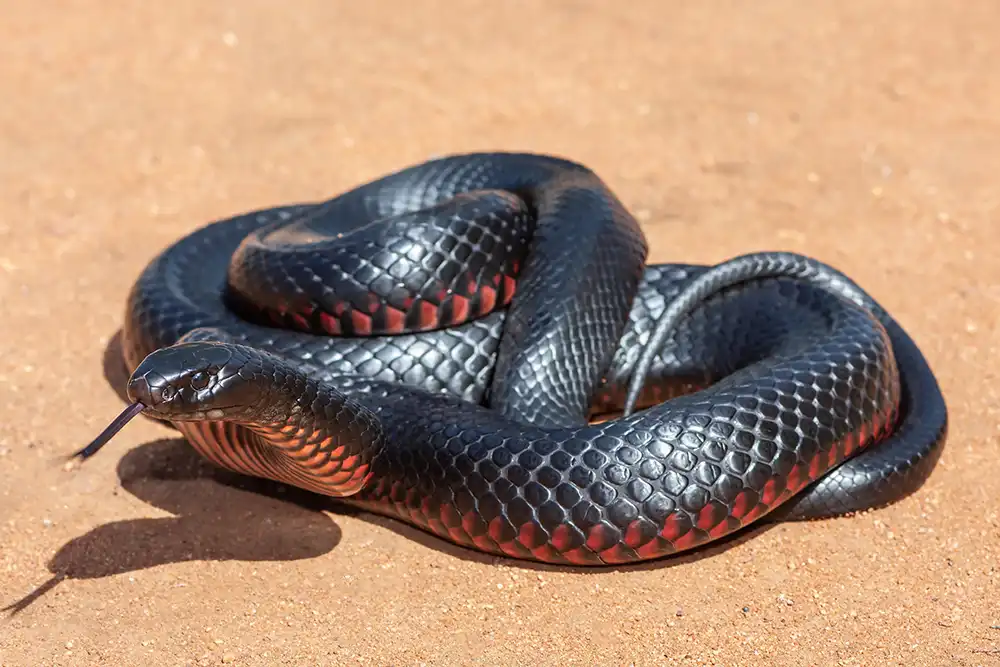
Despite their reputation, snakes are not aggressive animals. The vast majority of snake bites occur when a snake is accidentally stepped on, startled, cornered, or deliberately interfered with. Snakes do not chase humans, and they do not bite without a perceived threat.
A simple but effective principle applies: leave snakes alone, and they will leave you alone. Snakes are motivated by food, warmth, shelter, and reproduction, none of which involve people. Understanding this behaviour is a key part of living with snakes in Australia and preventing bites before they occur.
Snake bite identification: why it’s not as simple as it sounds
After a snake bite, people often focus on identifying the snake. In reality, snake bite identification based on colour, size, head shape, or markings is unreliable. Many Australian snakes vary widely in appearance, and even experienced professionals rely on detailed scale-count methods to confirm species.
From a first aid perspective, identification is unnecessary and unsafe. Attempting to identify, capture, or kill a snake significantly increases the risk of additional bites.
For first aid purposes, all snake bites must be treated as venomous, including bites from snakes believed to be non-venomous. This approach ensures the safest possible outcome and avoids dangerous delays in treatment.
What to do if you see a snake
Encountering a snake can be frightening, but your response plays a major role in preventing a bite.
If you see a snake:
- Stop moving and remain still
- Avoid sudden movements or loud footfalls
- Slowly increase your distance only if you are already outside the snake’s striking range
Snakes do not have external ears and rely on vibrations and movement to detect threats. Remaining still reduces vibration and signals that you are not a threat. In most cases, the snake will move away on its own once it no longer feels cornered.
A general safety guide is to stay at least two-thirds of the snake’s body length away. For example, a six-foot snake may strike up to four feet. Maintaining distance and allowing the snake an escape path is the safest option.
What to do if bitten by a snake
If a snake bite occurs, the priority is to slow the spread of venom and access professional medical care as quickly as possible.
Snake venom usually travels through the lymphatic system, not directly through the bloodstream. Muscle movement accelerates lymphatic flow, which is why remaining completely still is one of the most important actions after a bite.
If someone is bitten:
- Call Triple Zero (000) immediately
- Keep the person as still and calm as possible
- Lay them down and reassure them
- Do not allow them to walk, stand, or move unnecessarily
Symptoms may be mild or absent at first. This does not mean the bite is harmless. These steps apply in all situations, regardless of how the person feels initially.
Pressure Immobilisation Technique
The recommended approach for first aid for a snake bite is the Pressure Immobilisation Technique (PIT). This method was developed in Australia and is used worldwide for snake bites and other venomous envenomations.
How pressure immobilisation works
Pressure immobilisation slows the movement of venom through the lymphatic system by applying firm, even pressure and preventing muscle movement in the affected limb.
How to apply pressure immobilisation correctly
- Keep the person still and reassure them
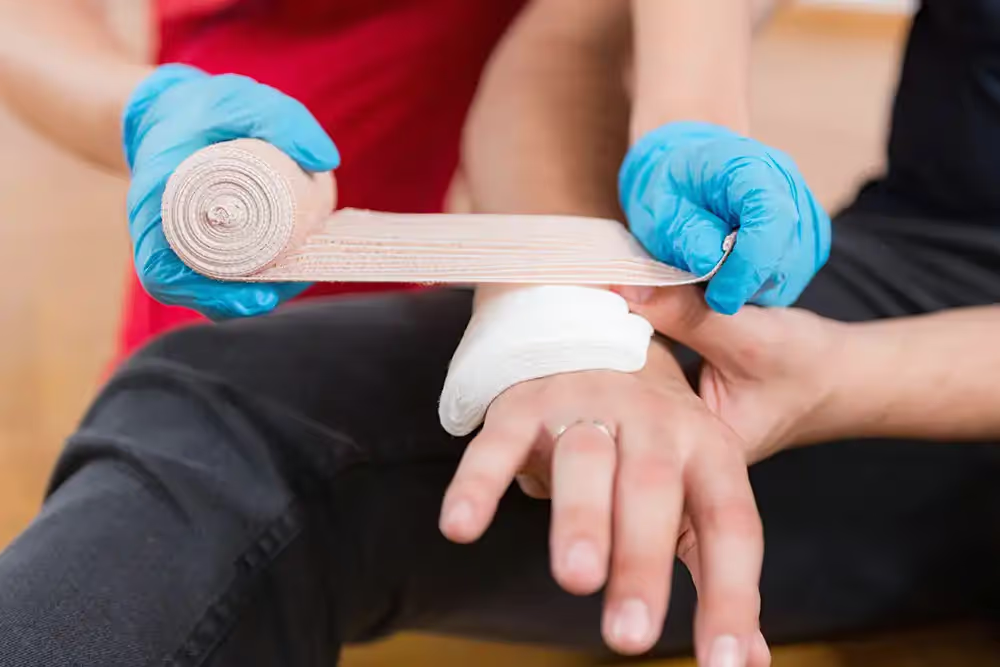
- Apply a broad elastic bandage directly over the bite site
- Start bandaging at the fingers or toes and wrap firmly upward along the entire limb
- Continue bandaging as high up the limb as possible
- Immobilise the limb using a splint, stick, rolled magazine, or similar item
- Mark the bandage to indicate the location of the bite
The pressure should be firm and consistent, like a sprained ankle bandage, but not so tight as to stop blood flow. This technique forms the foundation of snake bite first aid guidelines in Australia.
Pressure immobilisation is practised hands-on in HLTAID011 Provide First Aid, so you can get the bandage tension right before you ever need it.
Using a snake first aid kit
Having a properly stocked snake first aid kit can significantly improve outcomes, particularly in rural or remote settings.
A suitable kit should include:
- A large elastic compression bandage (10–15 cm wide)
- A marker or pen to mark the bite site
- Materials that can be used to immobilise the limb
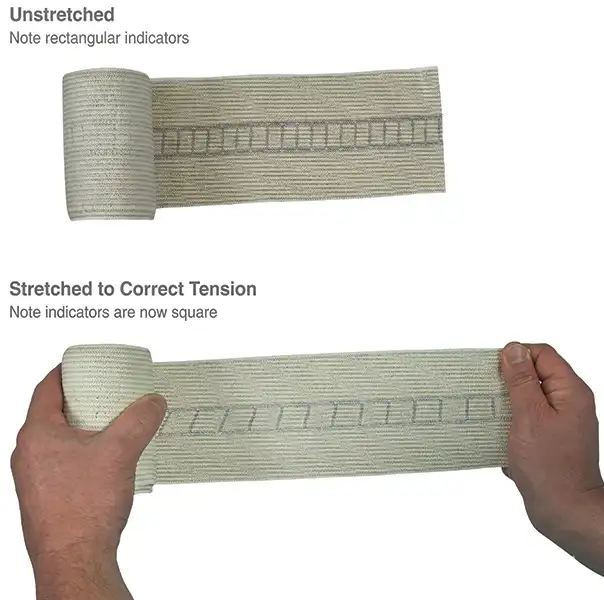
High-compression bandages with visual tension indicators can help ensure correct pressure is applied. One long bandage is usually sufficient to cover an entire limb when applied correctly.
People who live, work, or spend time in snake-prone areas should ensure a suitable remote first aid kit is easily accessible.
What NOT to do when treating snake bites
Incorrect treatment can worsen outcomes. The following actions should never be taken after a snake bite:
- Washing the bite site (this removes venom traces used for diagnosis)
- Cutting, sucking, or applying suction to the wound
- Using tourniquets or ligatures
- Applying heat, ice, or electric shock
- Giving alcohol, food, or medications unless advised
- Attempting to catch or kill the snake
- Removing the pressure bandage once applied
Effective treatment of snake bites focuses on stillness, compression, and rapid access to medical care, nothing else.
Snake Bites on the body (when bandaging isn’t possible)
Approximately 5% of snake bites occur on areas of the body where pressure bandaging cannot be applied, such as the torso or head.
In these situations:
- Keep the person completely still
- Apply firm, direct pressure over the bite site using a gloved hand or dressing
- Maintain pressure until medical assistance arrives
As with all snake bites, movement significantly increases venom spread and must be avoided.
Venomous vs non-venomous snake bites
It is not possible to reliably determine whether a bite is venomous based on early symptoms. Many venomous bites cause little initial pain, and dry bites (where no venom is injected) can still produce swelling and discomfort.
Because of this uncertainty, snakebite treatment always follows the same first aid approach until medical assessment is completed.
Hospitals may use specialised venom detection methods to guide treatment, but this occurs well after first aid has been applied.
Why first aid knowledge saves lives
Each year, Australia records thousands of snake bites but only a small number of fatalities. This is largely due to:
- Early and correct first aid
- Effective pressure immobilisation
- Access to advanced medical care and antivenom
Australia is a world leader in snake bite management, and outcomes are overwhelmingly positive when first aid is applied correctly.
Be prepared, not fearful
Snakes are a natural part of Australia’s environment. With sensible behaviour, environmental awareness, and up-to-date first aid knowledge, people can live safely alongside them.
Keeping properties tidy, reducing vermin, maintaining low grass, and carrying a suitable snake first aid kit all help reduce risk. Bushland brings other risks too, so it's worth knowing how to manage tick bites and spot the signs of heat stroke.
Most importantly, knowing what to do if bitten by a snake and what not to do can save lives. Regularly refreshing first aid skills ensures you are prepared to respond calmly and effectively should an emergency occur. Book a first aid course today, and stay prepared.
IPC runs first aid courses at public venues across NSW, QLD and VIC, and on-site for workplaces and community groups.
Table of contents