


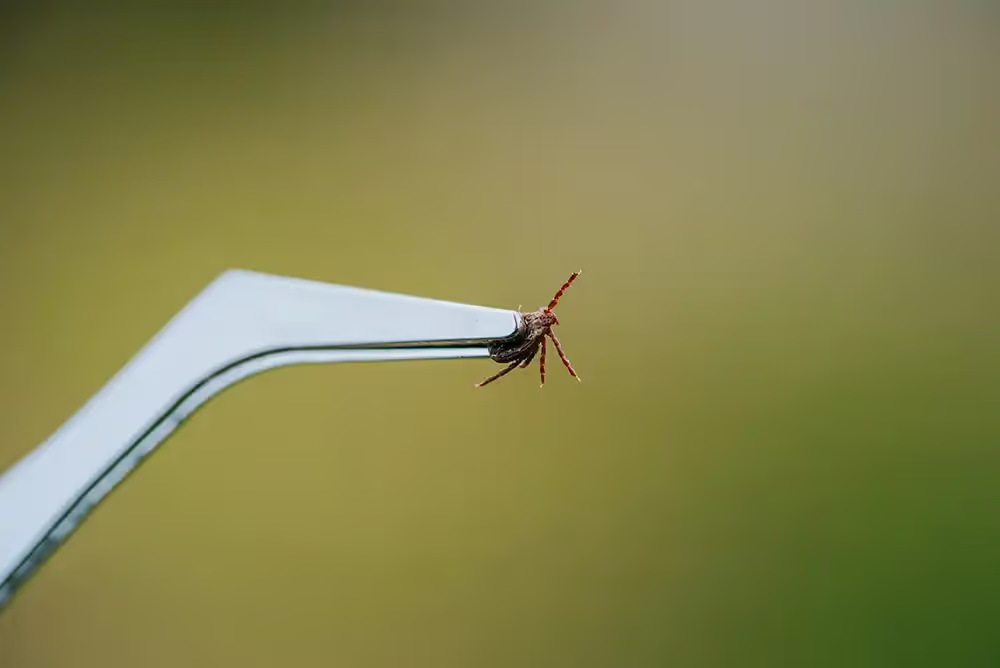
Ticks are a common issue across many parts of Australia, particularly in coastal, bushland, and semi-rural areas. While most tick bites are minor, some can lead to serious allergic reactions, paralysis, or infection if not managed correctly. Knowing how to respond quickly and safely is essential.
This guide covers tick bite treatment, symptoms, and prevention strategies. It is designed to help you understand what to do, what to avoid, and how to reduce your risk of tick bites in the first place.
Understanding ticks in Australia
There are more than 800 species of ticks worldwide, with around 70 species found in Australia. Of these, approximately 16 species are known to feed on humans. While most bites cause mild irritation, some ticks, particularly the paralysis tick, can cause serious health issues.
Paralysis ticks are primarily found along the east coast of Australia, often within a 20-kilometre band from the coastline. These ticks are responsible for hundreds of pet deaths each year and can also cause significant symptoms in humans.
Interestingly, many Australian native animals have developed resistance to paralysis ticks, while humans and domestic animals remain vulnerable.
Tick bite symptoms in humans
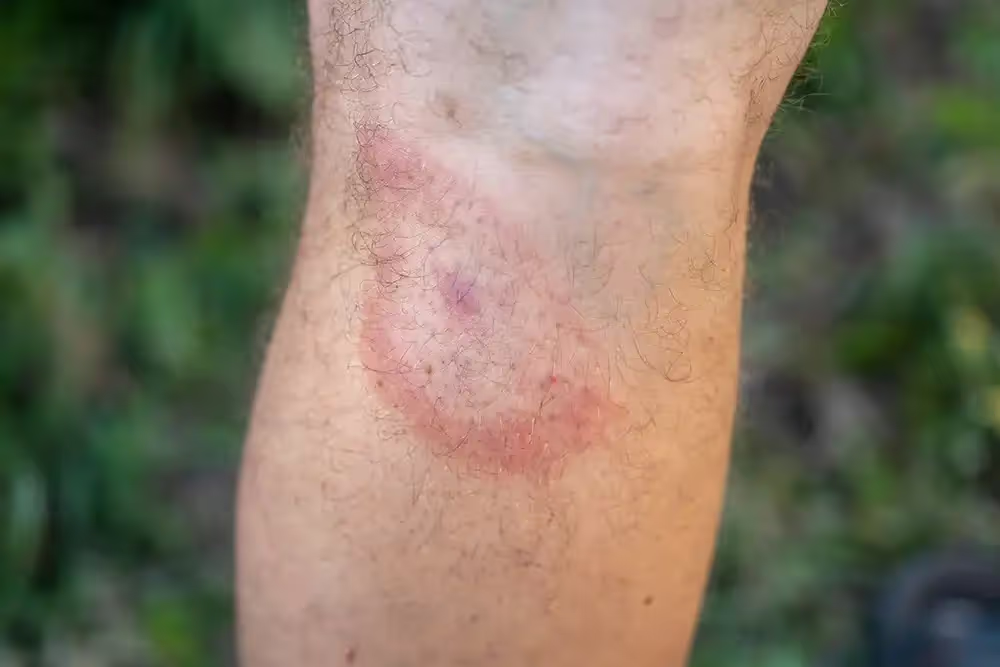
Tick bite symptoms can vary depending on the type of tick, how long it has been attached, and an individual’s sensitivity.
Common symptoms include:
- Redness, swelling, or itching at the bite site
- Headache or fever
- Fatigue or general body aches
- Rash
More serious symptoms may include:
- Weakness in the arms or legs
- Difficulty walking or coordination issues
- Facial weakness or paralysis
- Breathing difficulties
In rare cases, tick bites can trigger anaphylaxis, a severe allergic reaction that requires immediate medical attention. People with a known tick allergy should carry an EpiPen and seek medical assistance for tick removal.
Are tick bites dangerous?
Tick bites can be dangerous in some situations. While many bites are harmless, risks include allergic reactions, paralysis, secondary infection, and delayed complications.
Because reactions are unpredictable, tick bite treatment guidelines in Australia recommend a cautious approach, particularly for children and people with a history of allergies.
If severe symptoms develop or worsen, medical assessment should be sought immediately.
If you need to call 000, follow our guide on what to do while you're waiting for an ambulance.
How to remove a tick safely in Australia
Correct tick removal is critical. Many traditional methods irritate the tick, causing it to inject more saliva, which increases the risk of allergic reaction and paralysis.
Best practice tick removal Australia
Australian guidelines recommend killing the tick where it is before removal.
The preferred method is using a tick removal spray for humans that freezes the tick. These sprays rapidly immobilise and kill the tick, allowing it to be safely brushed off without squeezing or disturbing it.
Steps for safe tick removal:
- Apply a freezing spray directly to the tick
- Leave it in place for around one minute
- Brush the tick off once it has detached
- Do not use tweezers on live ticks
Freezing sprays approved for human use are available through pharmacies and medical suppliers.
Removing small ticks, larvae and nymphs
Very small ticks (larvae and nymphs) may not be suitable for freezing sprays.
In these cases, a topical cream such as a permethrin-based product can be dabbed onto the tick. After sufficient time, the dead tick can be gently scraped away.
This approach supports safer tick treatment for humans, particularly when multiple small ticks are present.
What to put on a tick bite after removal
Once the tick has been removed:
- Check the area for any additional ticks
- Clean the area gently with soap and water
- Apply a cold compress to reduce swelling and discomfort
- Avoid scratching the bite
If redness, swelling, or pain increase over time or if signs of infection develop, seek medical advice. These steps form part of the appropriate tick bite treatment after removal.
First aid for tick bites
Australian first aid guidelines recommend:
- Monitoring the person closely after removal
- Treating breathing difficulty, facial swelling, or collapse as anaphylaxis
- Commencing CPR if the person becomes unresponsive and not breathing normally
- Seeking medical advice if symptoms progress
In remote locations, consultation with a healthcare professional is recommended if symptoms develop or worsen.
Tick prevention for humans in Australia
Prevention remains the most effective approach to ticks.
To reduce your risk:
- Wear light-coloured clothing to spot ticks easily
- Cover arms and legs when in bush or long grass
- Tuck pants into socks and shirts into pants
- Avoid dense vegetation where possible
- Use insect repellent containing at least 20% DEET on exposed skin
After outdoor activities, check your body carefully, paying close attention to skin folds, scalp, behind ears, and clothing seams.
Ticks and pets
Pets can carry ticks into the home, increasing human exposure. Regular tick prevention treatments for pets, combined with daily checks during peak seasons, help reduce risk for both animals and people.
It’s also worth checking where ticks tend to hide on pets - around the ears, under collars, between toes, in the groin, and under the tail. If your pet is spending time in long grass or bushland, a quick post-walk check (plus prompt removal using the method recommended by your vet) can reduce the chance of a tick attaching for long enough to cause problems.
%2520copy.avif)
Tick season in Australia
Paralysis ticks are present year-round, but peak activity occurs during spring and summer when warm, humid conditions favour tick survival.
Peak season is when extra prevention habits matter most: plan ahead for bushwalks, keep repellent handy, and make tick checks part of everyone in the household's routine. Being prepared during peak season is an integral part of tick prevention for humans in Australia.
Ticks aren't the only bushland risk. Brush up on first aid for snake bites and the signs of heat stroke before your next bushwalk.
Small bites, smart responses
Tick bites are common in Australia, but serious complications are rare when ticks are managed correctly. Understanding tick removal guidelines, recognising symptoms early, and practising effective prevention can significantly reduce risk.
Knowing how to respond calmly and correctly supports better outcomes for individuals and families living, working, or spending time in tick-prone environments. Our HLTAID011 Provide First Aid course covers allergic reactions, anaphylaxis and CPR, with practical sessions across NSW, QLD and VIC. For first aid courses near you, contact International Paramedic College.
Table of contents