



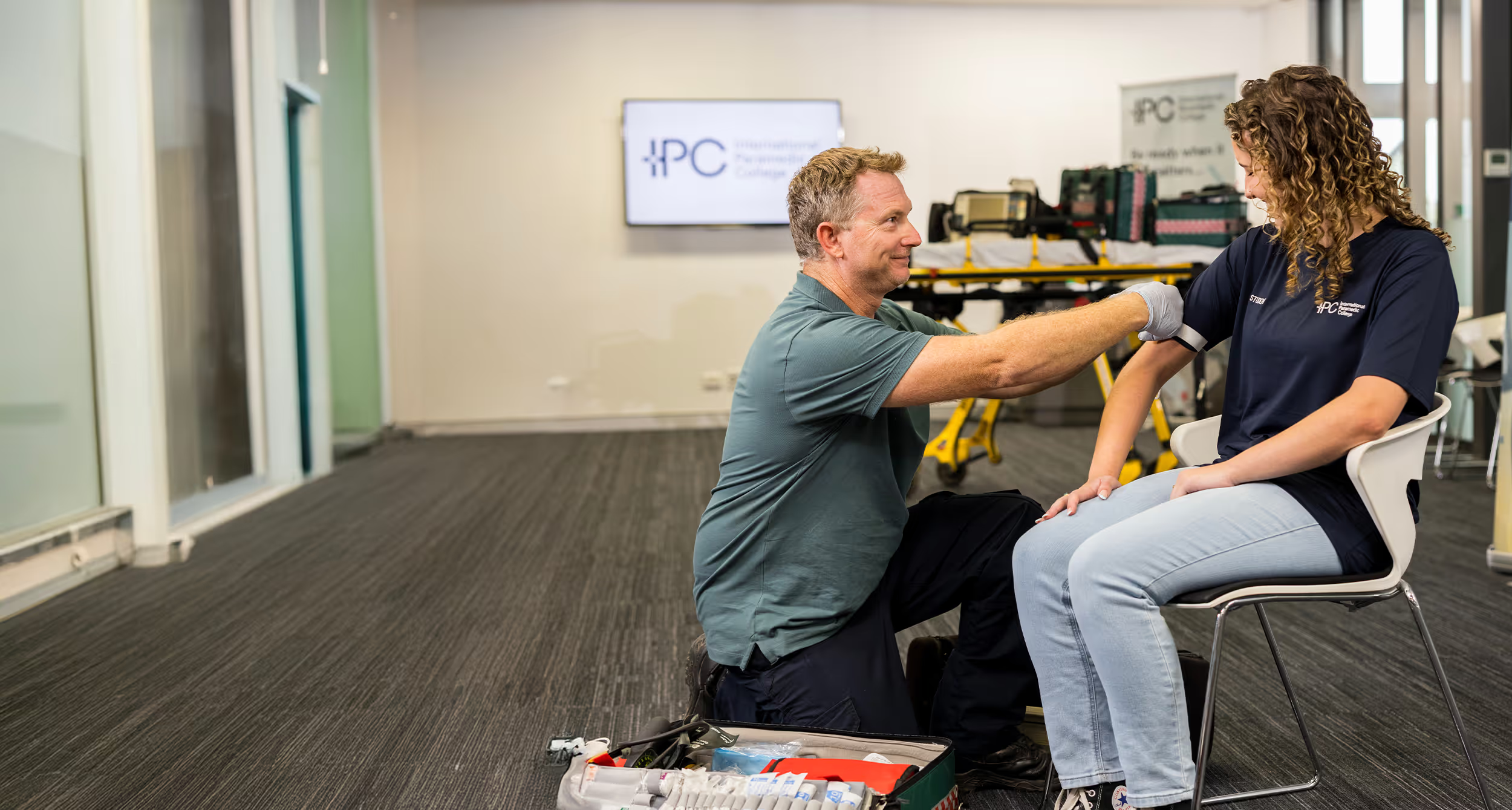
What is the Stop the Bleed Course?
In a trauma situation, minutes matter. Severe bleeding can become fatal within a short timeframe if not controlled quickly. This Stop the Bleed training teaches you to identify severe bleeding fast, apply immediate bleeding control techniques, use pressure, wound packing and a tourniquet effectively, and stabilise a wound in an emergency. Whether in the workplace, public settings, or high-risk environments, knowing how to stop bleeding is a critical first-response capability.
- Real world focused training
- Self paced online study
- Written by industry-experienced trainers

Location
Australia Wide

Delivery mode

Course duration
.svg)
Upcoming intake

Cost

Payment plans




Entry requirements
No formal prerequisites.
- The HLTAID011 Provide First Aid training course or equivalent is recommended to ensure comprehensive knowledge.
- Reasonable literacy and numeracy skills may be required to ensure effective communication and understanding.
- Basic computer and digital literacy skills, and reliable internet.
- Physical capability to demonstrate techniques at floor level.
- Photo ID required for the online assessments for the Australia-wide first aid courses.
- Must be 18+ (under 18 permitted with guardian consent).
- Optional purchase of training tourniquet + Israeli emergency bandage.
What you’ll learn
During this practical course, you will develop the skills to stop severe bleeding using evidence-based techniques.
You will learn how to:
- Recognise life-threatening bleeding
- Apply direct pressure to control bleeding
- Correctly apply a tourniquet
- Perform wound packing
- Use a pressure bandage to stop blood loss
- Respond confidently in a trauma emergency
This hands-on training ensures you can stop the bleed using safe, effective and structured first aid techniques.
Course units
This course is 100% web based. This online practical program teaches how to recognise and manage life-threatening bleeding using both improvised and specialised equipment.
Online Learning
What is this unit?
This unit focuses on recognising and managing life-threatening bleeding in emergency situations. It develops emergency bleeding control skills using both improvised methods and specialised equipment, aligned with Australian Resuscitation Council (ARC) bleeding control guidelines.
Why it matters
Life-threatening bleeding can lead to catastrophic haemorrhage within minutes. Understanding the effects of major blood loss and the priorities of treatment is critical to improving survival outcomes. This unit builds the knowledge and practical decision-making ability required to act quickly.
What you’ll learn
You will learn how to recognise the signs and effects of major blood loss, apply ARC bleeding control guidelines, and prioritise treatment in high-risk or remote settings. The program covers the use of specialised equipment, including military-style tourniquets (such as CAT), Israeli emergency bandages, pressure dressings for limb and torso wound packing fundamentals.
How you’ll be assessed
Assessment is conducted through practical demonstrations and modelling of key techniques. Participants must demonstrate step-by-step tourniquet application, effective wound packing, correct application of pressure dressings, and appropriate management of catastrophic haemorrhage scenarios.
Practical benefit
You will have the confidence and capability to manage life-threatening bleeding using both improvised and specialised equipment. These skills enhance your readiness to respond in the workplace, remote environments, or high-risk settings where immediate bleeding control can make the difference between life and death.
Delivery & assessment
Delivery format
- This first aid course is 100% online.
- Self-paced online learning for theory components
Assessment method
Assessment is conducted through practical demonstration of bleeding control techniques.
Participants must demonstrate the ability to:
- Identify severe bleeding
- Apply correct techniques to stop bleeding
- Use a tourniquet appropriately
- Perform wound packing
- Manage an emergency bleeding scenario safely
Assessment focuses on practical skill application rather than theory alone.
Career pathways
The Stop the Bleed course strengthens your emergency response capability and supports progression into safety-focused roles.
Career pathways may include:
- Workplace First Aid Officer or Safety Representative
- Security and Protection Services
- Emergency Response or Volunteer Rescue Teams
- Remote, Mining or High-Risk Industry Roles
- Community Care and Support Services
Pathways into further training
Where delivered alongside nationally recognised units (such as HLTAID011 Provide First Aid), certification pathways may vary depending on course structure and organisational requirements.
These courses are a good starting point for most of our higher-level certifications.
- HLTAID012 Provide First Aid in an Education & Care Setting
- PUAEME008 Provide Pain Management
- HLTAID015 Advanced Resuscitation
- Cert II - HLT21020 Certificate II in Medical Service First Response
- Cert III - HLT31220 Certificate III in Basic Health Care
- Cert III - HLT31120: Certificate lll in Non-Emergency Patient Transport NEPT
- Cert IV - HLT41120 Certificate IV in Health Care (First Responder / EMT Medic)
- Diploma - HLT51020 Diploma of Emergency Health Care
- Bachelor of Paramedic Science (University)
Certification and validity
Upon successful completion of the course, participants receive a certificate confirming competence in bleeding control and Stop the Bleed principles.
This certificate demonstrates practical capability in managing severe bleeding in an emergency setting.
Who should take this course?
This course is suitable for:
- Workplace first aid officers
- Security and safety personnel
- Community responders
- High-risk industry workers
- Anyone wanting practical emergency bleeding training
It complements broader first aid programs and enhances your ability to respond confidently in a bleeding emergency.
Location
100% Online
Pricing
$49
Included costs
- No additional admin fees for this program
Register for Stop the Bleed training
Access upcoming sessions focused on life-saving bleeding control techniques. Pick a convenient time and location to complete your training.
See what our students have to say
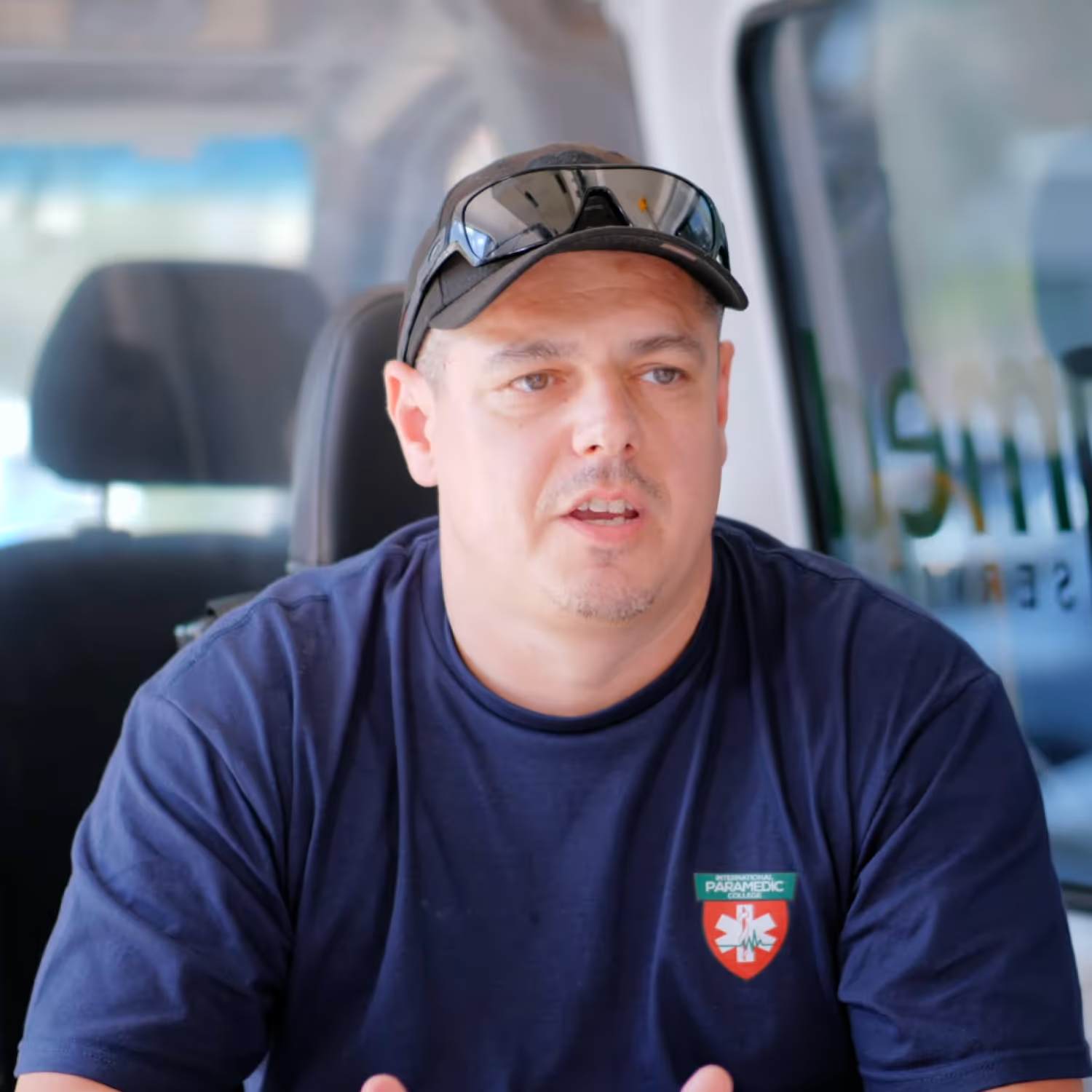
“I chose IPC because when I did research I found they had really good feedback from the students and students coming back to do more courses so I believe it’s the right school for me and the price was really good.”


Trusted first aid provider for leading Australian brands









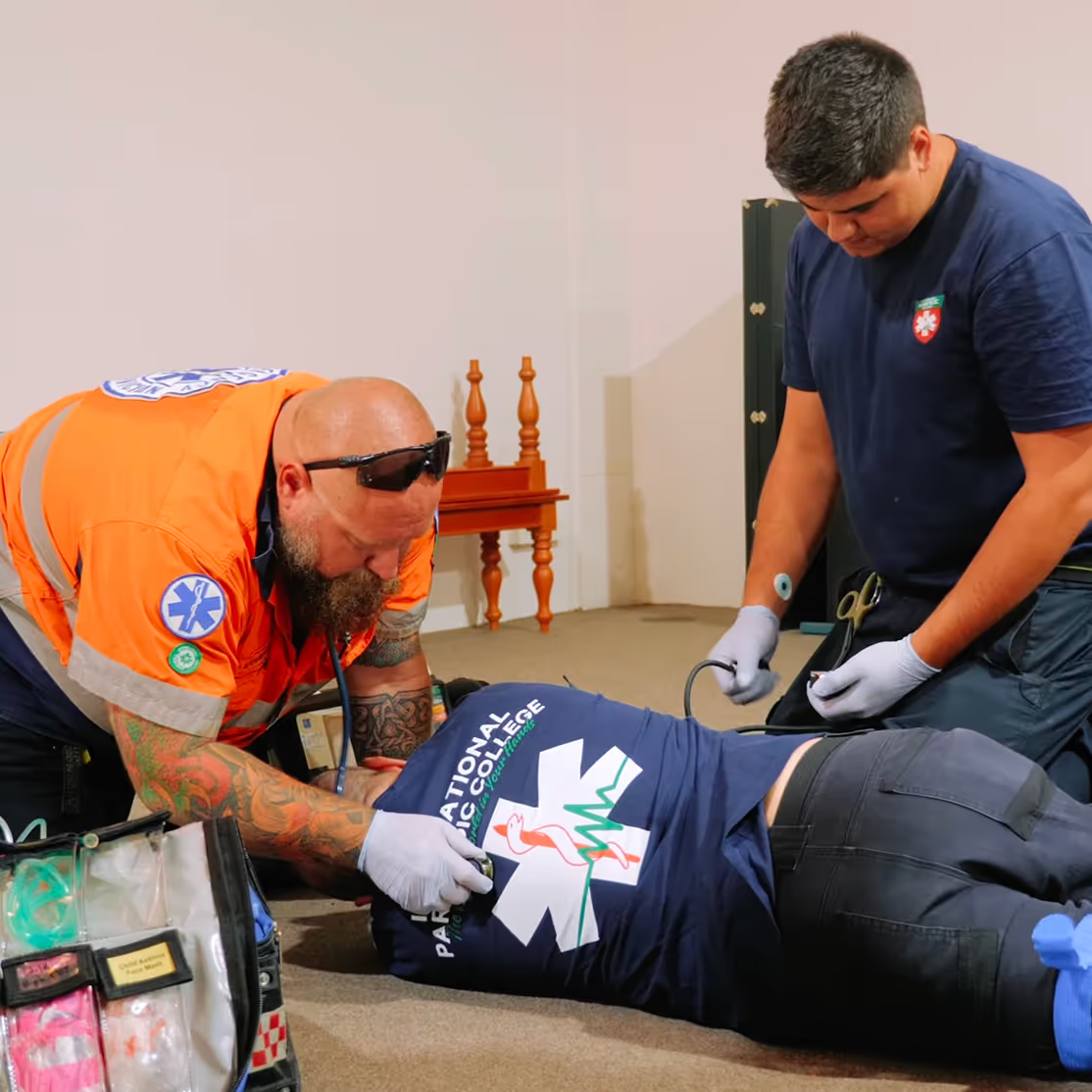
How the Stop the Bleed training works
Learn life-saving bleeding control techniques through a focused and practical training experience.

Enrol in a session
Pick a time and location that works for you.
Learn critical response techniques
Understand how to control severe bleeding in emergency situations.
Practise life-saving skills
Build confidence through guided, hands-on training.
FAQs
Have questions about the Stop the Bleed Course? Below you’ll find answers about entry requirements, recognition, assessments, and what you can do after completion.
What is Stop the Bleed training?
Stop the Bleed training teaches practical techniques to stop life-threatening bleeding before emergency services arrive.
Is this a first aid course?
Yes but, this is an addition to the HLTAID011 Provide First Aid course, focusing specifically on bleeding control. It complements a broader first aid course but concentrates on severe bleeding management.
Will I learn how to use a tourniquet?
Yes. The course includes hands-on training in the correct application of a tourniquet to stop severe bleeding.
Do I receive a certificate?
Yes. Participants receive a certificate of competence upon successful completion of the course.
Who should complete this training?
Anyone responsible for workplace, public venue, or high-risk environment safety in Australia can benefit from this emergency bleeding training.
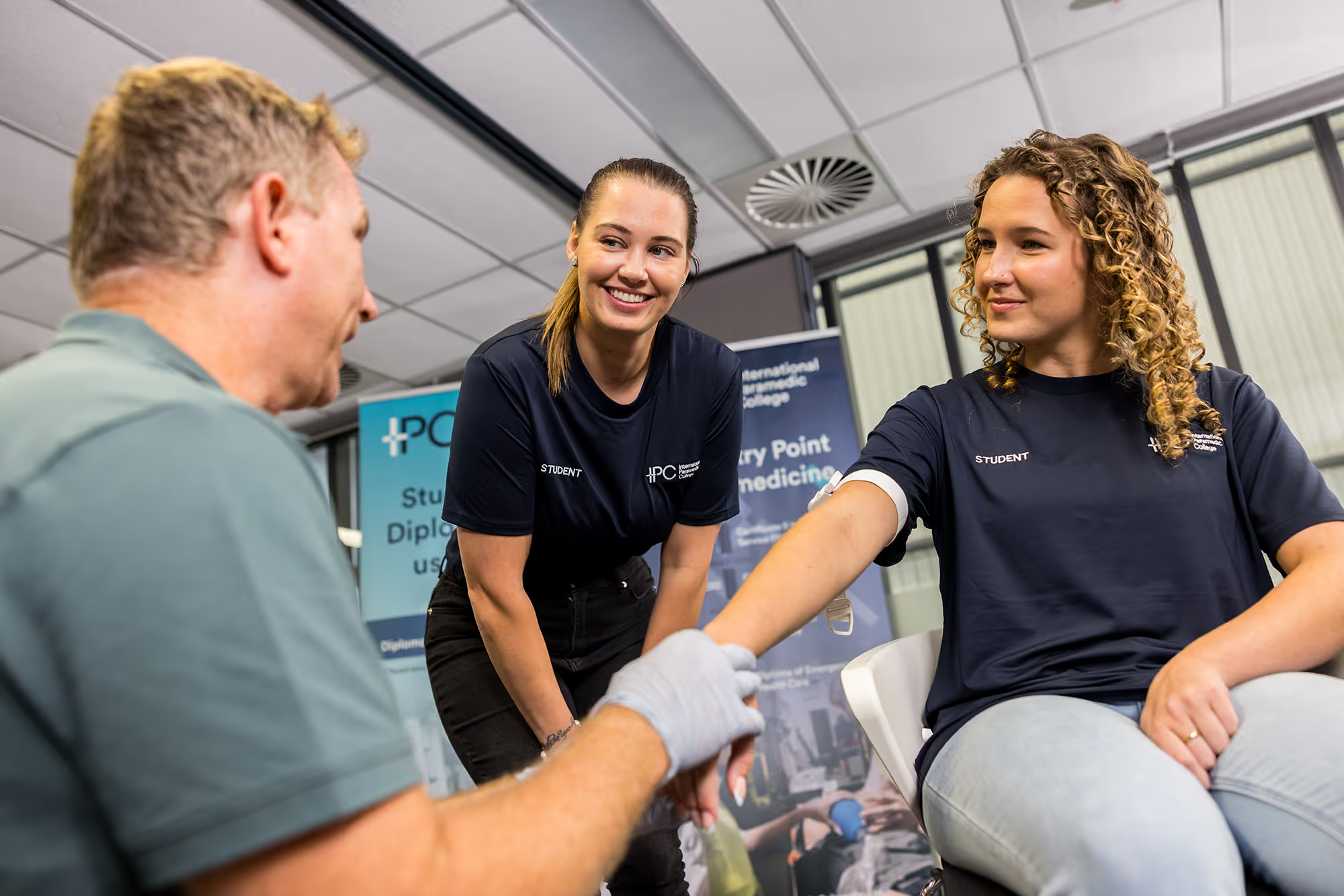
Bleeding control training for groups
Equip your team with essential bleeding control skills through practical group training. Ideal for workplaces, community groups, and high-risk settings.
Learn bleeding control techniques from experts
See how simple, effective actions can make a life-saving difference in critical situations.
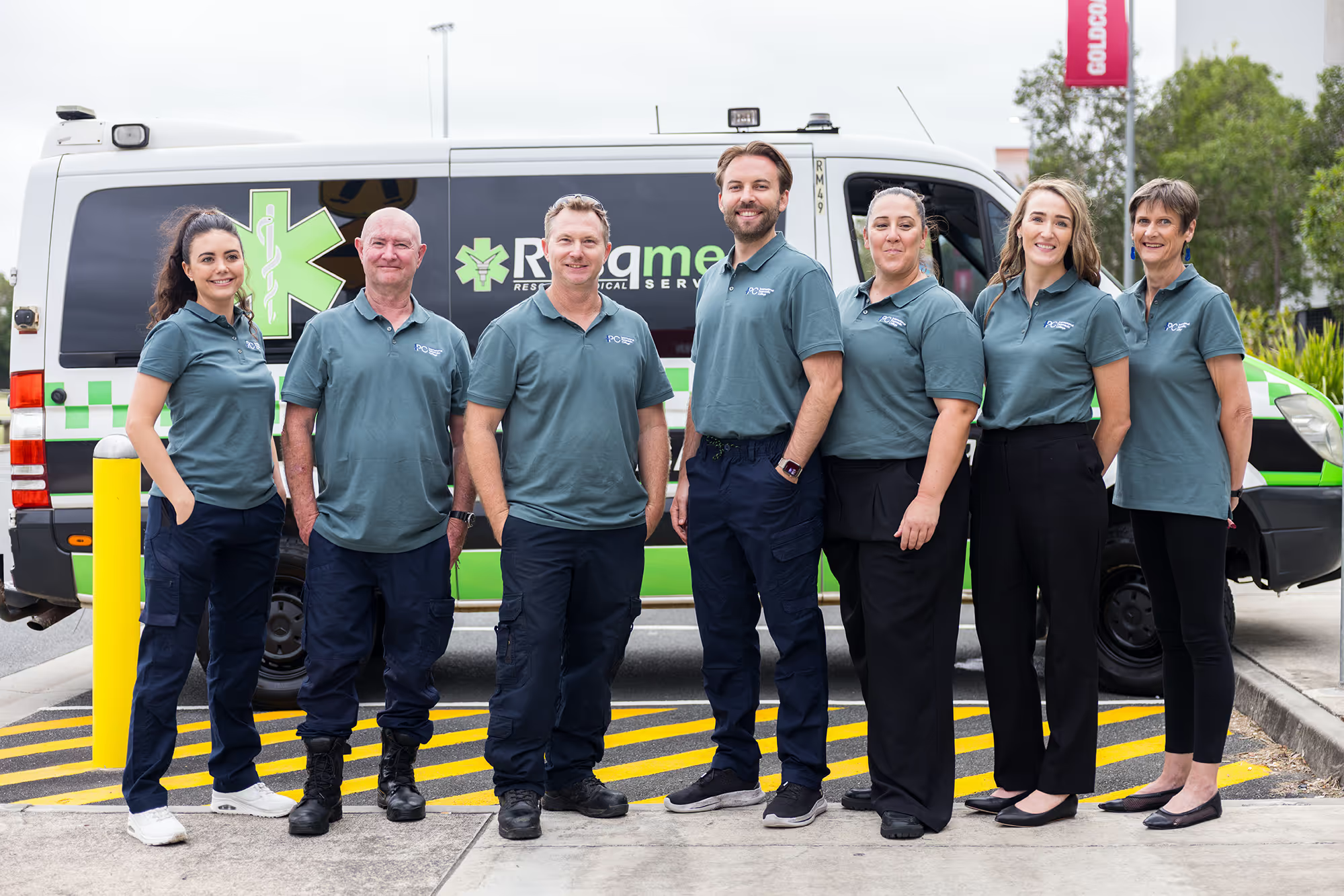

Life-saving bleeding control skills
Learn how to respond quickly to severe bleeding using simple, effective techniques.
Hands-on trauma response training
Practise tourniquet use, wound packing, and pressure application in realistic scenarios.

Designed for immediate, practical use
Equip yourself with skills you can apply in everyday emergencies before professional help arrives.
Act fast in life-threatening bleeding emergencies
Learn practical techniques to control severe bleeding and respond confidently when every second counts.
Learn from trauma-informed instructors
Train with professionals who understand emergency bleeding scenarios and teach practical, life-saving techniques.
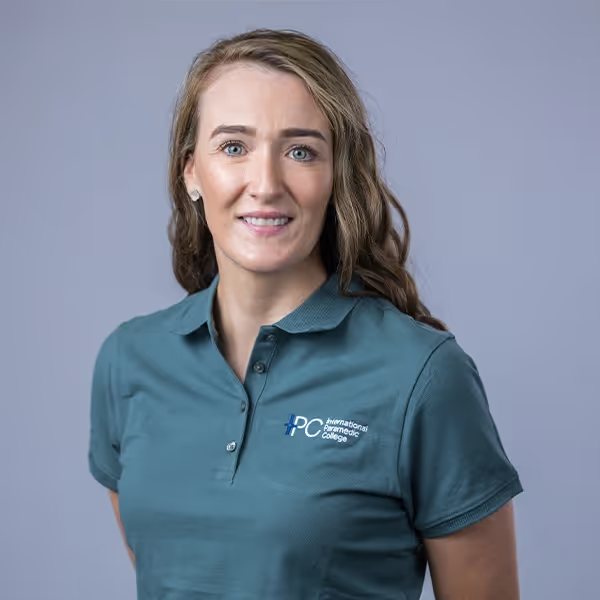
Susan Devlin
Susan Devlin is the CEO of IPC, bringing over 20 years of leadership experience across vocational education and RTO management. She is passionate about building accessible training pathways that help people step into health and emergency services.
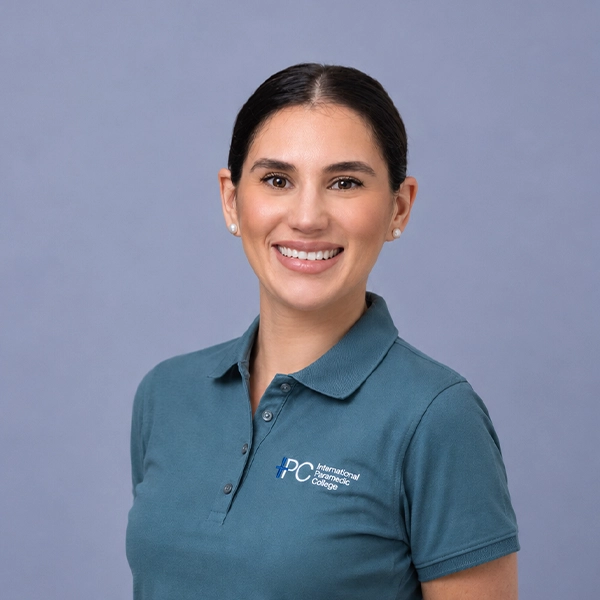
Caroline Gey
Caroline leads IPC’s audit and compliance activities, ensuring quality training outcomes, regulatory compliance, and robust systems that support students, trainers, and industry partners.

Reahanna Clark
Reahanna Clark is IPC’s Course Advisor, supporting new and continuing students as they navigate their training and career pathways in emergency health care. With over five years of RTO experience and a background in health sciences, she provides helpful guidance on course selection, enrolment, credit transfers, and RPL applications, helping students feel confident throughout their study journey.

Lisa Bailey
Lisa Bailey is IPC’s Head of Product and WHS Officer, responsible for developing and refining learning resources across the organisation. She uses modern tools and technologies to create engaging and effective training experiences.

Allan Burnett
Allan Burnett is IPC’s Lead Trainer and Assessor and a former Intensive Care Paramedic with more than 20 years of frontline experience. He now shares his extensive clinical knowledge to mentor the next generation of emergency care professionals.

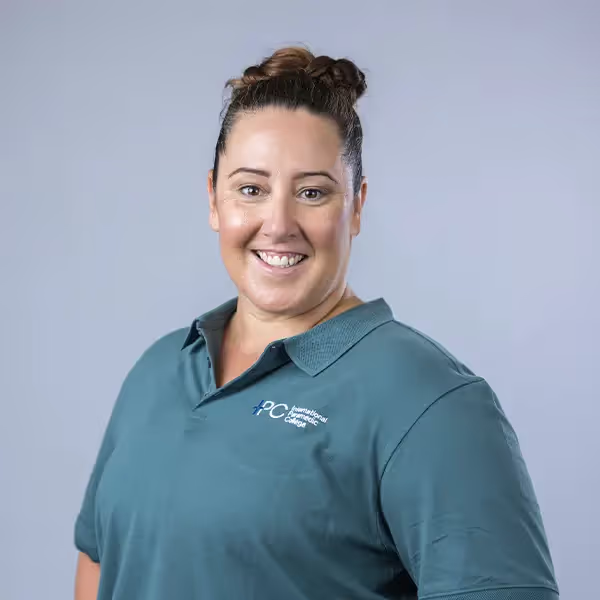
Dee Heffernan
Dee Heffernan is IPC’s Training and Professional Development Officer, working closely with partners to support training delivery and compliance. Drawing on her experience as a trainer and her paramedical studies, she helps partners stay informed, capable, and confident.

Cora O'Callaghan
Cora is IPC’s Training and Student Success Coordinator, supporting learners from enrolment through to course completion. Known for her solutions-focused style, she helps ensure students stay engaged, supported, and confident throughout their training journey.

Lynette Hawthorn
Lynette Hawthorn is a Training Coordinator at IPC, helping students navigate their courses and stay on track from start to finish. She is passionate about supporting learners as they develop the skills needed to make a difference in their communities.
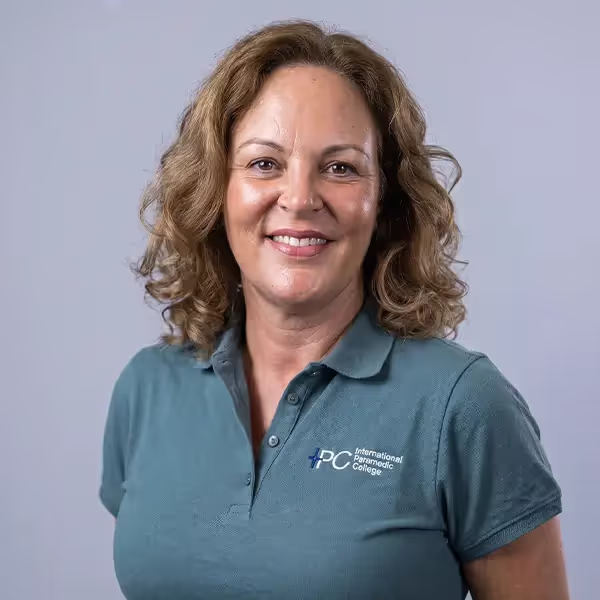
Rebecca Wade
Rebecca Wade is a Trainer and Assessor with more than 30 years of experience across community and children’s services. Her career supporting vulnerable individuals shapes her practical, compassionate approach to first aid training.
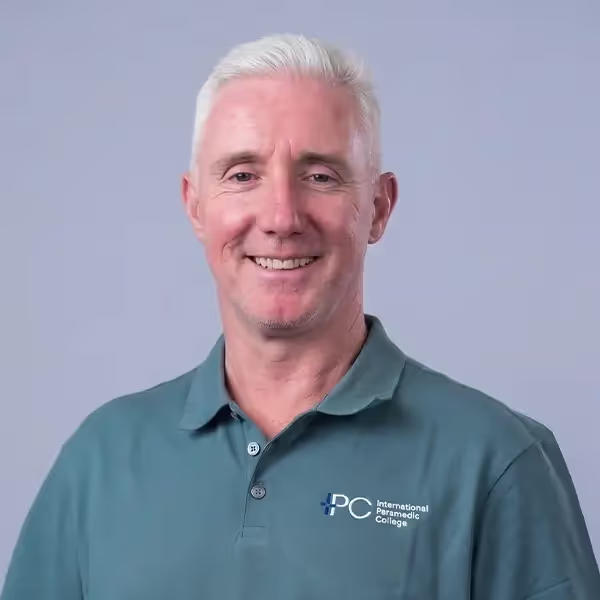
Tony Ruttley
Tony Ruttley is a Trainer and Assessor with over 20 years of experience in sports medicine and emergency care. His background as a rugby league sports trainer brings valuable real-world insight into injury management and emergency response.

Harjot Singh Sandhu
Harjot Singh Sandhu is an experienced Trainer and Assessor with more than 13 years in disability, mental health, and community healthcare. His hands-on background helps him deliver engaging first aid training grounded in real-world scenarios.
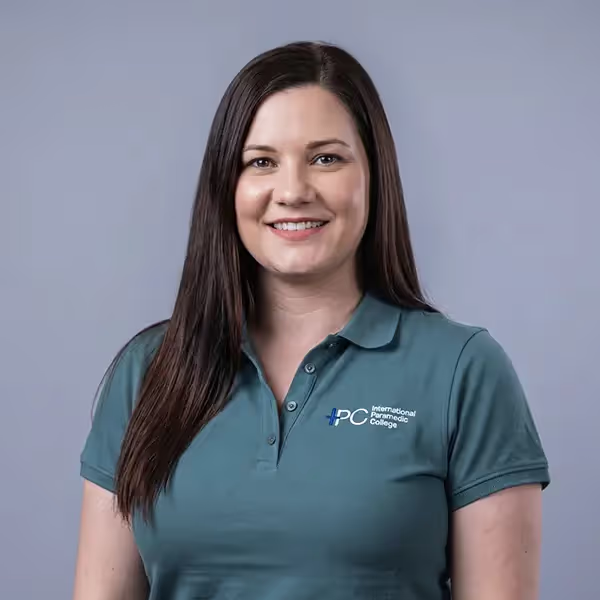
Tamieka Huxley
Tamieka Huxley is a Trainer and Assessor delivering first aid training across the Northern NSW region. She is passionate about empowering local communities with the confidence and skills to respond effectively in emergencies.

Steve Tevelein
Steve Tevelein is a First Aid and CPR Trainer with extensive experience in emergency response and community service. As a long-time SES member, he brings practical knowledge into every training session.
Explore emergency response resources
Find practical articles to help reinforce your understanding of critical first aid situations.
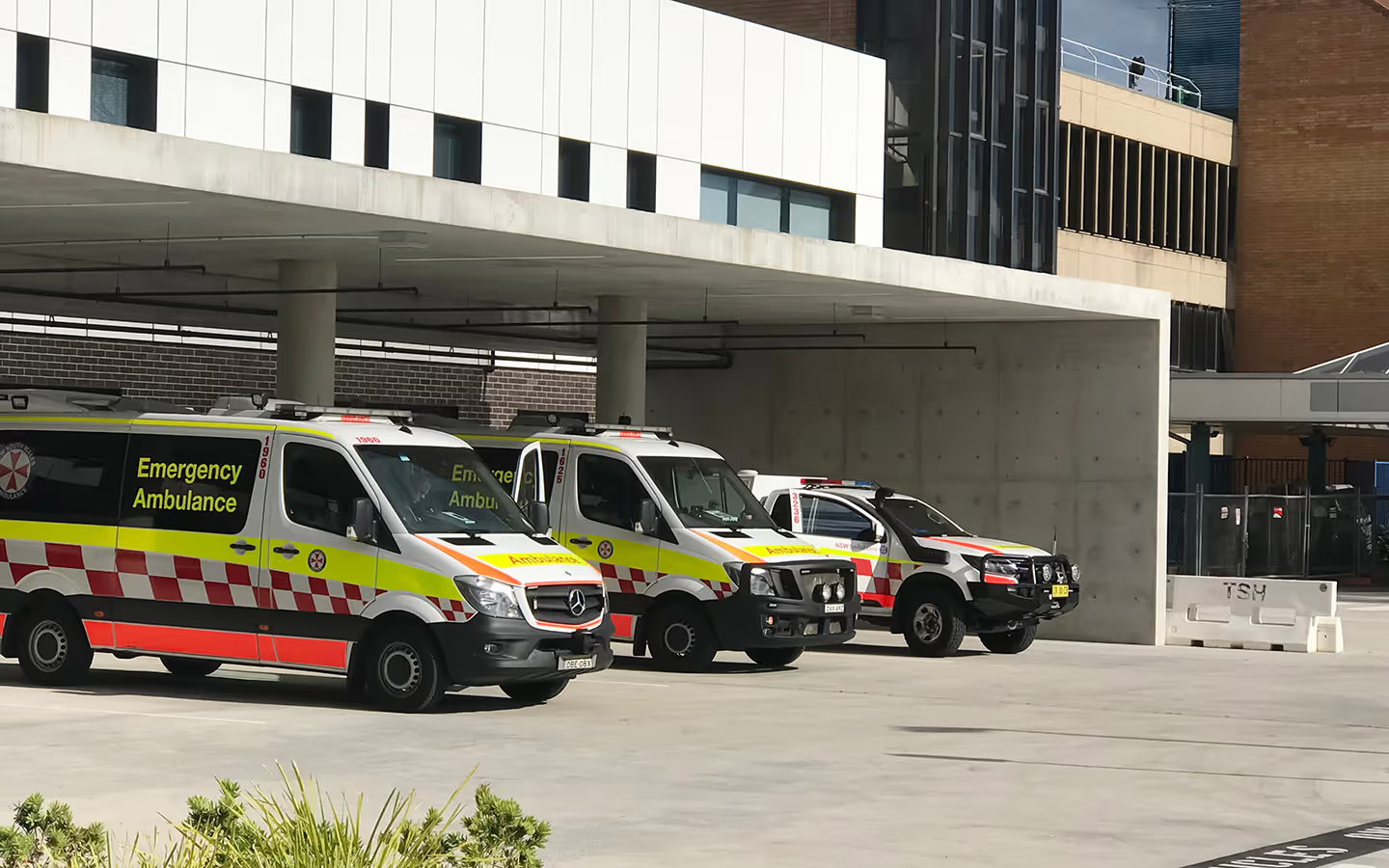
Learn life-saving bleeding control skills
Take the first step in learning critical bleeding control techniques. Get in touch for course details, session availability, and booking support.