


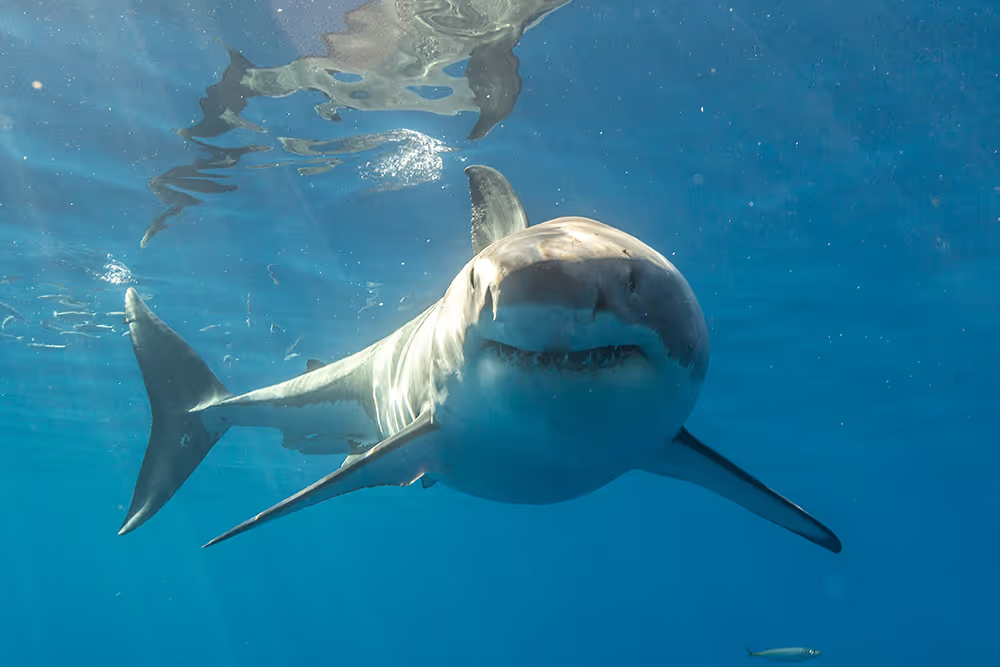
Shark bites are rare in Australia, but when they do occur, they are among the most traumatic and life-threatening emergencies a bystander may ever face. Survival depends on immediate first aid, rapid control of bleeding, and quick access to emergency medical care.
This guide brings together practical information on shark bite first aid, bleeding control, community preparedness, and how to avoid shark attacks in Australia. It combines prevention advice with clear, step-by-step first aid principles drawn from Australian best practice and real-world coastal experience.
Shark attacks in Australia: understanding the risk
According to the Australian Shark Incident Database, Australia records an average of around 16 shark incidents each year, with the majority being non-fatal. Fatal shark bites are rare, averaging 1 to 2 per year.
Risk varies depending on location, activity, and environmental conditions. Surfing, swimming, diving, and fishing in coastal or river-mouth areas can increase exposure, particularly during periods of low visibility or heightened marine activity.
While shark encounters are frightening, understanding the actual level of risk helps keep the focus on preparation rather than fear.
Why bleeding control is the priority
The most immediate threat following a shark bite is catastrophic blood loss. Shark bites can cause severe arterial bleeding, and without rapid intervention, a victim can lose a life-threatening amount of blood in minutes.
In practical terms, shark bite first aid is about three things: stop the bleeding, keep blood flowing to the brain and heart, and reduce the risk of shock. When bleeding is controlled early, the victim’s chance of survival increases dramatically.
Shark bite first aid: what to do immediately
If a shark bite occurs, act quickly and decisively.
- 01
Step 1: Call for emergency help
In a shark bite emergency, the fastest life-saving tool you have is the phone call that gets professional help moving.
- Call Triple Zero (000) immediately
- Tell them it’s a shark bite and describe the bleeding (heavy bleeding = urgent)
- Ask someone to flag down lifeguards/surf lifesavers or meet responders at the closest access point
- 02
Step 2: Remove the victim from the water
Getting the person out of the water reduces the risk of drowning and enables bleeding control.
- Only attempt this if it’s safe for rescuers
- Move the person to shore or a stable platform as quickly as possible
- Once out, lay them down and minimise movement
- 03
Step 3: Control the bleeding
Bleeding control is the priority. Start with what you have and escalate if you need to.
- Apply firm direct pressure immediately (hands, towels, clothing, dressings)
- If you have trauma dressings, apply firmly and reinforce with extra dressings if blood soaks through
- Keep pressure on continuously until help arrives, don’t keep lifting dressings to check
If bleeding remains uncontrolled and the injury is on a limb, a properly applied tourniquet can be lifesaving. Military-style tourniquets, such as Combat Application Tourniquets (CAT), are highly effective when used correctly for life-threatening haemorrhage.
Using a tourniquet in shark bite first aid
A tourniquet is used when direct pressure isn’t enough to stop life-threatening bleeding from a limb. Think of it as a temporary way to stop arterial flow until advanced care takes over.
Placement
Place the tourniquet high above the wound (between the injury and the heart). If you’re unsure where the bleeding point is, apply it higher on the limb rather than closer to the wound.

Tightening and securing
Tighten until bleeding stops. This will be uncomfortable, and that’s normal. Once secured, do not loosen or remove it.

Record the time
Note the time the tourniquet was applied and tell emergency responders. The tourniquet should remain in place until the victim receives specialist care.
Tourniquets work by temporarily stopping arterial blood flow, much like a blood pressure cuff when inflated.
Managing shock after a shark bite
Severe blood loss can quickly lead to hypovolaemic shock, where the body does not have enough circulating blood to deliver oxygen to vital organs.
Signs of shock
Common warning signs include pale, cool or clammy skin; rapid breathing; confusion or reduced responsiveness; and weakness or collapse.
What you can do
Keep the person lying flat, maintain warmth, and continue bleeding control. Reassure them and keep unnecessary movement to a minimum while you wait for emergency help.
Community preparedness: shark attack packs and training
In response to coastal incidents, specialised shark attack packs have been developed for surf groups, fishing crews, and community organisations. These packs are designed around one reality: in a severe bite, controlling bleeding in the first few minutes matters.
What’s typically in a shark attack pack?
Most kits include a military-style tourniquet, trauma dressings (such as emergency bandages), gloves, and cutting tools for quickly removing clothing or wetsuits.
Why training matters as much as the gear
Even the best equipment won’t help if nobody is confident using it under pressure. Bleeding-control education, often described as 'Stop the Bleed' training, allows people to practise direct pressure, dressing application, and tourniquet use so they can act decisively until the ambulance arrives.
How to avoid shark attacks in Australia
When it comes to shark incidents, prevention is better than cure. Most safety guidance is simple and practical, and it’s worth repeating because it works.
Choose safer swimming habits
Swim between the flags at patrolled beaches and, where possible, swim in groups rather than alone. Patrolled beaches give you fast access to help and people trained to respond.
Avoid higher-risk conditions
To reduce your risk of shark attack, avoid swimming at dawn, dusk, or night, and be cautious around river mouths, sandbars, and steep drop-offs where visibility and marine activity can change quickly.

Be alert to warnings
If a shark is sighted or alarms sound, leave the water immediately and follow directions from lifeguards.
Technology can also help. SharkSmart and Beachsafe apps provide up-to-date information on conditions, sightings, and beach safety alerts.
Stop the bleed: training that helps when seconds count
In a shark bite emergency, people don’t just need good intentions; they need the confidence to act fast under pressure. That’s why bleeding-control training is so valuable for surf clubs, fishing groups, schools, and coastal communities.
International Paramedic College offers Stop the Bleed training designed to teach everyday people and community groups how to control life-threatening bleeding until the ambulance arrives. The focus is on practical, hands-on skills like direct pressure, effective dressing techniques, and when (and how) to use a tourniquet.
If you live or spend time near the water, training like this can turn bystanders into capable first responders.
Stay alert and be prepared
International Paramedic College offers emergency first aid training for individuals and community groups, teaching practical techniques (direct pressure, trauma dressings, and tourniquet use) that can help save a life before the ambulance arrives.
Explore training options, organise a group session, or speak with the team about what’s best for your surf club, school, or crew.
Table of contents