


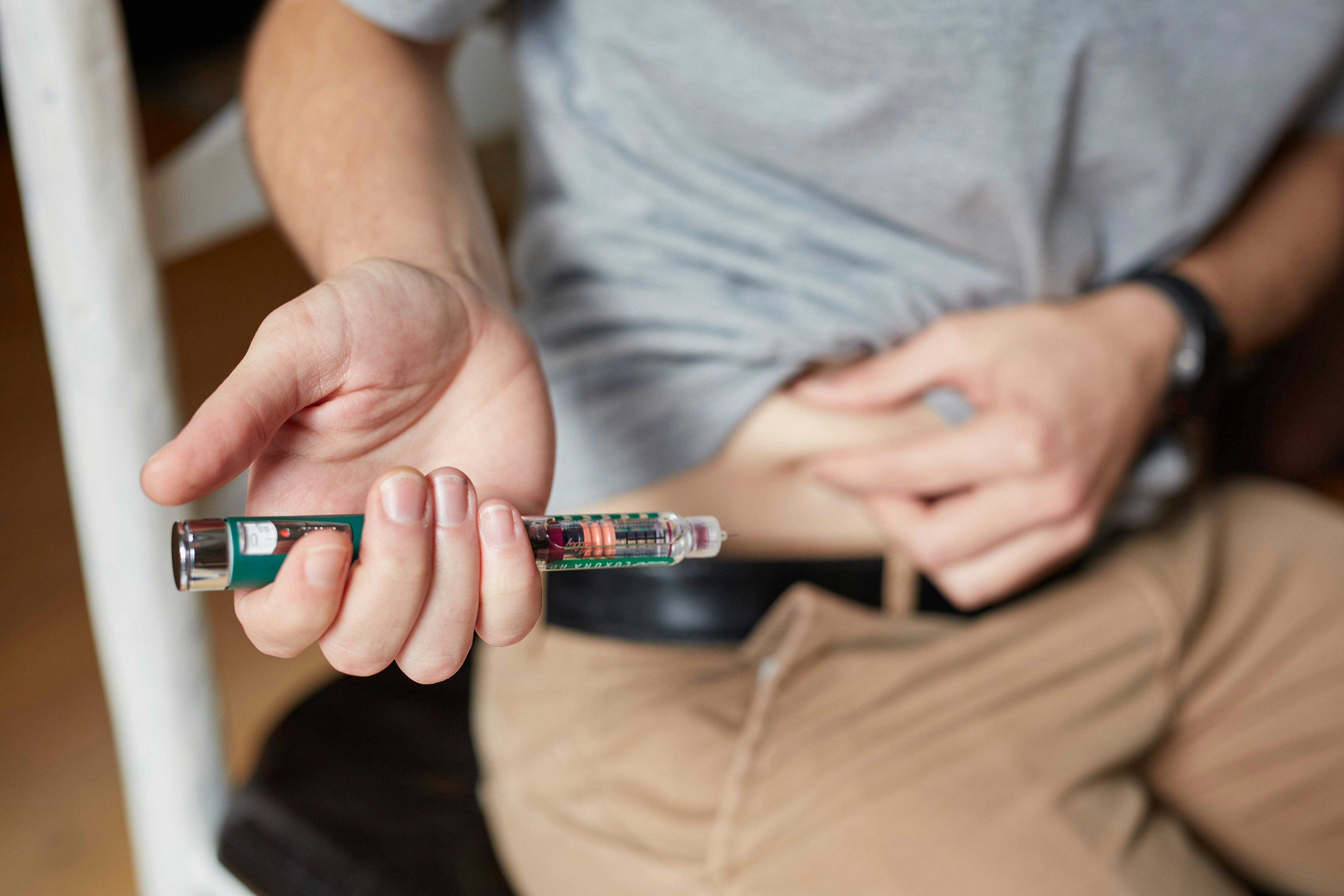
Anaphylaxis kills within minutes if nobody gives adrenaline. There are four autoinjector devices available in Australia now, each operated slightly differently. This guide covers how to recognise anaphylaxis symptoms, how to treat it step by step, and how to use an EpiPen or any of the other autoinjectors available here.
What is anaphylaxis?
Anaphylaxis is the most severe form of allergic reaction, capable of killing someone within minutes. The immune system overreacts to something harmless like food, an insect sting or a medication, and then the reaction starts affecting breathing or circulation.
Adrenaline is the only thing that can stop anaphylaxis. Antihistamines and asthma medication have no effect on anaphylaxis itself, which is why the Australian Commission on Safety and Quality in Health Care puts adrenaline ahead of every other treatment.
If you’re not sure whether what you’re seeing is anaphylaxis, treat it as though it is. Adrenaline autoinjectors like the EpiPen exist so that bystanders can act without a diagnosis. It’s far better to give someone an EpiPen injection when they aren't actually dealing with anaphylaxis than not to give it to someone who is. Further to this, if you are unsure if the person is suffering from anaphylaxis or asthma, give the EpiPen regardless.
Anaphylaxis symptoms: what to look for
ASCIA separates mild to moderate allergic reactions from anaphylaxis itself. The milder kind causes swelling of the lips, face or eyes, hives or welts on the skin, a tingling mouth, or abdominal pain and vomiting.
Anaphylaxis shows different signs:
- Difficult or noisy breathing
- Swelling of the tongue
- Wheeze or persistent cough
- Difficulty talking or a hoarse voice
- Persistent dizziness or collapse
- Young children going pale and floppy
Though abdominal pain and vomiting are symptoms of a mild to moderate reaction, ASCIA counts them as anaphylaxis when a bee or wasp sting caused them. Someone stung and vomiting might still need adrenaline even without any of the signs in the bulleted list above.
Don’t wait for the mild symptoms to arrive first either. Anaphylaxis can be triggered right away, and the warning tier you might be looking for could never come.
How to treat anaphylaxis
The first thing you should do is give the adrenaline ahead of asthma medication and antihistamines. Then work through the rest of the sequence:
- Give the adrenaline autoinjector: Press against the outer mid-thigh, through clothing if that saves time. Note the time you administered it.
- Call 000: Ask for an ambulance and tell the operator it’s anaphylaxis, and an EpiPen has been administered.
- Lay the person flat: Never let them stand or walk. If they’re struggling to breathe, let them sit with their legs stretched out in front of them. If they’re unconscious, roll them onto their side so their airways stay clear, making sure it’s the left side if the person is pregnant. Hold young children flat instead of upright.
- Wait five minutes: Give a second autoinjector if one is available and the person hasn’t responded to the first.
- Start CPR if you need to: Begin compressions if they become unresponsive and aren’t breathing normally.
Some people at risk carry an ASCIA Action Plan, which is a one-page document naming their allergens and their prescribed device. It tells you what you need faster than working it out yourself, so follow it if you find one.
Why you must keep the person lying flat
Blood pressure drops quickly during anaphylaxis, which cuts the blood flow that reaches the heart. Lying flat pushes that pressure back up and keeps blood moving. Standing or walking does the opposite and can make the reaction worse within seconds.
ASCIA states that nobody with anaphylaxis should stand, walk or be held upright even once they appear to have recovered. Adrenaline works quickly, so the person could feel well enough to get up and tell you they’re fine within minutes. Keep them down until the ambulance arrives.
How to use an EpiPen and other adrenaline autoinjectors
Australia has four adrenaline devices as of July 2026. They don’t all work the same way, so check which one you’re holding before you start. ASCIA publishes instructions for each:
- EpiPen: Form a fist around the device and pull off the blue safety release. Hold the leg still and press the orange end against the outer mid-thigh. Push down hard until you feel a click, hold for three seconds, then remove.
- Anapen: Pull off the black needle shield, then the grey safety cap covering the red button. Press the needle end firmly against the outer mid-thigh at a right angle. Press the red button until it clicks, hold for three seconds, then remove. Once you’ve called the ambulance, put the exposed needle into the wide end of the black shield without touching it.
- Jext: Form a fist around the device and pull off the yellow cap. Push the black tip firmly against the outer mid-thigh until it clicks, then hold for three seconds.
- neffy: This one is a nasal spray instead of an injector. Hold it as shown on the packaging and press the plunger firmly into the nostril. Never test the spray first.
The injectors all work through clothing if that saves you time, though healthdirect suggests avoiding pockets and seams.
What happens after the adrenaline
Symptoms can come back hours after someone appears to recover. ASCIA estimates this happens in 3 to 20% of anaphylactic reactions, which is why the ambulance is still important even if the person seems fine.
Anyone who has been given adrenaline needs to be observed for at least four hours after their last dose. Hospital staff decide how long someone stays beyond that, with an overnight admission for people whose reaction was severe or whose history justifies it.
The person will also need a new autoinjector before they go home, since the used one can’t be refilled.
Learn anaphylaxis first aid with IPC
Plenty of people who reach for an autoinjector in an emergency have never used one before. Training courses let you practise on a trainer device, so the first one you use isn’t when someone’s airway is closing.
Our HLTAID011 Provide First Aid course covers anaphylaxis and how to manage other allergic reactions. Anyone working in schools or childcare should look at HLTAID012 First Aid in an Education and Care Setting instead, which covers the same content for children and infants and meets the requirements those workplaces have to satisfy. Talk to a course adviser if you’re not sure which one would suit you.
This guide is general information rather than medical advice. Call 000 immediately for any suspected anaphylaxis.
Table of contents